
Brief History and Origins
From Aristocratic Estate to Urban Landmark
The origins of Palacete Mayer trace back to the 18th century, when the land was owned by a religious order. Following the Marquis of Pombal’s reforms and the suppression of such orders, the property passed through various hands, including the Marquise of Alorna—a key figure in Portuguese nobility (alongatravel.com). In the late 19th century, entrepreneur Adolfo Lima Mayer acquired the estate, commissioning Nicola Bigaglia to design a grand palacete in 1904. The result was a residence surrounded by lush gardens, embodying the eclectic and cosmopolitan tastes of Lisbon’s elite.
After Mayer’s death in 1918, the palace briefly functioned as Club Mayer before the estate was sold. The gardens transformed into Parque Mayer, a vibrant entertainment district inspired by Tivoli Gardens and Coney Island, while the palacete itself remained a symbol of the area’s aristocratic roots (alongatravel.com).
Architectural Features and Design
Eclectic Elegance and Urban Prestige
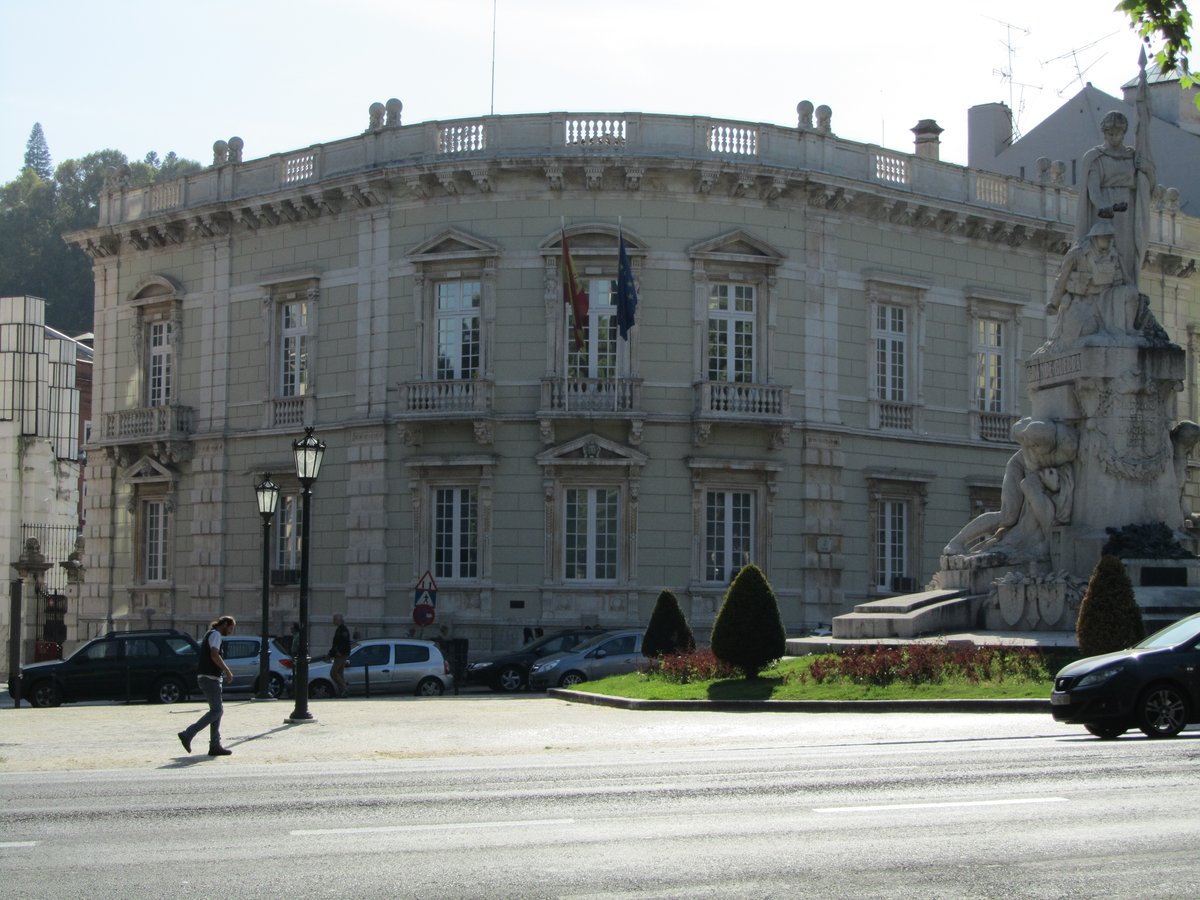
Palacete Mayer exemplifies the eclectic style favored by Lisbon’s upper class during the Belle Époque. Nicola Bigaglia’s design fuses neoclassical symmetry with ornate Italianate and romantic flourishes. Key features include:
- Three-story facade divided by pilasters, capped by a decorated cornice and balustrade
- Ornate stonework and friezes adding textural richness
- Balconied windows framed with lintels and balustrades
- Grand staircase, parquet floors, and ornate woodwork within the interior (Alonga Travel)
Though the palacete’s interior is largely inaccessible to the public, it is renowned for its high-ceilinged salons, gilded stuccoes, and period finishes. The original gardens, now partly Parque Mayer, added to its sense of aristocratic splendor.
Role in Lisbon’s Urban and Cultural Life
From Private Palace to Cultural Nucleus and Embassy
Palacete Mayer’s history parallels Lisbon’s transformation. In the 1920s, the estate’s gardens became Parque Mayer, home to theaters, fairs, and nightlife, establishing the district as Lisbon’s entertainment heart (alongatravel.com). The palacete itself was acquired by the Spanish government in 1930, becoming the Consulado de España—a diplomatic role it retains today.
The building’s heritage status, declared by the Portuguese government in 1993, ensures its preservation against unauthorized modifications (Monumentos). Restoration efforts reflect Lisbon’s commitment to conserving its architectural legacy amid modern urban pressures.
Visiting Palacete Mayer: Hours, Tickets, and Accessibility
Visiting Hours
- General Public Palacete Mayer is not open for regular public visits due to its diplomatic function.
- Special Access Cultural events, heritage days, or guided group tours occasionally allow limited entry. Inquire with the Spanish Embassy or consult local tourism listings for upcoming opportunities (Lisbon Portugal Tourism).
Ticket Information
- Standard Admission No daily ticketing due to restricted access.
- Event/Guided Tour Tickets Pricing varies by event (typically €5–€15); advance booking is required for limited-access tours and events.
Accessibility
- Exterior Viewing The palace’s exterior can be admired from Avenida da Liberdade, which is accessible by foot, public transport, and wheelchair.
- Interior Access Not generally available. Some parts of the building may accommodate visitors with reduced mobility during special events—always confirm in advance.
Location and Directions
- Address Avenida da Liberdade, Lisbon, Portugal
- Nearest Metro Avenida station (Blue Line), a few minutes’ walk
- Bus/Tram Numerous lines serve the area; public transport is recommended due to limited parking (Lisbon Portugal Tourism)
Nearby Attractions
Extend your visit with these local highlights:
- Parque Mayer Historic theaters and nightlife, adjacent to the palace
- Avenida da Liberdade Grand boulevard with luxury shops, historic cafes, and stunning architecture
- Lisbon Botanical Gardens Tranquil green space ideal for leisurely walks
- Eduardo VII Park Offers panoramic views of the city
- Museu Nacional de Arte Antiga Portugal’s leading art museum, a short ride away
Visitor Tips and Practical Information
- Plan Ahead Always check event schedules and book tickets in advance for special tours.
- Dress Code Respectful attire is recommended; comfortable footwear is advised due to historic floors.
- Photography Exterior photos are encouraged; interior photography is subject to event policies and embassy security.
- Language Guided tours are typically offered in Portuguese and English; inquire about other languages if needed.
- Accessibility Some heritage features may limit access for strollers and wheelchairs. Contact organizers to confirm accommodations.
FAQs
Q: Is Palacete Mayer open every day?
A: No. It is not open for daily public visits; access is limited to special events or guided tours.
Q: How can I purchase tickets?
A: Tickets for tours and events are available via official event websites, embassy announcements, or Lisbon tourism portals.
Q: Is the palace wheelchair accessible?
A: Exterior access is available; interior accessibility varies and should be confirmed in advance.
Q: Can I take photographs inside?
A: Policies vary by event. Exterior photography is permitted; interior photography may be restricted.
Q: What is the best way to get there?
A: Use the metro (Avenida station) or bus/tram lines. Parking is limited on Avenida da Liberdade.