


Origins and Early Development
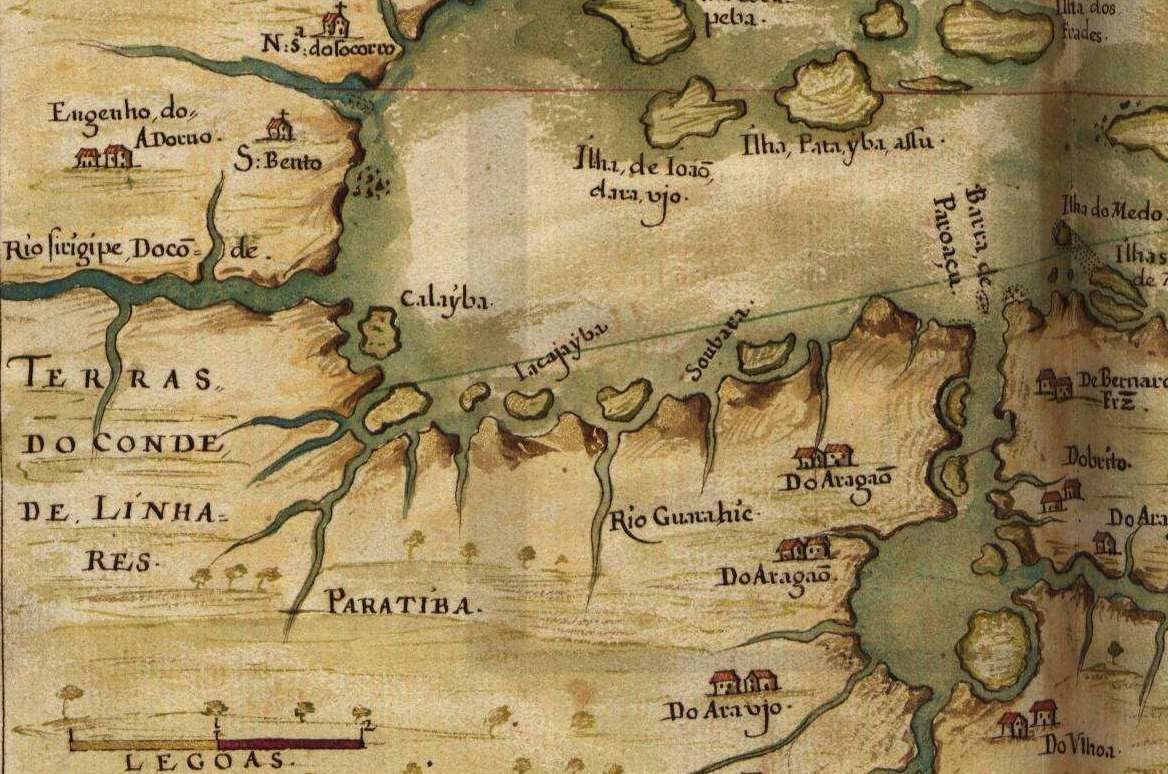
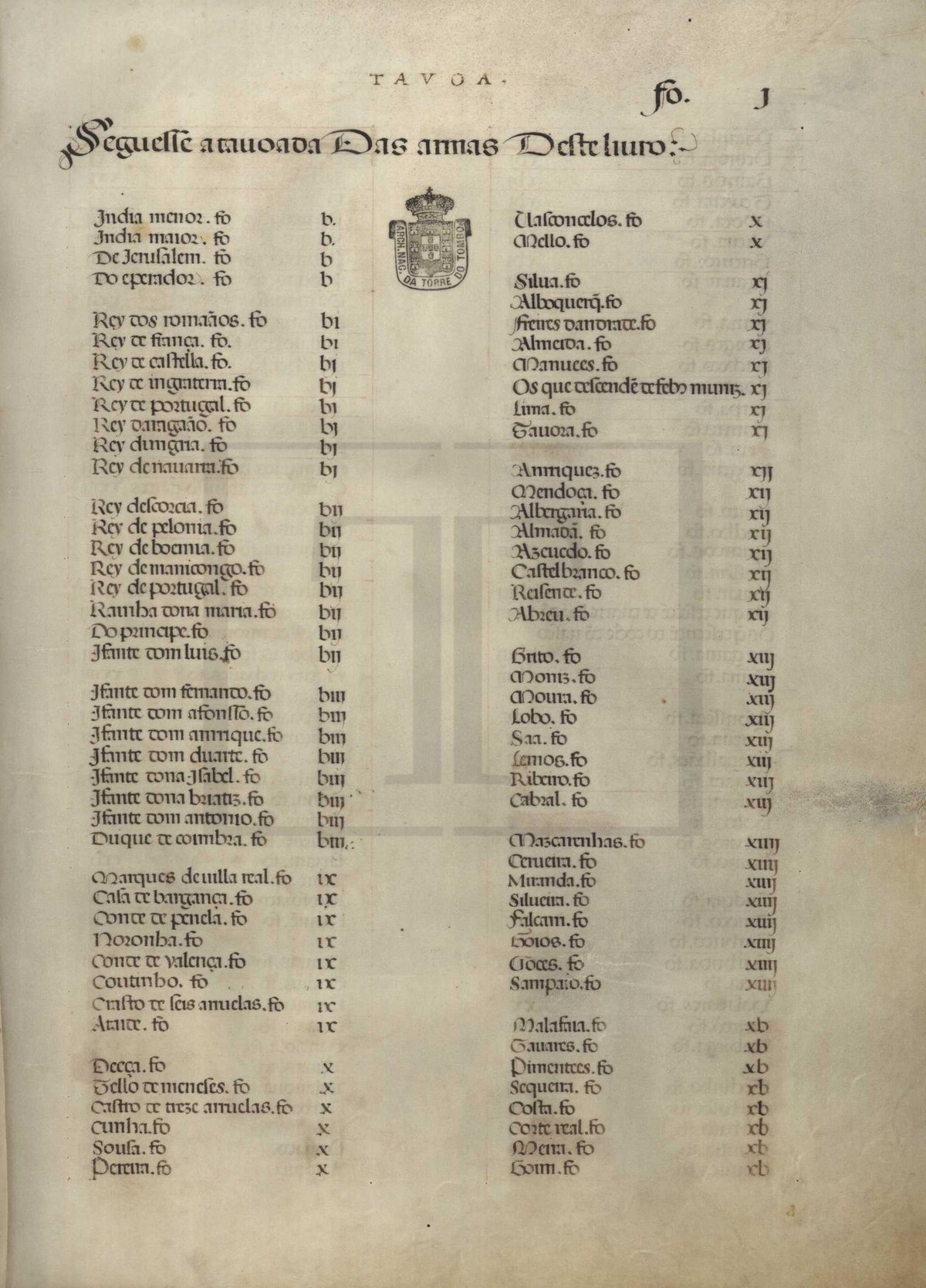
The ANTT is among Europe’s oldest national archives, founded in 1378 within the walls of Castelo de São Jorge. The name "Torre do Tombo" refers to its original location and its fundamental role as a registry of the kingdom’s most vital documents. Its earliest records predate the birth of Portugal as a nation, cataloging medieval decrees and charters (Lisboa Convida).
Relocations and Architectural Evolution
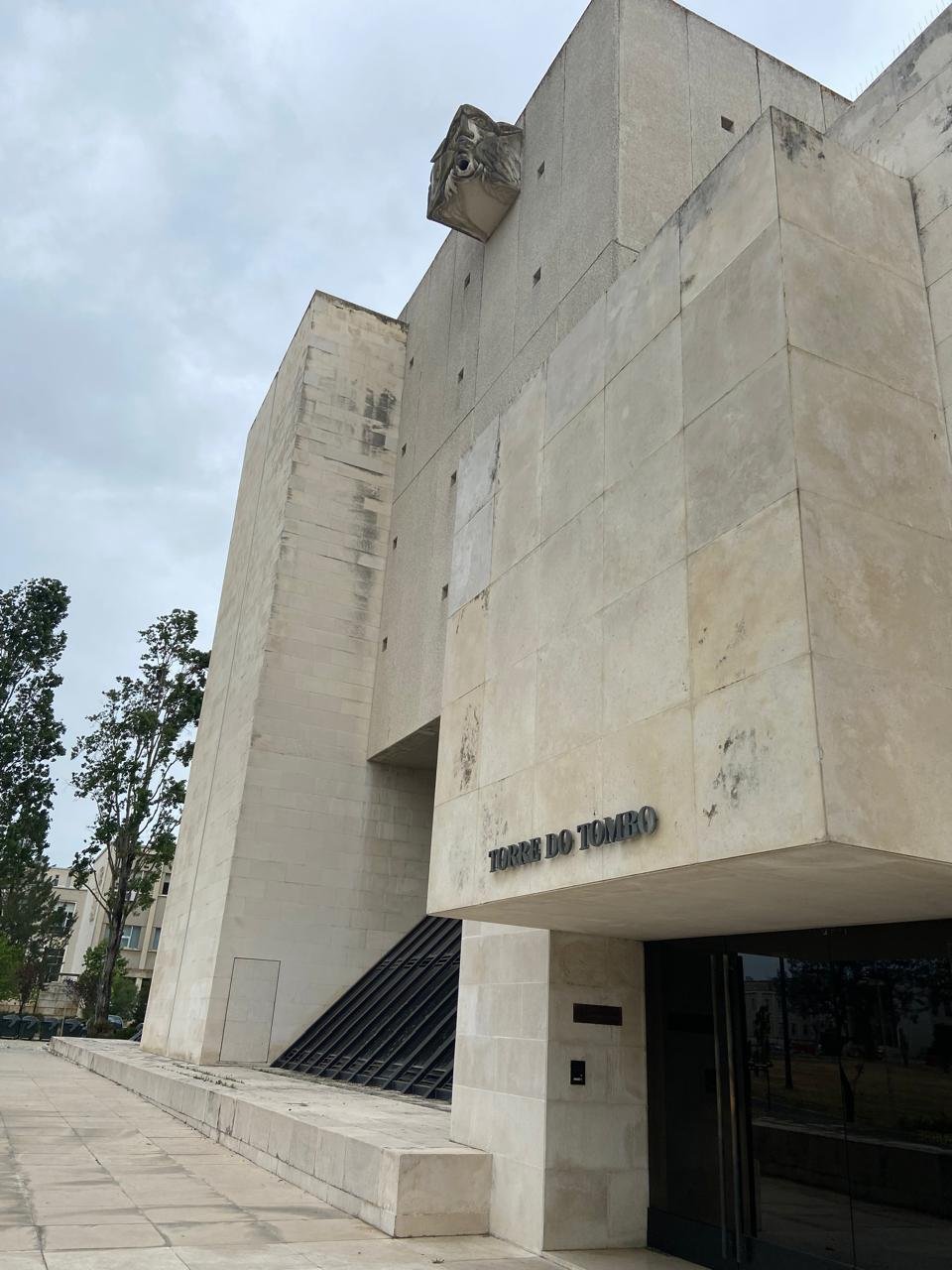
Following the catastrophic 1755 Lisbon earthquake, the archive was moved in 1757 to the Mosteiro de São Bento da Saúde. By 1990, the growing collection required a purpose-built home, resulting in the current fortress-like building designed by Arsénio Cordeiro and featuring monumental gargoyles by José Aurélio (getLISBON).
Documentary Holdings and Historical Significance
The ANTT safeguards more than a thousand years of history, including:
- Bula Manifestis Probatum (1179) Papal bull confirming Portuguese independence.
- Tratado de Tordesilhas (1494) Dividing the world’s newly discovered lands between Portugal and Spain.
- Carta de Pêro Vaz de Caminha (1500) The first written account of Brazil’s discovery.
- Corpo Cronológico Over 83,000 documents from the Age of Discoveries, recognized by UNESCO as “Memory of the World.”
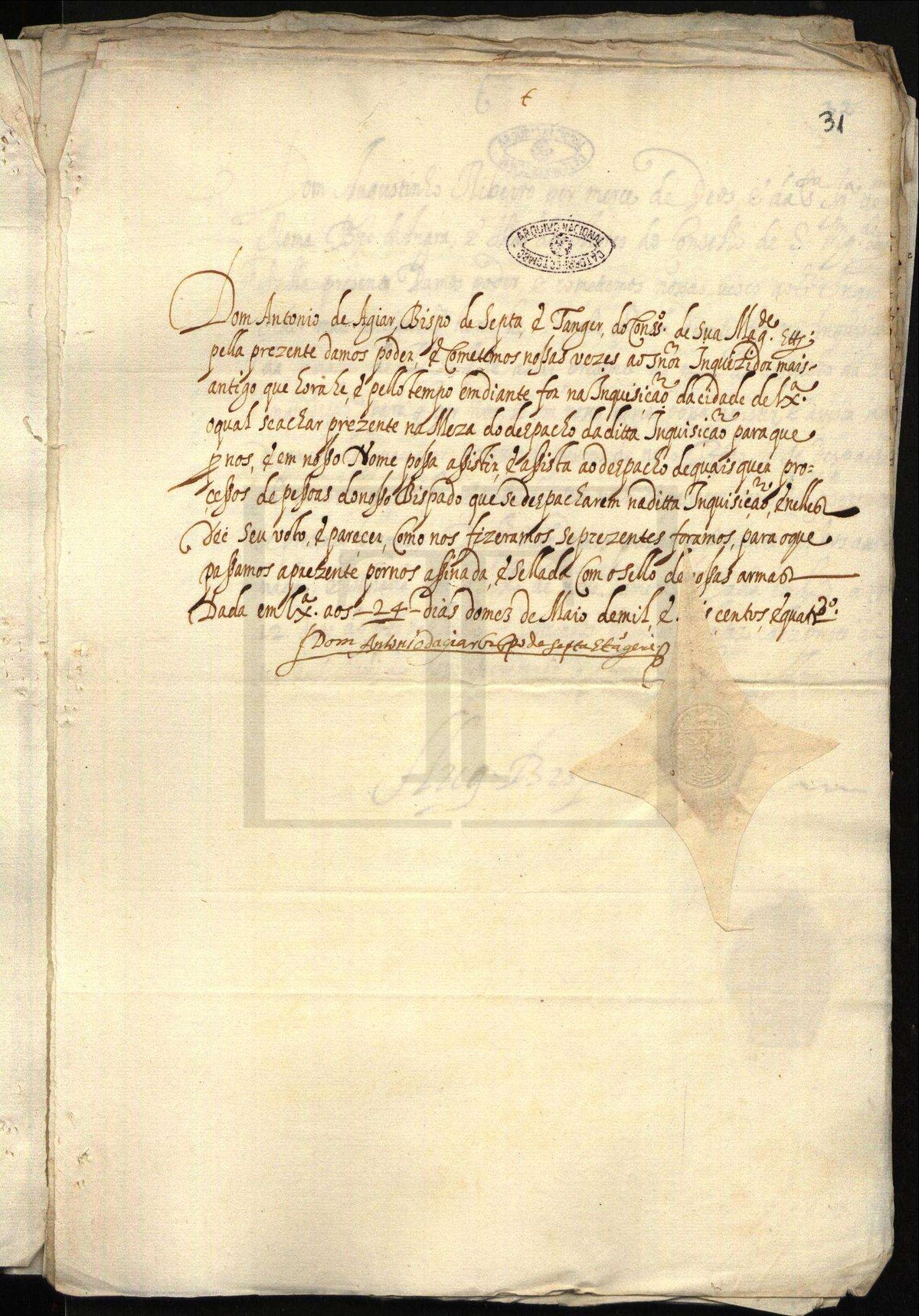
- Inquisition Records Extensive files providing insight into the Portuguese Inquisition (Lisbon Listicles).
The Archive and the Inquisition
The ANTT holds the most comprehensive documentation on the Portuguese Inquisition (1536–1821), offering researchers and visitors a sobering look into the mechanisms of religious persecution and its impact on Portuguese society (Lisbon Listicles).
Planning Your Visit
Opening Hours
- Tuesday to Friday 9:00 AM – 5:00 PM
- Saturday 9:00 AM – 1:00 PM
- Closed Sundays and Mondays
Tickets and Admission
- General Admission Free to all visitors.
- Guided Tours/Special Exhibitions May require advance booking and a small fee.
Accessibility
- Wheelchair Accessible Ramps and elevators throughout the building.
- Assistance Available upon request for visitors with special needs.
Guided Tours and Special Events
- Languages Tours available in Portuguese and English.
- Booking Advance booking recommended for group tours and workshops.
- Events Check the official website and social media for updates on temporary exhibitions and educational programs.
Travel Tips and Nearby Attractions
- Location Alvalade district, easily reached by metro (Cidade Universitária, Campo Grande) and bus.
- Nearby Castelo de São Jorge, National Museum of Ancient Art, Gulbenkian Museum, Alfama and Baixa neighborhoods.
- Photography Allowed in designated areas; please respect signage and staff advice.
Architectural and Symbolic Features
The 1990 Torre do Tombo building is a landmark of postmodern Portuguese architecture, conceptualized as a “temple of memory.” Its massive limestone facades, sculptural gargoyles, and fortress-like design symbolize the permanence and protection of national memory (getLISBON, lida.pt). The building’s “H” plan alludes to “História” (History), and its innovative engineering ensures the safeguarding of documents even in the event of a major disaster.
The Monumental Gargoyles
Eight abstract limestone gargoyles, each weighing approximately 18 tons, serve both as rainwater spouts and symbolic guardians. Designed by José Aurélio, they are an architectural and sculptural highlight (getLISBON, lida.pt).
Preservation and Digital Access
The ANTT is at the forefront of preservation and digitization, providing remote access to thousands of documents via the DIGITARQ catalog and other platforms. This commitment ensures global access for genealogists, scholars, and history lovers (Tombo.pt).
Frequently Asked Questions (FAQ)
Q: What are the visiting hours?
A: Tuesday to Friday: 9:00 AM–5:00 PM; Saturday: 9:00 AM–1:00 PM; closed Sundays and Mondays.
Q: Is admission free?
A: Yes, general admission is free. Guided tours and special exhibitions may require tickets.
Q: How do I book a guided tour?
A: Book in advance via the official website or at the entrance.
Q: Is the archive accessible for visitors with disabilities?
A: Yes, the building is fully accessible.
Q: Can I take photographs?
A: Yes, in designated public areas.
Q: What are nearby attractions?
A: Castelo de São Jorge, National Museum of Ancient Art, Gulbenkian Museum, and Lisbon’s historic neighborhoods.