
Origins and Historical Background
Pieter Jelles Troelstra (1860–1930) was a lawyer, journalist, and poet who emerged as a leading force in the Dutch labor movement. As co-founder and long-time leader of the SDAP, Troelstra championed social reforms, workers’ rights, and universal suffrage, contributing significantly to the Netherlands’ transition to a modern welfare state (Britannica).
A dramatic episode in Troelstra’s career was the failed “Red Week” revolution attempt in 1918, inspired by socialist uprisings in neighboring Germany. Although the attempt did not succeed, Troelstra’s influence endured, with his vision shaping key reforms such as unemployment insurance and old-age pensions (BKDH; Wikipedia).
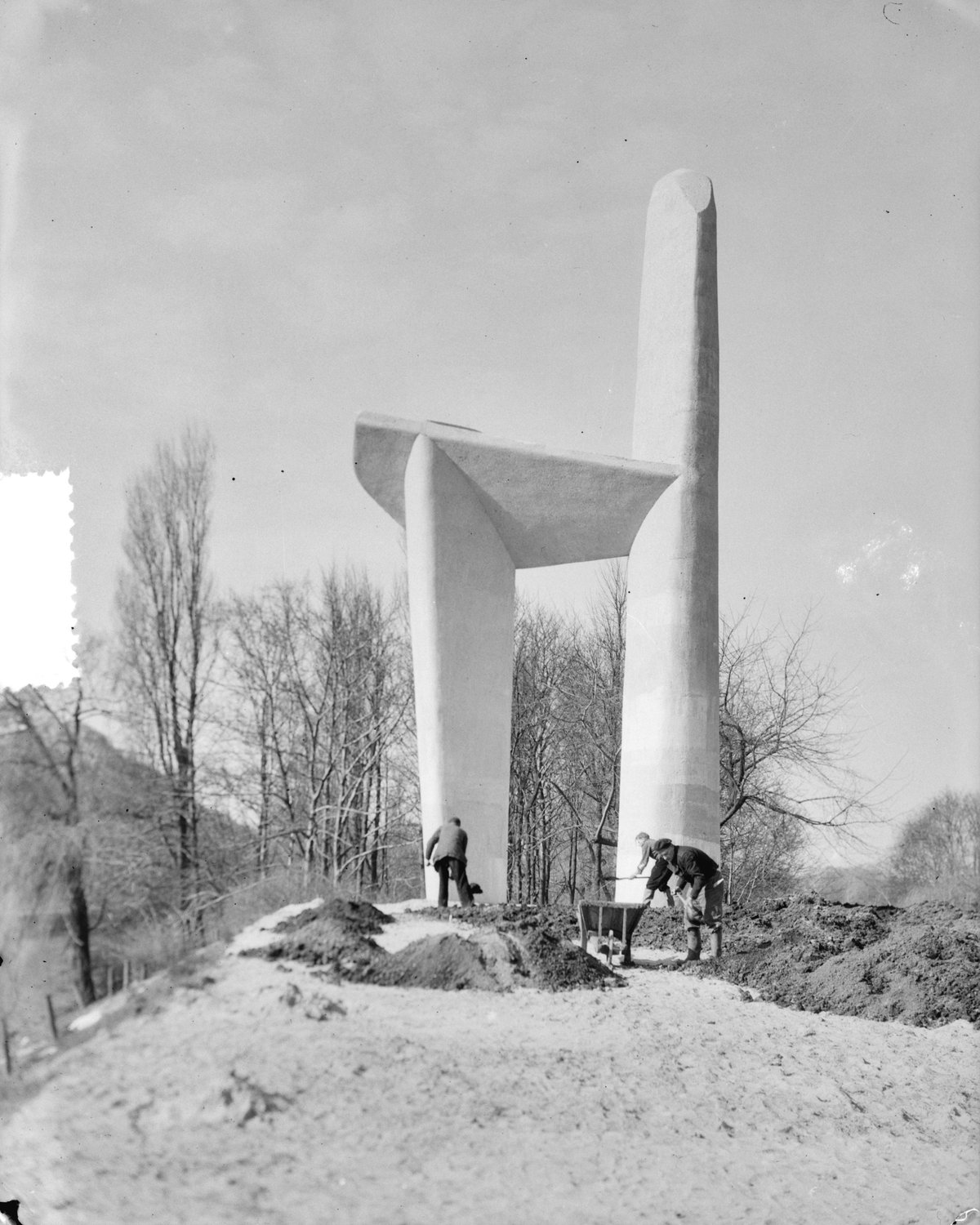
After Troelstra’s death in The Hague in 1930, the local Labour Party and civic groups called for a memorial, culminating in the monument’s unveiling in 1953. The choice of Westbroekpark for the site underscores Troelstra’s deep connection to the area, where he lived and worked for many years (Wittebrugpark).
Artistic Features and Symbolism
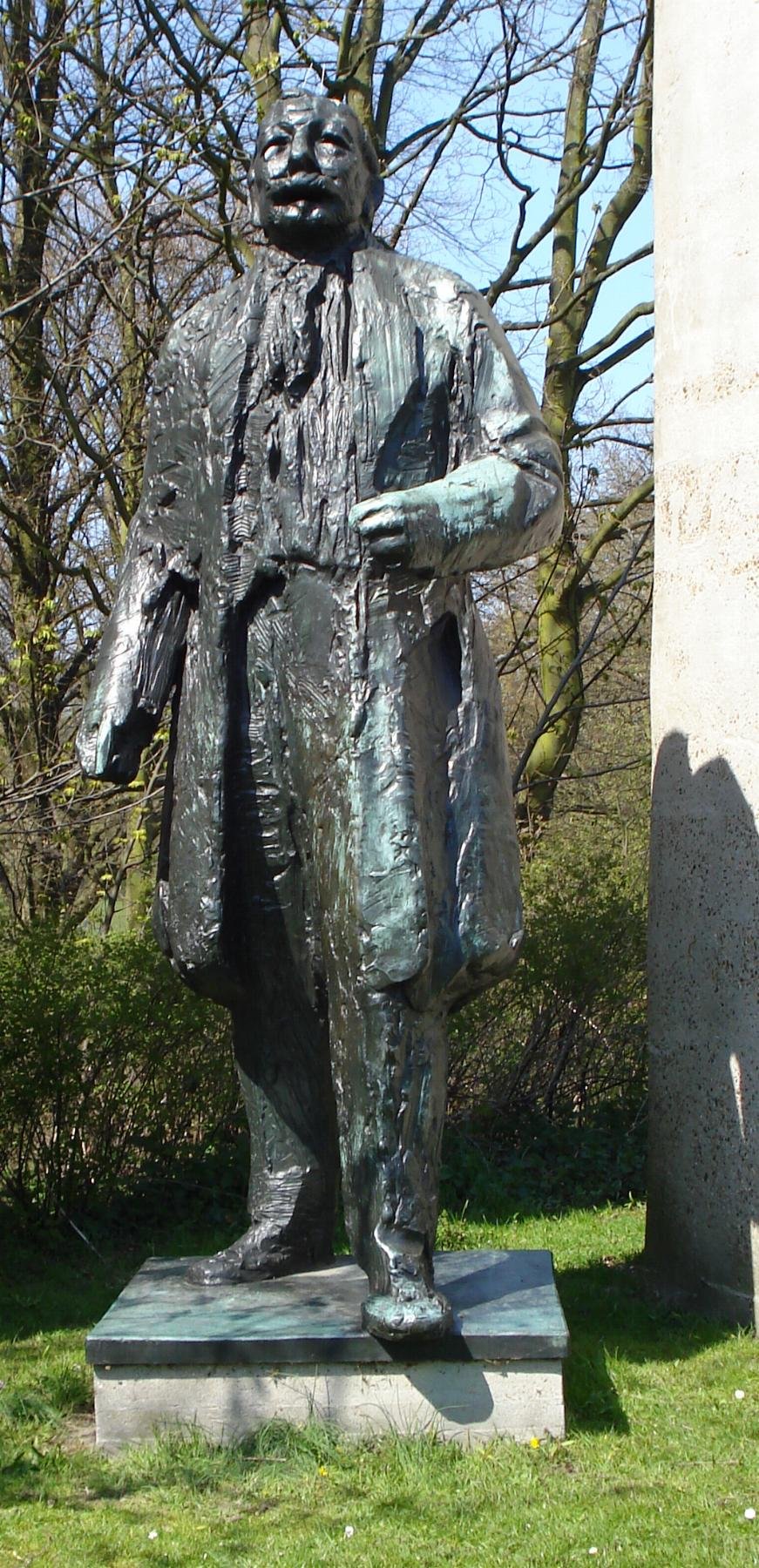
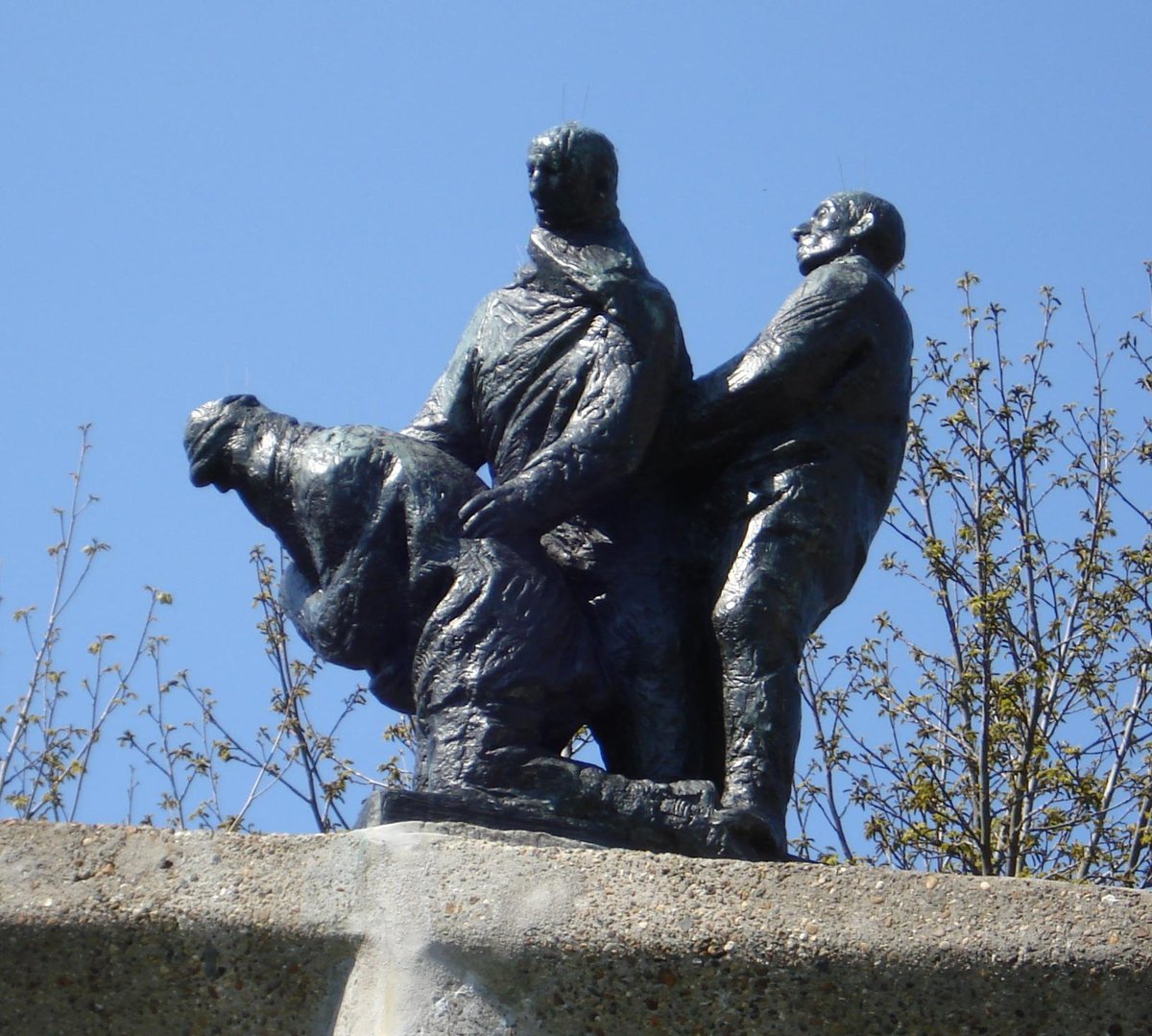
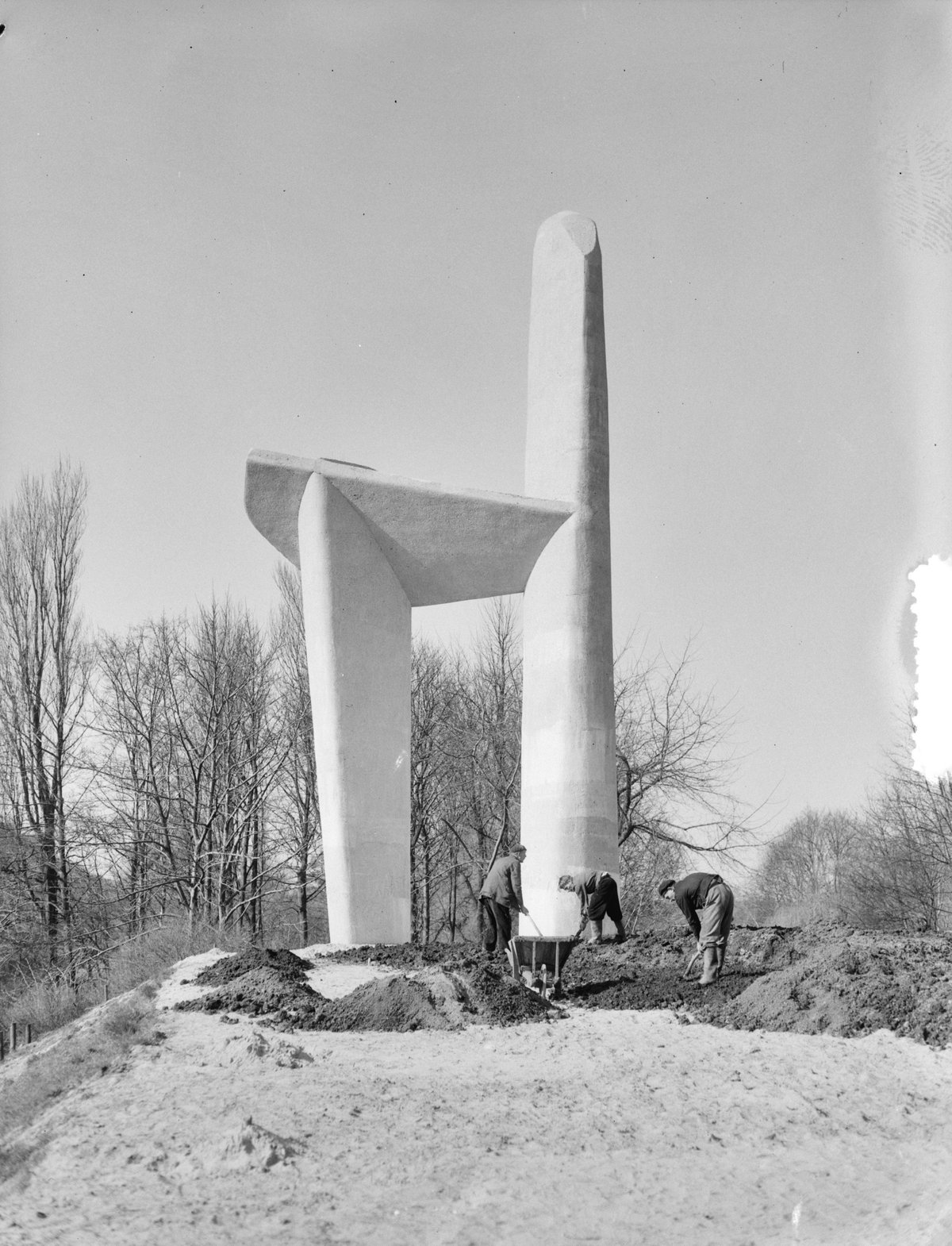
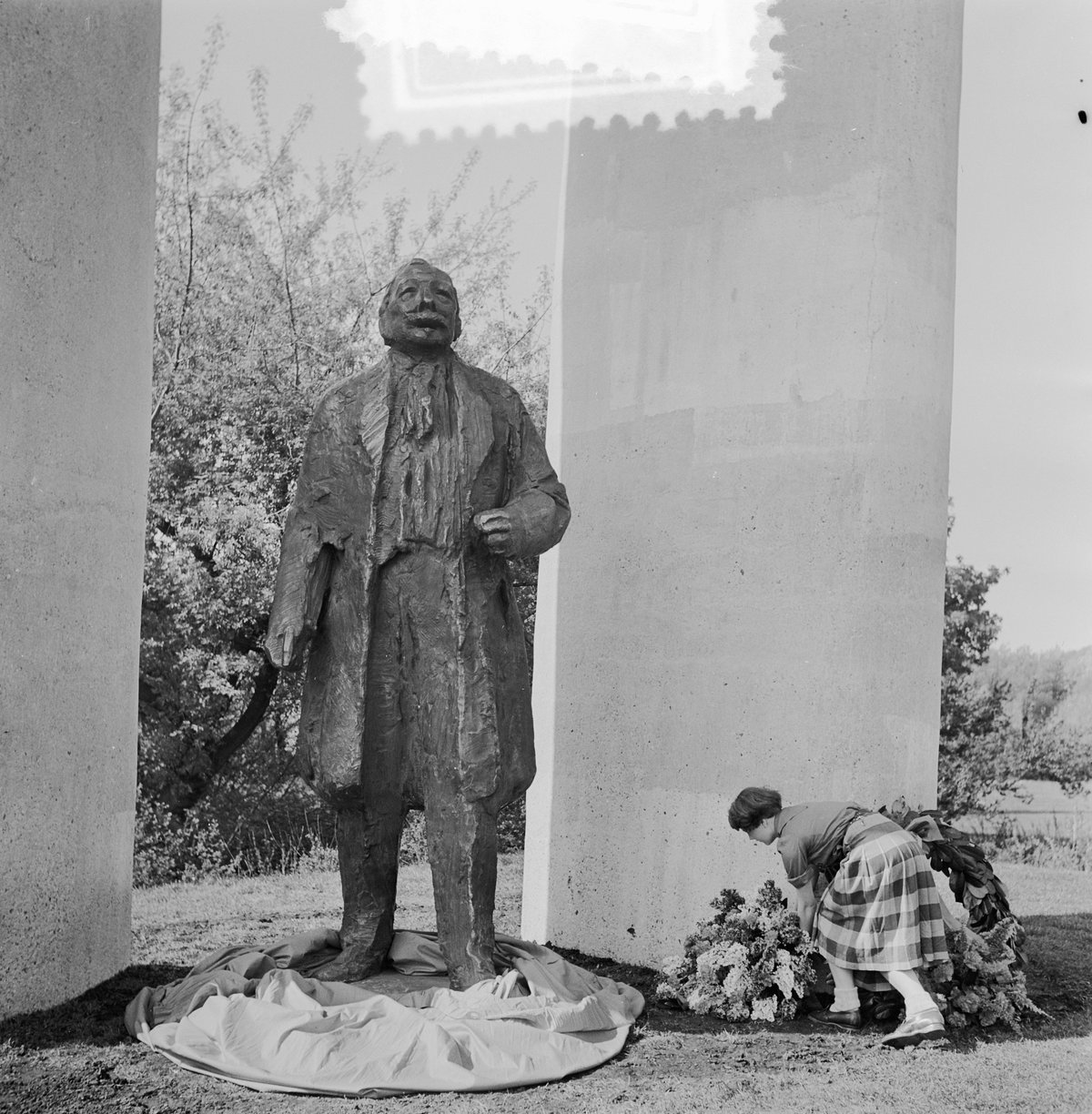
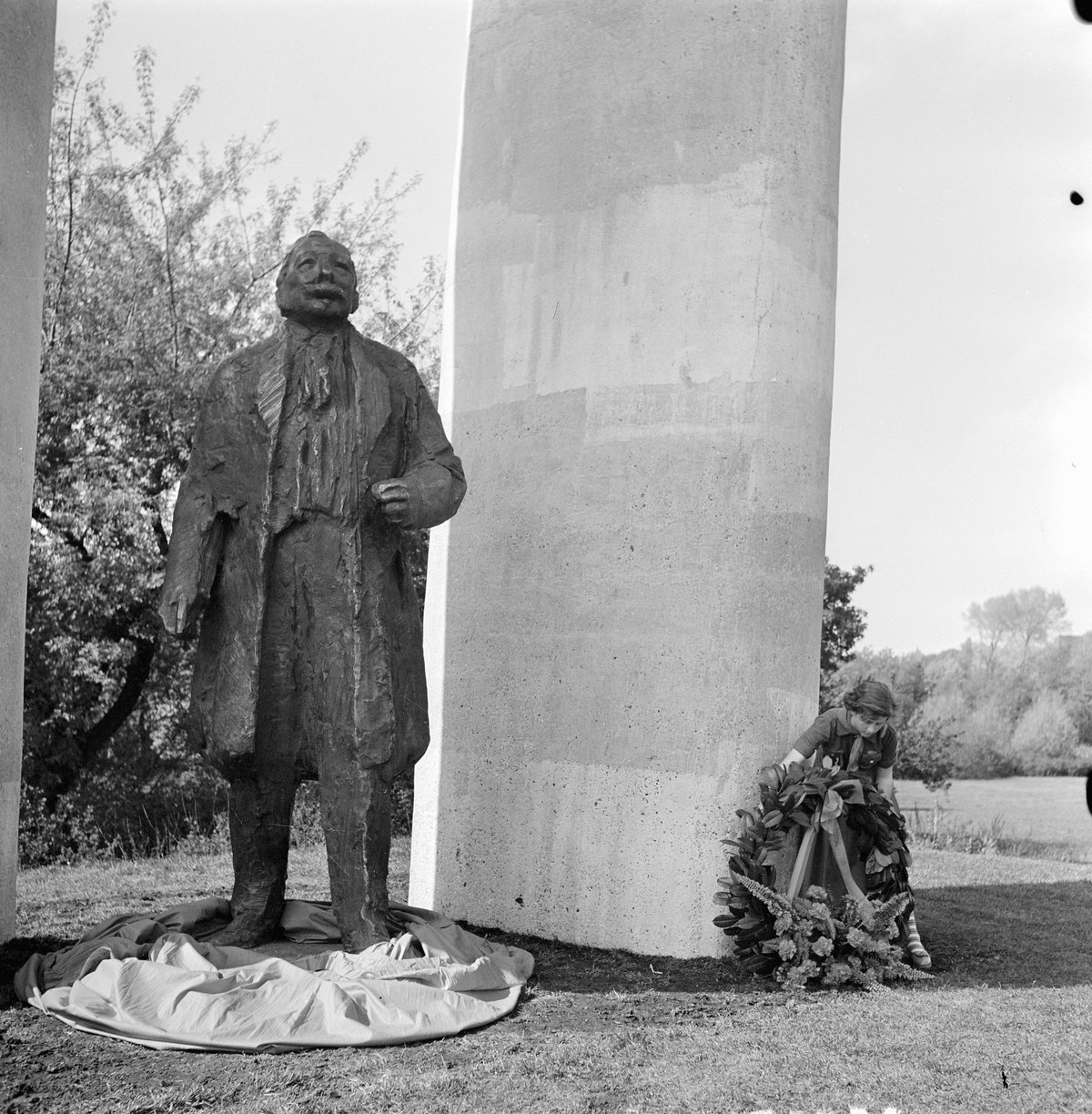
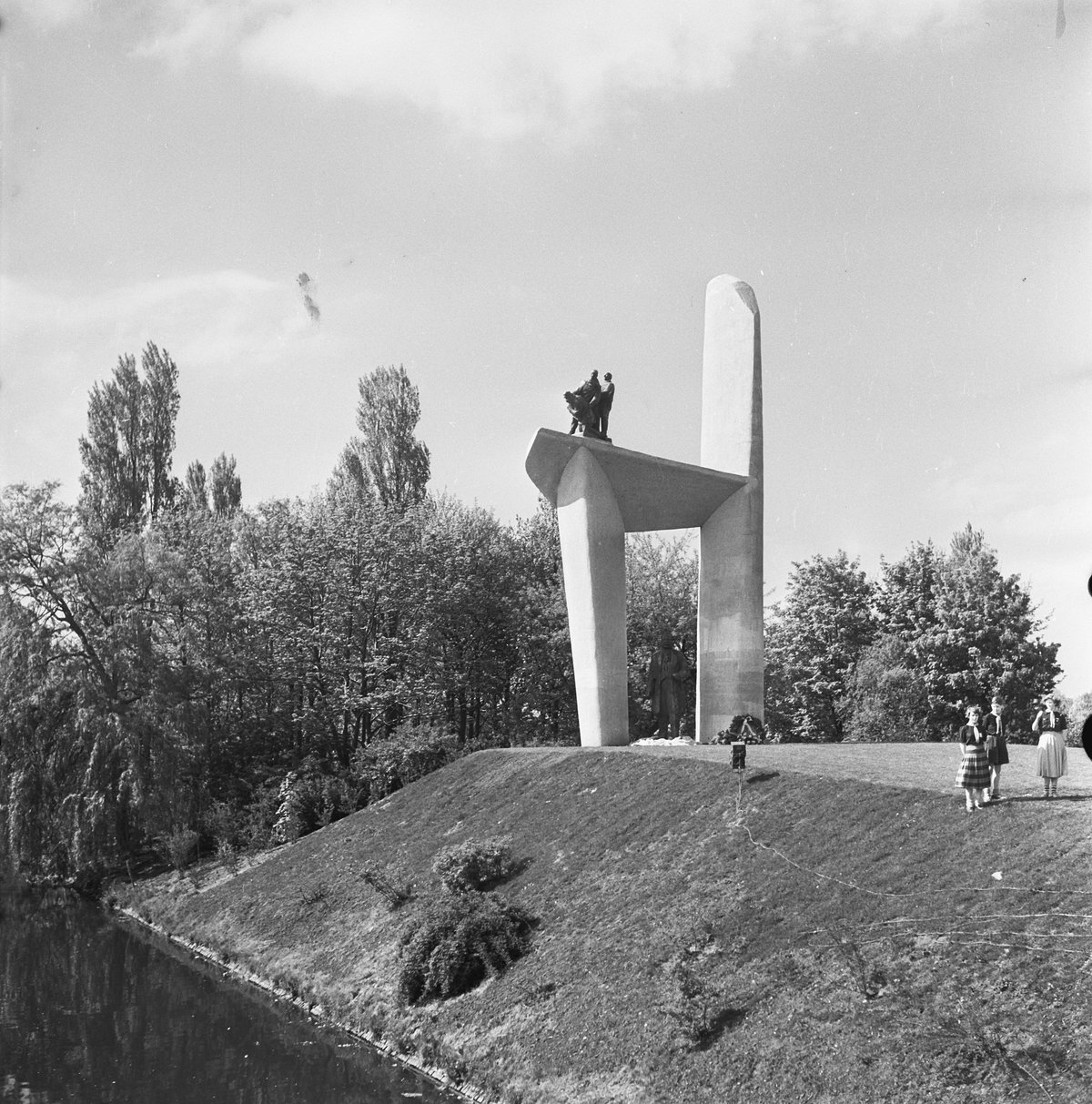
The Troelstra Memorial, crafted by Piet Esser, is an expressive bronze-and-concrete sculpture standing 15 meters tall. Troelstra is depicted as a resolute orator, stepping forward from an open gate, symbolizing his ongoing leadership and the drive for emancipation. Three additional bronze figures above the main sculpture represent worker solidarity and the struggle for social justice (BKDH).
The monument’s design reflects the ideals of the Dutch labor movement. Its prominent location in Westbroekpark, surrounded by gardens and water, encourages visitors to reflect on the history of social progress in the Netherlands. The site is particularly significant during annual May 1st (Labour Day) commemorations, when songs such as “The Internationale” and “Morgenrood” are performed in honor of Troelstra’s legacy.
Visiting Information: Hours, Tickets, and Accessibility
Location
- Address Westbroekpark, Scheveningen district, The Hague, Netherlands
- GPS Coordinates 52.1018584375764, 4.29400376040613 (BKDH)
Opening Hours and Tickets
- Opening Hours The park and memorial are open year-round, 24 hours a day. There are no gates or restrictions.
- Tickets/Fees No ticket or entry fee is required. The memorial is a free public attraction (Nomadic Matt).
Accessibility
- Wheelchair Access Wide, paved paths throughout Westbroekpark ensure accessibility for wheelchairs and mobility aids (Den Haag Accessible).
- Facilities Benches for rest are available near the memorial; accessible toilets can be found at nearby park cafes or main entrances.
- Transport Trams 1 and 9 from The Hague Central Station provide easy access to Scheveningen and Westbroekpark (Destination Abroad). Cycling is also a popular, scenic option (Facts.net).
Events and Activities
- Labour Day (May 1st) Annual commemorations include speeches, music, and the singing of socialist anthems, drawing visitors and activists to honor Troelstra’s enduring legacy (BKDH).
- Park Activities Westbroekpark is known for its rose garden (blooming June–November), boating, cycling, and walking trails (Nomadic Matt).
Nearby Attractions
- Scheveningen Beach A vibrant seaside district with a boardwalk, pier, and restaurants (Earth Trekkers).
- Madurodam A miniature park showcasing Dutch landmarks, popular with families (Nomadic Matt).
- Kunstmuseum Den Haag Home to art by Mondriaan, Monet, and others (Rachel IRL).
- Binnenhof and Mauritshuis The political heart of the Netherlands and a world-class art museum (Made for Travellers).
Practical Visitor Tips
- Best Season April–October, especially when the rose gardens are at their best.
- Weather Bring a rain jacket or umbrella—showers are possible year-round.
- Language Dutch is spoken, but English is widely understood.
- Currency Euro (EUR); most vendors accept cards, but small cash is useful.
- Respect The memorial is a site of historical significance. Please be mindful, especially during events or commemorations.
Frequently Asked Questions (FAQ)
Q: What are the visiting hours for the Troelstra Memorial?
A: Open year-round, 24 hours a day.
Q: Is there an entrance fee or ticket required?
A: No, it is free to visit.
Q: Are guided tours available?
A: Occasional guided tours are offered by local tourism offices; check ahead for availability.
Q: Is the memorial wheelchair accessible?
A: Yes, the main paths and the area around the memorial are wheelchair-friendly.
Q: When is the best time to visit?
A: Late spring through early autumn, especially when the rose gardens are in bloom.
Discover More
The Troelstra Memorial is not only a striking work of public art but also a living reminder of the Netherlands’ commitment to social justice and democratic values. Its accessible location in Westbroekpark, free admission, and proximity to other key attractions make it a must-see for anyone interested in Dutch history, politics, or culture. Plan your visit during the blooming rose season or on Labour Day to experience the memorial’s full cultural significance.
For a richer experience, consider joining a guided tour or exploring more about Troelstra and the Dutch labor movement through mobile resources or the Audiala app. Stay informed on special events by following official tourism sites and social media channels.