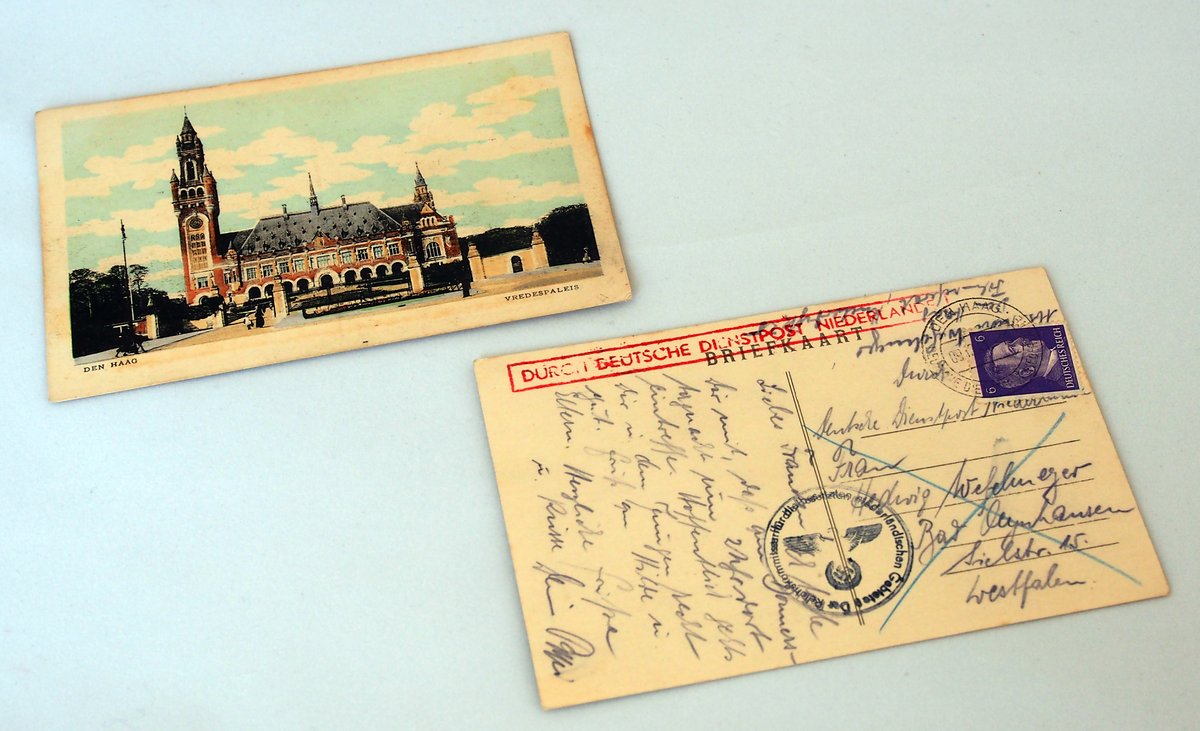
The Hague’s Historical Background
Founded in the 13th century as a hunting lodge for the Counts of Holland, The Hague developed into a royal residence and government center. It is home to the Binnenhof, the seat of Dutch Parliament (Amy’s Morning Brew). The city expanded rapidly during the Dutch Golden Age, with elegant homes and civic buildings in a variety of architectural styles (The Hague Center – Wikipedia).
The city’s architecture reflects influences from Baroque mansions to Art Nouveau facades. Known as “The City of Peace and Justice,” The Hague is home to the International Court of Justice and numerous embassies, contributing to its multicultural atmosphere.
What to See
Prinsegracht Canal
Prinsegracht, or “Prince’s Canal,” was established in the early 1600s to facilitate trade and urban expansion. Its banks have 17th- and 18th-century canal houses with ornate facades and classic Dutch gables. The canal played a central role in the city’s commercial and social life (The Hague Center – Wikipedia).
The historic houses and canal offer photographic opportunities, especially at sunrise or sunset. The canal and its walkways are open to the public 24/7.
Magazijn Hollandia
Built in 1908 as a hypermodern department store, Magazijn Hollandia is a prime example of Vienna Secession architecture in the Netherlands. Designed by A.W. Meyneken, it featured steel construction, open retail spaces, and large display windows—innovations for its time (Staedion; Rijksmonumenten; Monumentenzorg Den Haag).
The building is a Rijksmonument (national monument). Its restoration demonstrates the city’s commitment to heritage preservation and adaptive reuse (Rijksmonumenten). The facade and ground-floor commercial spaces can be viewed from the street at any time.
Magazijn Hollandia: History, Visiting Hours, and Visitor Information
After closing as a department store in 1954, Magazijn Hollandia was repurposed for industrial and residential use. A major restoration in 1987–1988 restored original features, including the steel framework and decorative facade.
The interior is generally not open to the public, except during special events or open days announced in advance. The upper floors are private residences.
Practical Visiting Information
Hours, Tickets, and Accessibility
- Prinsegracht The canal and walkways are public and accessible 24/7.
- Magazijn Hollandia exterior The building can be viewed from the street at any time, year-round.
- Interior access Generally unavailable to the public except during announced special events or open days.
- Tickets No tickets are required to view the exterior. Event tickets, if applicable, are announced on the official website.
- Ground-floor commercial spaces Typically operate Monday to Friday, 9:00 AM to 5:00 PM.
- Accessibility Smooth pavements and accessible public transport stops make the canal area easy to navigate. The street and ground-floor spaces are wheelchair accessible.
Several local operators offer guided walking tours that include Prinsegracht and its history and architecture. There are no regular tours inside Magazijn Hollandia, but walking tours of The Hague’s historic center may stop at the building’s exterior.
Getting There and Local Amenities
Prinsegracht is accessible by tram lines 1, 9, and 11, or by bus, bike, and on foot from the city center. Limited metered parking is available, and Q-Park garages are nearby. Cafes, shops, and public restrooms are available in the area. Dutch is the main language, but English is widely spoken.
Practical Travel Tips
Daylight hours are ideal for viewing architectural details. Early morning or late afternoon offers optimal lighting for photography. Visitors can explore the canals and historic streets on foot or by bike.
For current information on special events or guided tours, consult official resources and local event calendars. The Audiala app offers curated tours and up-to-date travel tips.
Kortenbos Neighborhood and Nearby Attractions
Magazijn Hollandia is in the lively Kortenbos neighborhood, characterized by narrow medieval streets and a range of cultural sites:
- Binnenhof The Dutch seat of government.
- Mauritshuis Museum A collection of Dutch Golden Age paintings.
- Design Museum Dedel Dutch design history.
- Grote Markt A square with cafes and shops.
- Canal walks Scenic canals and historic streets to explore on foot or by bike.
Frequently Asked Questions (FAQ)
Q: What are the visiting hours for Magazijn Hollandia?
A: The exterior is viewable from the street at any time. Ground-floor commercial spaces typically operate Monday to Friday, 9:00 AM to 5:00 PM.
Q: Is there an admission fee or are tickets needed?
A: There is no fee to view the exterior. Event tickets are required only during special openings.
Q: Can I enter the building’s interior?
A: The interior is generally private, except during announced events or open days.
Q: Is Magazijn Hollandia wheelchair accessible?
A: The street and ground-floor spaces are accessible. The upper floors are private residences.
Q: Are guided tours available?
A: There are no regular tours inside Magazijn Hollandia, but several walking tours of The Hague’s historic center include stops at the building’s exterior.
Q: What are the best nearby attractions?
A: Binnenhof, Mauritshuis, Design Museum Dedel, Grote Markt, and scenic canal walks.