The Den Haag Ring Road: Urban Gateway to The Hague
Structure and Key Components
The Den Haag Ring Road (Centrumring or Ring Den Haag) is a network of interconnected roads, boulevards, and tunnels encircling the city center. It links major highways (A4, A12, A13, A44) with central districts, creating seamless access between the urban core and surrounding regions. Notable segments include:
- Rotterdamsebaan A modern corridor connecting the Ypenburg interchange to the Centrumring at Binckhorstlaan, with the advanced Victory Boogie Woogietunnel enhancing traffic flow (Den Haag Municipality - Rotterdamsebaan).
- Johan de Wittlaan and President Kennedylaan Key arteries offering access to highways and venues such as the World Forum (NL Times).
- Hubertustunnel A vital underpass reducing surface traffic and preserving the cityscape.
The ring incorporates entry and exit points, public transit corridors, cycling lanes, and pedestrian paths—making it an all-encompassing urban mobility solution.
Historical Development
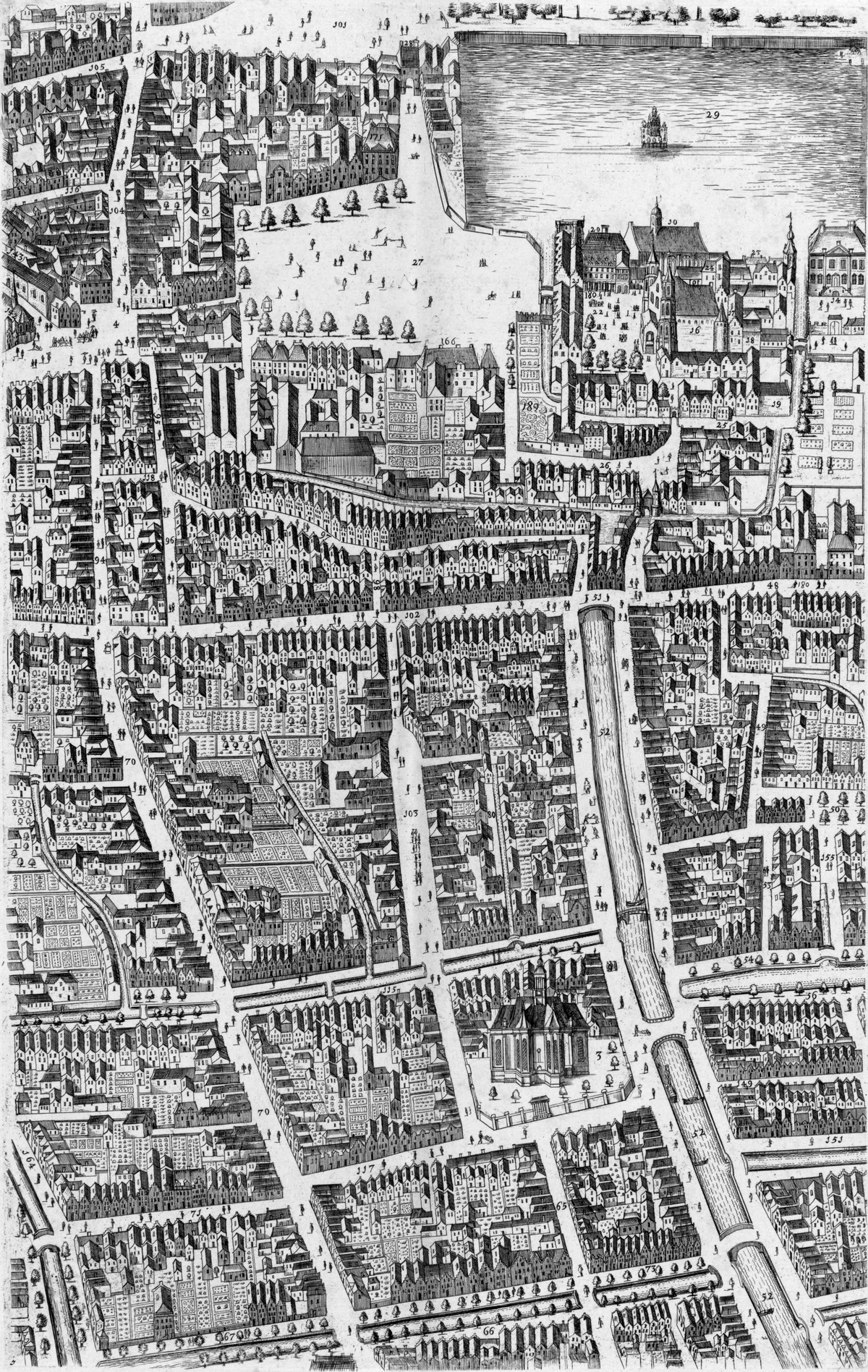
The Hague’s urban design diverged from the canal-centric plans of other Dutch cities. As the administrative capital since the 13th century, it expanded through road infrastructure rather than waterways. Major canal infill between 1910 and 1970 enabled the creation of broad boulevards and the ring road. The late 20th and early 21st centuries saw the addition of sustainable and intelligent transport projects, such as the Victory Boogie Woogietunnel, reflecting the city’s commitment to balancing heritage with modern mobility (Den Haag Municipality - Rotterdamsebaan).
Exploring The Hague’s Historical Core
Must-Visit Sites
- Binnenhof and Ridderzaal The historical and political centerpiece, offering guided tours.
- Mauritshuis Museum Hosts masterpieces like Vermeer’s "Girl with a Pearl Earring."
- Peace Palace An emblem of international justice, open for guided tours.
- Scheveningen Beach Accessible via the ring road and tram lines, ideal for seaside relaxation.
Check official attraction websites for up-to-date visiting hours and ticket booking options.
Origins of Urban Structure
The Hague’s urban blueprint began with the Ridderzaal, built in the 13th century. Surrounding this core, palatial neighborhoods evolved, mirroring the divide between nobility and working residents. Today, preserved landmarks and modern infrastructure illustrate the city’s unique blend of tradition and innovation (The Hague Tourism).
Navigating The Hague: Travel Tips and Accessibility
By Car
- Use the ring to enter the city with minimal detours, but expect peak-hour congestion and event-related closures—especially around the NATO Summit (Intertraffic).
- Prefer Park & Ride (P+R) facilities at the ring’s edges to avoid costly and limited parking in the center.
By Public Transport
- Trams and buses run parallel to and across the ring, providing direct access to museums, monuments, and the beach.
- Tram lines 1, 9, and 11 connect P+R sites and key attractions (Den Haag Municipality - Getting There and Around).
By Bicycle
- The Hague is a cycling-friendly city, with dedicated lanes and bike-sharing stations at transport hubs.
- Cycle routes link the ring road with historical sites and coastal areas.
Accessibility
- Most public transport vehicles and attractions (including the Peace Palace) are wheelchair accessible (Den Haag - Accessible The Hague).
- Disabled parking is available at central sites with appropriate permits.
Sustainable Mobility and Urban Innovations
- Victory Boogie Woogietunnel A showcase of green engineering with solar-powered operations and energy-efficient systems (Den Haag Municipality - Rotterdamsebaan).
- Smart Traffic Management Dynamic signal control and real-time monitoring, especially during major events (Intertraffic).
- Urban Redevelopment Post-event redesigns and new cycling infrastructure enhance green spaces and promote sustainable travel (NL Times, destinationabroad.co.uk).
Visitor Information: Hours, Tickets, and Planning
Opening Hours and Tickets
- Den Haag Ring Road Open 24/7 with no tolls or tickets required.
- Historical Sites Hours vary by season; book tickets online for major attractions like the Peace Palace and Mauritshuis.
- Peace Palace Guided tours available Tuesday to Saturday, 10:00–16:00. Book in advance due to limited capacity.
Guided Tours and Photo Opportunities
- Walking and cycling tours are popular for exploring The Hague’s architecture and history.
- Top photo spots include Hofvijver lake, the Peace Palace gardens, and the Scheveningen coastline.
Tips for a Smooth Visit
- Check real-time traffic and event updates via official apps and websites.
- Use navigation apps (Google Maps, Waze, TomTom) for the ring road and tourist sites.
- Be mindful of low-emission zones and cyclist priority rules (Den Haag Municipality - Mobility).
Frequently Asked Questions (FAQ)
Q: Is the Den Haag Ring Road open at all times?
A: Yes, it is open 24/7. Temporary restrictions may occur during major events.
Q: Are there tolls on the ring road?
A: No, but parking near monuments may require payment or permits.
Q: How do I reach key attractions from the ring road?
A: Use P+R facilities and connect via tram lines 1, 9, or 11 to sites like the Binnenhof, Mauritshuis, and Peace Palace.
Q: Is the ring road suitable for cyclists and pedestrians?
A: Yes, it includes safe cycling lanes and pedestrian pathways.
Q: Where can I find maps or virtual tours?
A: Official tourism and municipality websites offer interactive maps and guides.