


Place
Netherlands Updated Oct 2026
The first surprise in The Hague, Netherlands, is how quickly the sound changes: tram bells and bicycle tires give way to gulls and North Sea surf in about 15–20 minutes. The seat of Dutch government is also home to a royal palace, international courts, Indonesian kitchens and a long beach.
 Photo: Patrick Jaksic / Pexels
Built from cited sources · see the method · How we make our guides →
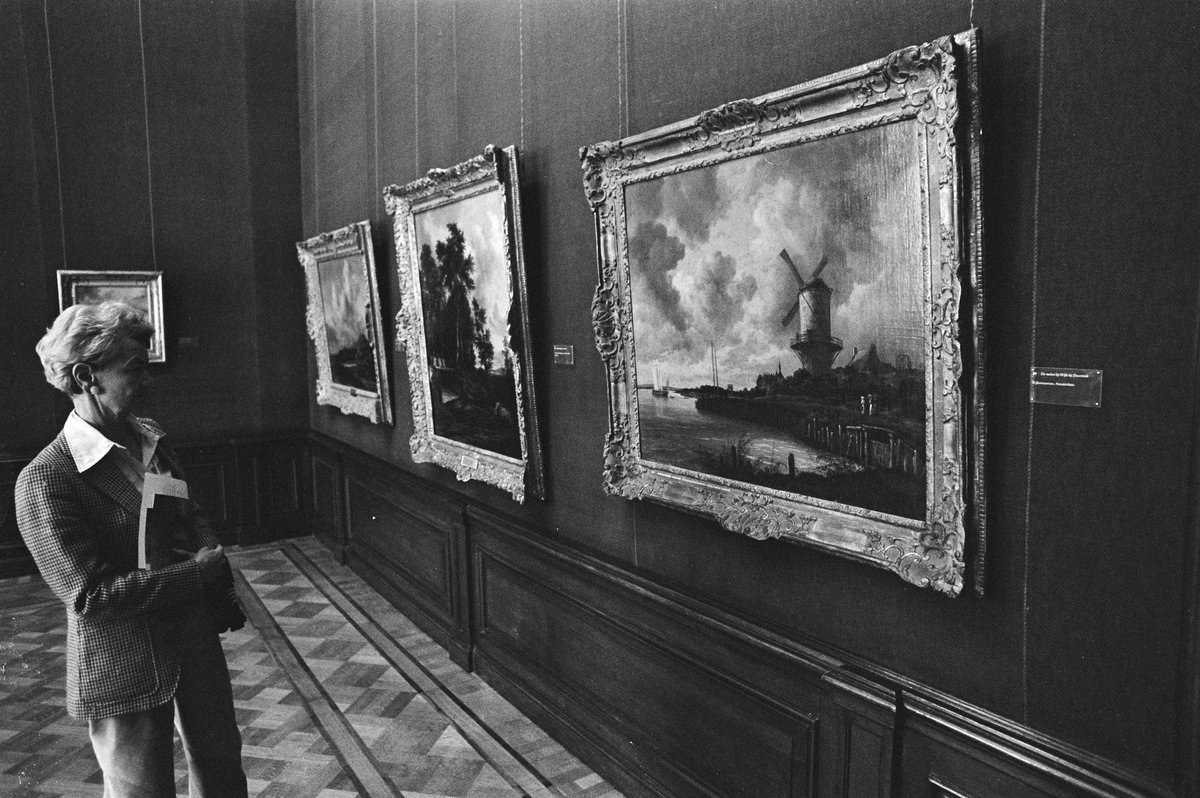
In the historic centre, the Hofvijver reflects the Mauritshuis, where Vermeer’s *Girl with a Pearl Earring* hangs among Dutch Golden Age paintings. Nearby, the Binnenhof—the country’s political heart—is undergoing a major renovation; the work itself has become part of the view from its temporary viewing tower.
The city’s food tells a more complicated story. As an administrative centre for the Dutch East Indies, The Hague drew generations of Indonesian and Indo-Dutch residents; today, a rijsttafel arrives as a spread of fragrant rice, rich rendang and sharp sambals, while Surinamese roti and snacks add another layer to the table.
Art and architecture reward a slower pace: M.C. Escher’s impossible staircases fill a former royal palace, while H.P. Berlage’s Kunstmuseum holds a deep collection of Piet Mondrian. Then the tram reaches Scheveningen, where wind moves over the beach and the Kurhaus faces the sea; the change makes the city’s polished civic centre feel less like its whole story than one chapter.
Not every monument, just the ones we'd walk you past ourselves.
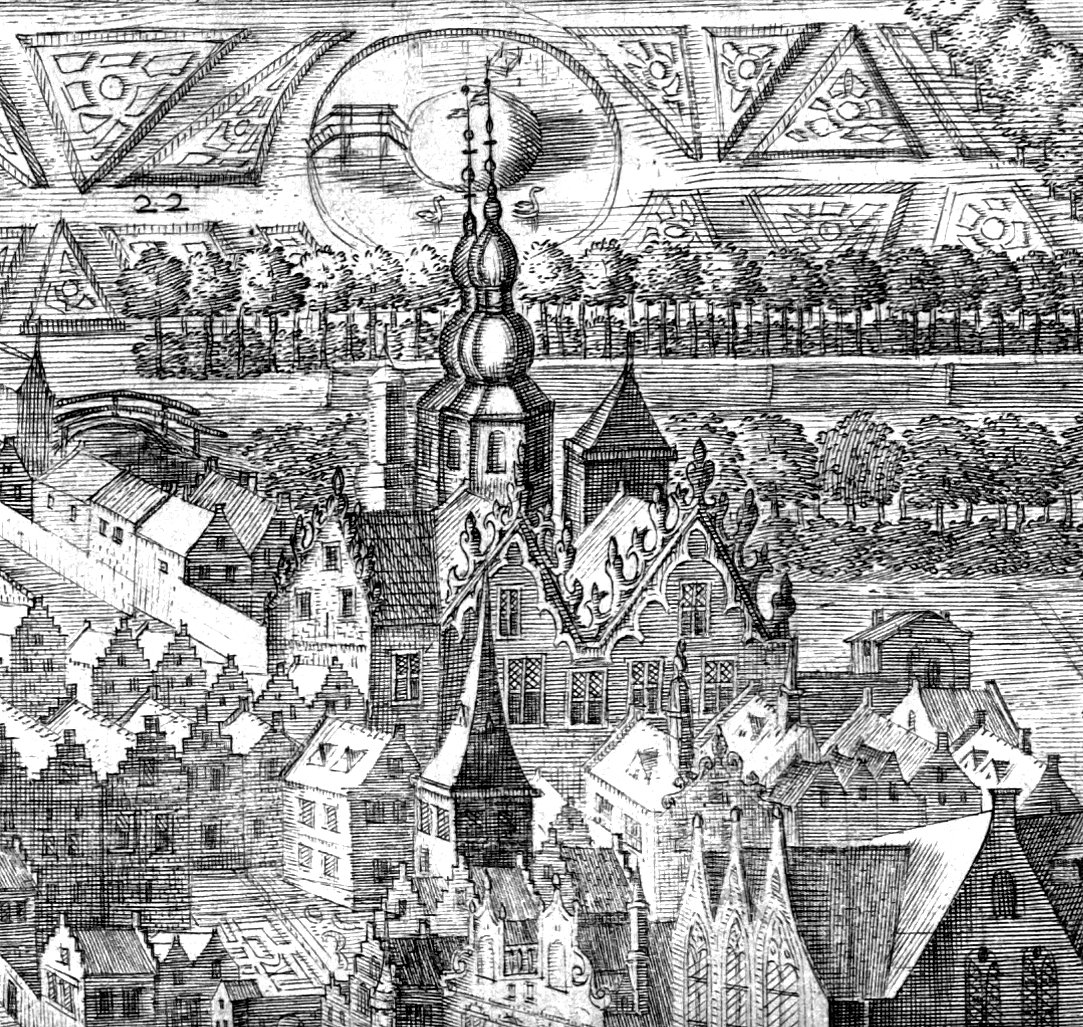
Where to wander, by quarter — each with its own rhythm.
Before you go
Curated from places in this city. Same price as official sites.


Prices shown are indicative — final pricing and availability are confirmed at checkout. Audiala may receive a commission from bookings made via these links.
The Hague grew around a court—and learned to put power on trial.
Excavations at Ypenburg have uncovered traces of Neolithic settlement, when the shoreline lay farther inland than it does today. The earliest Hague was not a town but a patchwork of homes on sandy ground beside shifting water.
In the first centuries CE, Roman forces held the frontier along the Old Rhine, with military activity near the site of modern The Hague. The regional center was Forum Hadriani, now Voorburg; Rome left its mark nearby, but no Roman city grew here.
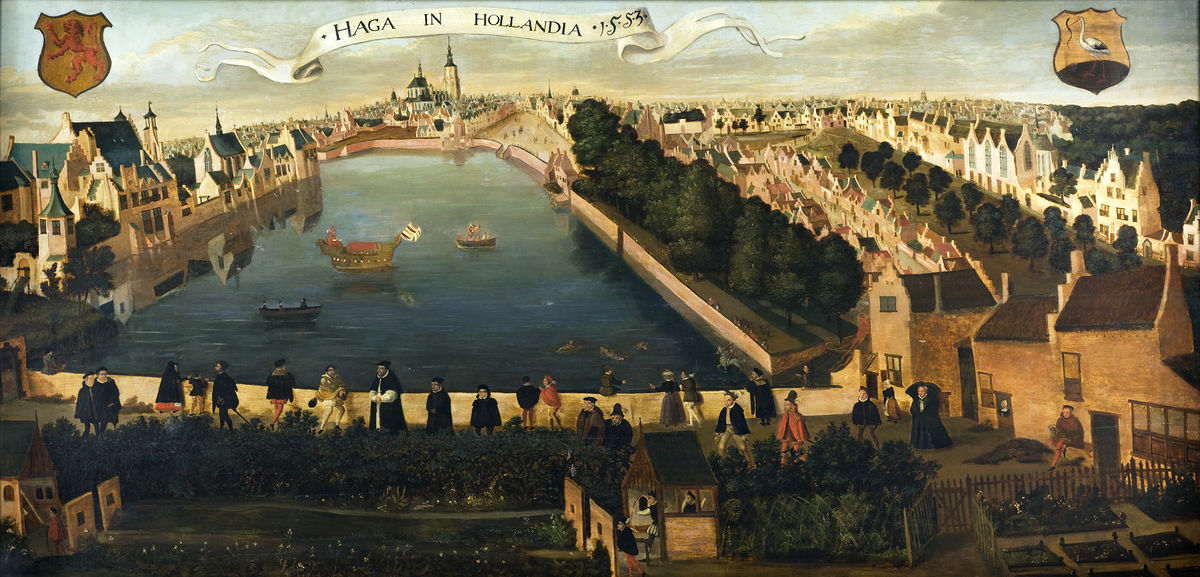
Count Floris IV of Holland acquired an estate beside the Hofvijver, or Court Pond, for a hunting residence. Around that water’s edge, a settlement began to gather around the count’s household.
A charter records the settlement by the Latinized name Haga, an early written trace of what would become The Hague. The name referred to the count’s enclosed woodland estate, not yet to a city with walls or civic rights.
William II, Count of Holland and elected King of the Romans, commissioned a royal palace at the Binnenhof. His building work turned a country residence into a stage for rulership—and gave the future city its enduring political center.
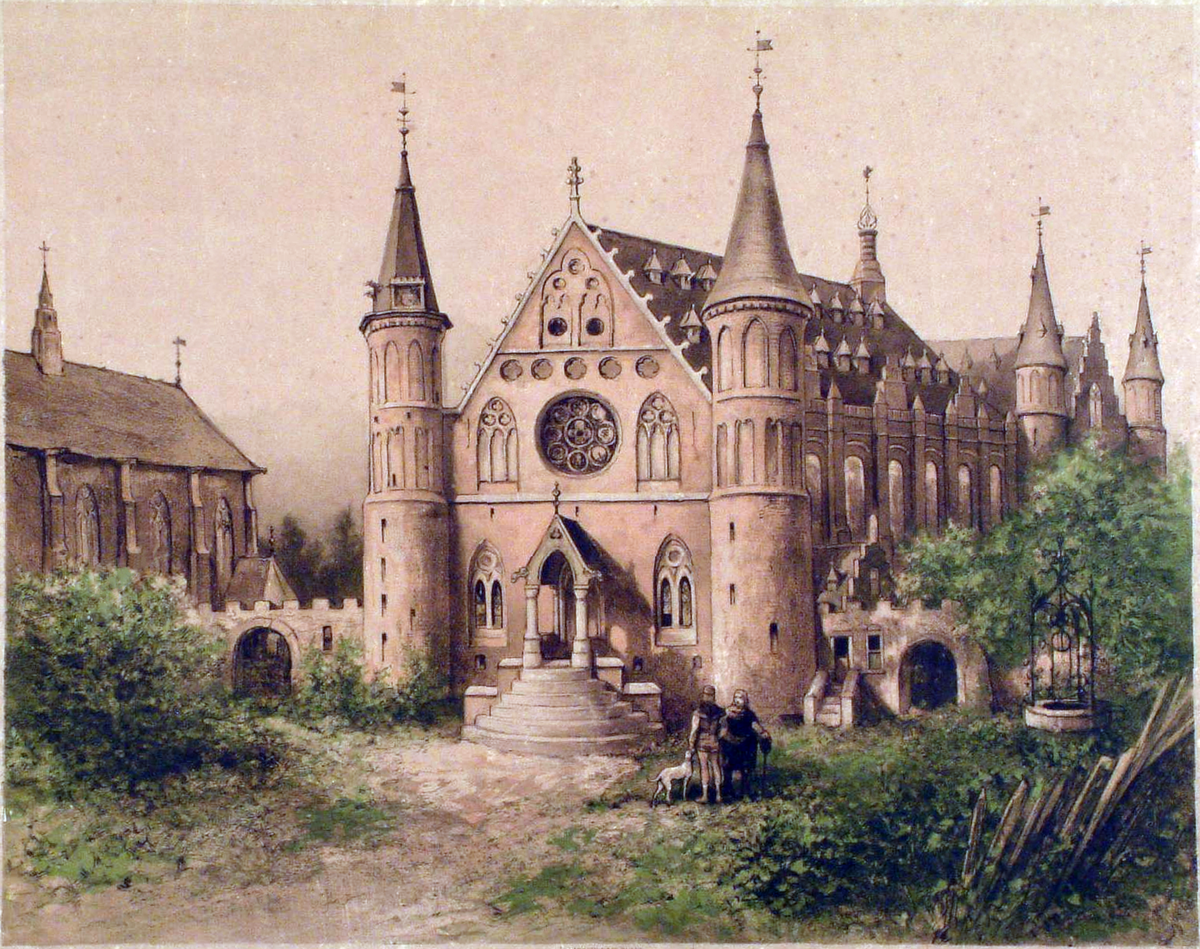
Under Count Floris V, the great hall now called the Ridderzaal took shape within the Binnenhof. Its broad timber roof and immense single chamber made court ceremony visible: authority could gather beneath one roof.
Construction began on the Kloosterkerk near the Lange Voorhout, adding a religious house to a settlement still organized around court and countryside. Its long life would carry the building through the Reformation, changing rulers and changing forms of worship.
Philip the Good, Duke of Burgundy, brought the Order of the Golden Fleece to The Hague for one of its chapter meetings. The Ridderzaal and Grote Kerk supplied the solemn setting, and the gathering showed how a once-local court had become a venue for European power.
Troops commanded by Maarten van Rossum raided and burned parts of the unfortified settlement. The attack exposed the cost of The Hague’s unusual status: the seat of government had no city walls to keep an army out.
After William the Silent was assassinated in nearby Delft, The Hague became the permanent seat of the States-General and the Dutch Republic’s government. The Binnenhof’s rooms, courtyards and galleries now held the machinery of a new state.
Johan van Oldenbarnevelt, the Republic’s leading statesman, was beheaded in the Binnenhof after a bitter struggle with Prince Maurice of Orange. The scaffold stood inside the seat of government: Dutch political conflict had become public, physical and irreversible.
Christiaan Huygens was born in The Hague into a family closely tied to the court and its intellectual circles. He later developed the pendulum clock and made discoveries in astronomy, giving the city a place in the history of science as well as government.
The Mauritshuis was completed as a city residence for Count John Maurice of Nassau-Siegen, beside the Hofvijver and the Binnenhof. Jacob van Campen and Pieter Post gave a Dutch courtier a palace of measured symmetry; its later life as a museum would make those rooms famous for paintings.
Christiaan Huygens devised the pendulum clock in The Hague, and clockmaker Salomon Coster built an early working model. A swinging weight made timekeeping far more precise, with consequences for astronomy, navigation and the daily business of the city.
Baruch Spinoza moved into a house on the Paviljoensgracht, where he spent his final years and worked on his philosophical writings. His rooms were modest; the arguments he shaped there would travel much farther than the city’s courtly decrees.
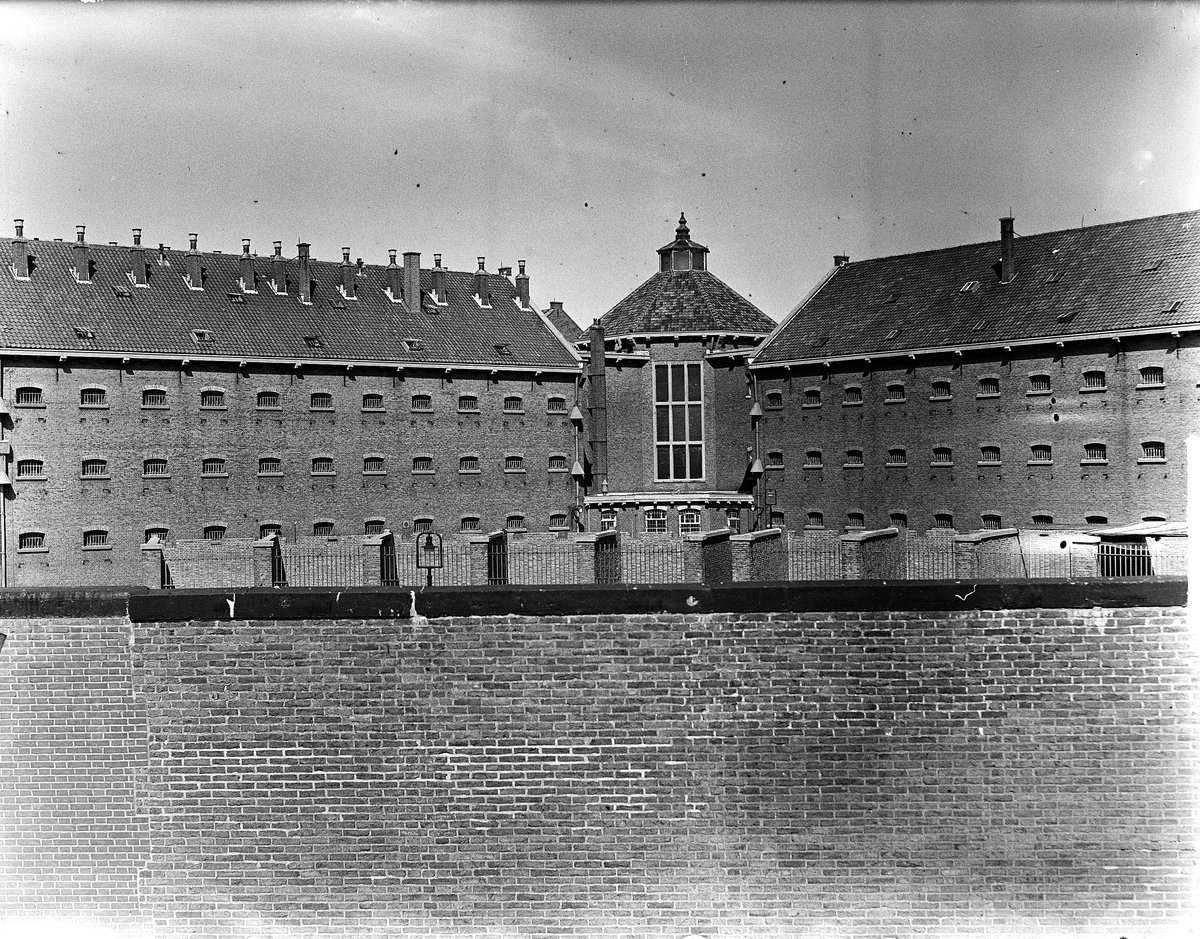
Johan and Cornelis de Witt were dragged from the Gevangenpoort and killed by an Orangist crowd during the Republic’s disastrous year of war and panic. The brothers had governed from the Binnenhof; their deaths outside the prison gates showed how quickly political authority could collapse into street violence.
Prince William V opened his picture gallery to visitors, creating the Netherlands’ first public art gallery. Paintings that had once belonged to a prince could now be studied by a wider public, an idea that would reshape the city’s cultural life.
Louis Bonaparte, king of the Kingdom of Holland, granted The Hague formal city rights. The settlement that had served counts, princes and parliament for centuries finally received the civic status its political weight had long outgrown.
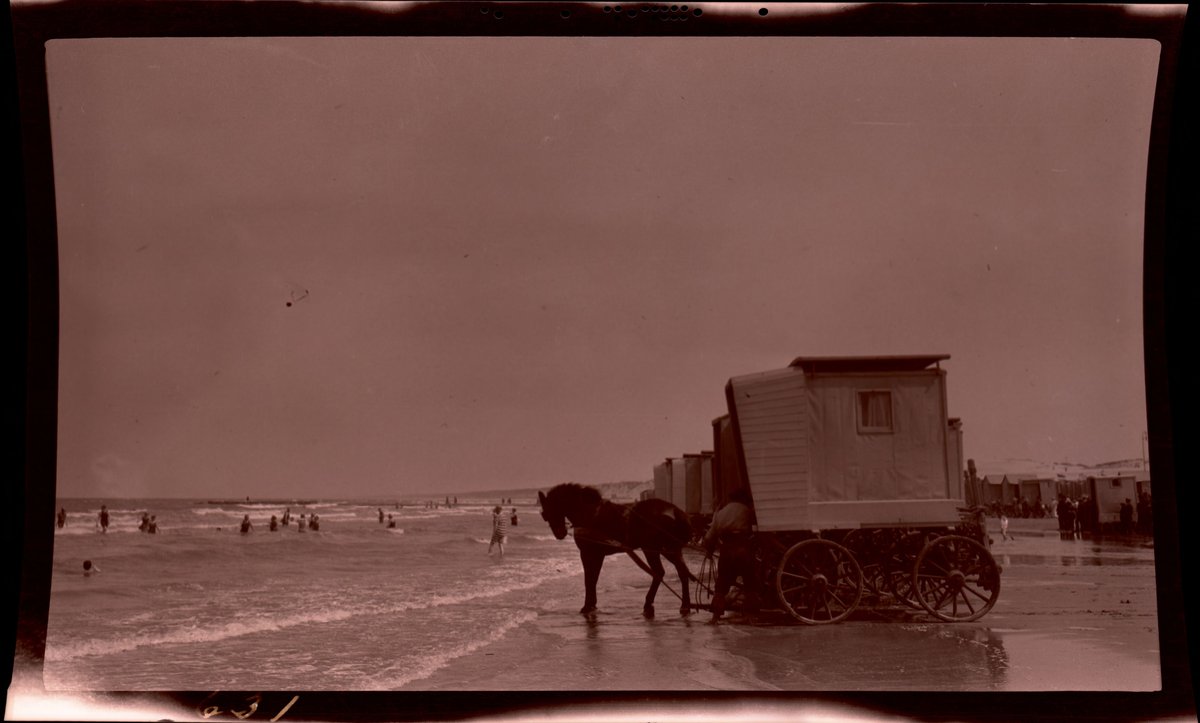
Jacob Pronk opened Scheveningen’s first seaside bathhouse, giving the fishing village a new role as a bathing resort. Salt air and cold water became part of The Hague’s urban life, as visitors began arriving for the shore as well as the court.
Vincent van Gogh returned to The Hague and began a formative period of work, studying with the painter Anton Mauve and drawing the city’s streets and working people. Here, his early practice took shape in pencil, watercolor and oil before he became the painter the world recognizes.
Delegates from 26 countries gathered at Huis ten Bosch for the First Hague Peace Conference, convened at the initiative of Tsar Nicholas II. They agreed rules for warfare and founded the Permanent Court of Arbitration, planting the idea that states could submit disputes to law rather than arms.
The Peace Palace was officially dedicated, built with funding from Andrew Carnegie and designed by French architect Louis M. Cordonnier. Its brick, stone and towered roof gave international law a permanent address in a city already known for diplomacy.
The Gemeentemuseum, now Kunstmuseum Den Haag, opened in a modern brick building designed by H.P. Berlage, who had died the year before. Its quiet geometry offered a fitting home for modern art, including the world’s largest collection of works by Piet Mondrian.
German forces launched an airborne assault on the airfields around The Hague, hoping to seize Queen Wilhelmina and the government. Dutch troops retook the airfields and blunted the attack, but the Netherlands capitulated days later and the occupation began.
German occupiers cleared large areas of The Hague to build the Atlantic Wall, demolishing homes and driving tens of thousands of residents from their neighborhoods. Nazi authorities also deported an estimated 12,000 Jewish residents from the city; most were murdered.
British bombers aiming at German V-2 launch sites in the Haagse Bos dropped their bombs on the residential Bezuidenhout district after a coordinate error. About 532 people died, roughly 3,300 homes were destroyed, and more than 30,000 residents were left homeless.
The United Nations’ International Court of Justice began work at the Peace Palace, carrying the city’s prewar arbitration project into a new institution. Judges now sat where, only a few years earlier, war had reached the surrounding streets.
The United Nations Security Council established the International Criminal Tribunal for the former Yugoslavia in The Hague. The city’s courts would now hear cases examining crimes committed during the Balkan wars, extending its legal role from disputes between states to individual responsibility.
The Rome Statute entered into force and established the International Criminal Court, based in The Hague. Its mandate to prosecute genocide, war crimes and crimes against humanity gave the city a new, contested task: judging individuals accused of the gravest crimes.
The Amare cultural complex opened on Spuiplein, bringing music, dance and theatre into a new city-center venue. That same year, a long renovation began at the Binnenhof, placing the old seat of government behind construction barriers while its political life carried on.
Painter · 1872–1944
Grew up and worked here
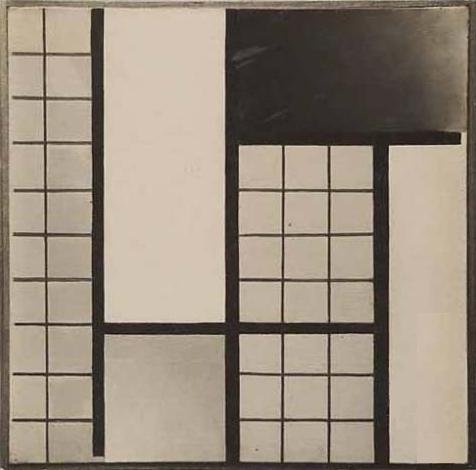
Mondrian grew up in The Hague and established a studio here in 1892, before leaving for Paris in 1911. He might recognize the city’s straight avenues in his own geometry, though today’s towers would offer new shapes.
Painter · 1831–1915
Settled here in 1869
After settling in The Hague, Mesdag turned Scheveningen’s shoreline into a 360-degree panorama with a 120-metre circumference, still displayed in Panorama Mesdag. He might recognize the dunes and North Sea wind in today’s view, even if the resort’s pier has changed the horizon.
Philosopher · 1632–1677
Lived and died here
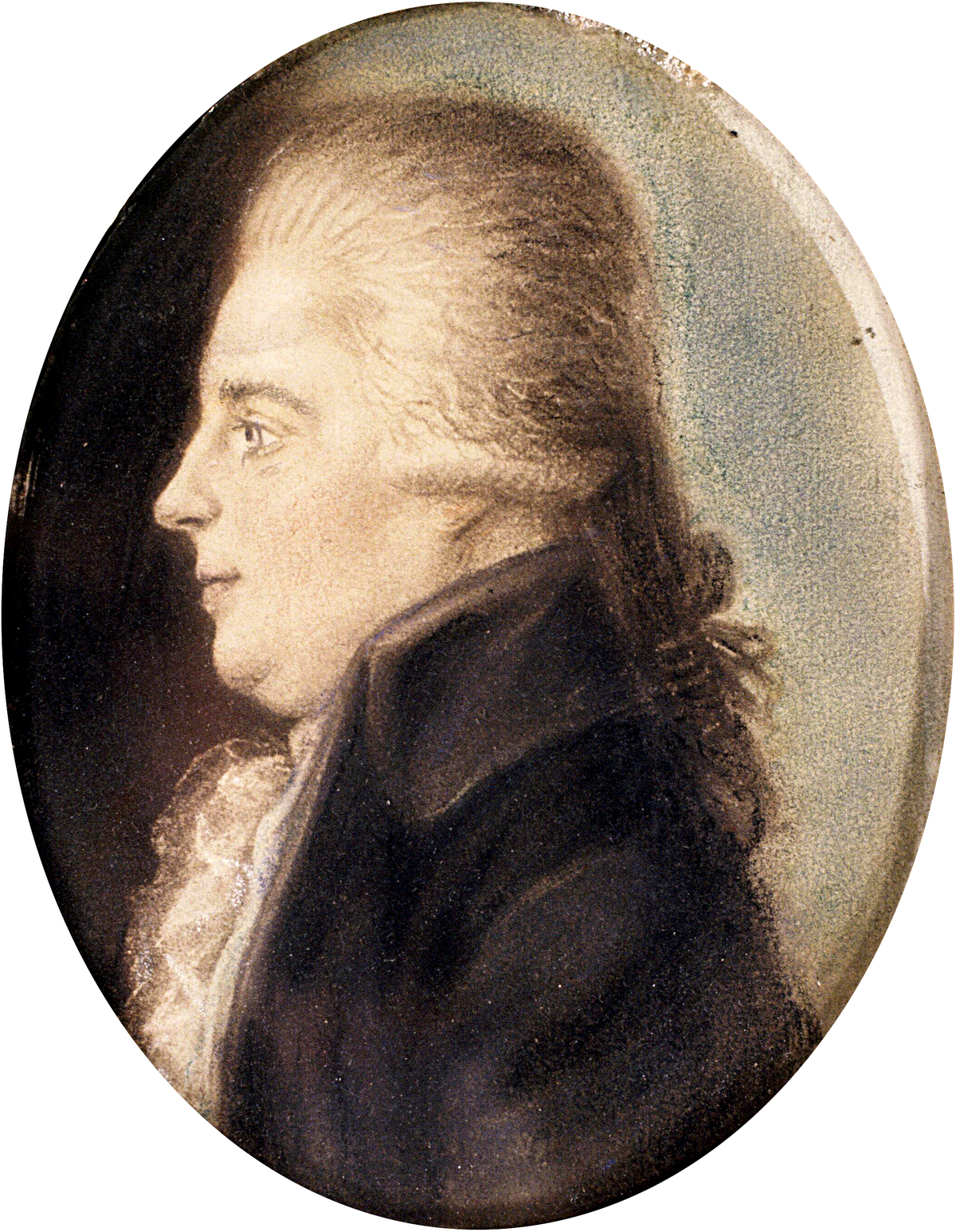
Spinoza lived on Paviljoensgracht from 1670 until his death in 1677, writing philosophy while earning a living as a lens grinder. The house survives as a museum; the city’s role in international law might have amused a thinker who insisted that ideas should meet open argument.
Queen Mother of the Netherlands · 1858–1934
Lived at Lange Voorhout Palace from 1901 to 1934
Queen Mother Emma made the palace on Lange Voorhout her home from 1901 until her death in 1934; the building later became Escher in Het Paleis. She knew its ceremonial rooms as a residence, while visitors now encounter them through optical illusions—a curious second life for a royal home.
Architect · 1856–1934
Designed Kunstmuseum Den Haag
Berlage designed the building that opened as The Hague’s municipal museum in 1935, giving its galleries a clear rhythm of rooms and daylight. He might be pleased that visitors still find a sense of calm inside while the city changes around it.
Where locals actually book dinner — not the tourist menus.
Small things that change how the city treats you.
The city, as it actually looks.
Yes—The Hague pairs Dutch Golden Age paintings with royal and political history, then puts the North Sea within tram distance. The Mauritshuis is home to Vermeer’s Girl with a Pearl Earring, while Scheveningen offers a very different afternoon by the water.
Plan two to three days for the city and coast. One day can cover the Mauritshuis and historic centre; a second leaves time for a larger museum or the Peace Palace area, and a third gives Scheveningen room in the schedule.
Take a direct NS train from Schiphol to Den Haag Centraal or Den Haag HS; the trip takes about 29–35 minutes. Trains run roughly every 10–15 minutes, and a second-class single fare is around €9.50–€10.50.
Tap a contactless debit or credit card, or a digital wallet, on the reader when boarding and leaving. Use the same card or device for both taps; HTM day tickets are another option for frequent tram and bus rides.
The Hague is generally safe by international standards, though normal city precautions still matter. Watch your belongings at busy stations, stay clear of cycle paths, and take care near canals at night, especially after drinking; call 112 for emergencies.
HTM lists its day ticket at €8.60 and its three-day ticket at €22 for unlimited travel on HTM trams and buses. OVpay charges distance-based fares, so the best value depends on how many rides you take and whether you use other operators.
Yes, if you focus on the city centre: direct trains take about half an hour, making the Mauritshuis and a walk around the Hofvijver practical in one day. Add Scheveningen only if you’re happy to keep the museum visit brief.
Late May to mid-September offers warmer weather and good conditions for the beach and outdoor walks. April and May are appealing for spring flowers and cycling; pack a layer, since the North Sea brings wind even on mild days.
155 places to discover

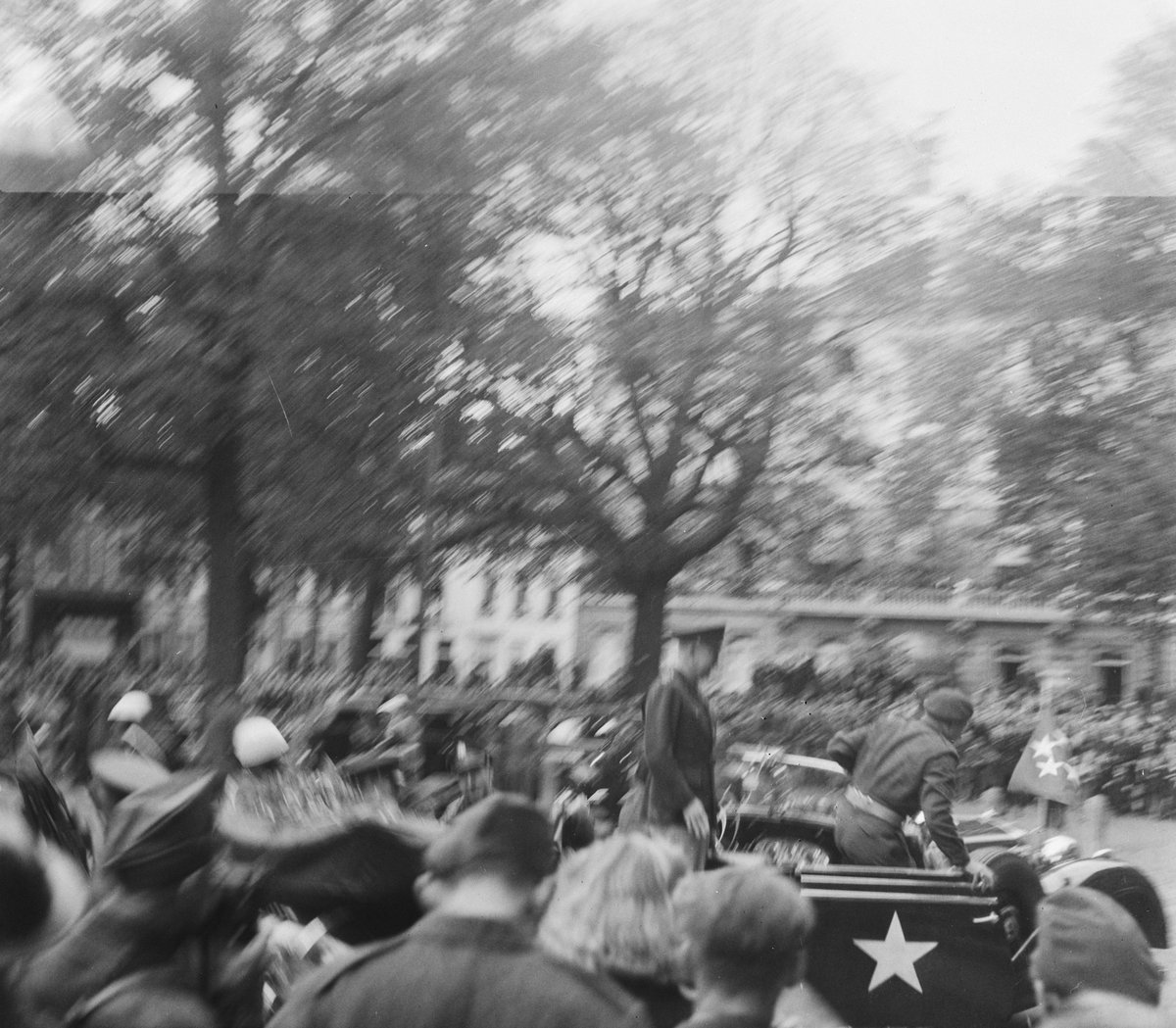
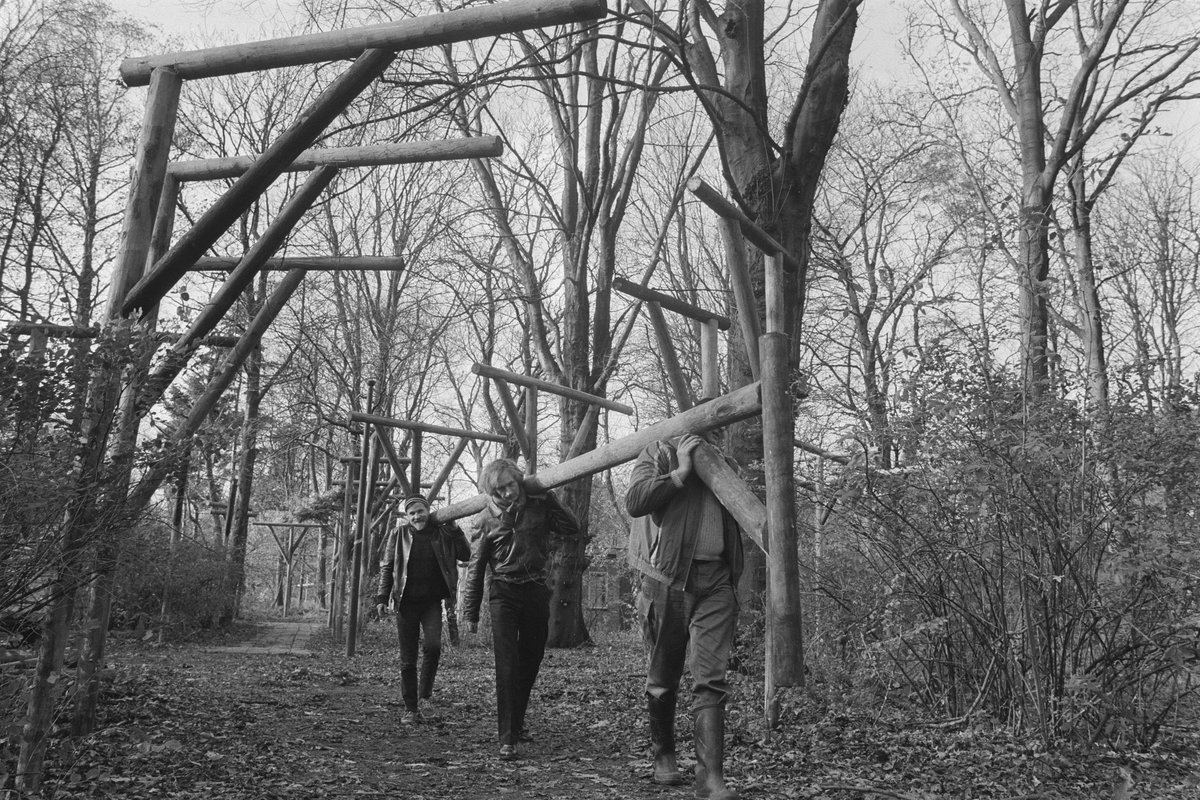













Showing 1–48 of 155 places
Saved and recently read places — kept on this device only.
Photos may have been resized or cropped.