
History of Grote Kerk
Medieval Origins and Development
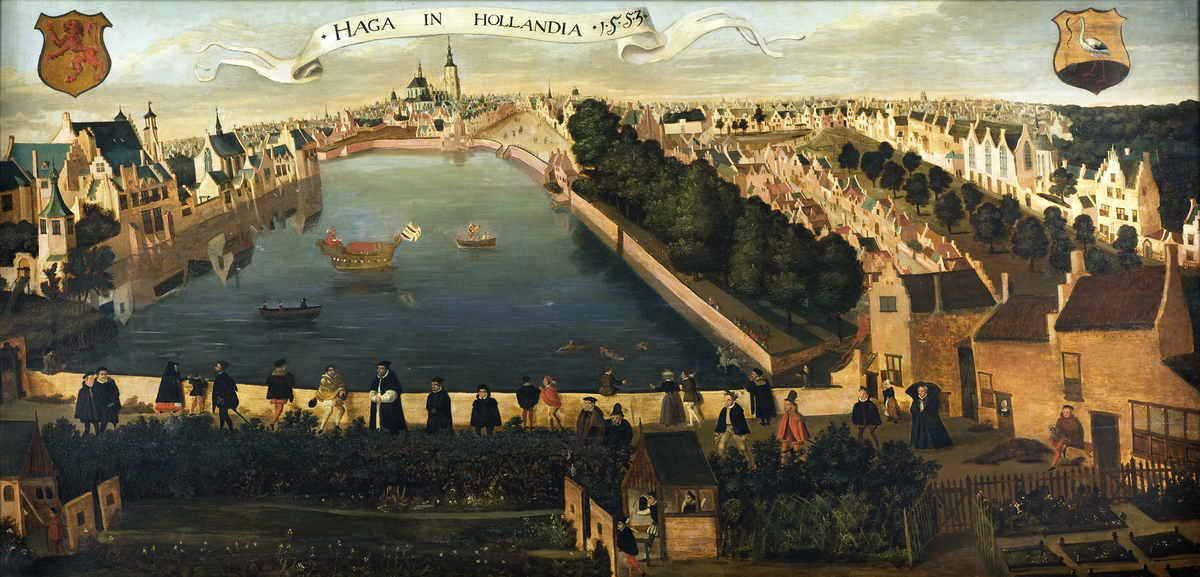
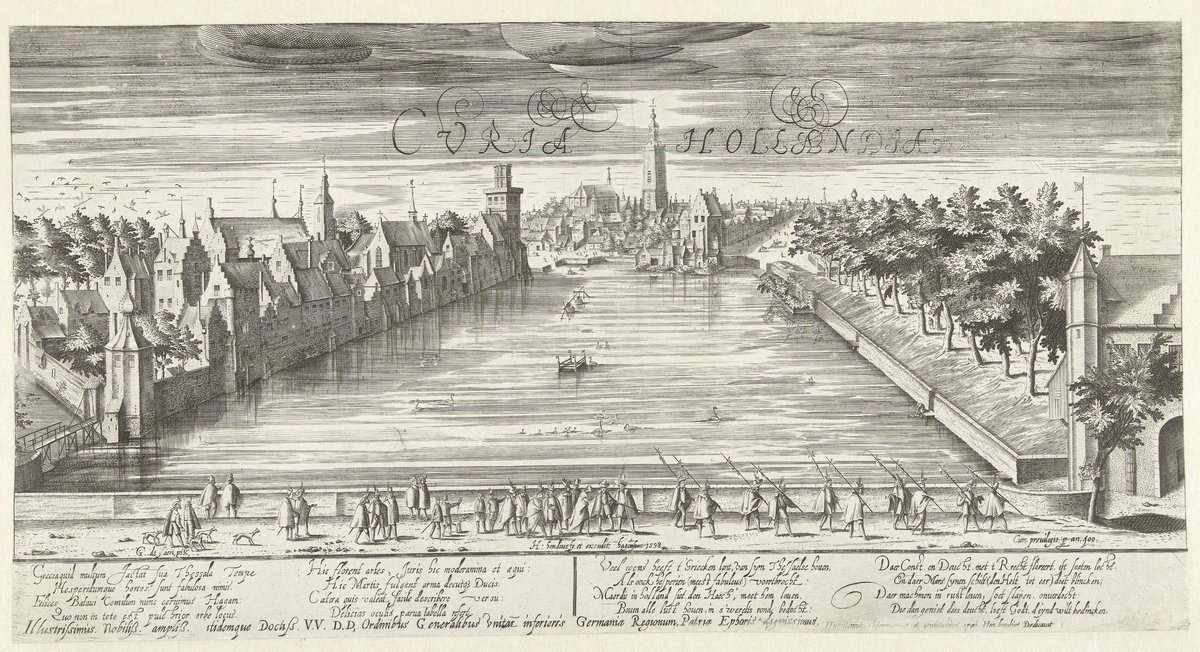
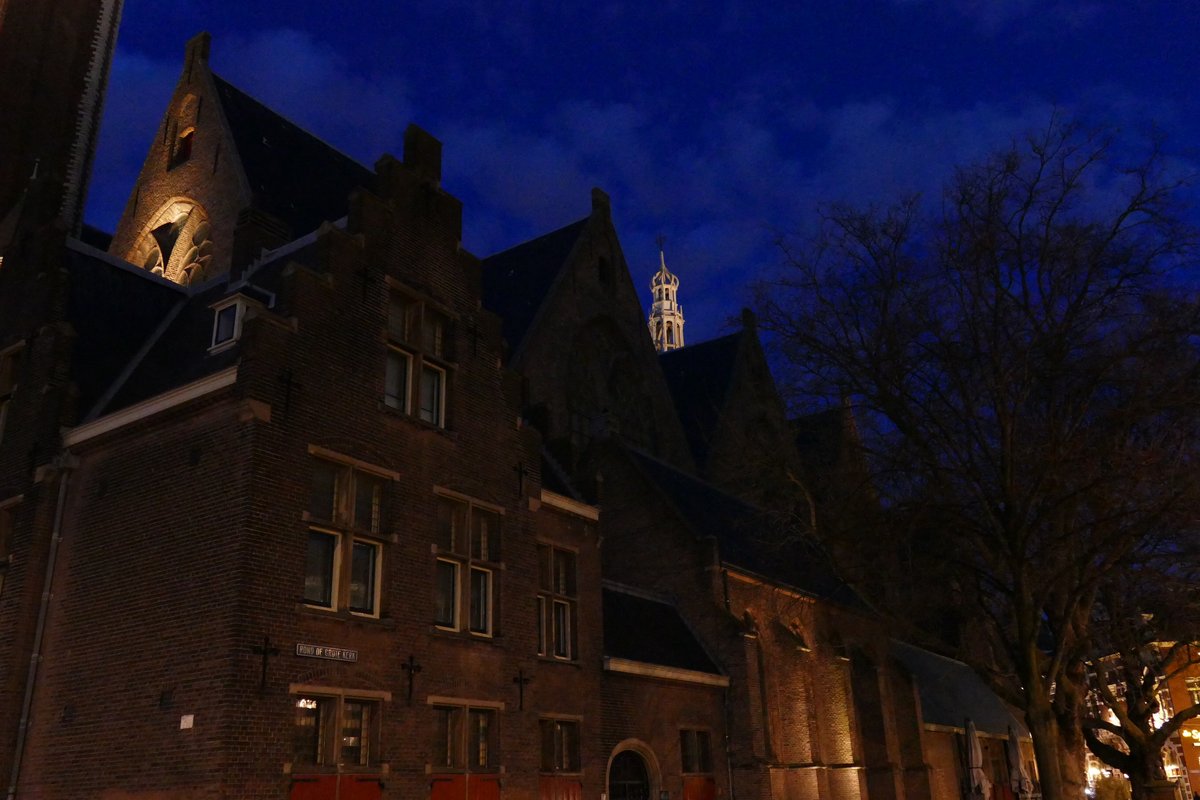
Founded in the 13th century as a wooden chapel on a sand ridge linking Delft and Haarlem, the church quickly grew in prominence. By 1276, it served as a parish church under the Norbertines of Middelburg Abbey. In 1335, a stone version replaced the chapel, becoming a hub for local tradespeople and spiritual life. The church was dedicated to St. James the Greater, reflecting its role as a stop for pilgrims on the route to Santiago de Compostela.
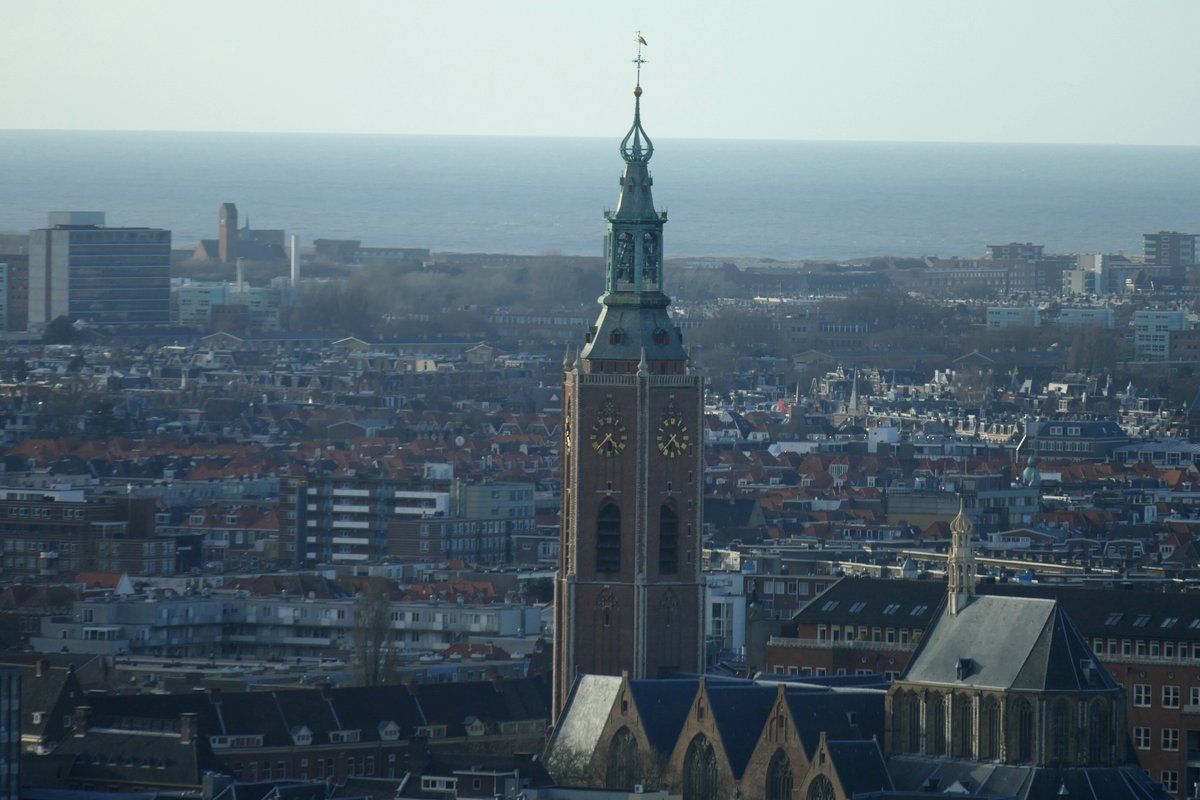
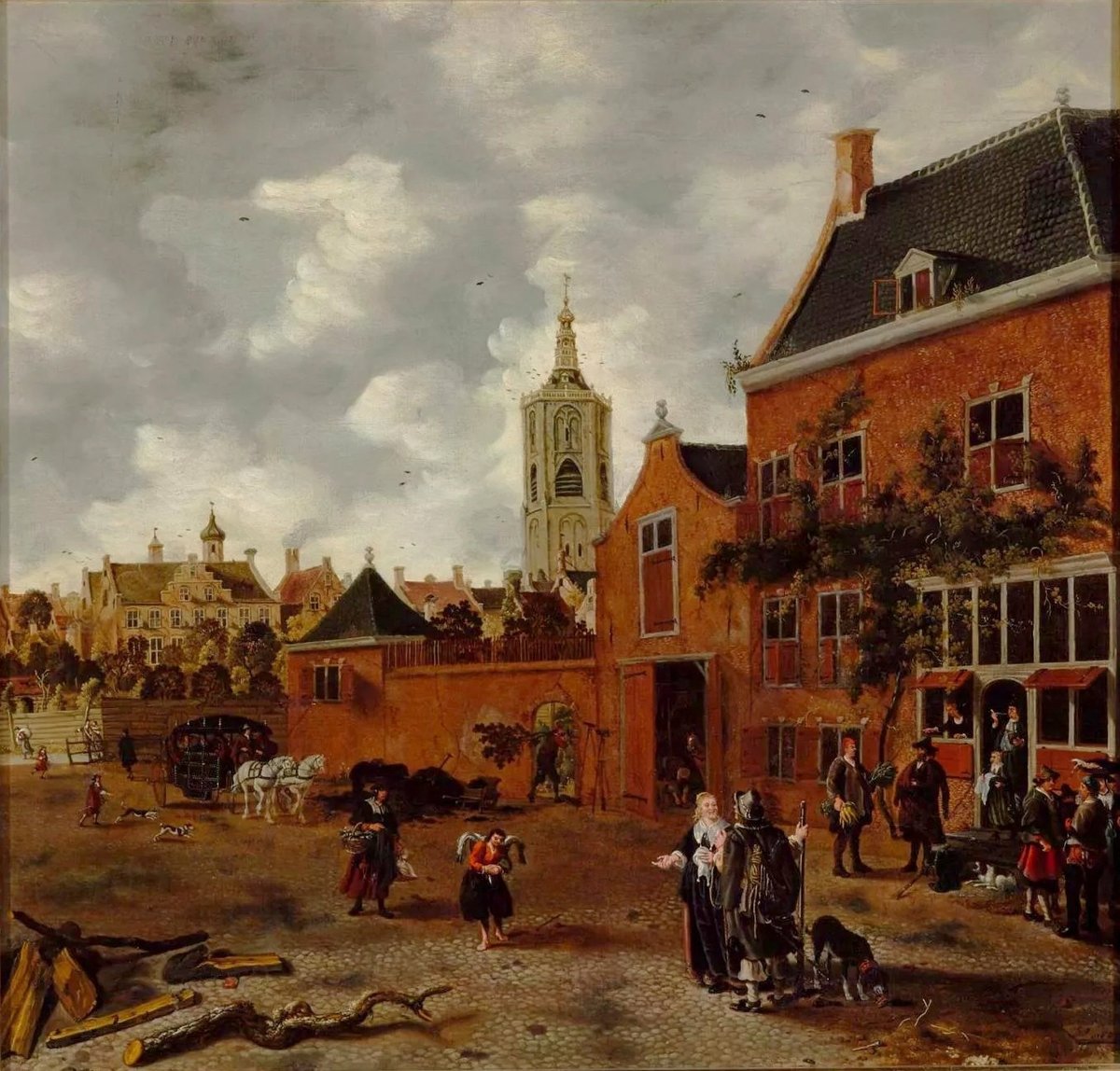
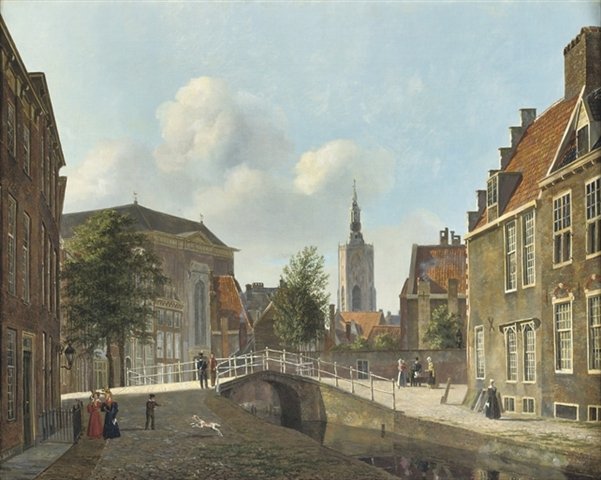
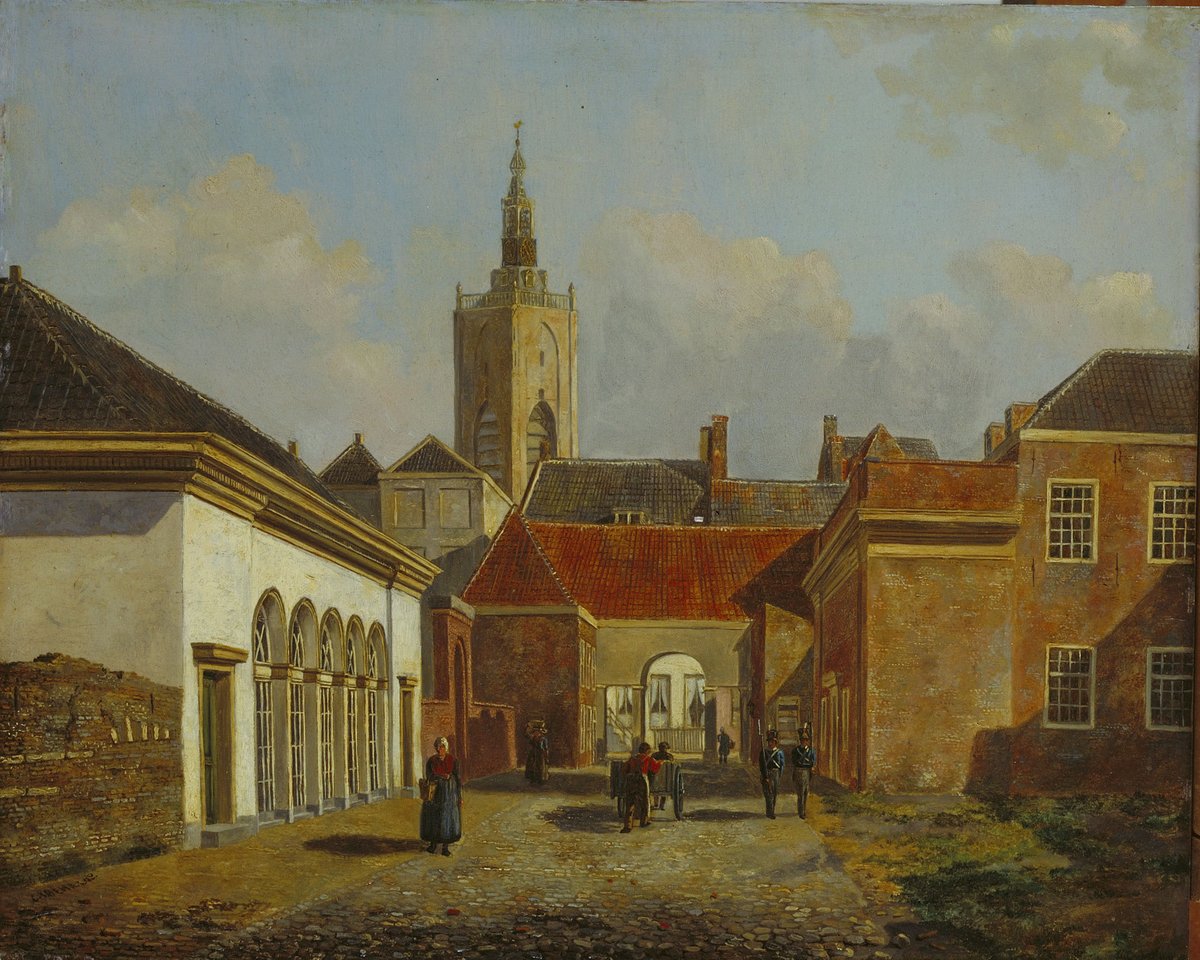
Between 1420 and 1424, the iconic six-sided, 93-meter-high brick tower was constructed, earning its place as a defining feature of The Hague’s skyline. The church expanded further in the 15th century, culminating in a grand nave and the Van Assendelft chapel.
Renaissance and Religious Upheaval
The 16th century brought both turmoil and transformation. The execution of Jan de Bakker in 1525 and subsequent religious conflicts marked the church’s transition from Catholicism to Protestantism during the Reformation (Den Haag Marketing). Artistic enrichment followed: Emperor Charles V sponsored stained-glass windows, and Flemish sculptor Colijn le Nole created the magnificent Renaissance pulpit in 1550. The church’s interior was stripped of much Catholic imagery in the late 16th century as it became the main Protestant church in The Hague, while still hosting burials and memorials for prominent Dutch figures.
Enlightenment to Modern Era
Through the 17th to 19th centuries, the church remained a civic and spiritual hub. The tower served as both a watchtower and a symbol of city autonomy, and the carillon, installed in 1685, marked major events. Restoration efforts in the 19th and 20th centuries preserved its grandeur, with architect P.J.H. Cuypers leading significant renovations. In the late 20th century, the church transitioned to a vibrant cultural venue, managed by the Stichting Grote Kerk and closely associated with royal events, including baptisms and weddings of the Dutch royal family (Royal House of the Netherlands).
Architectural Highlights
Exterior and Tower
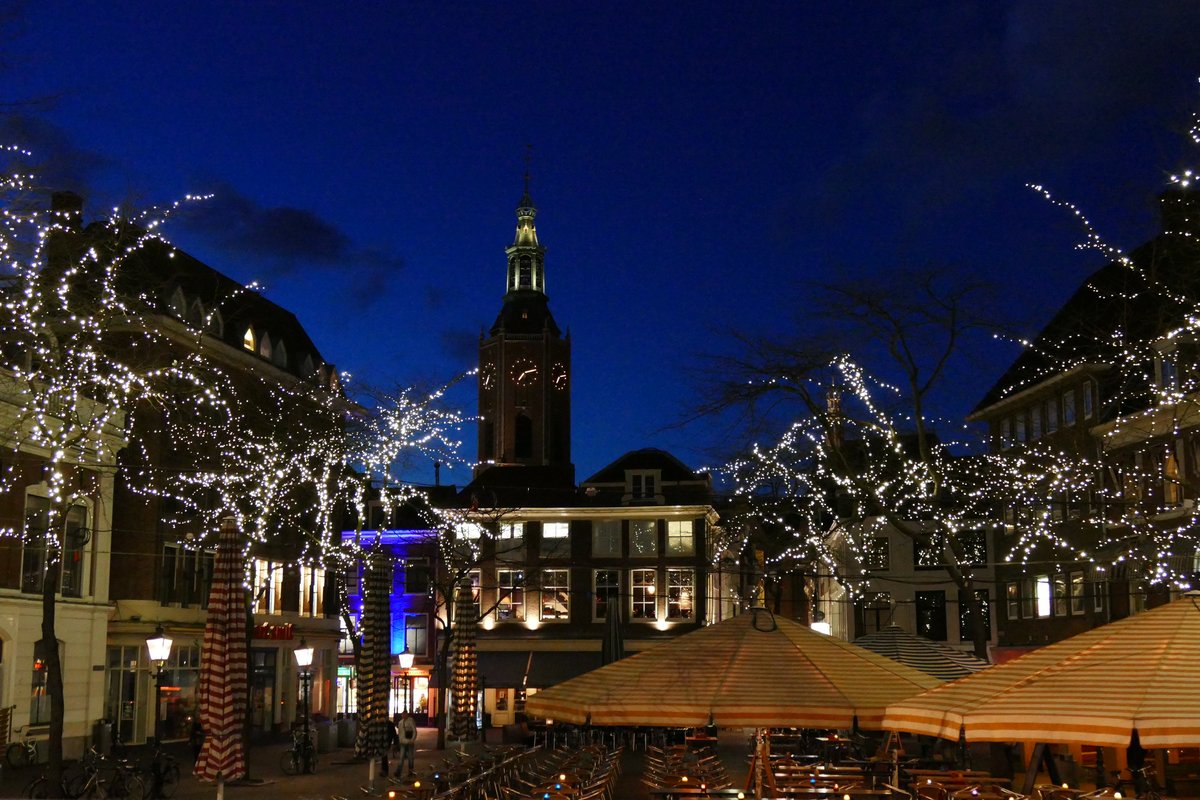
The church’s 93-meter hexagonal brick tower is among the tallest in the country and a signature of The Hague’s cityscape. Adorned with the city’s coat of arms and a stork, the tower houses a carillon of 51 bells, making it one of the Netherlands’ largest (justlanded.com). Visitors can climb the tower for breathtaking panoramic views.
Nave and Vaulted Ceilings
Inside, the spacious Gothic nave is illuminated by tall stained-glass windows and supported by slender columns and high ribbed vaults. The wooden vaulted ceiling is one of Europe’s largest and most impressive.
Stained-Glass Windows and Decorative Art
The church features remarkable stained glass, including windows sponsored by Charles V and crafted by the Crabeth brothers after the 1539 fire (SpottingHistory). The Renaissance pulpit by Cornelis Bloemaert (1550) is a highlight, as are the coats of arms of the Knights of the Golden Fleece and commemorative tombs of notable Dutch figures.
Visiting Information
Hours & Admission
-
General Opening Hours
- Monday to Saturday: 11:00 AM – 4:00 PM
- Sundays and public holidays: 12:00 PM – 5:00 PM
(Hours may vary due to events; always check the official website for current times.)
-
Admission
- Adults: €5
- Seniors/Students: €3
- Children under 12: Free
- Tower climb: Additional €3
Entry to the main church is often free for worshippers; tickets may be required for special exhibitions or tower access (Explorial).
Accessibility
The main nave and entrance are wheelchair accessible, with ramps and accessible restrooms. The tower, due to its steep stairs, is not suitable for those with limited mobility. Audio guides and brochures are available in multiple languages.
Guided Tours & Events
- Guided Tours Available in English and Dutch, offering insights into the church’s history, architecture, and artworks. Advance booking is recommended, especially during peak seasons.
- Events The church hosts concerts, exhibitions, fairs, and is a venue for cultural celebrations such as The Hague’s Museum Night and Open Monument Day (Residentie Orkest).
Photography & Visitor Tips
Photography for personal use is generally permitted (no flash), except during events or services. Respectful behavior and attire are expected in this active place of worship. Wear comfortable shoes for exploring the church and tower.
Nearby Attractions
Grote Kerk’s central location puts visitors within easy reach of The Hague’s top historical sites:
- Binnenhof The seat of Dutch government.
- Mauritshuis Museum Home to masterpieces like Vermeer’s “Girl with a Pearl Earring.”
- Peace Palace Icon of international justice.
The area is also close to restaurants, cafés, and shopping streets, making it easy to combine your church visit with other city highlights (PlanetWare).
Frequently Asked Questions (FAQ)
What are the visiting hours of Grote Kerk?
Monday to Saturday: 11:00 AM – 4:00 PM; Sundays and public holidays: 12:00 PM – 5:00 PM. Hours may vary—check the official site.
Is there an entrance fee?
Yes: €5 for adults, €3 for seniors/students, free for children under 12. Additional charge for tower climb.
Are guided tours available?
Yes, guided tours and tower climbs are available. Book in advance for best availability.
Is the church wheelchair accessible?
Yes, the main church is accessible; the tower has steep stairs and is not accessible.
Is photography allowed?
Yes, for personal use (no flash). Restrictions apply during events.
Can I attend concerts or special events?
Yes. The church hosts a variety of concerts, cultural events, and exhibitions. Check the event calendar on the official website.