Origins and Urban Development
Plein 1813 was developed in the mid-19th century in the Willemspark district. Initially called Willemsplein, it was rebranded in 1863 to memorialize Dutch independence. The square’s oval design serves a dual purpose: as a roundabout for outbound city traffic and as a tranquil civic space. Four grand villas in the eclectic style, built between 1860 and 1864, encircle the square. These villas, now protected as national monuments, once housed The Hague’s elite and today include diplomatic missions such as the Israeli embassy.
The National Monument: Symbolism and Design
The National Monument at Plein 1813 is a 22-meter-tall classicist structure unveiled in 1869. Its creation was spearheaded by private citizens when official government celebrations were deemed diplomatically sensitive. The monument celebrates the return of Prince William Frederick and the Dutch monarchy, with allegorical figures and bas-reliefs highlighting key moments in the nation’s history:
- Central Figure King William I, depicted taking the constitutional oath, symbolizes the restoration of Dutch sovereignty.
- Triumvirate Statues Representing the statesmen who orchestrated the nation’s liberation.
- Allegorical Figures "Religion" and "History" flank the monument, reflecting the moral and historical foundations of the Dutch state.
- Bas-Reliefs Illustrate the prince’s landing at Scheveningen and the raising of the Orange flag.
- Eben-Haëzer Inscription A biblical reference to victory and national triumph.
The monument’s classicist design was chosen to reflect Protestant Dutch identity, distinguishing it from the neo-Gothic style associated with Catholicism (bkdh.nl; historiek.net).
Architectural Heritage: The Villas of Plein 1813
The four surrounding villas are hallmarks of 19th-century eclectic architecture. Built as elite private residences, they exhibit ornate facades and have since been adapted for diplomatic and institutional use. Recent renovations have ensured their security and accessibility while preserving their historical character.
Visiting Information: Hours, Tickets & Accessibility
- Hours Plein 1813 is an open public space, accessible 24 hours a day, year-round.
- Tickets No tickets or entrance fees are required; the square and monument are free to visit.
- Accessibility The entire square is wheelchair accessible, with smooth, paved paths and nearby public transport stops. Recent improvements have further enhanced access for visitors with disabilities.
- Guided Tours Plein 1813 is featured in many walking tours of The Hague. Check with local guides or the tourism office for schedules (denhaag.com).
Getting There: Public Transport and Directions
Plein 1813 is well connected to The Hague’s public transportation network:
- Tram Lines 1 and 10
- Bus Lines 22, 24, and 28
- Nearest Stops Mauritskade and Javastraat
- By Foot/Bicycle A 20-minute walk or short bike ride from The Hague Central Station. Ample bike racks are available.
- By Car Street parking is available but limited; public transport is recommended (denhaag.com).
Events, Commemorations, and Photography Tips
- Annual Events November 30 marks the prince’s landing with official ceremonies. Other national holidays like King’s Day and Remembrance Day often feature commemorations at the square.
- Photography Early morning and late afternoon provide optimal light for capturing the monument’s details. Spring offers beautiful floral displays, while autumn features golden chestnut foliage.
- Etiquette As a place of remembrance, visitors are encouraged to behave respectfully, especially during events.
Nearby Attractions in The Hague
Combine your visit to Plein 1813 with nearby cultural and historical sites:
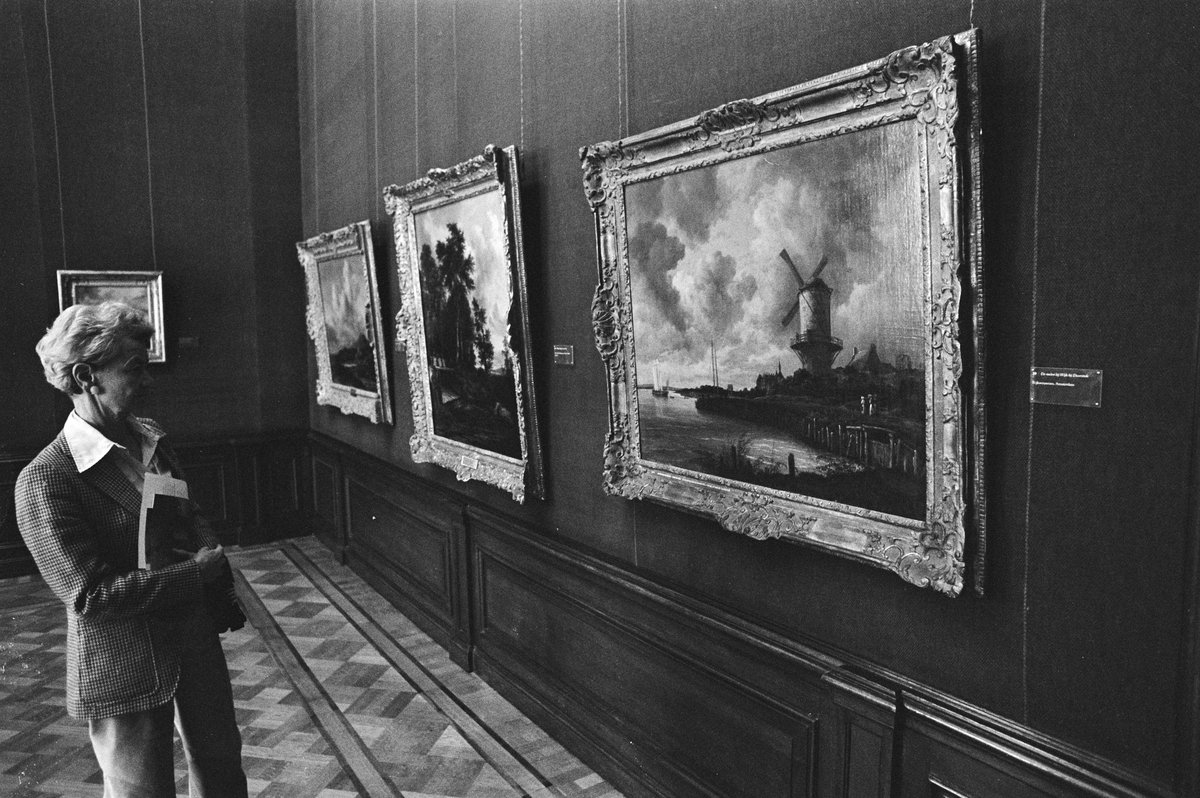
- Mauritshuis Museum Renowned for Dutch Golden Age paintings.
- Binnenhof The Dutch parliamentary complex with guided tours and canal views.
- Noordeinde Palace The working palace of the Dutch king.
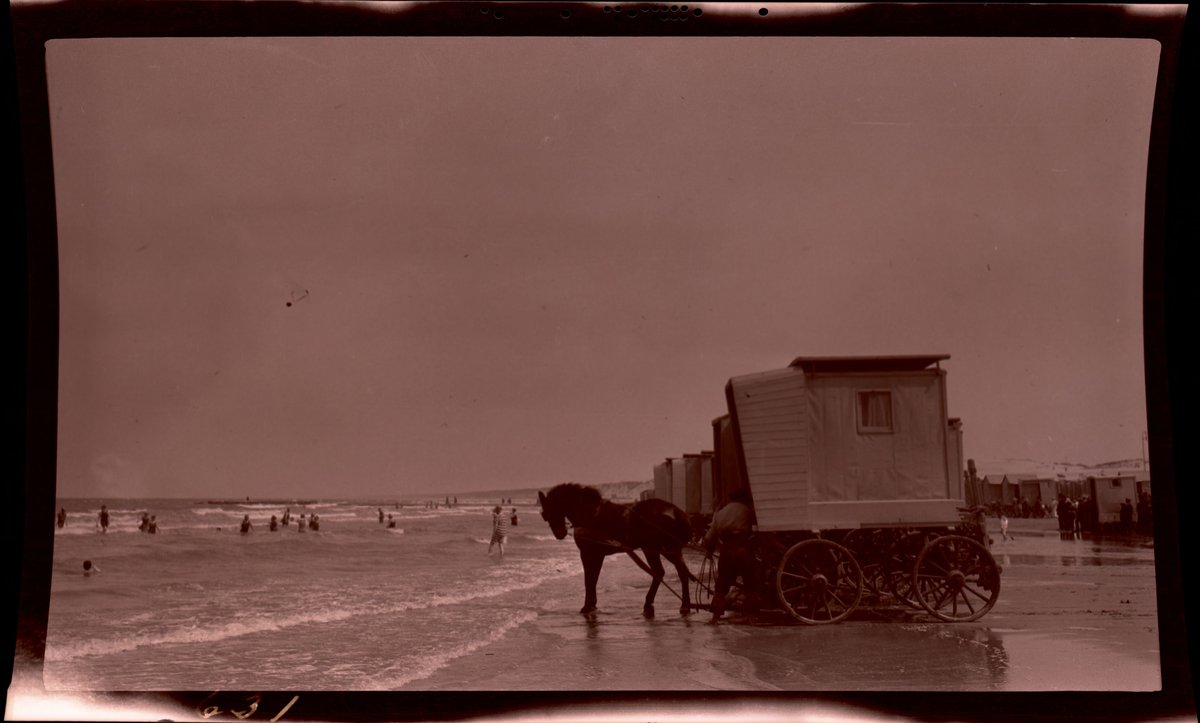
- Scheveningen Beach A short tram ride away for a seaside contrast.
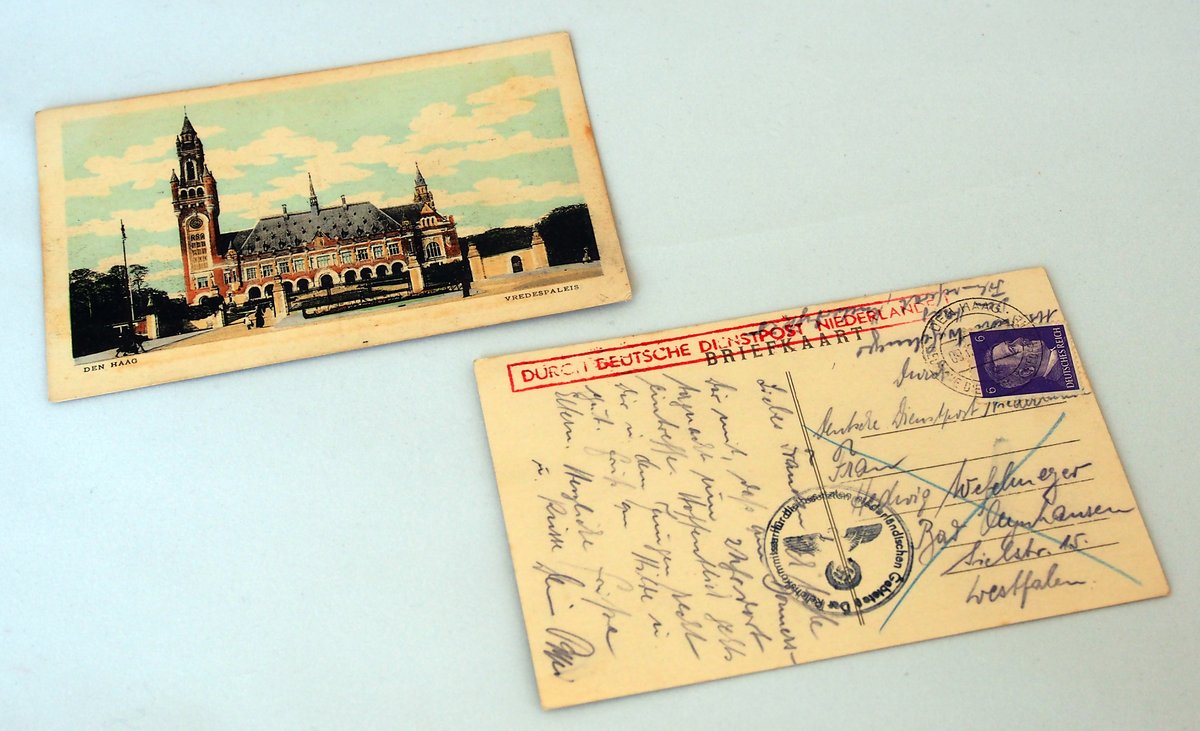
- Peace Palace Headquarters of the International Court of Justice.
- Sophiahof Museum Exploring Dutch colonial history (sophiahof.nl).
- Haags Historisch Museum Featuring a maquette of the monument and broader city history.
Practical Tips: Facilities, Food, and Safety
- Facilities No public restrooms on the square; nearest facilities are in cafés on Javastraat and Mauritskade.
- Dining The surrounding area offers a range of cafés and restaurants. For more options, head to the city center or Het Plein square.
- Shopping De Passage, a historic arcade, is nearby for souvenirs and local treats like Hopjes candy (thecrowdedplanet.com).
- Safety The area is safe and well-trafficked. Standard urban precautions apply.
Frequently Asked Questions (FAQ)
Q: What are the opening hours for Plein 1813?
A: The square is open to the public 24/7 all year round.
Q: Is there an entry fee for Plein 1813?
A: No, the monument and square are free to visit.
Q: Are guided tours available?
A: Yes, local walking tours often include Plein 1813. Check with tourism offices or online platforms for options.
Q: Is the site wheelchair accessible?
A: Yes, the square is paved and suitable for wheelchairs and strollers.
Q: Can I use a drone at Plein 1813?
A: Drones are not permitted without special permission from city authorities.
Q: Are there restrooms or cafés on the square?
A: No public restrooms on site; nearby cafés and restaurants have facilities.