

Palace Origins and Early Development
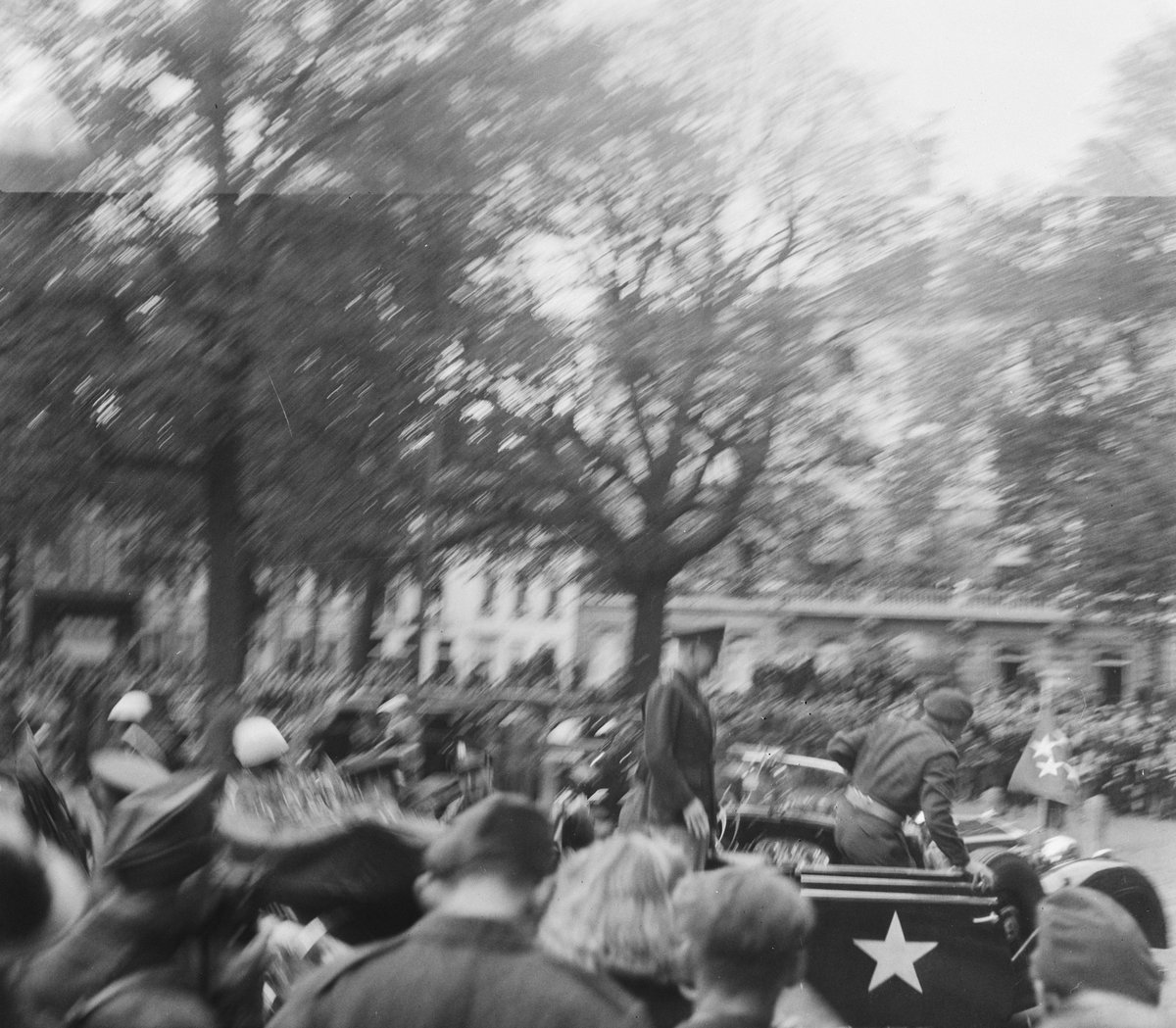
The Lange Voorhout avenue, with its medieval origins, was transformed in the 16th century under Emperor Charles V, who ordered the merging of gardens and the planting of lime trees, creating the iconic tree-lined promenade that remains today (denhaag.com). This prestigious setting attracted the construction of grand residences, including what would become Lange Voorhout Palace. By the 18th century, the area had evolved into a favored residential quarter for the elite and statesmen, setting the stage for the palace’s construction.
Architectural Evolution and Royal History
Built in the 1760s, the palace reflects Dutch neoclassical style, marked by symmetrical facades, tall sash windows, and refined Rococo ornamentation. The influential Hope banking family acquired the palace in 1796, preserving its grandeur and making it a social focal point (freewalkingtourthehague.com). In 1896, Queen Emma purchased and renovated the palace, most notably adding the grand staircase with copper railings and Italian marble—a highlight still admired today.
Throughout the 20th century, Lange Voorhout Palace served as a royal residence and office for Queen Wilhelmina, Queen Juliana, and Queen Beatrix. Prince Claus worked here in the 1970s. In 1990, the palace transitioned from royal use to municipal ownership, paving the way for its current cultural function.
Cultural Significance & Modern Use
Today, Lange Voorhout Palace houses the Escher in Het Paleis museum, dedicated to the world-renowned Dutch graphic artist M.C. Escher. The museum’s integration of Escher’s optical illusions within the palace’s neoclassical spaces creates a dynamic blend of historical ambiance and modern artistry (escherinhetpaleis.nl).
The avenue itself is a cultural artery, home to embassies, historic mansions, and annual events like the Embassy Festival and the open-air sculpture exhibition Voorhout Monumentaal (embassyfestival.com; sculpture-network.org).
Key Architectural Features and Restoration
Lange Voorhout Palace exemplifies 18th-century Dutch classicism with its stately, symmetrical façade, grand entrance, and refined decorative plasterwork. Queen Emma’s renovations introduced Victorian opulence, including marble, copper fittings, and ornamental plaster ceilings. The grand staircase, high-ceilinged salons, and period fireplaces are among the most notable surviving features.
Ongoing restorations have balanced historical preservation with modern accessibility, ensuring the palace’s continued vitality as a living monument (freewalkingtourthehague.com).
Visiting Lange Voorhout Palace: Essential Information
Location & Getting There
- Address Lange Voorhout 74, 2514 EH The Hague, Netherlands
- By Train The Hague Centraal Station is a 10-minute walk from the palace (denhaag.com).
- By Tram Lines 15 and 16 stop at Lange Voorhout; tram 1 stops at Kneuterdijk.
- By Car Nearby parking at Interparking Museumkwartier and Parking Malieveld (denhaag.com).
- By Bicycle The Hague is bike-friendly with dedicated paths.
Opening Hours
- Tuesday to Sunday 11:00 AM – 5:00 PM
- Closed Mondays (except select holidays)
- Check official website for seasonal variations
Tickets & Admissions
- Adults €12.50
- Seniors, Students €10
- Children under 12 Free
- Dutch Museum Card Accepted (whichmuseum.co.uk)
- Purchase Online booking recommended, especially during peak periods
Accessibility
- Wheelchair Accessible Elevators and ramps throughout; adapted restrooms
- Tactile Exhibits Special programs for visually impaired visitors (denhaag.com)
- Cloakroom & Lockers Available for personal belongings
Guided Tours
- Availability Weekends and by appointment
- Languages Dutch, English, and additional languages via audio guides
- Special Tours For visually impaired and groups
Visitor Tips
- Recommended Duration 1.5 to 2 hours
- Photography Allowed without flash; tripods/selfie sticks not permitted
- Café & Gift Shop MC Café for refreshments; museum shop for Escher-themed souvenirs
What to Expect During Your Visit
The Escher Collection
- Permanent Collection Over 130 works by M.C. Escher, including "Metamorphosis III," "Relativity," and "Drawing Hands"
- Interactive Zone "In the Eye of Escher" features hands-on optical illusion experiences
- Family Activities Scavenger hunts and creative workshops
Temporary Exhibitions & Events
- 2025 Highlights
- "Jehoshua Rozenman – Out of the Box" (July–September)
- "Anne Desmet – Building without Barriers" (November–March)
(whichmuseum.co.uk)
Language & Information
- Exhibit Labels Dutch and English
- Audio Guides Multiple languages available
Nearby Attractions & Amenities
- Lange Voorhout Avenue Stroll among linden trees, historic mansions, and embassies (explorial.com)
- Mauritshuis Museum Home to Vermeer's "Girl with a Pearl Earring" (mauritshuis.nl)
- Binnenhof Dutch parliamentary complex (thecrowdedplanet.com)
- Pulchri Studio Historic artist society with exhibitions (pulchri.nl)
- Hotel des Indes Luxury accommodation and afternoon tea (explorial.com)
- Cafés and Galleries Abundant options nearby for dining and culture
Sustainable Tourism & Preservation
Lange Voorhout Palace is a protected Rijksmonument, with ongoing efforts to balance public access and heritage conservation (Wikipedia: Lange Voorhout). Visitors are encouraged to respect the site, use public transport or bicycles, and support sustainability initiatives (vriendenvanhetlangevoorhout.nl).
Frequently Asked Questions (FAQ)
Q: What are the visiting hours of Lange Voorhout Palace?
A: Tuesday to Sunday, 11:00 AM – 5:00 PM; closed Mondays.
Q: How much do tickets cost?
A: Adult €12.50; discounts for seniors, students, and children; children under 12 free.
Q: Is the palace wheelchair accessible?
A: Yes, with elevators, ramps, and adapted restrooms.
Q: Are guided tours available?
A: Yes, on weekends and by appointment; audio guides in several languages.
Q: Can I take photos inside?
A: Non-flash photography permitted; tripods/selfie sticks prohibited.
Q: Is there a café?
A: Yes, MC Café offers drinks and light meals.
Q: Are there family-friendly activities?
A: Yes, including workshops and scavenger hunts.