Historical Background and Urban Development
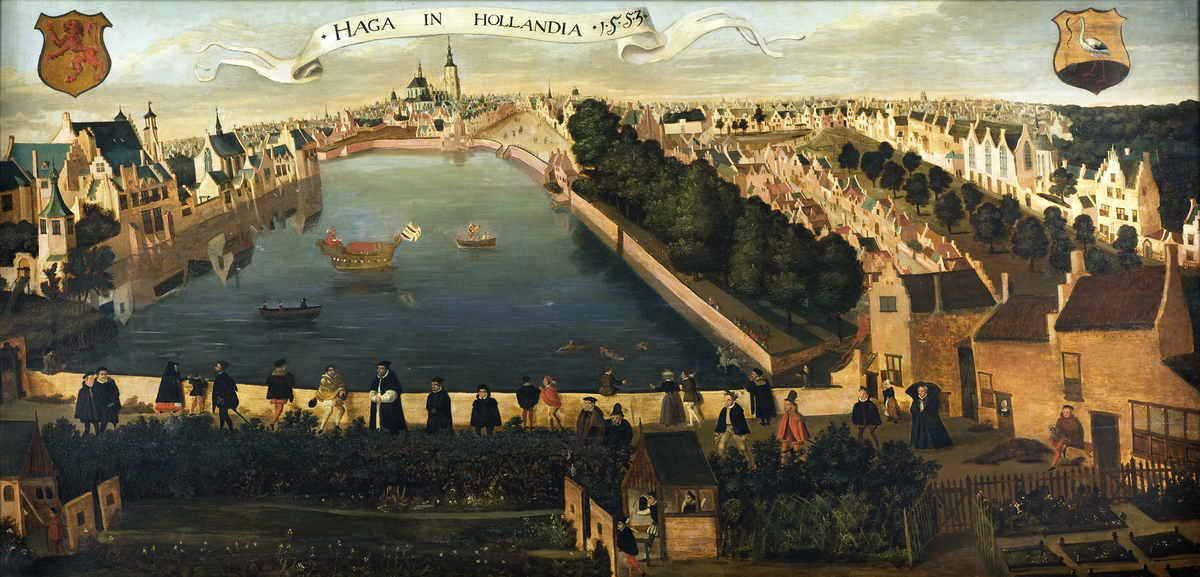
Scheveningse Bosjes traces its roots to the late 18th century, when the “Bataafsche Boer” initiated the transformation of barren coastal dunes into a wooded landscape. The development continued into the 19th century, highlighted by the creation of "De Waterpartij" pond in 1868, a former sand excavation site that became a scenic water feature under the direction of Jonkheer H.C.A. Ver Huell. The park’s evolution mirrors The Hague’s own urban expansion, serving both as a buffer and a connector between the city and the seaside (Haags Gemeentearchief).
The construction of Scheveningseweg in the 17th century paved the way for urbanization, eventually surrounding the park with villa neighborhoods like Van Stolkpark and Belgisch Park. Today, Scheveningse Bosjes stands as a green corridor, linking historical city quarters to the North Sea coast.
Wartime Heritage and Commemoration
During World War II, the park was integrated into the German Atlantikwall defense system. Remnants of bunkers and anti-tank ditches, particularly where President Kennedylaan and Johan de Wittlaan now run, recall its wartime significance (Haags Gemeentearchief).
A centerpiece of remembrance is the Nationaal Indië Monument, which honors Dutch victims from the former Dutch East Indies. This monument, near De Waterpartij, serves as the site for annual commemorations and is a focal point for reflection and national memory (Evendo).
Natural Landscape and Biodiversity
Scheveningse Bosjes boasts a rich mosaic of habitats, from mature forests to open grasslands and wetlands. Its lime-rich, calcareous soil supports diverse plant life, including oaks, elms, beeches, and sycamores introduced through historical afforestation efforts. Seasonal wildflowers, hawthorn, and holly add to its botanical variety (ikgidsudoordenhaag.nl; nl.wikipedia.org).
The park is a haven for urban wildlife—birdwatchers can spot herons, swans, woodpeckers, and more. Amphibians, hedgehogs, bats, and even Scottish Highland cattle (used for habitat management) contribute to the park’s biodiversity (dutchreview.com).
As part of the Cityduinpark initiative, Scheveningse Bosjes is connected to Westbroekpark and Oostduinpark, forming an ecological network that enhances habitat connectivity and supports wildlife movement (nl.wikipedia.org).
Cultural and Community Value
The park is home to several sculptures and memorials, adding an artistic and cultural layer to the natural beauty (IBN Battuta Travel). It serves as a venue for outdoor concerts, art exhibitions, and environmental campaigns. Its proximity to other green spaces and historical sites enriches the visitor experience (Travel Captures).
Community engagement is vital to the park’s ongoing restoration. Public consultations, school partnerships, and volunteer programs foster stewardship and environmental education (World Architecture; One More Tree).
Visiting Scheveningse Bosjes: Essential Information
Opening Hours and Admission
- Hours Open daily, 24 hours a day (dawn until dusk recommended for safety and wildlife observation).
- Admission Free entry for all visitors.
Accessibility
- Well-maintained, mostly flat paths suitable for wheelchairs, strollers, and bicycles.
- Entrances at Scheveningseweg, Kerkhoflaan, and near Madurodam.
- Accessible by tram, bus, bicycle, or on foot. Limited parking; public transport is recommended.
Facilities
- No permanent restrooms or food kiosks in the park; facilities available nearby in Scheveningen and The Hague center.
- Benches, picnic areas, and several playgrounds for children.
- Dog-friendly, with designated off-leash zones.
Activities and Attractions
- Walking, cycling, and bridle trails
- Playgrounds and open lawns for families
- Picnic spots and tranquil pond areas
- Birdwatching and nature observation
- Haagse Klimbos Adventure climbing park for groups and families (Den Haag)
- Seasonal events Check local tourism calendars for concerts, guided walks, and environmental campaigns
Points of Interest Nearby
- Scheveningen Beach Seaside relaxation and dining
- Madurodam The Netherlands in miniature
- Westbroekpark Rose garden and extended walks
- Haagse Bos Historic royal forest
- Museon & World Forum Museums and event spaces
Conservation and Sustainability
Scheveningse Bosjes is at the forefront of urban ecological innovation as part of The Hague’s International Park initiative. Restoration projects focus on expanding forested areas, connecting habitats, and using permeable paths to support water management. Sustainable infrastructure, such as underpasses and bridges, minimize fragmentation while improving access (World Architecture).
Community-driven activities—tree planting, habitat clean-ups, and citizen science—support biodiversity and foster environmental stewardship (One More Tree).
Frequently Asked Questions (FAQ)
Q: What are Scheveningse Bosjes’ visiting hours?
A: Open 24 hours daily; best visited from dawn to dusk.
Q: Is admission free?
A: Yes, entry to the park is free.
Q: Are the trails accessible for wheelchairs and strollers?
A: Most paths are flat and suitable for wheelchairs and strollers; some sandy or uneven areas may be challenging.
Q: Are dogs allowed?
A: Yes, with leash requirements in some areas.
Q: Are there guided tours?
A: Yes, local organizations occasionally offer tours; check tourism websites for schedules.
Q: Are restrooms or food facilities available?
A: Not within the park, but nearby in Scheveningen and The Hague center.
Q: Which attractions are nearby?
A: Scheveningen Beach, Madurodam, Westbroekpark, and The Hague’s historic city center.
Tips for Visitors
- Bring a picnic and enjoy the open lawns.
- Wear comfortable shoes for exploring.
- Check event calendars for cultural or nature events.
- Respect wildlife and habitats; dispose of litter responsibly.
- Combine your visit with nearby attractions for a full day out.