The Legacy of Panagis Vagliano and the Vagliano Brothers
Why the Vagliano Brothers Matter
The Vagliano Brothers were trailblazers in Greek shipping, transforming grain trading and maritime logistics by pioneering vertical integration, modern fleet expansion, and innovative financial practices. Their success established the foundation for Greece’s rise as a global maritime power, making their story a vital part of Greek and international economic history.
Early Life and Maritime Roots
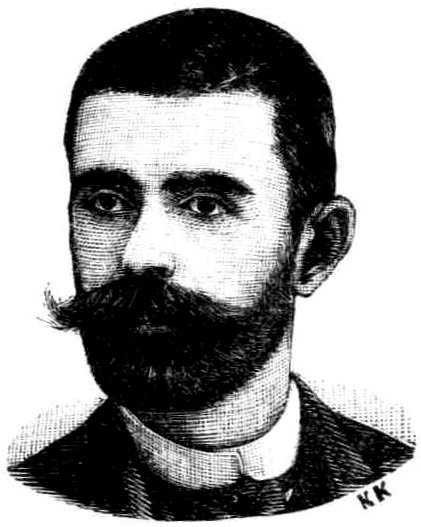
Born in Kerameies, Cephalonia, Panagis Vagliano’s formative years were shaped by the seafaring traditions of the Ionian Islands. Starting as a sailor, he gained practical experience in navigation and trade. During the 19th century, the family joined the Greek diaspora, seeking opportunities along critical trade routes in the Mediterranean and Black Sea (DBpedia).
From Grain Traders to Shipping Magnates
In the mid-1800s, the Vagliano Brothers established their firm, focusing on grain trading—especially wheat from the Black Sea region for Western Europe. With bases in Odessa, London, and Marseille, they controlled the supply chain and became leading grain merchants by the 1860s (marehist.ims.forth.gr).
Business Innovations
Vertical Integration and Fleet Modernization
Owning their own fleet allowed the Vaglianos to streamline operations, reduce costs, and enhance reliability. They pioneered Greek investment in steamships, transitioning from sail to steam to compete with established European firms—boosting speed, capacity, and global reach (marehist.ims.forth.gr).
Financial Strategies and Diaspora Networks
The brothers introduced advanced financial tools such as credit systems, insurance, and forward contracts, and secured funding from London banks. They also built a strong network with other Greek merchant families, creating a collaborative diaspora that influenced generations of Greek shipowners.
Impact on Greek and Global Shipping
By the late 19th century, Greek-owned ships commanded a significant share of Mediterranean and Black Sea trade. The Vagliano legacy continues, with Greek shipowners remaining dominant worldwide (marehist.ims.forth.gr).
Philanthropic Contributions
Panagis Vagliano funded schools, libraries, and hospitals, reinforcing national identity and intellectual growth. His support for the National Library of Greece stands as a testament to his vision for a modern, educated Greek society.
Exploring Greek Maritime Museums in Athens
Athens offers several key sites where visitors can explore maritime history and the Vagliano legacy.
Hellenic Maritime Museum
- Location 48 Akti Themistokleous Street, Piraeus, Athens
- Visiting Hours Tuesday–Sunday, 09:00–17:00; closed Mondays
- Tickets ~€6 for adults; discounts for students and seniors
- Accessibility Wheelchair accessible
- Highlights Ship models, maritime artifacts, exhibits on pioneering shipowners including the Vagliano Brothers
- Website hellenicmaritimemuseum.gr
Benaki Museum – Pireos Street Annex
- Focus Maritime and shipping history
- Visiting Hours Tuesday–Sunday, 10:00–17:00
- Tickets ~€8; combined tickets available
- Website benaki.org
Visitor Tips:
- Visit on weekdays to avoid crowds.
- Check museum websites for special exhibitions.
- Pair museum visits with a Piraeus port walking tour.
Guided Tours and Walking Routes
Several local operators offer tours focused on Greek shipping history in Athens and Piraeus, often including museum visits, port walks, and stories about merchant families such as the Vaglanios. Virtual tours are also available through museum websites.
FAQs:
- Where can I learn about Greek maritime history in Athens?
Visit the Hellenic Maritime Museum and Benaki Museum. - Are there guided tours about the Vagliano Brothers?
Yes, many tours feature prominent Greek shipping families.
Visiting the National Library of Greece
Historical Context and Construction
The National Library, part of the "Athenian Trilogy" alongside the University and Academy of Athens, was commissioned during King Otto’s reign. Danish architect Theophil Hansen designed it, and it was constructed from white Pentelic marble. The project was completed around 1890, and the building became a symbol of Greek intellectual renewal (This is Athens).
Architectural Highlights
The library features a grand Doric colonnade, an ornate marble staircase, and a statue of Panagis Vagliano at the entrance. Inside, it was designed to house millions of books and rare manuscripts—by 2017, its collection exceeded 2 million items.
Visiting Hours, Tickets, and Accessibility
- Exterior Viewing Open year-round, 24/7 (public space).
- Interior Access The historic building is not open for regular visits but collections are accessible at the Stavros Niarchos Foundation Cultural Center (SNFCC).
- Tickets Free for exterior; guided tours and special exhibitions may require a ticket.
- Accessibility Wheelchair access is available for the exterior and surrounding plaza; Panepistimio metro station is nearby.
Special Events and Photography Tips
- The SNFCC hosts rotating exhibitions and events.
- The library’s façade is especially photogenic during golden hour.
- Photography of the exterior is permitted.
Location and Nearby Attractions
- Address Panepistimiou Street, Athens city center
- Nearby Metro Panepistimio (Line 2)
- Nearby Landmarks University and Academy of Athens, Syntagma Square, Plaka, Kolonaki
FAQs:
- What are the library’s visiting hours?
Exterior is accessible 24/7; interior viewing is limited. - Are tickets required?
Exterior is free; check nlg.gr for exhibition ticketing. - Is photography allowed?
Yes, for the exterior. - Are guided tours available?
Yes, through local providers. - Is the site accessible?
Exterior is accessible.
Visiting the Panagis Athanase Vagliano Statue
Cultural Significance and Modern Relevance
The statue of Panagis Vagliano, located in front of the National Library on Panepistimiou Street, celebrates his contributions to Greek shipping, philanthropy, and national identity. It also symbolizes the impact of the Greek diaspora, whose members have shaped Greece’s economy and culture.
Visiting Information
- Hours Accessible 24/7 as an outdoor public monument.
- Tickets Free.
- Accessibility Wheelchair accessible; near Panepistimio metro station.
- Location In front of the National Library, Panepistimiou Street, Athens.
Tips for a Memorable Visit
- Best Times Early morning or late afternoon for fewer crowds and better light.
- Combine Visits Explore the Neoclassical Trilogy and nearby neighborhoods.
- Guided Tours Walking tours focused on modern Athens and the Greek diaspora are available.
FAQs:
- What are the statue’s visiting hours?
24/7, no admission fee. - How do I get there?
Panepistimio metro station (Line 2) is closest. - Are guided tours available?
Yes, through local providers.
Summary and Visitor Recommendations
Panagis Athanase Vagliano’s legacy bridges Greece’s transformation into a maritime power and its development as a culturally vibrant nation. His vision revolutionized shipping and fostered a global Greek diaspora network, while his philanthropy—epitomized by the National Library—helped shape Greece’s intellectual landscape.
Visitors can explore this legacy at:
- The Hellenic Maritime Museum and the Benaki Museum’s maritime exhibits
- The National Library of Greece (and its statue of Vagliano)
- Athens walking tours and guided experiences
Plan museum visits, join guided tours for deeper context, and use digital tools such as the Audiala app for enhanced experiences. For current exhibitions, ticketing, and accessibility, consult official sites like SNFCC.org and benaki.org. Exploring Vagliano’s heritage is an invitation to understand the dynamic interplay of history, culture, and commerce in modern Greece (This is Athens).