


Quick Visitor Information
- Location Vasilissis Amalias Avenue, Athens, Greece
- Visiting Hours Daily, typically 8:00 AM – 8:00 PM (subject to change during holidays and special events)
- Admission Free entry to Zappeion Gardens and most public exhibitions; ticketed access for certain events
- Accessibility Fully accessible (ramps, elevators, accessible restrooms)
- Transport Short walk from Syntagma Metro (Red/Blue Line), bus/trolleybus and tram stops nearby, private transfers also available
Origins and Vision
After Greece’s independence from Ottoman rule, Evangelos Zappas envisioned a monument to national revival and the Olympic spirit. The Zappeion was conceived to support the reestablishment of the Olympic Games, with its location adjacent to the ancient Panathenaic Stadium underscoring its connection to Greek heritage.
Architectural Development
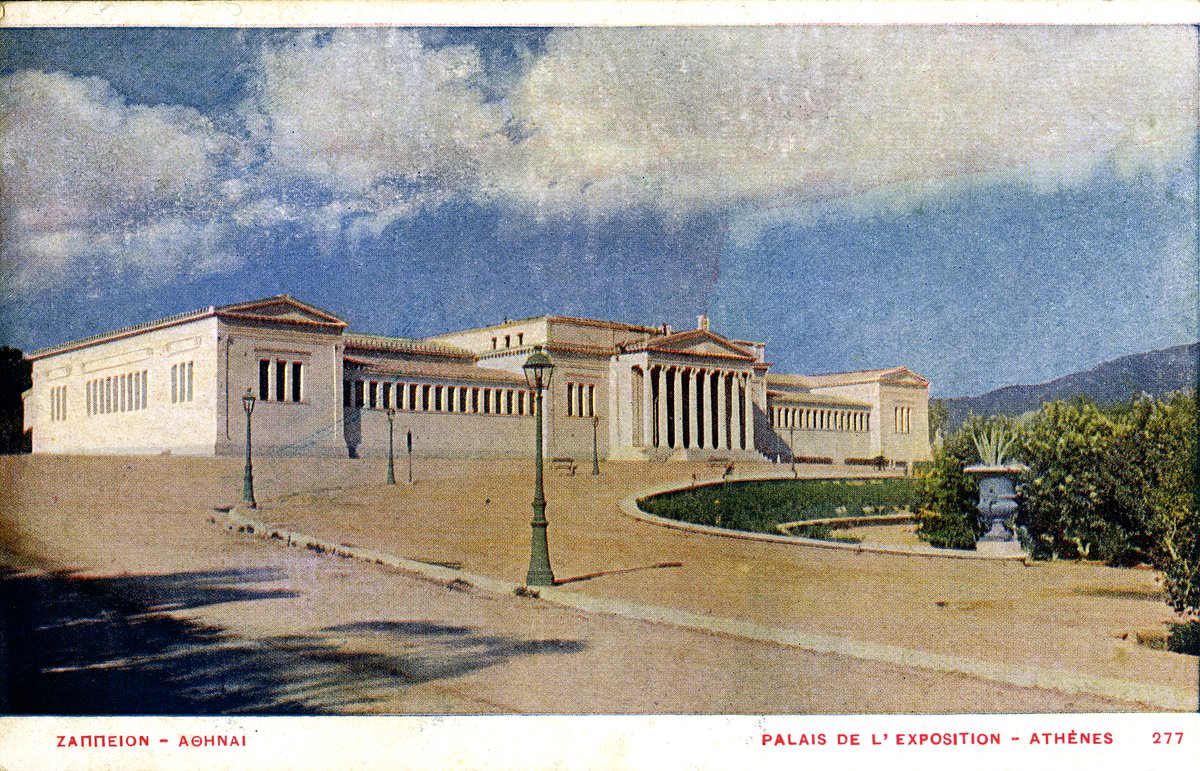
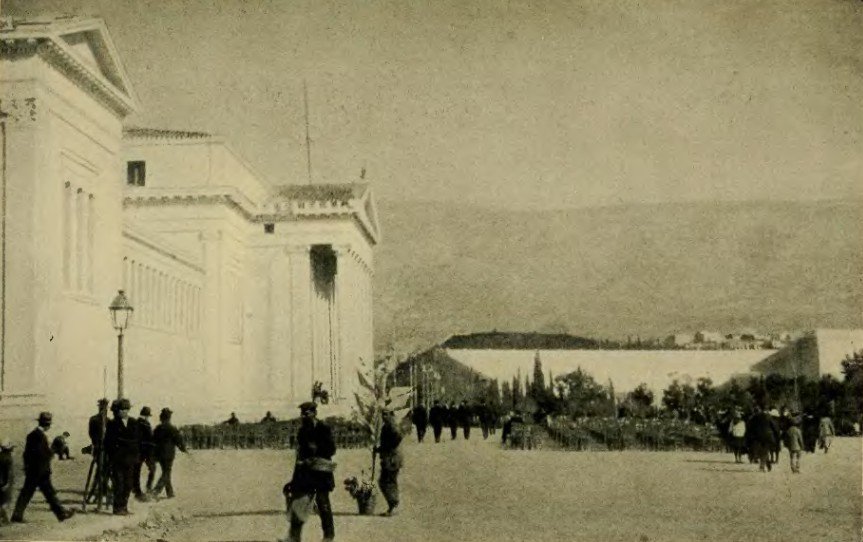
Theophil Hansen’s design for the Zappeion is a triumph of neoclassical architecture, with monumental Corinthian columns and a symmetrical façade constructed from marble and stone. Construction began in 1874, and the building opened its doors in 1888 (Wikipedia).
Olympic and Civic Role
The Zappeion hosted fencing events for the inaugural 1896 Olympics, served as the Olympic Village in 1906, and was the press center in 2004. It also played a role in broadcasting history as Greece’s first national radio station from 1938 to 1970 (Athens Guide).
What to See and Do
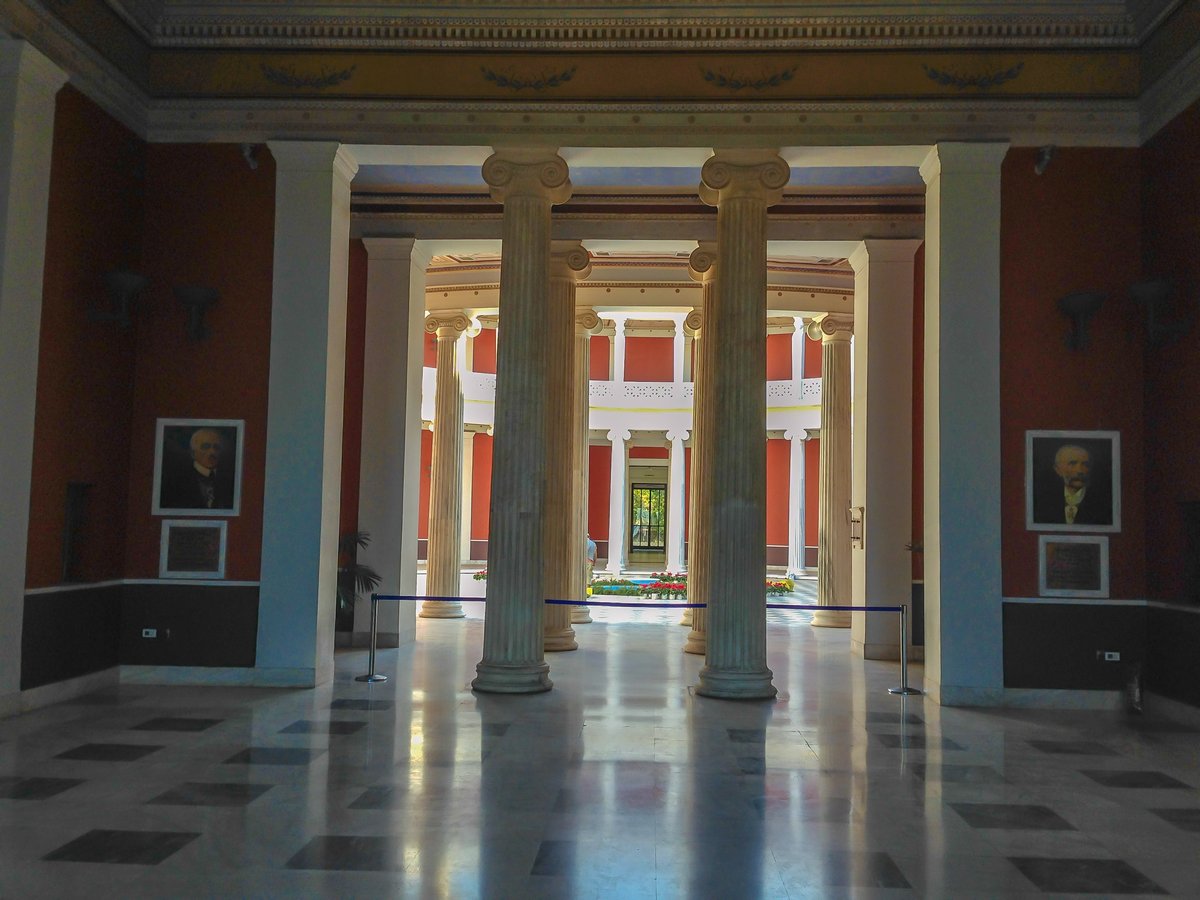
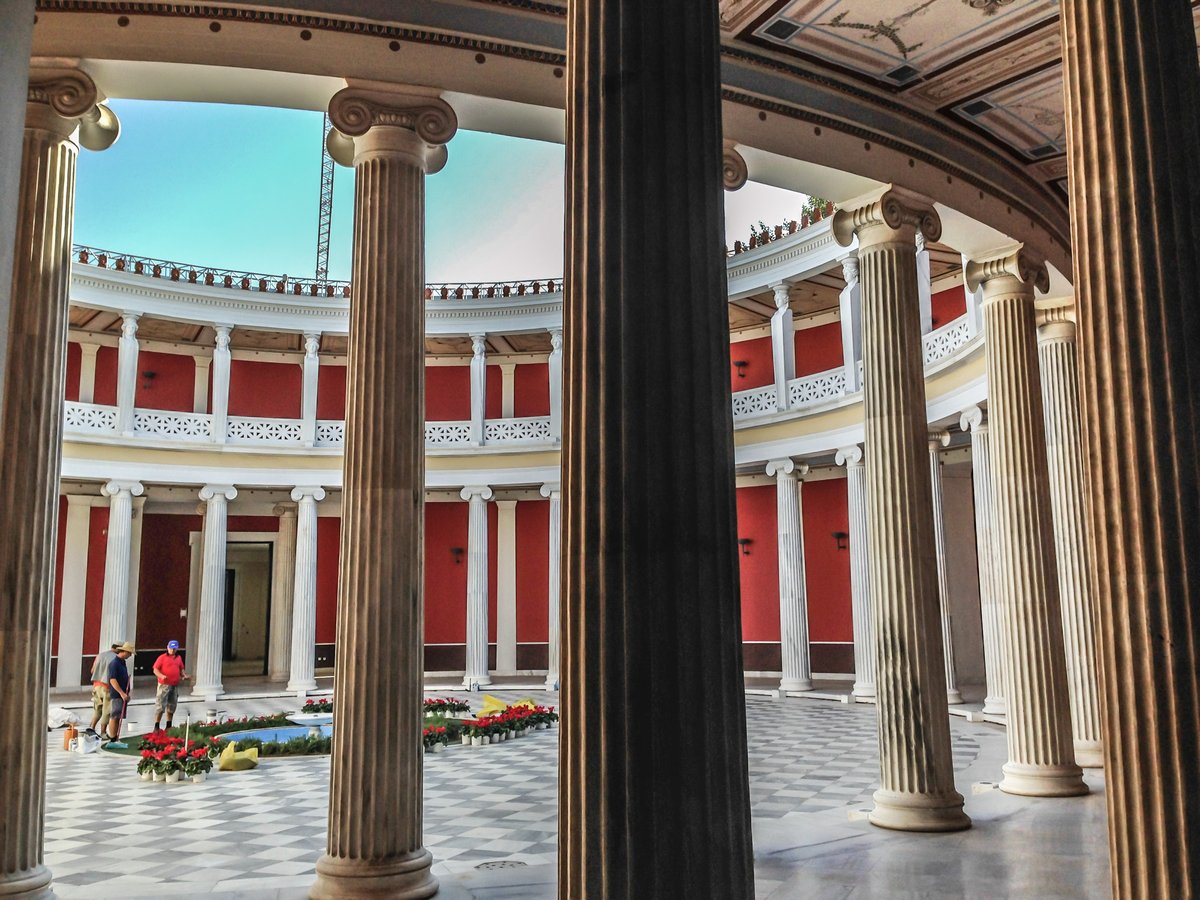
- Grand Exhibition Halls Explore the central atrium and surrounding rooms, which host a diverse array of exhibitions and events.
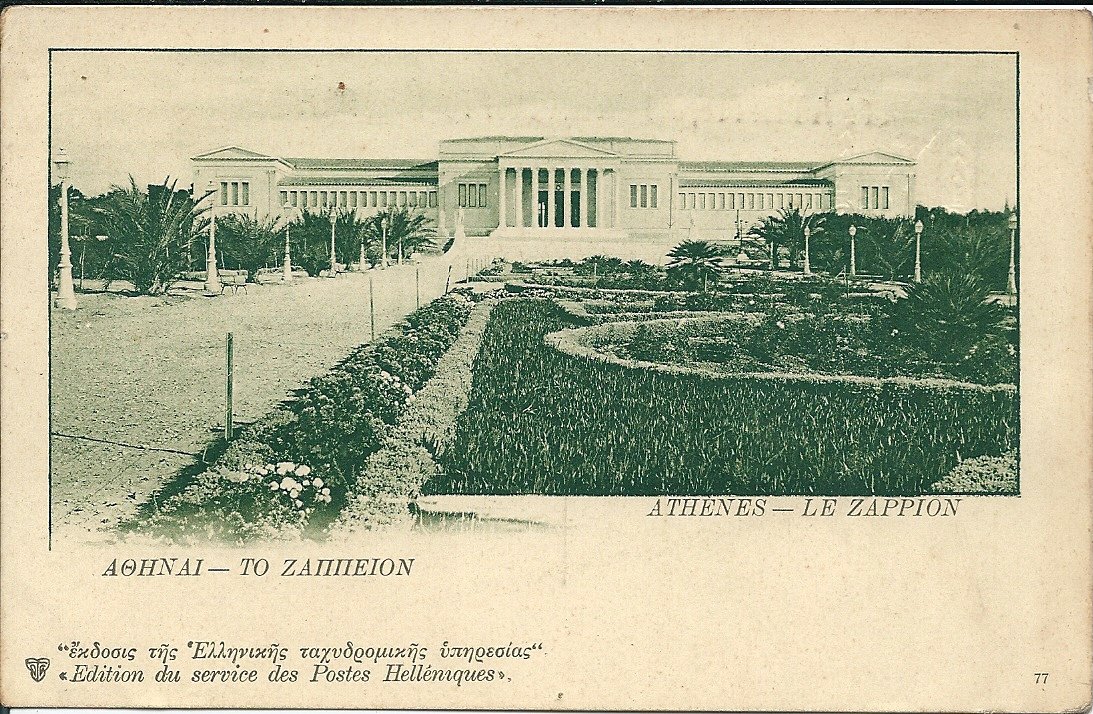
- Zappeion Gardens Relax in the landscaped gardens, adorned with statues of Greek benefactors, politicians, and mythological figures (Go Explore Greece).
- Photography Capture the neoclassical façade, tranquil gardens, and panoramic city views.
- Aigli Zappeiou Adjacent to the Megaron, this venue offers dining, an open-air cinema, and event spaces blending tradition with contemporary culture (Aigli Zappeiou History).
Practical Visitor Information
Visiting Hours
- Gardens Open daily from sunrise to sunset, year-round
- Megaron Interior Open to the public during exhibitions and special events (typically 9:00 AM – 7:00 PM); confirm details on the official website
Tickets
- Gardens Free entry
- Exhibitions/Events Usually free, but some may require tickets or registration—check event-specific information (ECDM Expo)
Accessibility
- Physical Access Ramps, elevators, and accessible facilities throughout the site
- Sensory Access While there are no specialized services for hearing or visually impaired visitors, the gardens’ sensory experiences are widely accessible
Getting There
- On Foot 10-minute walk from Syntagma Square (Greeka)
- Metro Syntagma Station (Red/Blue Line)
- Bus/Trolleybus Stop “Zappio” (multiple routes)
- Tram Zappio stop (Route 6)
- Private Transfer Pre-booked taxi or minibus
Architectural and Cultural Highlights
Neoclassical Design
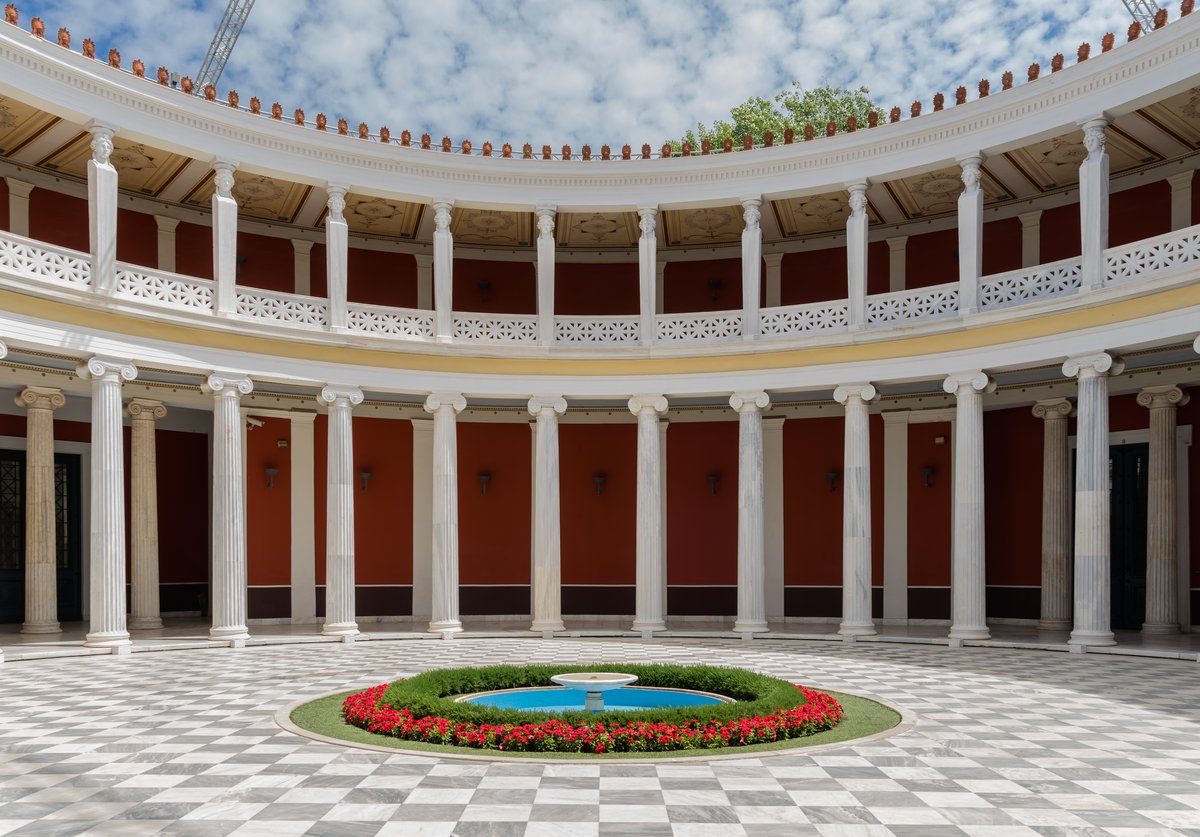
Hansen’s vision incorporated grand Corinthian columns, sculptural friezes, and curved arches, evoking the spirit of ancient Greek temples (Greek Reporter). The symmetrical façade and monumental propylaea create a stately entrance, while the use of marble and stone ties the building to Athens’ ancient legacy.
Spatial Layout
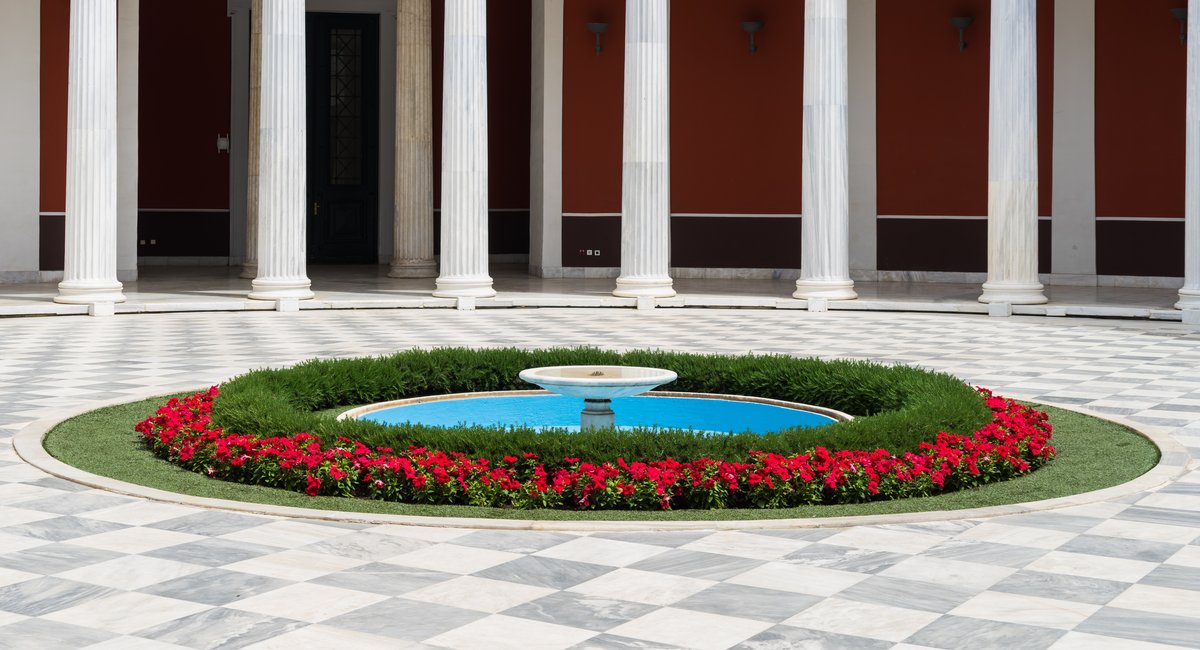
The building encompasses 4,546 square meters with 25 rooms and a central open-air circular atrium, surrounded by colonnades for light and openness (Wikipedia). Flexible interior spaces accommodate exhibitions, conferences, and ceremonies.
Decorative Features
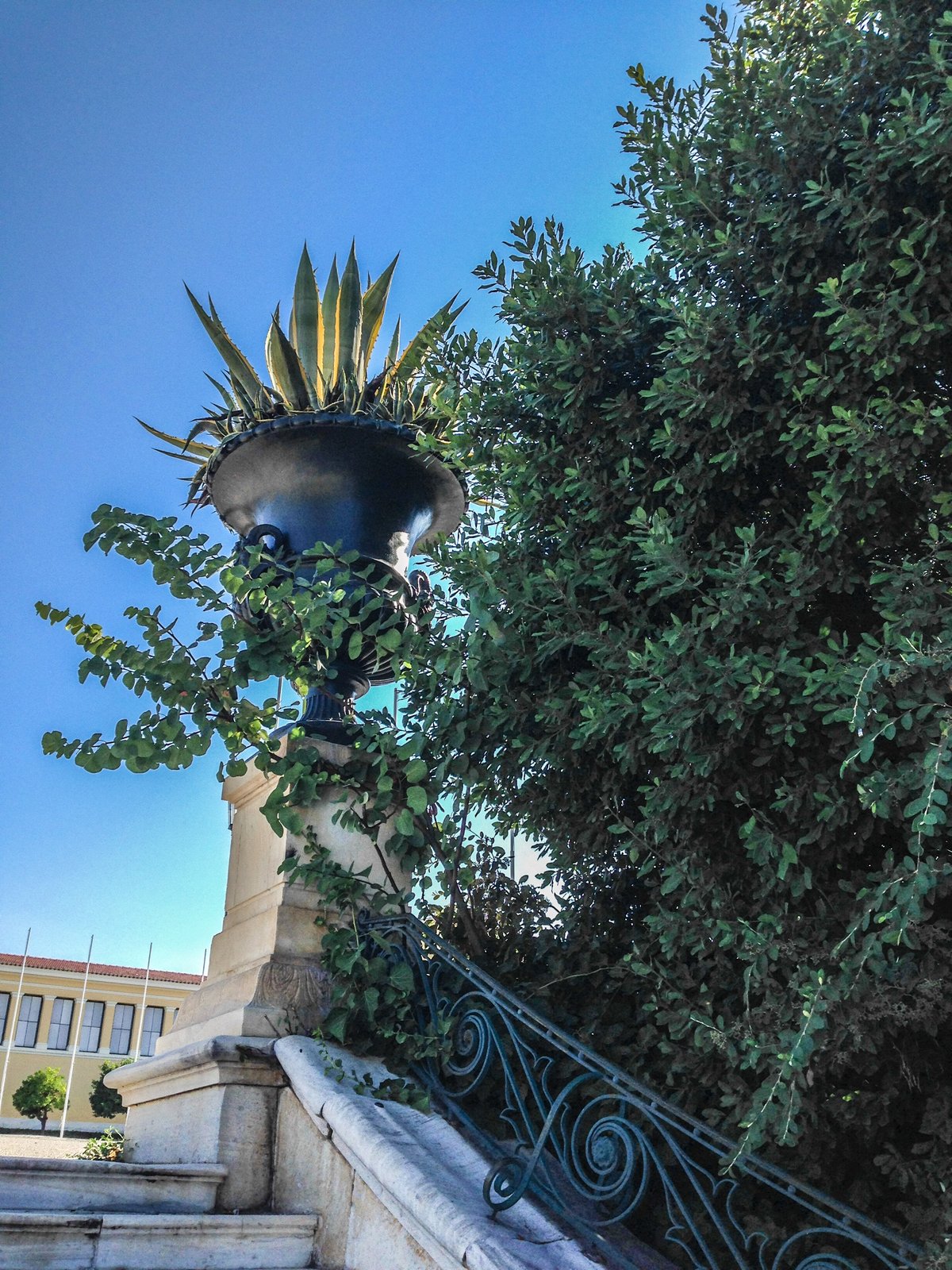
Both interior and exterior are adorned with laurel wreaths, acanthus leaves, and mythological motifs. The gardens feature statues of historic and allegorical figures, ornate benches, and iron lamp-posts, creating an elegant urban retreat (Athens by Locals).
Integration with Athens
Strategically situated between the National Gardens and the Temple of Olympian Zeus, the Zappeion forms a cultural axis with other major sites like the Panathenaic Stadium and Greek Parliament (Around Greece). The gardens amplify this connection, offering scenic views and shaded walkways.
Events and Community Life
The Zappeion hosts major conferences, art exhibitions, and social events, including the 10th anniversary of “This is Athens Agora” in April 2025 (This is Athens Agora Press Release). The adjacent Aigli Zappeiou has been reimagined as a contemporary cultural hub, offering dining, an open-air cinema, and multifunctional event spaces (Athens24).
Zappeion’s community role extends to daily life, with locals using the gardens for walks, jogging, and family gatherings, while annual art exhibitions (such as the Athens College centennial) reinforce its educational and cultural significance (Athens College Centennial).
Visitor Tips
- Best Times Spring and autumn for mild weather; early mornings for tranquility
- Guided Tours Available through local operators or by request at the Zappeion (Bey of Travel)
- Facilities Public restrooms and seating areas in gardens; nearby cafés and kiosks
- Safety The area is safe but stay aware of your belongings during busy events
- Photography Allowed in public areas; restrictions may apply during private events (Go Explore Greece)
Nearby Attractions
- Temple of Olympian Zeus Southeast of Zappeion
- Panathenaic Stadium Historic Olympic site nearby
- National Garden Adjacent, with lush botanical displays
- Syntagma Square & Greek Parliament 10 minutes north on foot
- Acropolis & Museum Walkable or one metro stop away (Greeka)
Frequently Asked Questions (FAQ)
Q: What are Zappeion’s visiting hours?
A: Gardens are open from sunrise to sunset; interior access varies—check the official website for event schedules.
Q: Do I need a ticket?
A: Gardens are free; some exhibitions/events may require tickets or registration.
Q: Is Zappeion accessible for people with disabilities?
A: Yes, fully accessible with ramps and adapted facilities.
Q: Are guided tours available?
A: Yes, by request or through local tour companies.
Q: Can I photograph inside the Zappeion?
A: Yes, in public areas; restrictions may apply during private events.
Visual Highlights
Internal Links
Explore more about Athens in our guides to the Acropolis, National Gardens of Athens, and Panathenaic Stadium.
Discover More
The Zappeion Megaron is an essential stop for anyone seeking to experience Athens’ unique blend of classical heritage and vibrant modern culture. Free garden access, frequent public exhibitions, and a diverse event calendar make it an inviting destination for all. Its proximity to major city landmarks and full accessibility ensure a seamless and enriching experience for every visitor. For up-to-date visiting hours, ticket policies, and event information, always consult the official Zappeion website. To enhance your visit, download the Audiala app for personalized travel guides and real-time updates.