


Place
Greece Updated Mar 2026
Somewhere beneath a pharmacy in central Athens, there is almost certainly an ancient wall. This is a city where construction crews routinely delay projects by years because they keep hitting antiquity — and where a tiny church on Evripidou Street has a Corinthian column from the 5th century BC punching straight through its roof, because nobody could agree on whether to save the column or the church, so they kept both. Athens, Greece, is not a place that resolves its contradictions. It layers them.
 Photo: Matheus Bertelli / Pexels
Built from cited sources · see the method · How we make our guides →
The standard pitch — birthplace of democracy, the Parthenon, cradle of Western civilization — is true but incomplete. What that framing misses is that Athens is also a loud, late, gestural, deeply social city where dinner before 9 pm is a minor eccentricity, where coffee is a two-hour commitment rather than a caffeine delivery mechanism, and where the cocktail bars are genuinely among the best on earth. Line ranked sixth on the World's 50 Best Bars list in 2024. Baba au Rum came in at seventeenth. These are not hotel lobby operations; they sit in narrow streets beside graffitied walls and motorcycle repair shops.
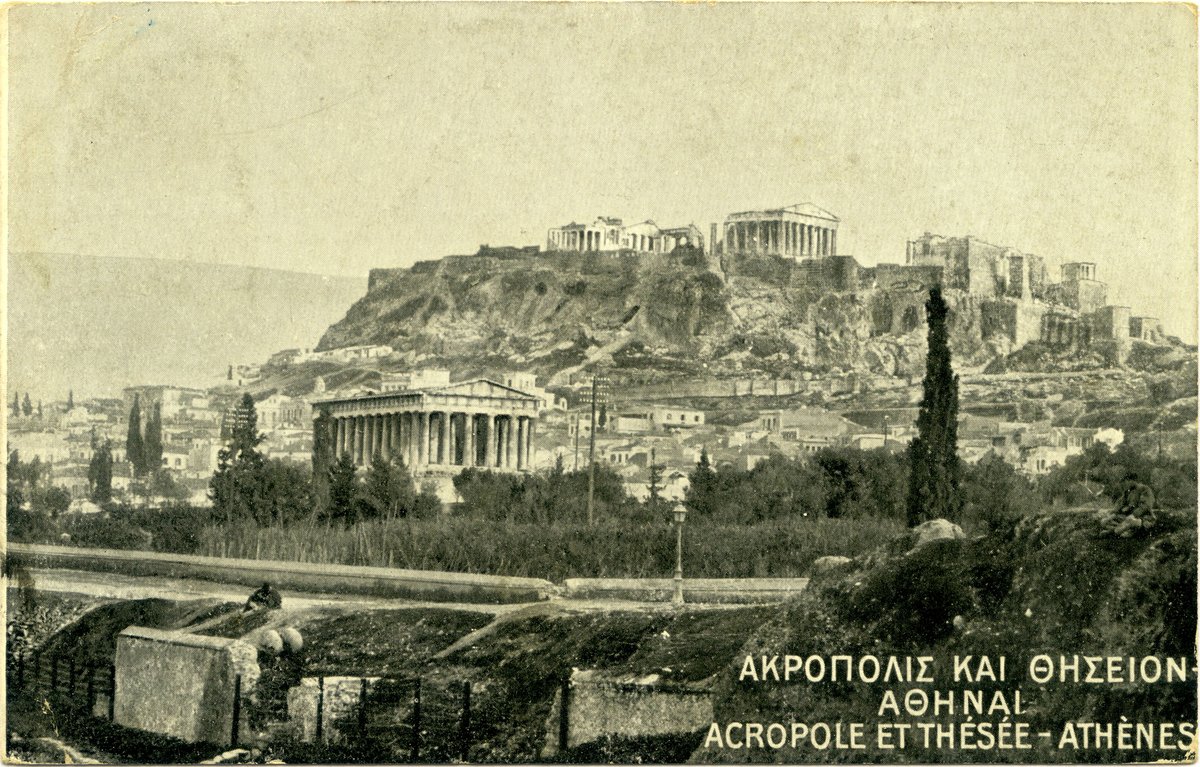
The layers are the point. Walk the Dionysiou Areopagitou promenade below the Acropolis and you pass Roman, Byzantine, Ottoman, and neoclassical buildings within ten minutes. The old Fix brewery is now the National Museum of Contemporary Art. A 19th-century gasworks in Gazi became Technopolis, a live-music and exhibition complex. The Stavros Niarchos Foundation Cultural Center, Renzo Piano's glass-and-concrete park-on-a-slope by the sea, houses the national opera and the national library under one roof. Athens keeps repurposing itself without erasing what came before.
Summer changes everything. From roughly May through September, Athenians move outdoors — to open-air cinemas where you watch films under the stars with the Acropolis lit up behind the screen, to rooftop bars, to sidewalk tables that spill across entire squares. The Athens Epidaurus Festival stages theater and music across venues from ancient amphitheaters to converted warehouses. August 15 empties the city as locals scatter to the islands, and some of the best restaurants simply close. Time your visit around these rhythms and Athens feels less like a museum and more like a city that happens to have one of the most important archaeological sites on earth in its backyard.
Not every monument, just the ones we'd walk you past ourselves.


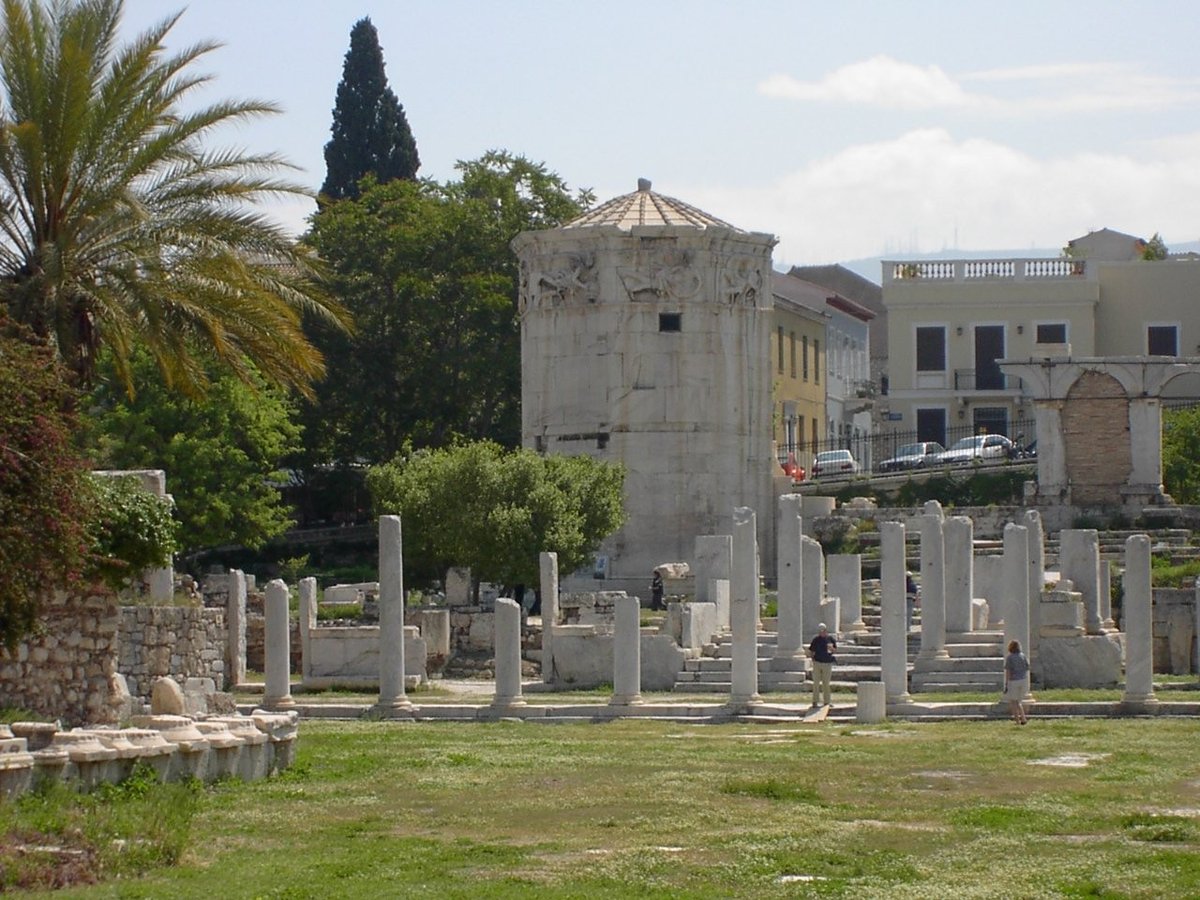
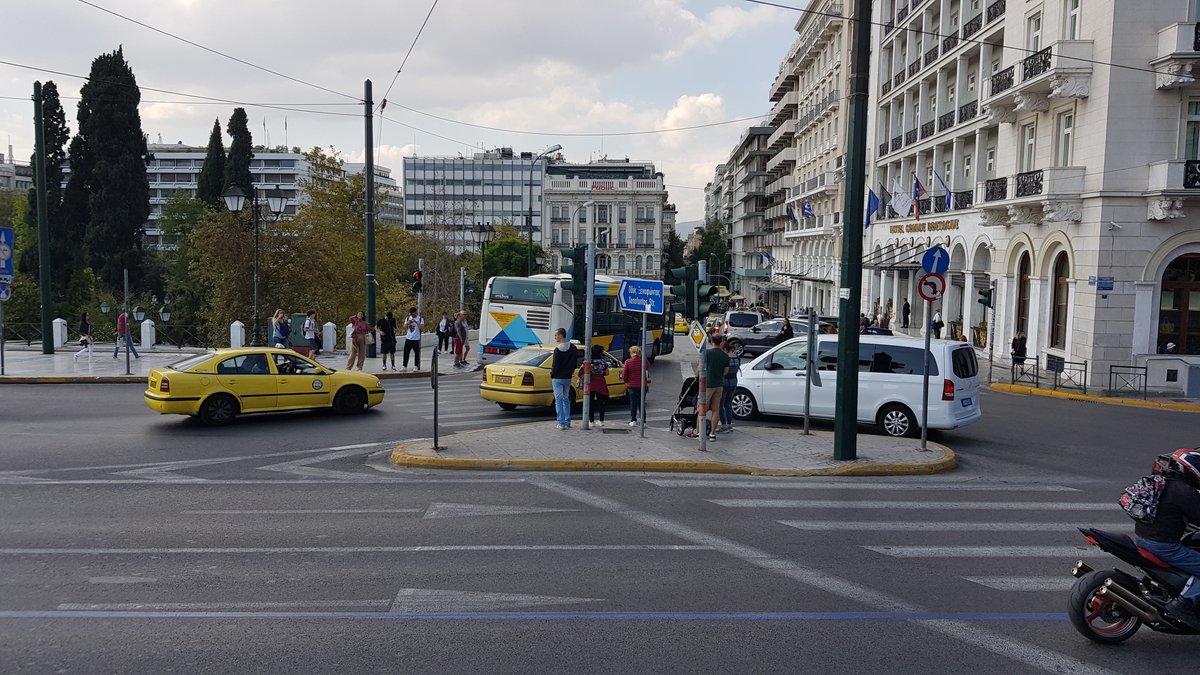
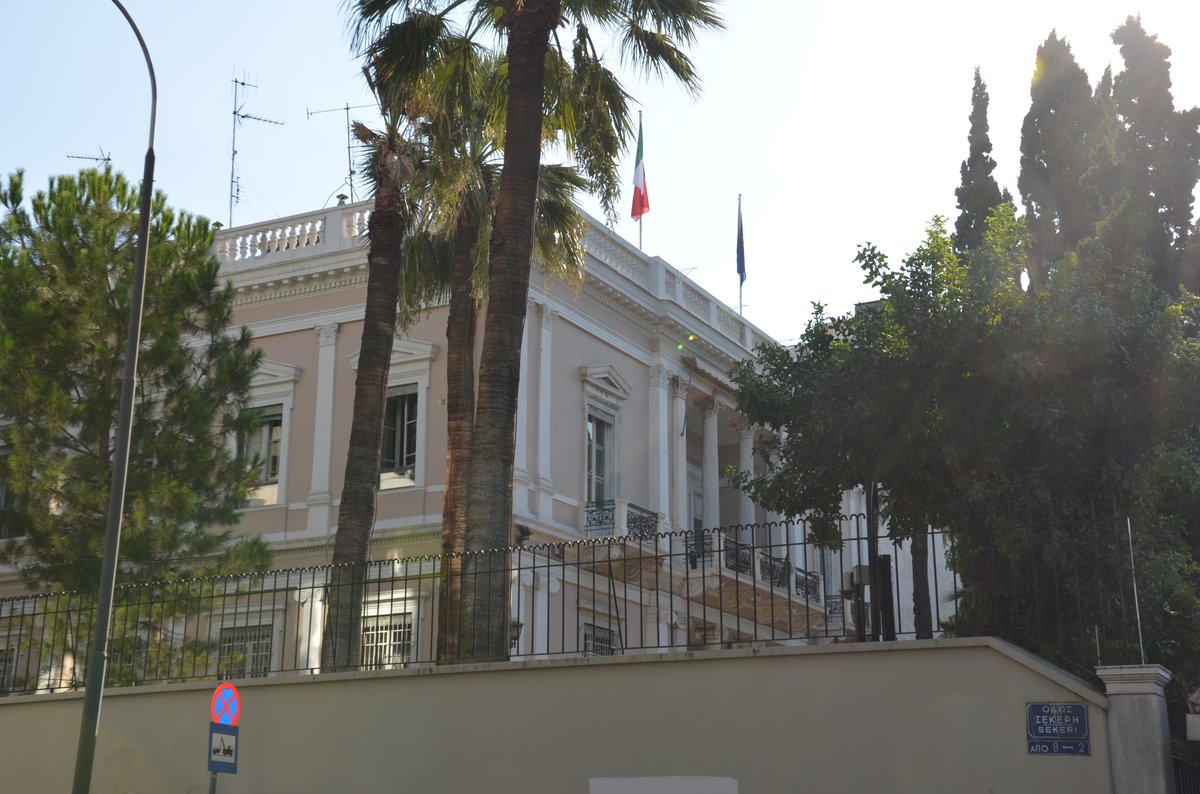
Where to wander, by quarter — each with its own rhythm.
Before you go
Curated from places in this city. Same price as official sites.


Prices shown are indicative — final pricing and availability are confirmed at checkout. Audiala may receive a commission from bookings made via these links.
Five thousand years on a limestone rock above the Attic plain
While other Mycenaean palace-cities crumble during the Bronze Age collapse, the fortress on the Acropolis survives. Workers cut a secret cistern deep into the bedrock of the north slope—an engineering feat that keeps the citadel supplied through sieges. Massive Cyclopean walls, some blocks weighing several tons, ring the summit. Athens endures when Mycenae, Tiryns, and Pylos do not, and that continuity becomes the foundation of its identity.
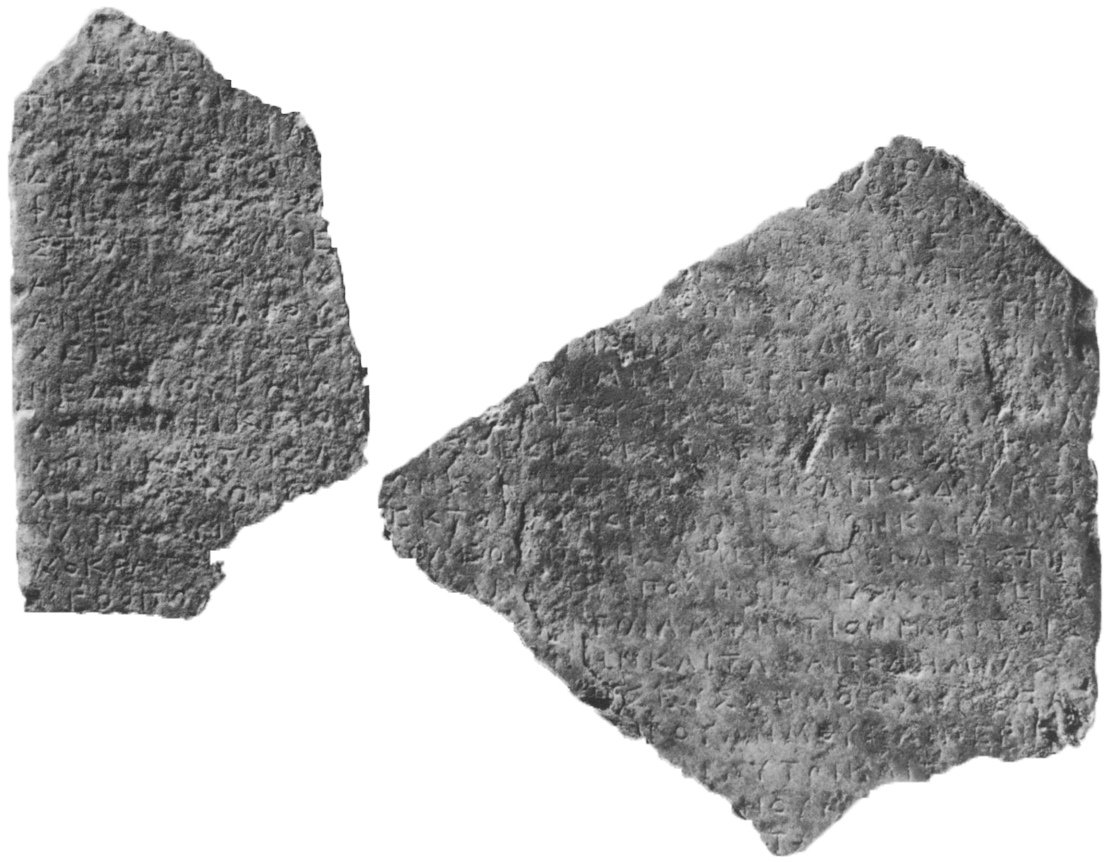
Athens gets its first written law code, and it is savage. Draco prescribes death for nearly every offense and allows creditors to enslave debtors and their families. But the laws are inscribed on wooden tablets and displayed publicly—a radical idea: for the first time, justice is written down rather than whispered by aristocrats. The word "draconian" survives 2,600 years later for good reason.
After the tyrant Hippias is expelled, the aristocrat Cleisthenes does something unprecedented: he gives power away. He reorganizes Attica's citizens into ten tribes based on geography rather than kinship, breaking the old clan networks. A new Council of 500, chosen by lot, governs daily business. He invents ostracism—citizens scratch a name on a potsherd, and the most-voted man is exiled for ten years. No king, no dictator. The world's first democracy.
The Persian Empire sends 25,000 soldiers across the Aegean to punish Athens. On the coastal plain of Marathon, 42 kilometers northeast of the city, roughly 10,000 Athenians and Plataeans charge at a run—closing the distance before Persian archers can thin their ranks. One hundred ninety-two Athenians die; they are buried together in a mound still visible today. Athens discovers it can beat a superpower, and nothing is ever the same.
Xerxes arrives with a vast army. Themistocles evacuates the entire city—women, children, the old—to the island of Salamis. The Persians march into an empty Athens and torch the Acropolis; the early Parthenon, the temples, everything on the sacred rock goes up in flames. Weeks later, in the narrow straits of Salamis, the Athenian-led fleet rams and sinks the Persian navy while Xerxes watches from a golden throne on the shore. The trauma of the burning and the miracle of the victory will fuel Athenian ambition for a generation.
Pericles redirects the Delian League treasury—money contributed by 150 allied cities for defense against Persia—and pours it into the most ambitious building program in the Greek world. The architects Ictinus and Callicrates design a temple with no true straight lines: every column swells slightly, every horizontal surface curves imperceptibly upward, correcting for optical illusions. Pheidias installs a twelve-meter gold-and-ivory statue of Athena inside. The building takes fifteen years and defines Western architecture forever.
With the Peloponnesian War barely a year old, a devastating epidemic tears through the overcrowded city. Refugees packed behind the Long Walls become perfect hosts. Thucydides, who catches the disease and survives, describes bodies stacked in temples, dogs dying after eating the dead, and the total collapse of social norms. Perhaps a third of the population perishes—including Pericles himself in 429 BCE. Athens never fully recovers its confidence.
After the catastrophic loss of the entire Sicilian expedition—200 ships, over 40,000 men destroyed at Syracuse—Athens fights on for another decade before starvation forces surrender. Sparta's terms are brutal: the fleet reduced to twelve ships, the Long Walls connecting Athens to its port demolished to the sound of flute music, and democracy replaced by the Thirty Tyrants. Within a year, democratic exiles fight their way back and restore self-government, but the empire is gone forever.
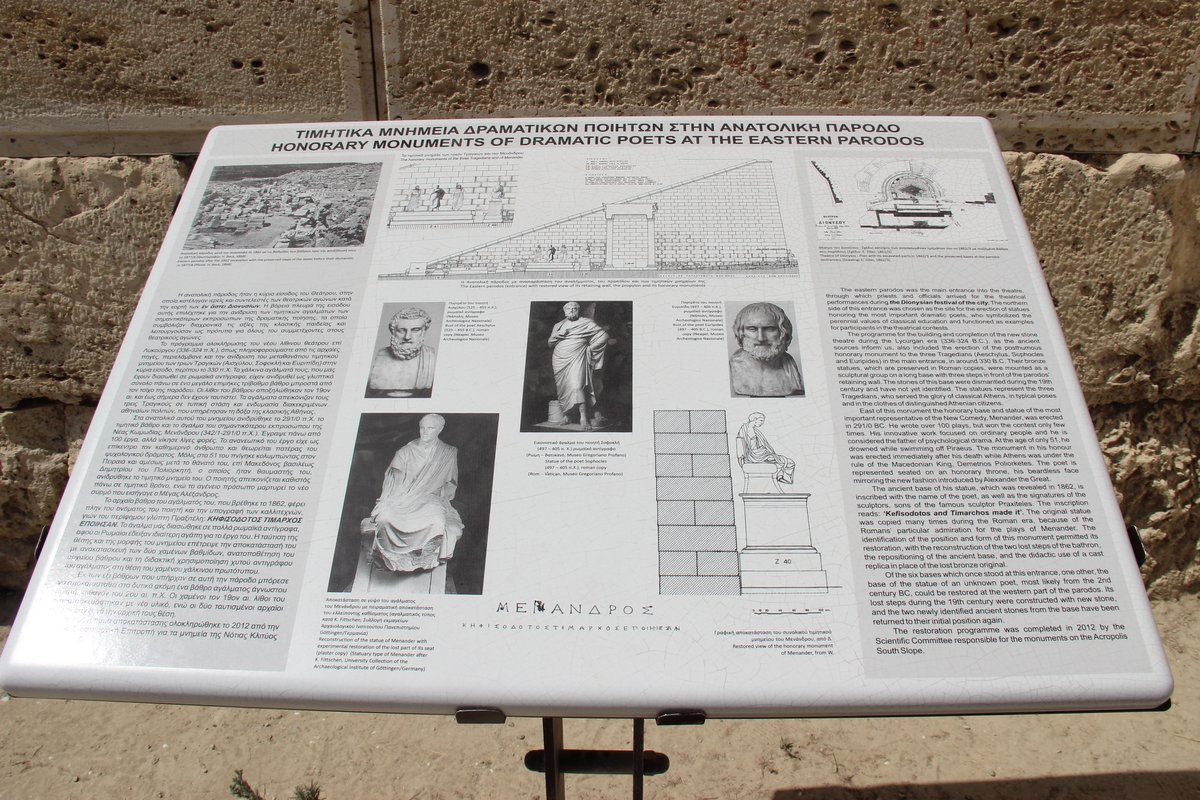
For decades the stonemason's son has paced the Agora, cornering politicians, generals, and poets with questions that expose what they don't know. Now, at seventy, he stands trial before 501 jurors on charges of impiety and corrupting the youth. Found guilty by a margin of only thirty votes, he refuses to flee. In a prison cell below the Acropolis, surrounded by weeping friends, he drinks the hemlock and waits for the numbness to climb his legs. His student Plato will spend the next fifty years making sure no one forgets.
In a grove sacred to the hero Academus, about a mile northwest of the city walls, Plato establishes what becomes the first institution of higher learning in the Western world. Students—including the seventeen-year-old Aristotle, who will stay for twenty years—study mathematics, dialectic, and political theory under the olive trees. The Academy will operate continuously for over nine hundred years, until an emperor in Constantinople decides philosophy is dangerous. The word "academy" enters every European language from this one grove.
At Chaeronea in Boeotia, Philip II of Macedon smashes the combined armies of Athens and Thebes. His eighteen-year-old son Alexander leads the decisive cavalry charge. Athens submits to Macedonian hegemony, retaining cultural prestige but losing the political independence it has held for two centuries. The orator Demosthenes, who spent years warning of exactly this, will eventually take poison rather than surrender. The age of the independent city-state is finished.
Athens makes a catastrophic bet, siding with Mithridates VI of Pontus against Rome. The Roman general Sulla besieges the city through a bitter winter, then breaches the walls near the Kerameikos cemetery. The sack is savage—the Agora destroyed, the Piraeus burned, artworks and libraries looted and shipped to Italy. Sulla reportedly spares what remains "for the sake of the dead"—meaning the city's ancestors. Athens will never again be a military power, but its schools of philosophy keep it relevant for five more centuries.
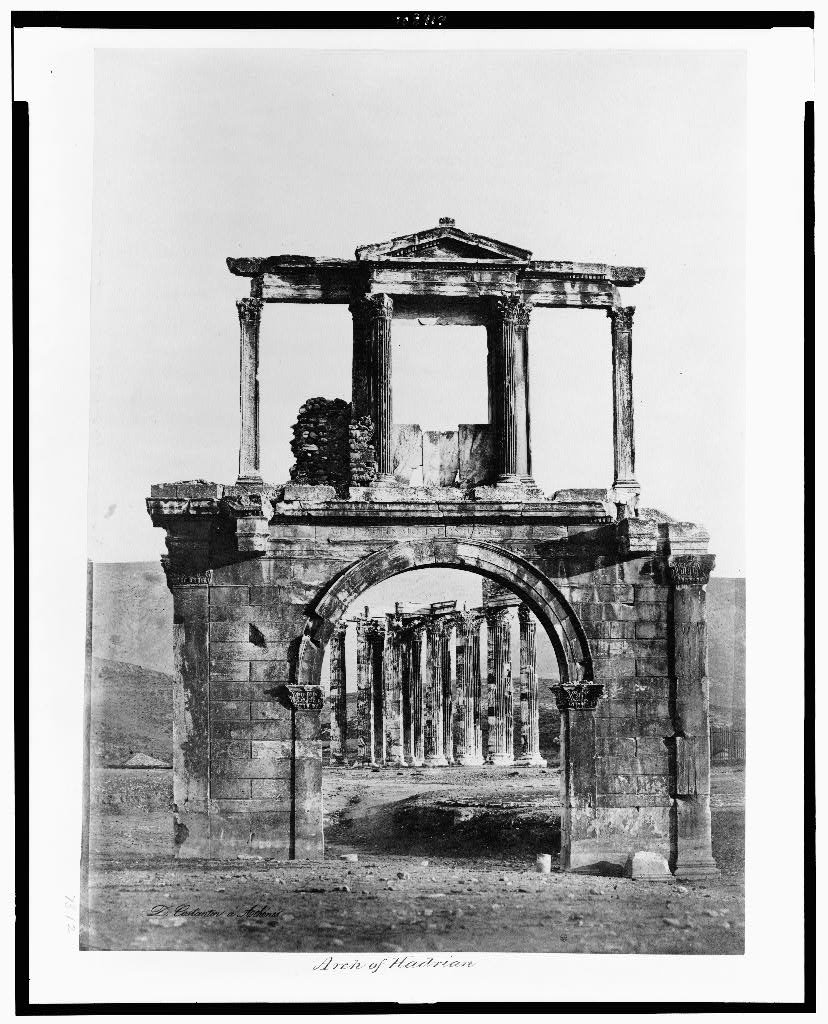
The philhellene emperor visits Athens repeatedly, is initiated into the Eleusinian Mysteries, and becomes an Athenian citizen. His greatest project: completing the Temple of Olympian Zeus, begun by the tyrant Peisistratos 638 years earlier—one of the longest construction projects in history. He builds a grand library, a new aqueduct, and an entire quarter called Hadrianopolis. His arch on Amalias Avenue still bears two inscriptions: "This is Athens, the ancient city of Theseus" on one face, and "This is the city of Hadrian, not of Theseus" on the other.
Emperor Justinian I decrees the closure of all pagan schools of philosophy in Athens—ending nine centuries of continuous teaching that stretches back to Plato's olive grove. The last Neoplatonist philosophers flee east to the court of the Persian shah. The Parthenon is converted into a church dedicated to the Virgin Mary, its pagan sculptures reinterpreted or chiseled away. Athens, the city that invented the examined life, enters a long intellectual silence that will last nearly a millennium.
The Fourth Crusade, originally aimed at the Holy Land, sacks Constantinople instead and carves up the Byzantine Empire among Western lords. The Burgundian knight Othon de la Roche rides into Athens and claims it as his own. The Parthenon—already a church for seven centuries—becomes Notre Dame d'Athènes, a Catholic cathedral with French-speaking priests. Catalans, Florentine bankers, and Aragonese mercenaries will each take turns ruling the city over the next 250 years, each leaving their mark on the Acropolis fortress.
Sultan Mehmed II, fresh from conquering Constantinople five years earlier, enters Athens and climbs to the Acropolis. According to chroniclers, he is genuinely awed by the Parthenon and orders the ancient monuments preserved. A minaret is added; the building becomes a mosque. Athens settles into three and a half centuries as a quiet Ottoman provincial town of perhaps 10,000 souls, governed by a military commander on the Acropolis, with the ancient ruins slowly absorbed into the fabric of daily life.
On September 26, Venetian commander Francesco Morosini bombards the Acropolis during the Great Turkish War. The Ottomans have stored their gunpowder inside the Parthenon, believing no Christian would target a former church. A single mortar shell ignites the magazine. The explosion blows off the roof, collapses the interior colonnade, and kills roughly 300 people sheltering inside. Morosini then tries to pry Poseidon's horses from the west pediment as a trophy—they slip and smash on the ground. In one evening, more damage is done than in the previous two thousand years combined.
The British ambassador to the Ottoman Empire arrives with workmen and a dubious permit from the Sultan. Over the next decade they saw, pry, and crate roughly half the surviving Parthenon sculptures—entire metopes, slabs of the frieze, figures from both pediments—and ship them to Britain. Sold to the British Museum in 1816 for £35,000, the marbles remain in London to this day. Greece has never stopped asking for them back, and the New Acropolis Museum, opened in 2009, keeps an empty gallery waiting.
On March 25—now Greece's national holiday—the Greek War of Independence erupts. In Athens, revolutionaries besiege the Ottoman garrison on the Acropolis in a brutal back-and-forth that drags on for years. The turning point comes at sea: in October 1827, British, French, and Russian fleets obliterate the Ottoman-Egyptian navy at Navarino. By 1832, the European powers recognize an independent Greek state. After nearly four centuries of Ottoman rule, Athens is free—but it is a village of 4,000 people living among ruins.
The new Greek state, led by a seventeen-year-old Bavarian prince installed by the European powers, chooses Athens as its capital—more for its symbolic weight than its practical merits. German architects Leo von Klenze and Eduard Schaubert draw up a neoclassical city plan. Workers systematically strip centuries of Byzantine, Frankish, and Ottoman structures from the Acropolis, erasing medieval Athens to reveal the classical city beneath. Syntagma Square is laid out, the University of Athens founded in 1837, and a dusty village begins its transformation into a European capital.
On April 6, before 80,000 spectators packed into the rebuilt marble Panathenaic Stadium, King George I opens the first modern Olympic Games. Fourteen nations send 241 athletes. The emotional climax: Spyros Louis, a water carrier from the village of Marousi, wins the marathon—running the route from Marathon to Athens that Pheidippides legendarily covered 2,386 years before. Greece wins more gold medals than any other nation. For a country barely sixty years old, it is a declaration that the heirs of the ancients are back.
The Greco-Turkish War ends in catastrophe. Under the Treaty of Lausanne, 1.2 million Greeks are expelled from Anatolia—communities that had lived in Asia Minor for three thousand years, gone in months. Tens of thousands pour into Athens, nearly doubling its population. Entire new neighborhoods spring up: Nea Smyrni, Kaisariani, Nea Ionia—named for the places left behind. The refugees bring rebetiko music, Anatolian cuisine, and a grief that will mark Greek culture for generations. Athens is no longer a sleepy neoclassical capital; it is a teeming, chaotic, modern city.
On April 27, German soldiers raise the Nazi flag on the Acropolis. Within weeks, the occupation force requisitions Greece's food supply for the Wehrmacht. The winter of 1941–42 brings the Great Famine: an estimated 100,000 to 300,000 Greeks starve to death, bodies collected from Athens streets each morning. On May 30, two teenagers—Manolis Glezos and Apostolos Santas—climb the Acropolis at night and tear down the swastika, one of the first acts of resistance in occupied Europe.
On November 17, students barricade themselves inside the Athens Polytechnic and broadcast on a makeshift radio: "This is the Polytechnic! People of Greece, the Polytechnic is the flag bearer of our struggle!" At 3 a.m., a tank crashes through the iron gates. At least twenty-four people are killed. The junta limps on for eight months before collapsing after its disastrous coup in Cyprus. November 17 becomes a national holiday, and no Greek government since has sent security forces onto a university campus without intense public reckoning.
The actress who danced barefoot through Piraeus in Never on Sunday becomes Greece's Minister of Culture and immediately launches a campaign for the return of the Parthenon sculptures from the British Museum. She invents the European Capital of Culture program—Athens is named the first, in 1985—and transforms Greece's relationship with its heritage from passive curation to fierce advocacy. "They are the symbol and the blood and the guts of the Greek people," she tells the Oxford Union. She dies in 1994 without seeing the marbles returned, but the campaign she ignited has never stopped.
On August 13, the Olympic flame returns to the Panathenaic Stadium where the modern games began 108 years earlier. Athens has spent over €9 billion on infrastructure: a new international airport, extended metro lines, the Attiki Odos motorway, and a tram connecting the city to the coast. Over 10,000 athletes from 202 nations compete. The opening ceremony traces Greek civilization from the Cycladic era to the present. The games are a triumph of national pride—though the debt they helped accumulate will haunt the country within five years.
Philosopher · 470–399 BC
Born and died here
Socrates never left Athens except to fight in its wars, and the city repaid him with a cup of hemlock. He philosophized in the Agora, interrogated citizens outside the Stoa, and was tried and executed in the very courts whose ruins you can still walk through. The spot near the Ancient Agora where he reportedly drank the poison is unmarked — Athens has always been ambivalent about its most famous troublemaker.
Statesman · 495–429 BC
Born and died here
Pericles turned Athens from a powerful city-state into the cultural capital of the ancient world, commissioning the Parthenon and the buildings on the Acropolis that still define the skyline. He spoke from the Pnyx hill, where you can stand today and look out at the same view he used as a backdrop for persuading Athenians to fund the most expensive building program of the classical world. He died of plague in the city he transformed.
Actress and politician · 1920–1994
Born and died here
Mercouri became internationally famous for Never on Sunday, filmed in Piraeus harbor, but her real Athens legacy is political — as Minister of Culture, she launched the European Capital of Culture program and campaigned relentlessly for the return of the Parthenon Marbles. The Acropolis Museum's top-floor gallery, with its empty spaces where the marbles should sit, is essentially her argument made architectural.
Archaeologist · 1822–1890
Lived here 1869–1890
The man who dug up Troy made Athens his home and built the Iliou Melathron, a lavish mansion on Panepistimiou Street that now houses the Numismatic Museum. Schliemann filled it with Pompeian-style frescoes and mosaic floors inscribed with Homeric quotes — you can still sit in his garden cafe and drink coffee surrounded by his theatrical vision of ancient Greece.
Opera singer · 1923–1977
Raised and trained here
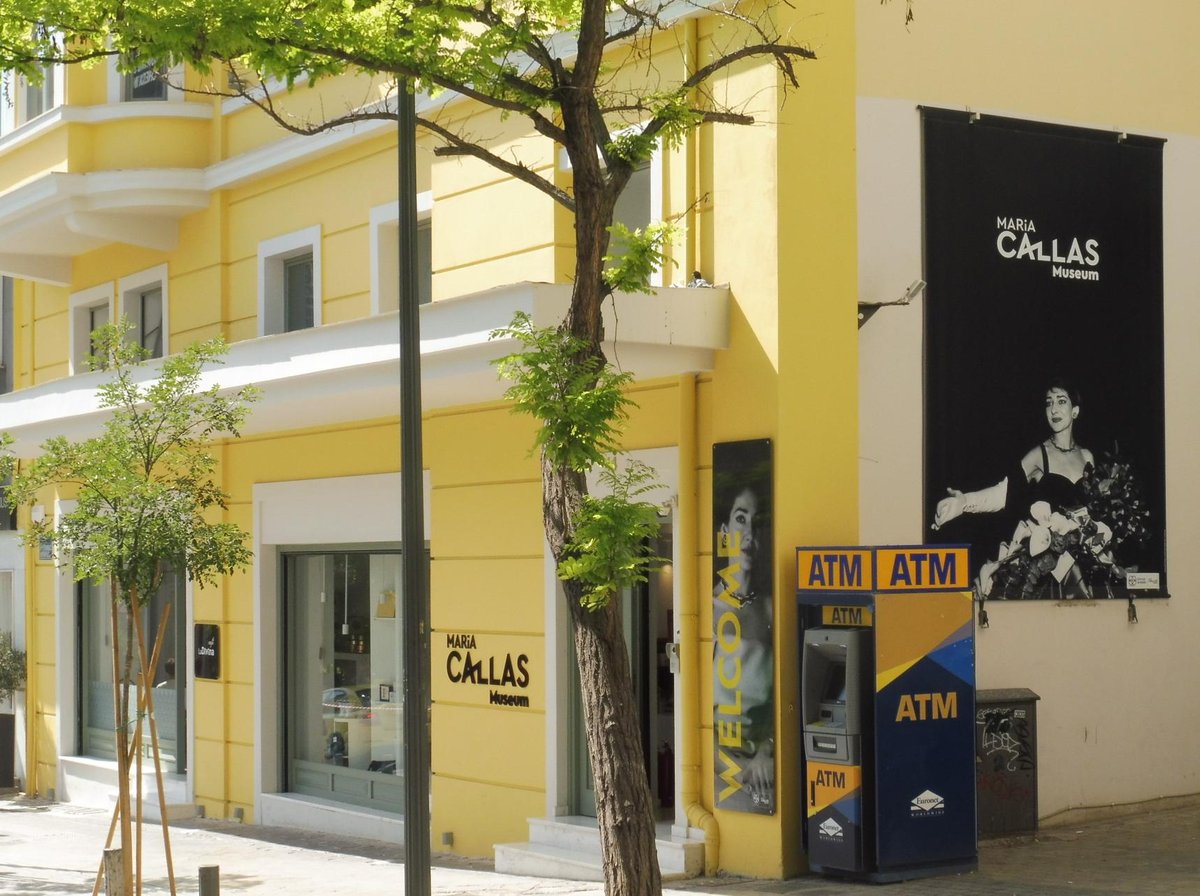
Callas arrived in Athens as a thirteen-year-old from New York and trained at the Athens Conservatoire during the German occupation, performing at the Odeon of Herodes Atticus before she was twenty. The city shaped her voice in conditions of real hardship — wartime hunger and occupied streets — and she carried that intensity into every performance for the rest of her career.
Architect · 1887–1968
Born and worked here
Pikionis designed the landscaped pathways around the Acropolis and Philopappou Hill in the 1950s, laying each stone by hand to create paths that feel ancient but are entirely modern. Walk the Dionysiou Areopagitou promenade and you're experiencing his masterwork — a conversation between bare rock, planted trees, and salvaged marble fragments that makes the approach to the Acropolis feel inevitable rather than designed.
Where locals actually book dinner — not the tourist menus.
Not a tourist cliché but an actual daily ritual. Pork or chicken grilled over charcoal, wrapped in a warm pita with tomato, onion, and tzatziki. The best versions come from no-frills joints in Monastiraki and Psirri where the queue tells you everything.
Layers of eggplant, minced meat, and potato crowned with a thick béchamel crust, baked until the top blisters. The taverna version — served in a square cut from a large tray — beats any plated restaurant interpretation. Best eaten at a neighborhood place where the menu is short and the portions are not.
Athens' central market on Athinas Street is part butcher hall, part fish market, part sensory overload. The surrounding streets — especially Evripidou — are lined with spice shops, olive merchants, and cheap lunch counters serving tripe soup and grilled octopus to traders and taxi drivers.
Boiled seasonal greens — amaranth, chicory, dandelion — dressed with olive oil and lemon. Sounds austere, tastes like the Greek countryside distilled to a plate. Available at almost every taverna and an essential counterpoint to the meat-heavy dishes.
Morning starts with a small briki-brewed coffee, thick and silty, ordered sketo (no sugar), metrio (medium), or glyko (sweet). By afternoon the city switches to freddo espresso or freddo cappuccino — cold, frothy, and consumed at glacial pace at a café table. The coffee is the excuse; the sitting is the point.
Small plates of grilled octopus, fried calamari, marinated anchovies, taramasalata, and fava bean purée shared across a table with ouzo or tsipouro. The best spots are around Piraeus' Mikrolimano harbor or at old-school ouzeries in Psirri, where the waiter brings what's fresh rather than what you ordered.
Fried dough puffs drizzled with honey and cinnamon, crisp outside, molten inside. Street vendors and dedicated shops in Monastiraki and Psirri serve them hot from the fryer. The traditional version with honey and walnuts is better than the modern Nutella variations, but nobody will stop you.
Flaky phyllo pastry filled with semolina custard cream, dusted with powdered sugar and cinnamon. Originally a Thessaloniki specialty that has thoroughly colonized Athens' bakeries and breakfast counters. Best eaten warm, standing at the counter, before the pastry has time to lose its shatter.
Small things that change how the city treats you.
The city, as it actually looks.

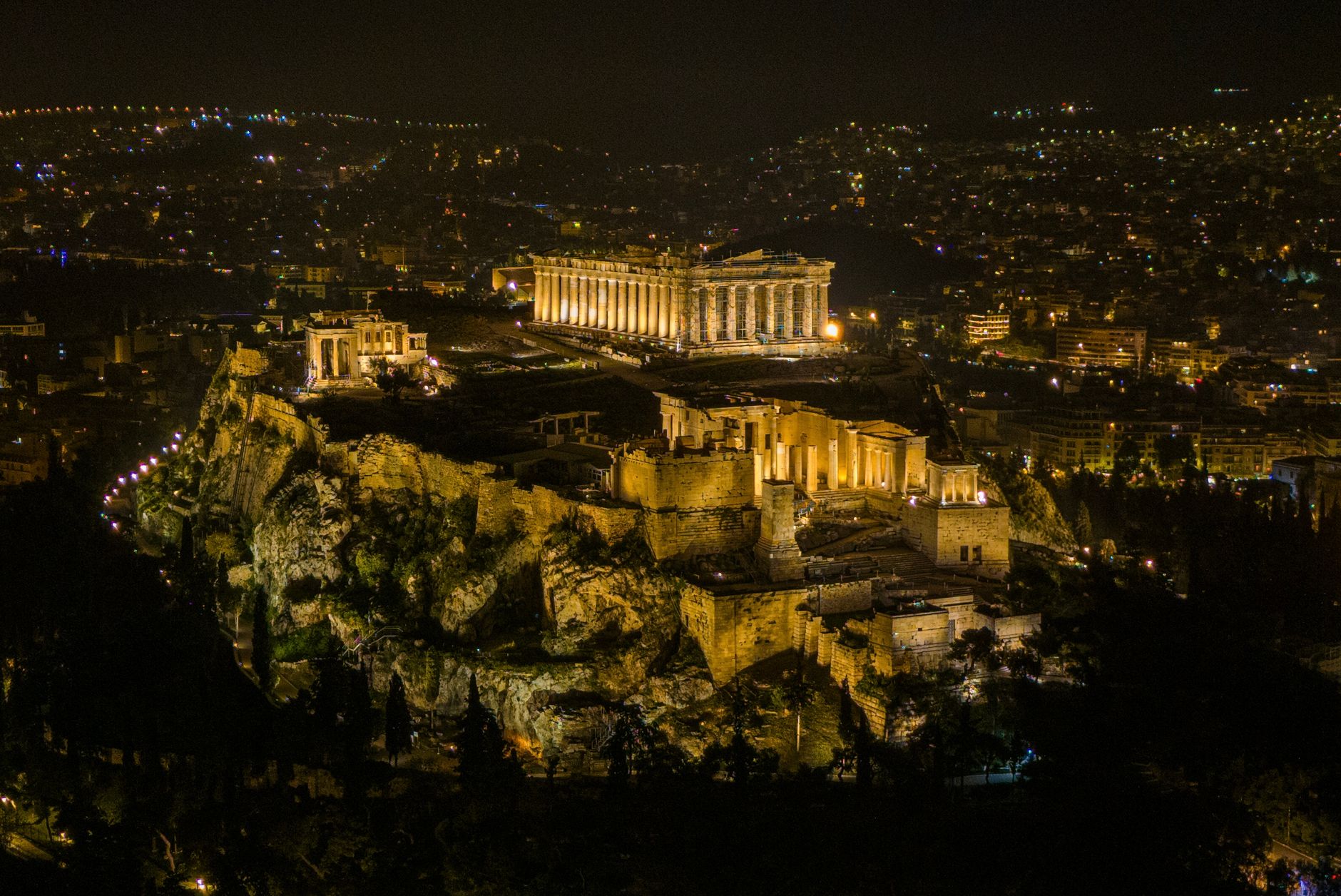


Absolutely. Athens layers 2,500 years of history into a loud, walkable, food-obsessed city that feels nothing like a museum piece. The Acropolis alone justifies the trip, but the real draw is how classical ruins, Byzantine churches, Ottoman traces, and a thriving contemporary arts scene collide within a few square kilometers. Add world-class cocktail bars, summer open-air cinemas, and some of the best street food in Europe, and you have a city that rewards three days or three weeks.
Three to five days is the sweet spot. Two days cover the Acropolis, the Acropolis Museum, and the Ancient Agora, but you need a third day for the National Archaeological Museum, Lycabettus Hill, and proper neighborhood exploring in Pangrati or Petralona. A fourth or fifth day opens up day trips to Sounion, Aegina, or Delphi.
Metro Line 3 runs to Syntagma Square in about 40 minutes for €10 one-way. The X95 express bus costs €6 and runs 24/7, which makes it the best option for late arrivals. Fixed-rate taxis cost €38 during the day and €54 at night. Use official yellow taxis from the arrivals rank or the Beat/Uber apps — avoid anyone offering rides inside the terminal.
Athens is generally safe, with main risks limited to petty theft and tourist-targeted scams. Pickpockets are active on Metro Line 1 (especially Monastiraki and Omonia stations), crowded buses, and the Monastiraki flea market — use front pockets or a money belt. Exercise normal urban caution around Omonia Square at night. The Tourist Police line (1571) offers English-speaking assistance.
April-May and September-October are ideal. Spring brings 20-25°C temperatures, wildflowers, and manageable crowds; autumn offers warm weather, sea temperatures around 24°C, and excellent light. July-August means 35°C+ heat and peak crowds at the Acropolis. Winter (November-February) is underrated — near-zero queues, half-price archaeological sites, and pleasant 10-14°C weather for walking.
Cards are widely accepted at restaurants, hotels, and shops, but you still need cash for small cafes, street food vendors, market stalls, and some taxis. Smaller places sometimes enforce a €10-15 minimum for card payments. ATMs are everywhere in central Athens — always choose to pay in euros when prompted to avoid unfavorable dynamic currency conversion rates.
Pangrati is the strongest all-rounder for eating beside Athenians rather than tourists — cafes, low-key bars, and local tavernas. Petralona is the classic for home-style Greek cooking, with Oikonomou as the neighborhood institution. Psirri is the easiest first-night pick with dense bars and street food. For street food specifically, hit the stalls around Evripidou Street near the central market.
The Acropolis-only ticket is €20, but the €30 combined ticket is much better value — it covers seven sites including the Ancient Agora, Temple of Olympian Zeus, Hadrian's Library, and Kerameikos, and is valid for five days. Book online at etickets.tap.gr to skip the queue. The Acropolis Museum is a separate €15 ticket. From November to March, prices drop roughly 50%.
235 places to discover






Showing 1–48 of 235 places
Saved and recently read places — kept on this device only.
Photos may have been resized or cropped.