What the Makriyannis Area Is
The Makriyannis district lies beside the southern slope of the Acropolis, near the Acropolis Museum and Acropolis metro station. Its open-air statue of General Ioannis Makriyannis commemorates a pivotal figure in the Greek War of Independence and in Greek political and literary history. Sculpted by Giannis Pappas, the statue was installed in 1996 (Military Tourism).
The district brings together historic sites and contemporary urban life. Pedestrian-friendly Dionysiou Areopagitou Street has cafés, musicians, galleries and cultural events, while literary cafés and independent bookshops reflect Makriyannis’s influence on modern Greek literature and identity (Athens Guide, Travel.gr).
History
Ioannis Makriyannis was born Ioannis Triantaphyllos in 1797 in Avoriti, central Greece. Orphaned young after his father was killed by Ottoman forces, he faced hardship that helped shape his commitment to Greek independence and social justice (HellenicaWorld). With little formal education, he became involved in trade and used his earnings to finance revolutionary activities (Academia.edu).
Makriyannis joined the Filiki Etaireia in 1820 and became a military leader in battles including Stavros and Peta, as well as in the defense of Athens (Greece High Definition). Despite severe injuries, he continued his involvement in public life. After the war, he advocated constitutional government and social welfare, contributing to the formation of the early Greek state (ASCSA).
The district, named for the general, was once a semi-rural suburb. It became central to Athenian life after independence and the city’s expansion (Travel.gr). It witnessed events including the 1944 Dekemvriana clashes and today has neoclassical, interwar and modern architecture.
Makriyannis’s Memoirs (Απομνημονεύματα), written between 1829 and 1850 in Demotic Greek, give a firsthand account of the Greek War of Independence and its aftermath (Wikipedia). Celebrated for their authenticity, they are a touchstone of modern Greek literature and have shaped national identity.
What to See
The statue and the Makriyannis Wing
The statue is an open-air monument near the Acropolis Museum and the Acropolis metro station. The nearby Ioannis Makriyannis Wing of the American School of Classical Studies offers exhibitions and educational programs on Makriyannis and Greek history (ASCSA).
Makriyannis House is another historical site, but it is rarely open to the public and is available only during special events (Greek Ministry of Culture).
The district and its literary legacy
The area has literary cafés, independent bookshops and cultural events. Little Tree Books and Coffee is one local example (Athens Guide). There is no dedicated literary museum, but the Acropolis Museum and National Library of Greece occasionally host related exhibitions, and local bookshops offer editions of the Memoirs and related literature.
Nearby landmarks and local life
- Acropolis Museum Houses more than 4,000 artifacts and anchors the district. It hosts regular exhibitions and events (official site, events calendar).
- Dionysiou Areopagitou Street A pedestrian route lined with neoclassical buildings, galleries and cafés, and a venue for festivals (Headout).
- Theater of Dionysus and Odeon of Herodes Atticus Ancient venues that host performances, especially in summer (Travel.gr).
- Makriyannis Military Barracks A historic site that is not open to the public but is included in some tours.
- Plaka and Anafiotika Historic neighborhoods within walking distance, with old-town character (Lonely Planet).
Sidewalk cafés and tavernas serve traditional Greek fare, and local shops sell artisanal goods, crafts, jewelry and Greek gifts. The Acropolis Museum Café and Restaurant offers panoramic views; rooftop restaurants also have Acropolis views. The district has a cosmopolitan atmosphere, and summer brings cultural events. It draws over 1.5 million visitors annually (Earth Trekkers).
Practical Visiting Information
Opening hours and tickets
- Makriyannis statue and neighborhood The outdoor statue and public neighborhood are accessible 24/7, year-round, free of charge.
- American School of Classical Studies’ Makriyannis Wing Listed hours are Monday–Friday, 9:00 AM–5:00 PM; closed Saturday and Sunday. Check the ASCSA website for current exhibition information.
- Acropolis Museum Reported hours include daily opening, typically 8:00 AM–8:00 PM, and summer hours of 9:00 AM–8:00 PM. Hours may vary seasonally, and the museum is closed on select holidays (Acropolis Museum). Ticket figures provided include approximately €10, €10 in winter and €15 in summer. Discounts are available; exhibition ticket prices vary, with discounts for students and seniors. Tickets can be purchased online at the official museum website.
Getting there and accessibility
The Acropolis metro station on Line 2 (the Red Line) is the main access point and opens directly onto Makriyannis Street. Buses stop near the museum, and multiple bus lines serve the area; trams stop at Syntagma Square. The district is highly walkable. Parking is limited and mostly reserved for residents.
The statue is reached by paved pathways and is wheelchair accessible. The museum is wheelchair accessible, as are much of the district and many of its major sites.
Tours and services
Athens walking tours often include the statue alongside the Acropolis and other historic sites. Local operators also offer tours focused on literary and historical heritage; schedules are available through tourism offices or online platforms. The American School of Classical Studies offers educational programs and temporary exhibitions.
The museum offers official tours in multiple languages, which should be booked in advance. Private guides are available through Athens Walking Tours and Alternative Athens. Audio guides can be rented at the museum.
The museum has restrooms, a cloakroom and free Wi-Fi; Wi-Fi is also available at local cafés.
Tips
- Early morning or late afternoon visits are suggested to avoid crowds. June is described as warm and lively, though early mornings and late afternoons are also recommended then (Headout).
- Wear comfortable shoes for the district’s walking routes. Light clothing, sunscreen, a hat and water are useful to bring.
- Check local event calendars for exhibitions and commemorations.
- Dress modestly for museums and religious sites.
- Carry cash for small purchases; cards are widely accepted.
- English is common, though basic Greek can enhance the experience.
- Photography is allowed in most of the museum, without flash or tripods. The area also offers photo opportunities with the Acropolis as a backdrop.
- The area is described as safe, with a visible police presence. Watch for pickpockets in crowded places. The emergency number is 112.
Nearby Places
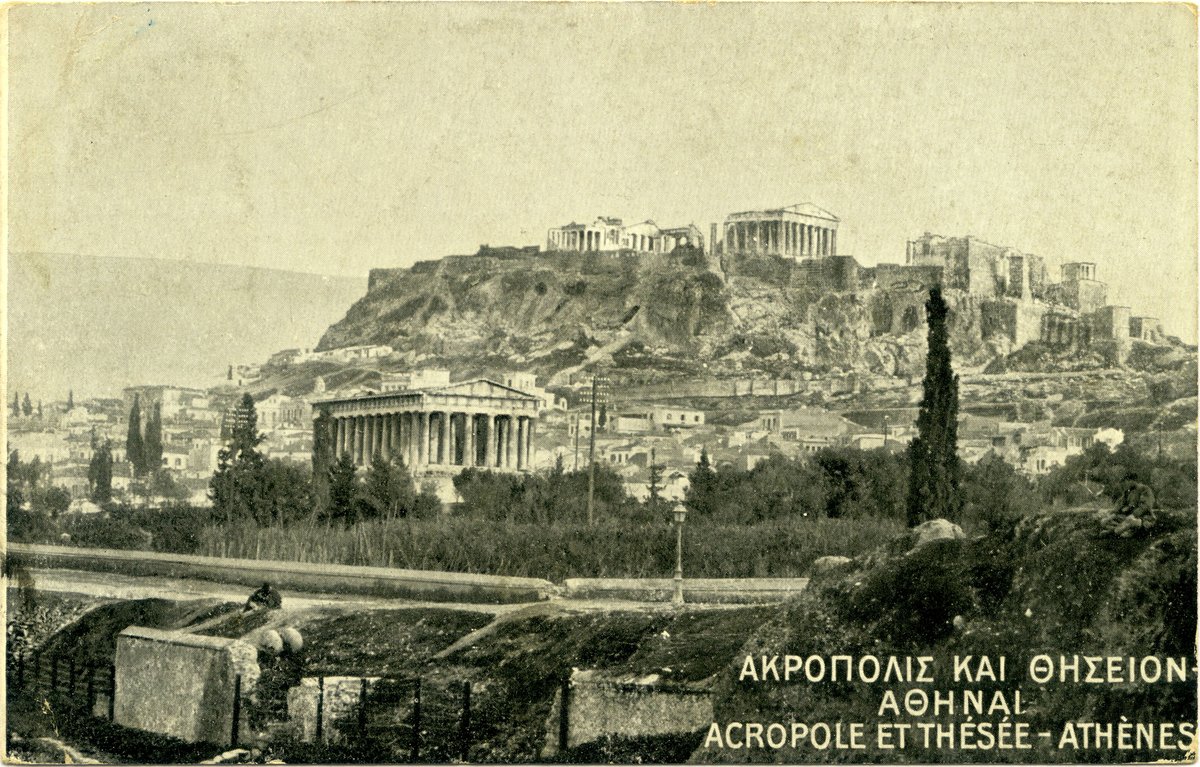
The Acropolis and Parthenon are adjacent to the district. Plaka is five minutes north, the Temple of Olympian Zeus is ten minutes east, and Filopappou Hill offers panoramic views. The Acropolis Museum and National Library of Greece are also among the nearby attractions mentioned for the area.
Accommodation options range from boutique hotels to budget guesthouses and Airbnb rentals.
Frequently Asked Questions
What are the Ioannis Makriyannis statue visiting hours?
The statue is an outdoor monument, accessible 24/7 and free of charge.
How do I buy tickets for the Acropolis Museum?
Purchase tickets online at the official museum website.
Is the Makriyannis House open to the public?
It opens only during special events; check the Greek Ministry of Culture for updates.
Are guided tours available?
Yes. Museum tours and private guides are available.
Is the area wheelchair accessible?
Yes. The museum and most major sites are accessible, and much of the district has paved walkways.