

Early Foundations and Royal Beginnings
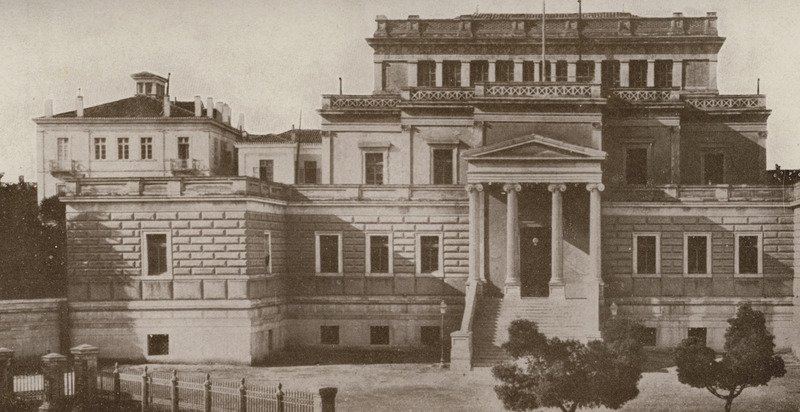
After Athens became the capital of newly independent Greece in 1834, the site of the Old Parliament House was first home to the Kontostavlos mansion—a stately residence purchased in 1837 to serve as a temporary royal palace for King Othon and Queen Amalia. It quickly became the center of political life, hosting parliamentary meetings from 1844. A devastating fire in 1854 razed the mansion, prompting the construction of a purpose-built parliament (athens-greece.us).
Neoclassical Design and Construction
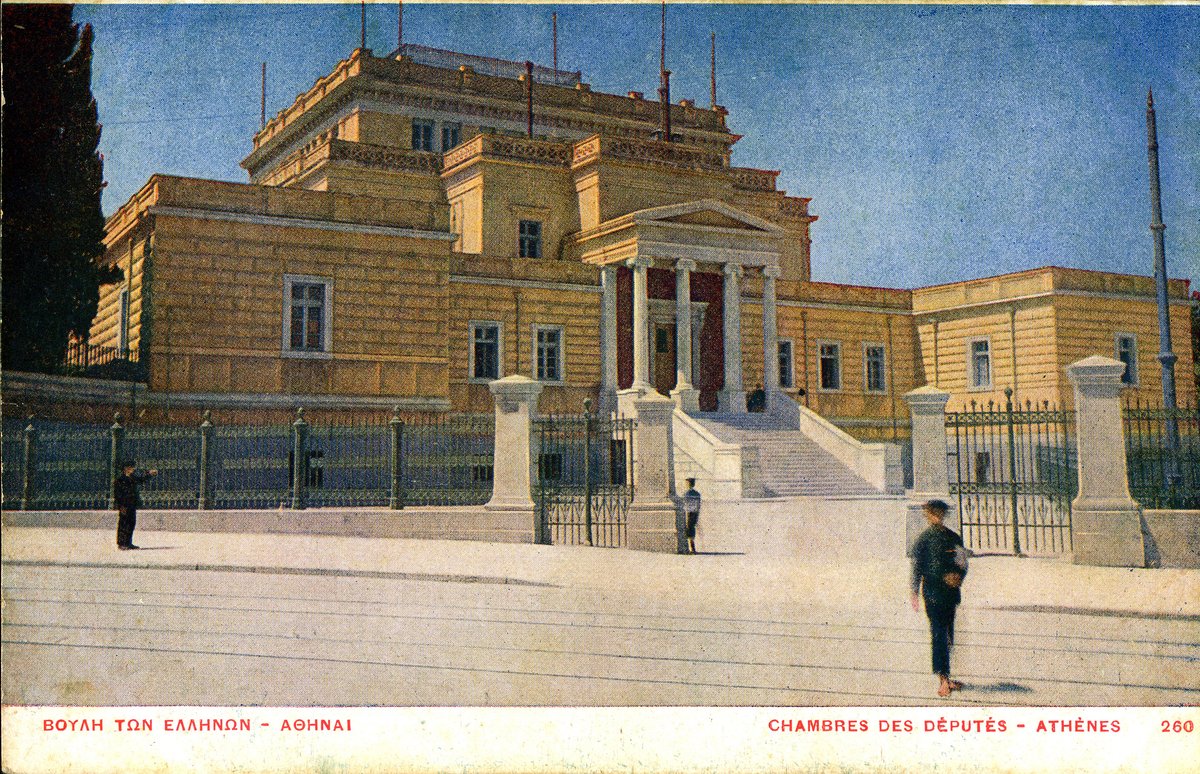
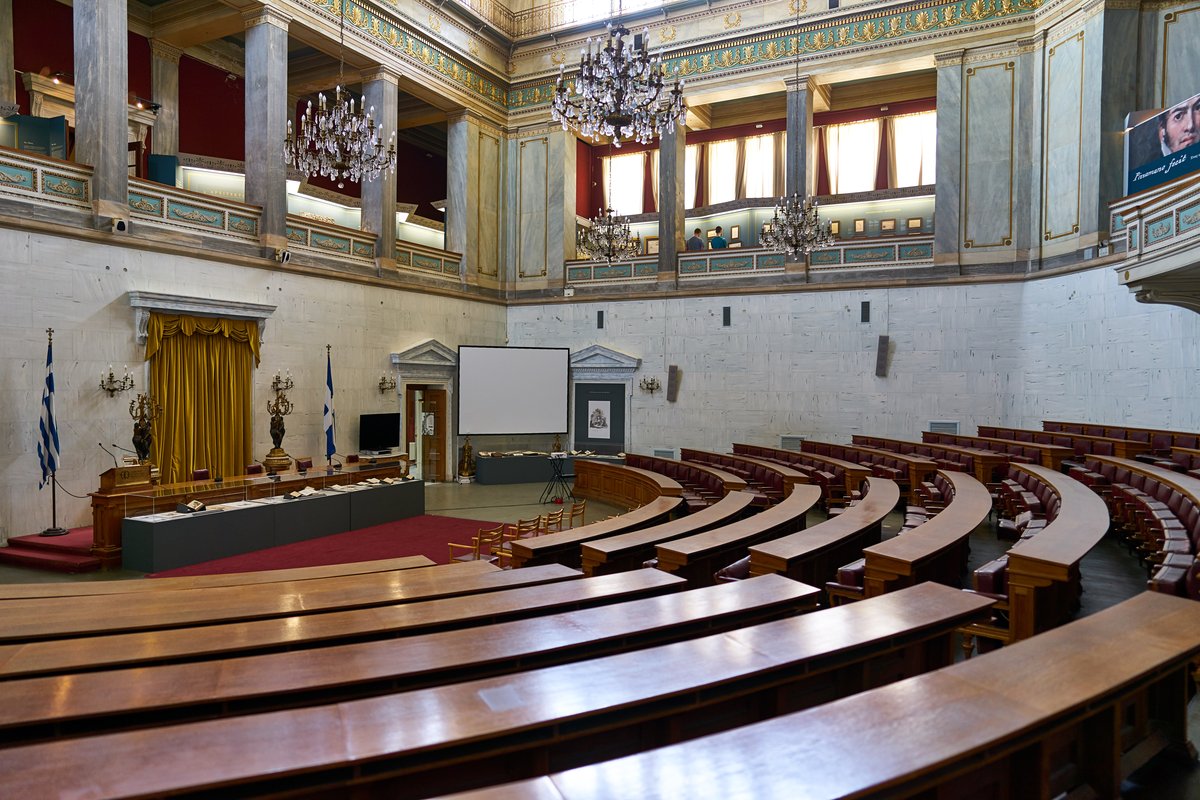
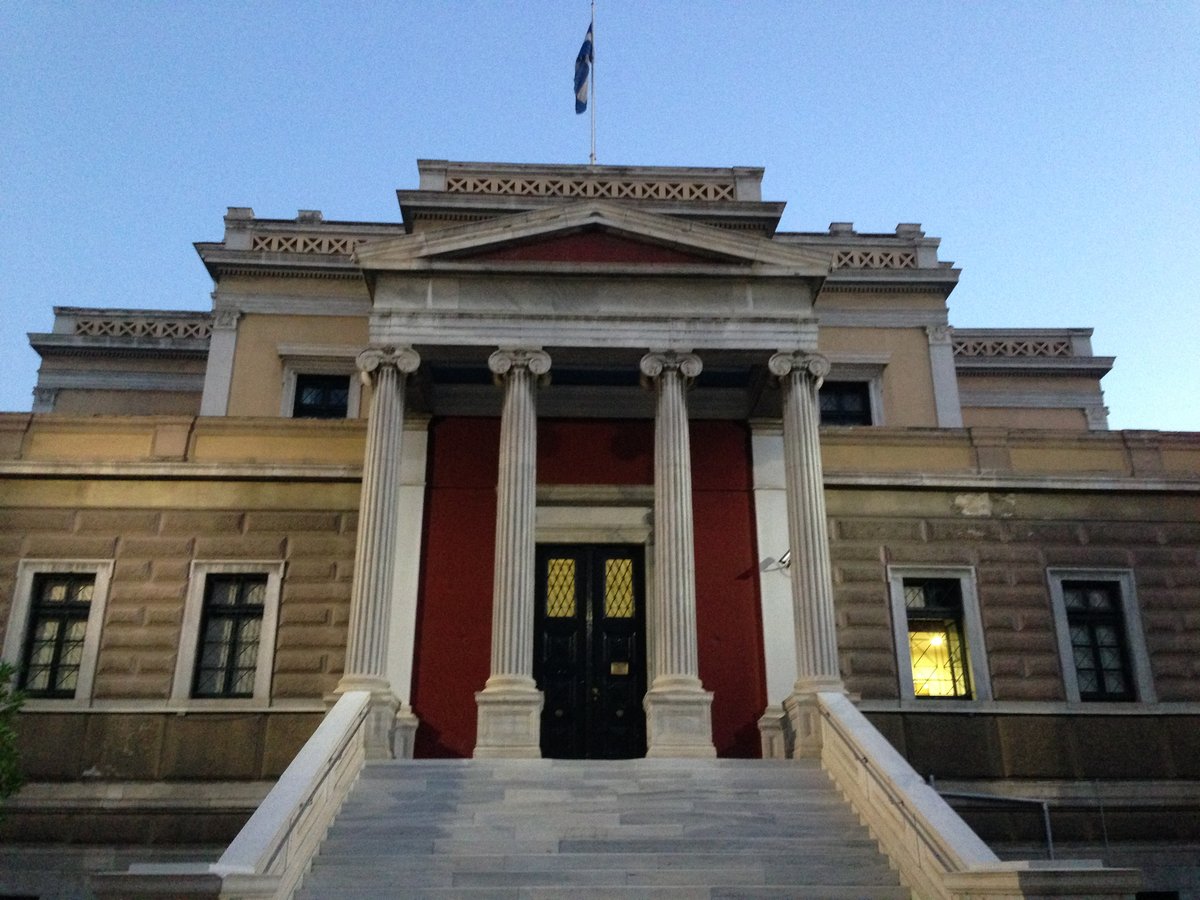
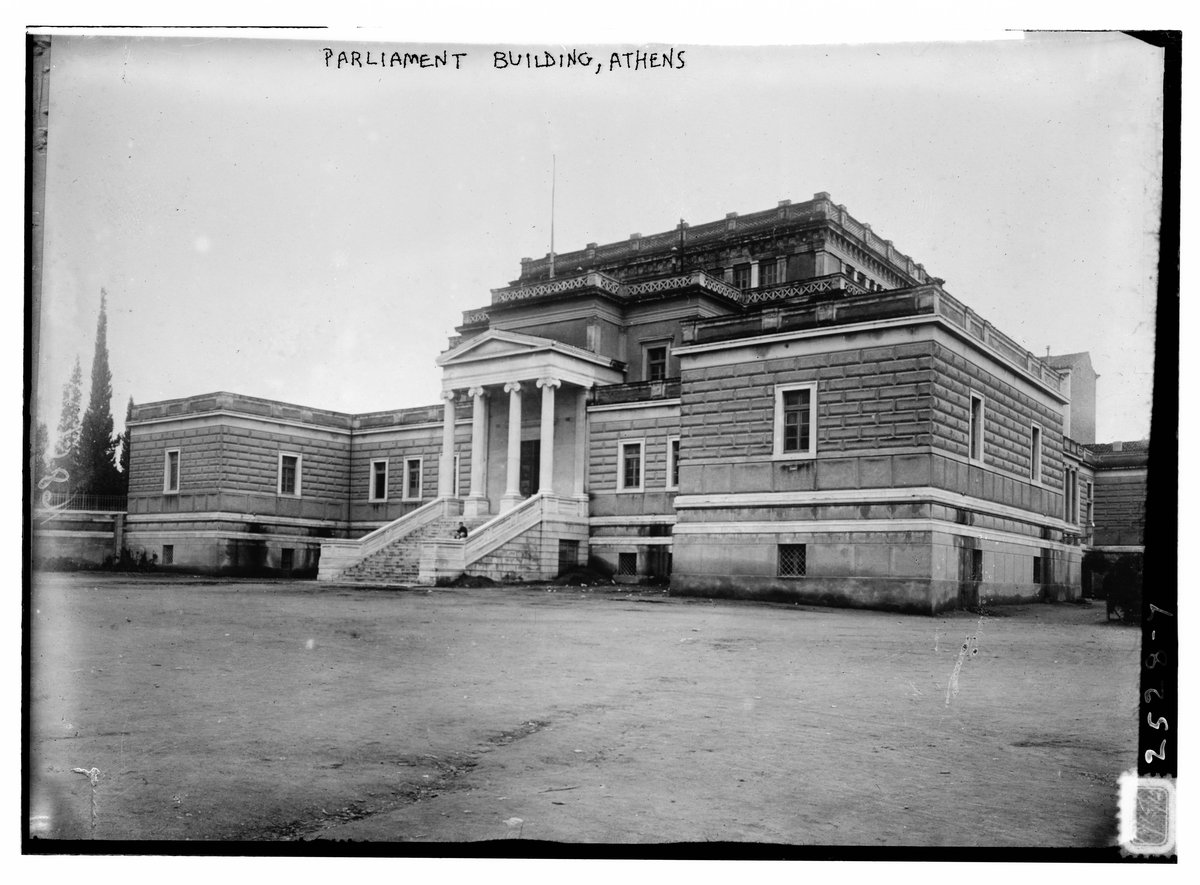
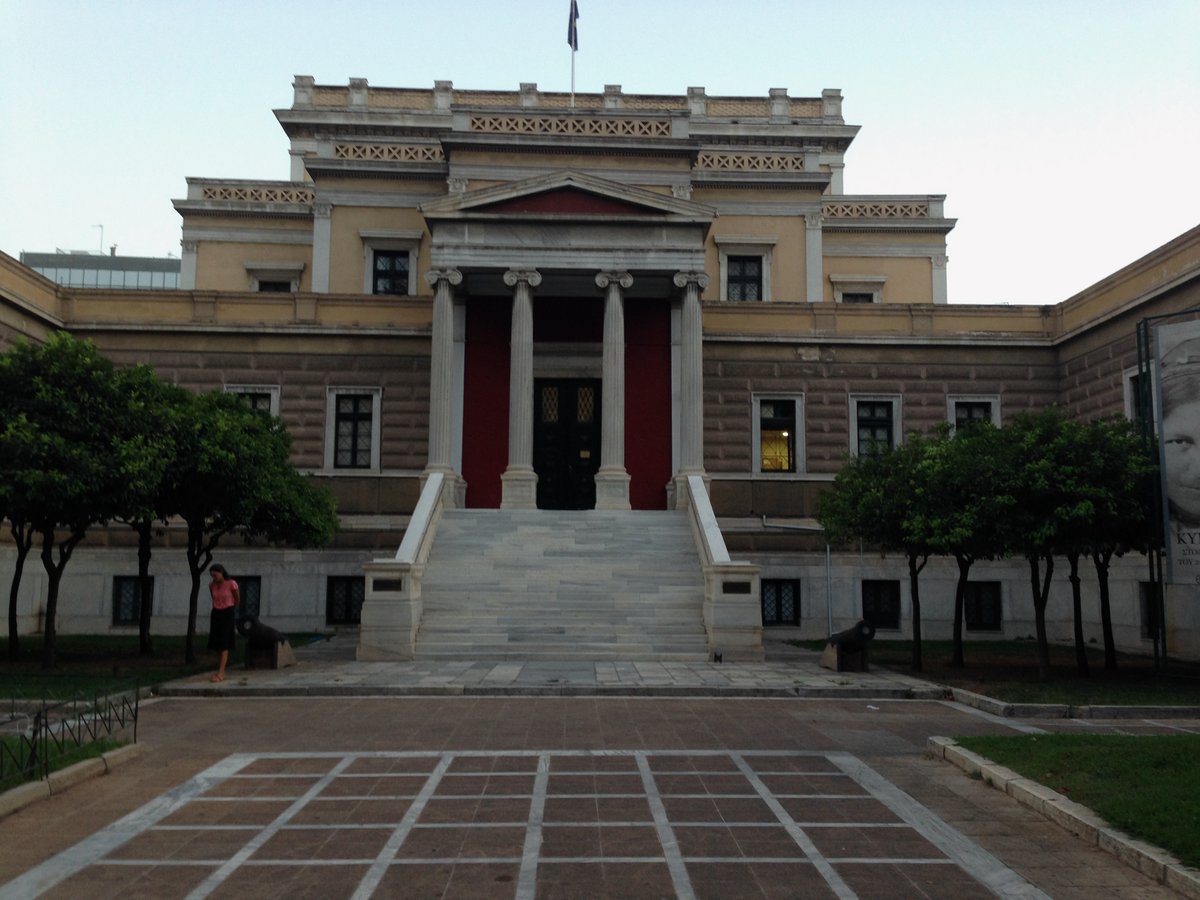
French architect François Boulanger was commissioned to design the new Parliament House in 1858, with construction lasting until 1875. The building is a standout example of early Greek Neoclassicism, featuring a symmetrical marble façade, Doric columns, and a layout comprising a central block and two courtyards. During construction, Greece’s parliament became unicameral, leading to a redesign of internal spaces. The main assembly hall remains a focal point, preserving the setting of historic debates (greece-athens.com; athens-greece.us).
Parliamentary Era: 19th to Early 20th Century
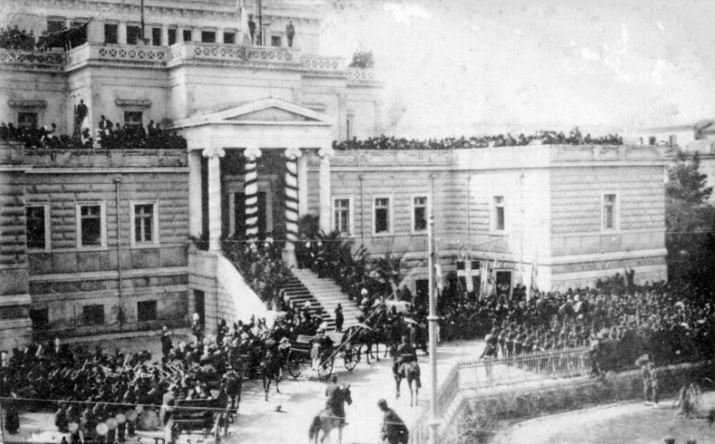
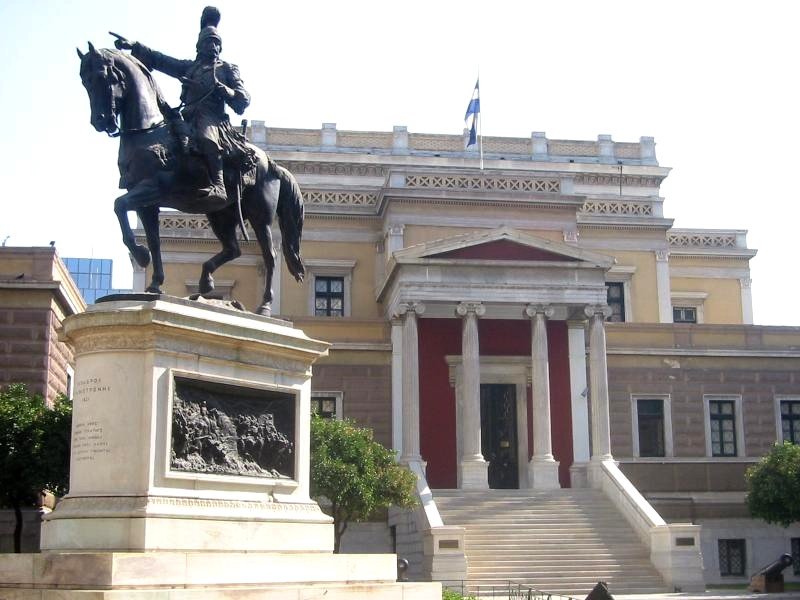
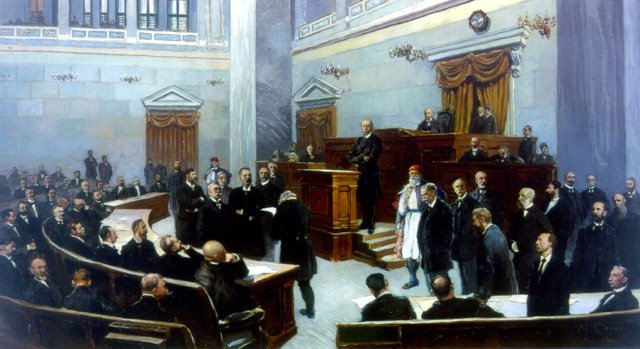
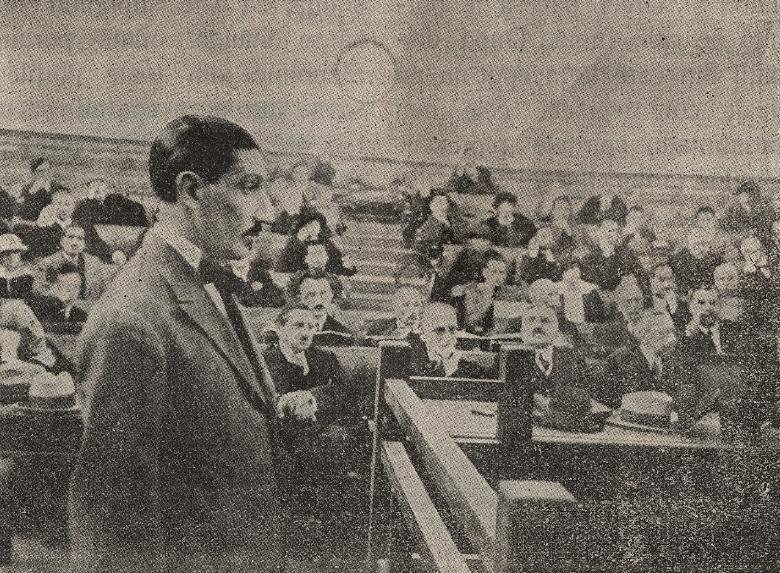
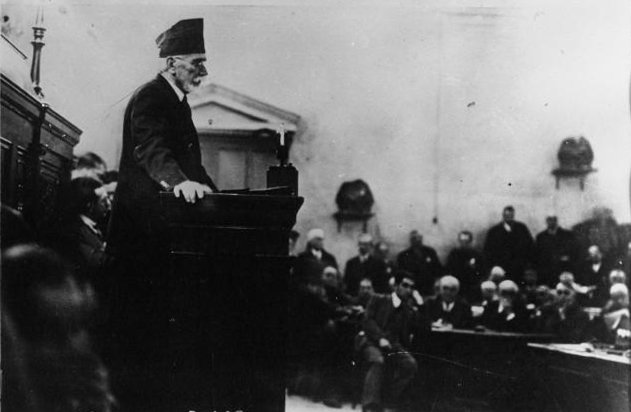
From 1875, the Old Parliament House was the seat of the Hellenic Parliament, hosting landmark debates and decisions in modern Greek history. In 1905, Prime Minister Theodoros Deliyiannis was assassinated on its steps, underscoring the era’s political intensity. His statue stands nearby as a tribute (athens-greece.us).
Transition and Later Uses
The building served parliament until 1935, after which it housed the Ministry of Justice. In 1962, it was repurposed as the National Historical Museum under the Historical and Ethnological Society of Greece. The museum’s collections range from the fall of Constantinople to the Greek-Italian War of 1940, with an emphasis on independence-era artifacts (athens-greece.us).
Architectural and Cultural Significance
Neoclassical elements—Doric columns, geometric harmony, and marble construction—reflect Greece’s ancient heritage and 19th-century aspirations. The surrounding Kolokotronis Square and Benakeios Library further anchor the site’s civic and historical importance (athens-greece.us).
Visiting the Old Parliament House Athens: Practical Information
Visiting Hours
- Tuesday–Sunday 9:00 AM–5:00 PM (closed Mondays and major public holidays)
- Always consult the official museum website for seasonal changes.
Tickets
- Standard Admission ~€6 for adults
- Discounts Students, seniors, groups
- Free Entry Children under 18; EU citizens under 25
- Purchase tickets on-site or online.
Accessibility
- Wheelchair accessible with ramps and elevators.
- Accessible restrooms and staff assistance available.
Guided Tours and Events
- Guided tours in multiple languages by request.
- Special lectures and temporary exhibitions are held in the historic assembly chamber.
- Reserve tours at the entrance or online.
Location and Transportation
- Address 13 Stadiou Street, near Syntagma Square
- Metro Syntagma Station (Lines 2 & 3)
- Bus/Tram Numerous routes serve the area.
Nearby Attractions
- Syntagma Square, Benaki Museum, National Garden, Plaka neighborhood—all within walking distance.
Preservation and Modern Role
Declared a protected monument in 1952, the Old Parliament House’s restoration as the National Historical Museum ensures its place in Athens’ cultural life. Sixteen exhibition rooms house artifacts ranging from weapons and uniforms to paintings and personal memorabilia. The museum shop offers high-quality reproductions of Byzantine and later jewelry (greece-athens.com; athens-greece.us).
Frequently Asked Questions (FAQ)
Q: What are the Old Parliament House Athens visiting hours?
A: Tuesday to Sunday, 9:00 AM–5:00 PM; closed Mondays.
Q: How much are tickets?
A: Standard ~€6; discounts for students and seniors; free for children under 18 and EU citizens under 25.
Q: Is the building wheelchair accessible?
A: Yes, with ramps, elevators, and accessible restrooms.
Q: Are guided tours available?
A: Yes, in several languages; book on-site or online.
Key Historical Milestones
- 1834 Athens becomes capital; Kontostavlos mansion built.
- 1837 Mansion becomes royal residence.
- 1844 Site hosts first parliamentary sessions.
- 1854 Fire destroys the mansion.
- 1858–1875 New Parliament House constructed.
- 1905 Assassination of Theodoros Deliyiannis.
- 1935 Parliament moves; building becomes Ministry of Justice.
- 1952 Declared a protected monument (greece-athens.com).
- 1962 Becomes the National Historical Museum.
Site Layout and Setting
The Old Parliament House’s prominent position on Stadiou Street, facing Kolokotronis Square, is enhanced by the equestrian statue of Kolokotronis (Dave’s Travel Pages). The building’s setback plaza and statuary underline its civic importance.
Architectural Style and Influences
This 19th-century neoclassical masterpiece, originally by François Boulanger and later modified by Panagiotis Kalkos, draws inspiration from ancient Greek temples. The white marble portico, Ionic columns, and triangular pediment are hallmarks of its classical design (National Historical Museum; Dave’s Travel Pages).
Visitor Information
Admission and Opening Hours
- Tuesday–Sunday 9:00 AM–5:00 PM (check for seasonal variations)
- Tickets ~€6, discounts for students/seniors/groups; free for children under 18, EU citizens under 25
Guided Tours
- Available in Greek, English, and other languages upon request.
- Book at the ticket desk or in advance.
Accessibility
- Ramps, elevators, accessible facilities.
- Contact the museum for specific needs (National Historical Museum).
Getting There
- Metro (Syntagma Station), buses, taxis, or on foot from Syntagma Square.
Facilities
- Restrooms, cloakroom, gift shop, partial accessibility for mobility challenges.
Museum Experience: Exhibitions and Collections
The National Historical Museum’s permanent collections chronicle modern Greek history:
- Greek War of Independence Weapons, uniforms, personal effects of leaders (This is Athens).
- State Formation Royal regalia, political documents, and urban court artifacts.
- Balkan Wars and World Wars Military medals, iconic artworks, photos, and propaganda.
- Asia Minor Catastrophe Courtroom of the “Trial of the Six,” original documents (Santorini Secrets).
- Folk Culture Traditional costumes, household items, religious icons.
- Temporary Exhibitions Thematic displays on anniversaries and historical milestones.
The former parliamentary chamber—meticulously preserved—is a highlight, offering visitors the chance to stand where history was made (Open House Athens).
Practical Tips for Visitors
- Best Times Mornings and weekdays are quieter (The Invisible Tourist).
- Photography Allowed without flash or tripods—confirm with staff.
- Dress Code No formal requirement, but respectful attire is encouraged.
- Free Admission Days International Museum Day, European Heritage Days, and the first Sunday of each month November–March (Real Greek Experiences).
Discover More
The Old Parliament House is a cornerstone of Athens’ historical landscape. Its elegant neoclassical architecture, layered political past, and outstanding museum collections make it a must-visit for anyone interested in Greece’s modern journey. Centrally located and easily accessible, it offers guided tours, educational programs, and proximity to other key attractions.
Plan your visit today. For the latest updates on opening hours, tickets, and events, consult the official National Historical Museum website. Enhance your experience with the Audiala app’s guided audio tours, and explore related Athens historical sites for a deeper dive into Greek heritage.
Visuals
Virtual Tour of the Old Parliament House
Related Articles
- Top 10 Historical Sites to Visit in Athens
- A Guide to Syntagma Square and Surroundings