


Architectural Vision and Design Origins
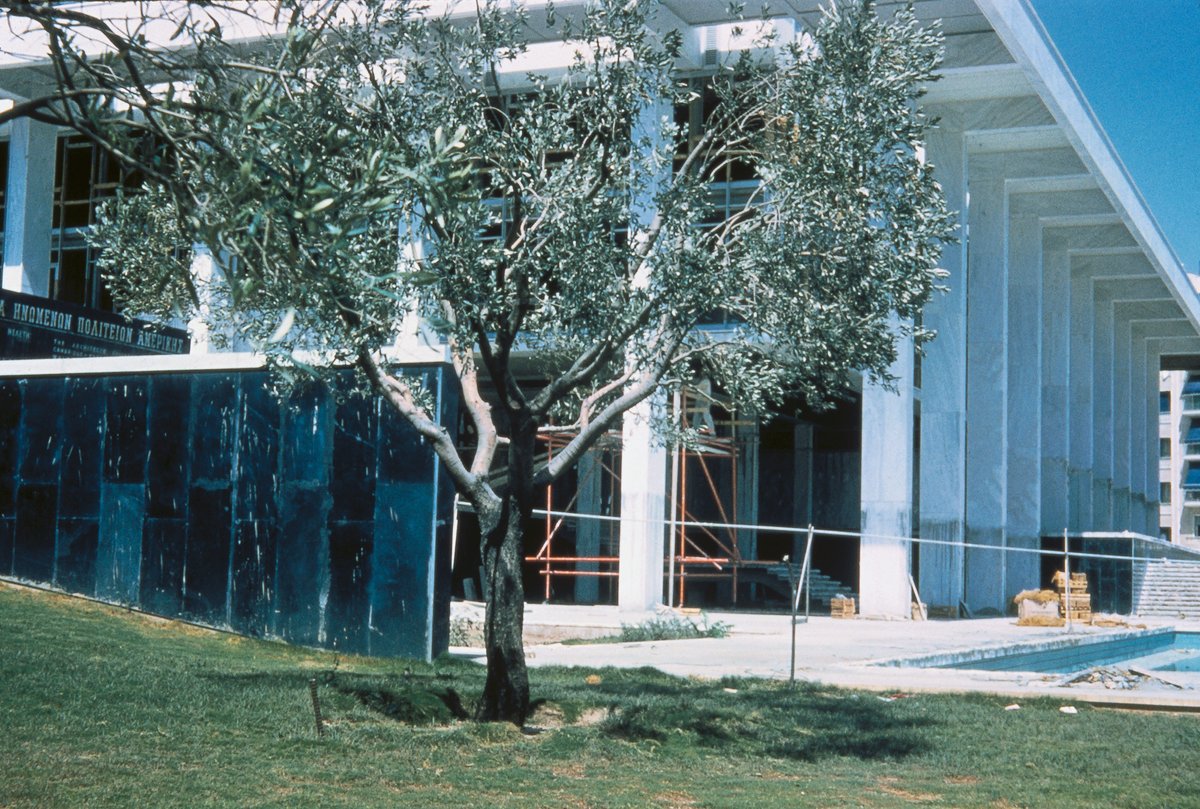
Walter Gropius, a Bauhaus pioneer, together with Pericles A. Sakellarios, crafted a building that harmoniously merges international modernism with Greek tradition. The embassy’s design features colonnades reminiscent of the Parthenon, white Pentelic marble, and glass curtain walls that express both the democratic ideals of the United States and the cultural legacy of Greece (U.S. Embassy Building History, NY Post).
Materials and Craftsmanship
The embassy’s construction showcases a commitment to local materials and artisanship. White marble from Mt. Penteli—also used in the Parthenon—anchors the structure, complemented by black marble from the Peloponnesus and gray marble from Marathon. Greek pearwood appears in staircases and furniture, crafted by local artisans and the Sarides Company. American design elements blend with Greek materials, reflecting a transatlantic partnership (U.S. Embassy Building History).
Site Layout and Landscape
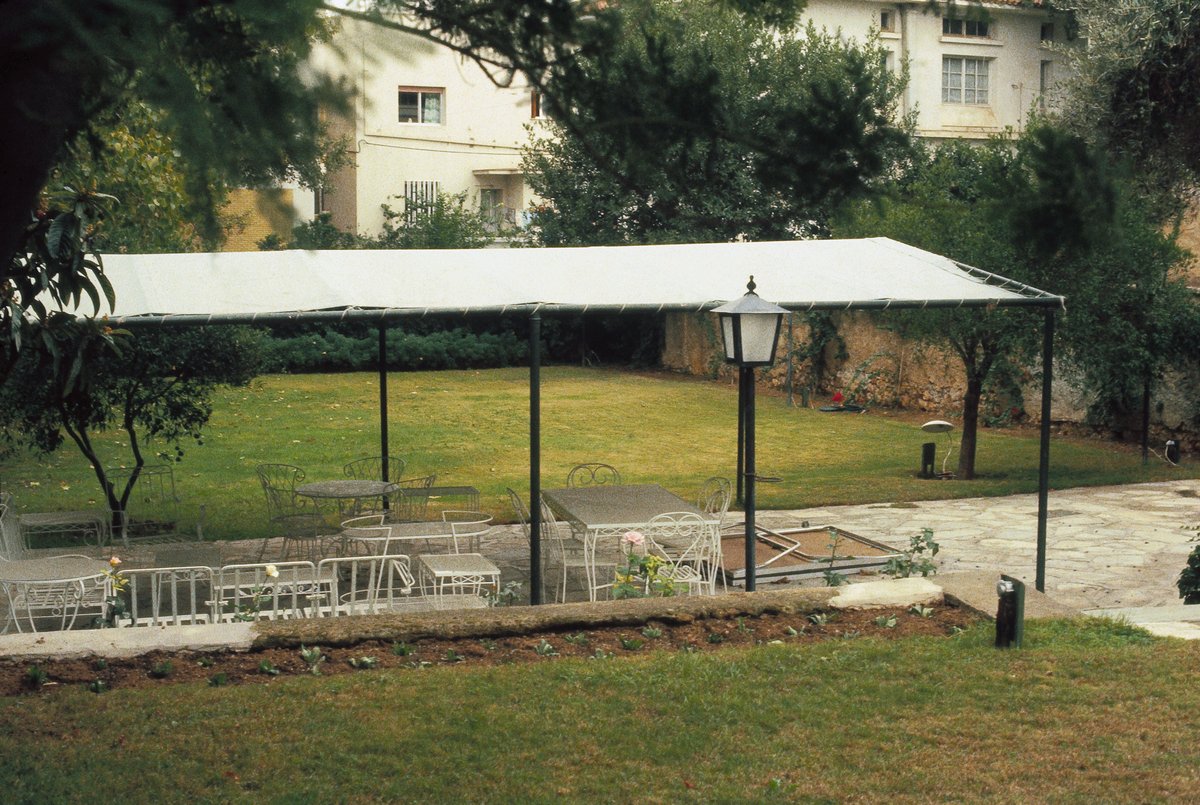
Set on a sloping site amid central Athens’ residential buildings, the embassy compound features ascending terraces, a landscaped courtyard, and outdoor spaces shaded by trellises. Brazilian modernist Roberto Burle Marx contributed the original fountain and reflecting pool designs, enhancing the site’s tranquility and sense of openness (KMW Architecture, NY Post).
Renovations and Preservation
Ongoing renovations aim to preserve the embassy’s iconic design while upgrading security and functionality. A significant rehabilitation project led by Annum Architects began in 2019, involving a 65,000-square-foot expansion, security enhancements, and careful restoration of historic materials (ArchDaily, Heidelberg Materials, Caddell Construction). The embassy remains operational throughout phased construction.
Symbolism and Cultural Impact
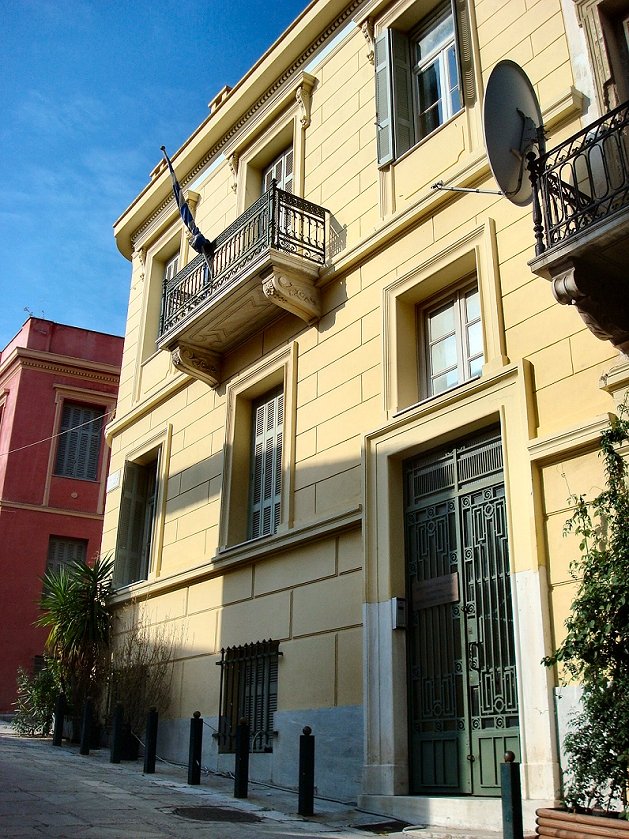
The embassy stands as a visible symbol of U.S.-Greece relations, its design reflecting democratic ideals and openness. Its central position near Mount Lycabettus and Syntagma Square further underscores its civic importance. Over the decades, the embassy has been the site of significant public demonstrations, including annual commemorations of the 1973 Polytechnic Uprising, highlighting its role in both diplomatic and public life (Embassies.info, Keep Talking Greece).
Practical Information for Visitors
Visiting Hours
- Consular Section Monday to Friday, 8:30 a.m. – 11:00 a.m.; closed weekends, the last Wednesday of each month, and on U.S./Greek public holidays (U.S. Embassy Athens).
- General Visits The embassy is not open for public tours, but occasional cultural events may be announced on official channels.
Entry and Tickets
- Entry By appointment only for consular or visa services; no general admission or ticketing for tourists.
- Events Check the official website or social media for event announcements and registration details.
Accessibility
The embassy provides accommodations for visitors with disabilities. Contact the embassy in advance to arrange assistance or special access needs.
Security Procedures
All visitors undergo security screening, including ID checks and bag inspections. Photography is allowed outside the building in public areas; interior photography is strictly prohibited without written permission (Travel.State.Gov).
Nearby Attractions
The embassy’s central location makes it convenient to visit several major Athens landmarks:
- Syntagma Square A political and cultural hub.
- National Garden of Athens A scenic and peaceful retreat.
- Benaki Museum Celebrating Greek art and history.
- Kolonaki District Known for upscale shopping, dining, and the Ambassador’s official residence, Jefferson House.
Public transportation (metro “Syntagma” and various bus routes) provides easy access to the area.
Cultural Events and Programs
The embassy supports cultural diplomacy through programs like educational exchanges and public lectures. Events such as the Pharos Summit foster U.S.-Greece collaboration. Details about upcoming events and programs are posted on the embassy’s website and social media.
Frequently Asked Questions (FAQ)
Q: Can I visit the U.S. Embassy Athens without an appointment?
A: No. Entry is strictly by appointment for consular services or authorized events.
Q: Are public tours available?
A: No regular tours are offered, but occasional public events may allow limited access.
Q: Is the embassy accessible for visitors with disabilities?
A: Yes. Contact the embassy beforehand to arrange assistance.
Q: Can I photograph the embassy?
A: Photography of the exterior from public areas is allowed; no interior photos without permission.
Q: Where can I get current updates on events or access?
A: Visit the official embassy website and follow their social media.
Related Articles
- Exploring Athens Historical Sites: A Tourist’s Guide
- Guide to Visiting Syntagma Square
- Top U.S. Embassies Worldwide Known for Their Architecture