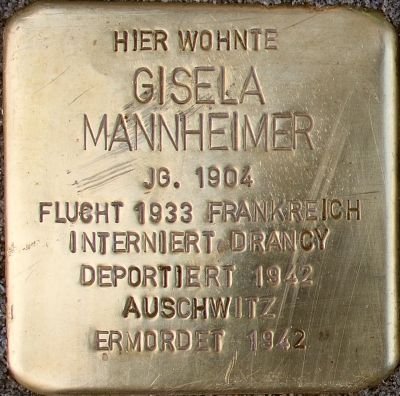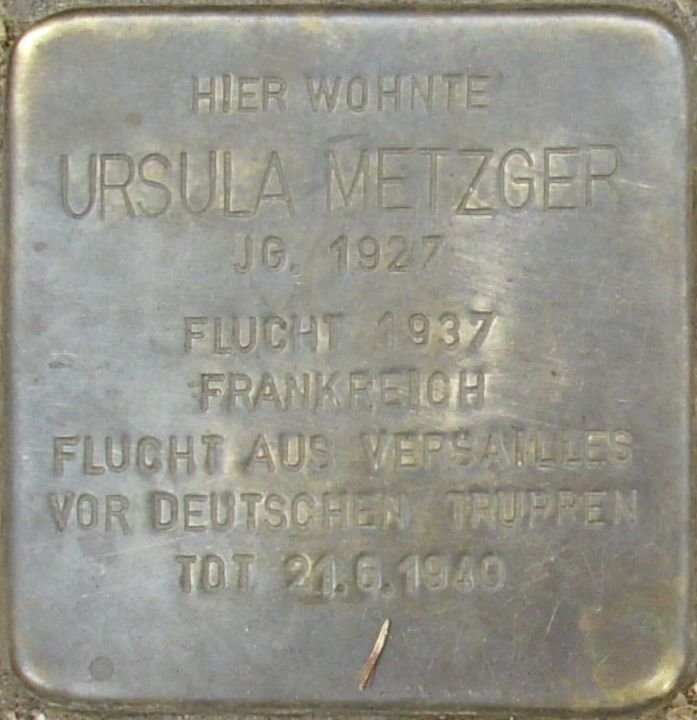

Origins and Philosophy of the Stolpersteine Project
The Stolpersteine project, initiated by Gunter Demnig in 1992, aims to commemorate victims of Nazi persecution by embedding their names and stories directly into the fabric of everyday life. Each Stolperstein is a 10 x 10 cm brass-capped cobblestone placed at the victim’s last freely chosen residence or workplace. The project began in Cologne and has since expanded to over 100,000 stones in 1,800 cities, making it the world’s largest decentralized Holocaust memorial (Stolpersteine Berlin; Stolpersteine.eu; Prague Views; Germany.info).
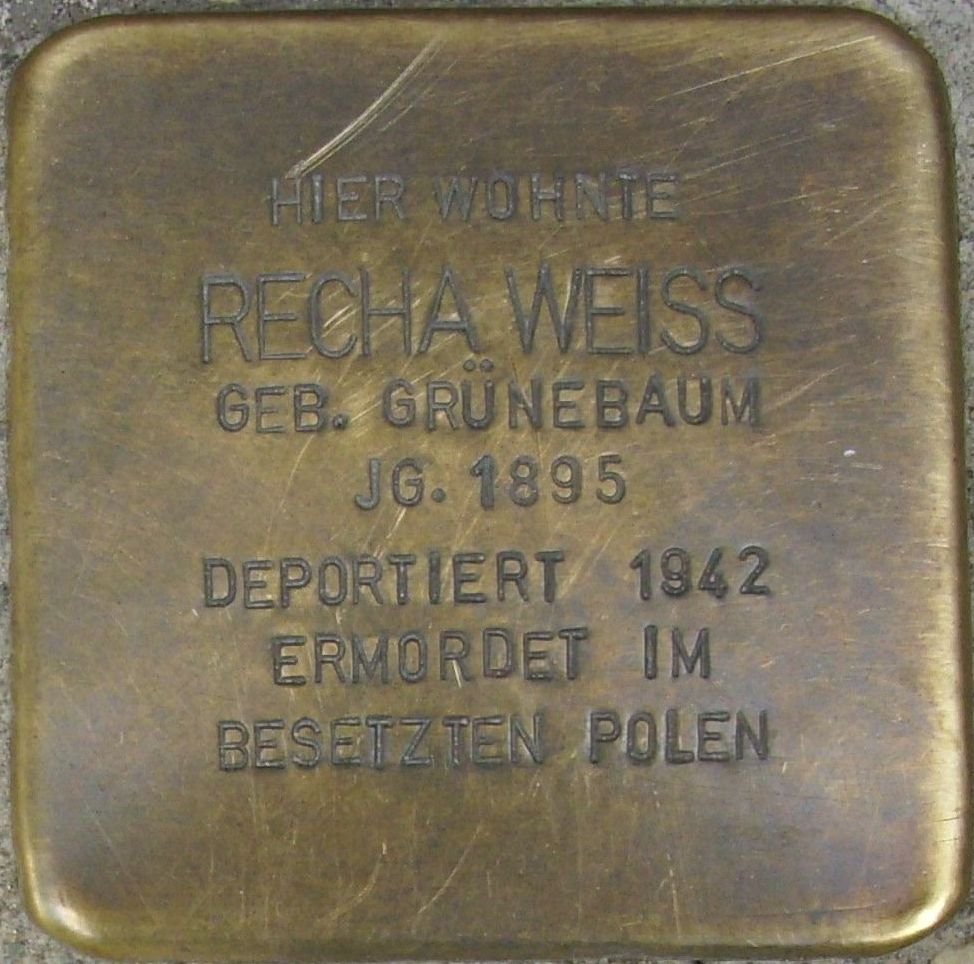
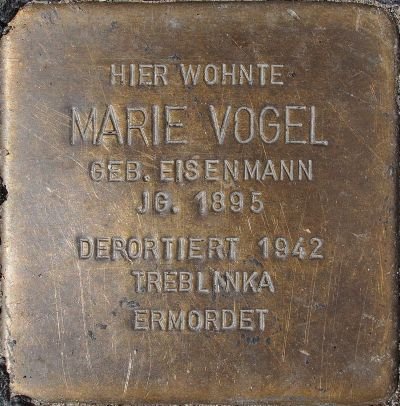
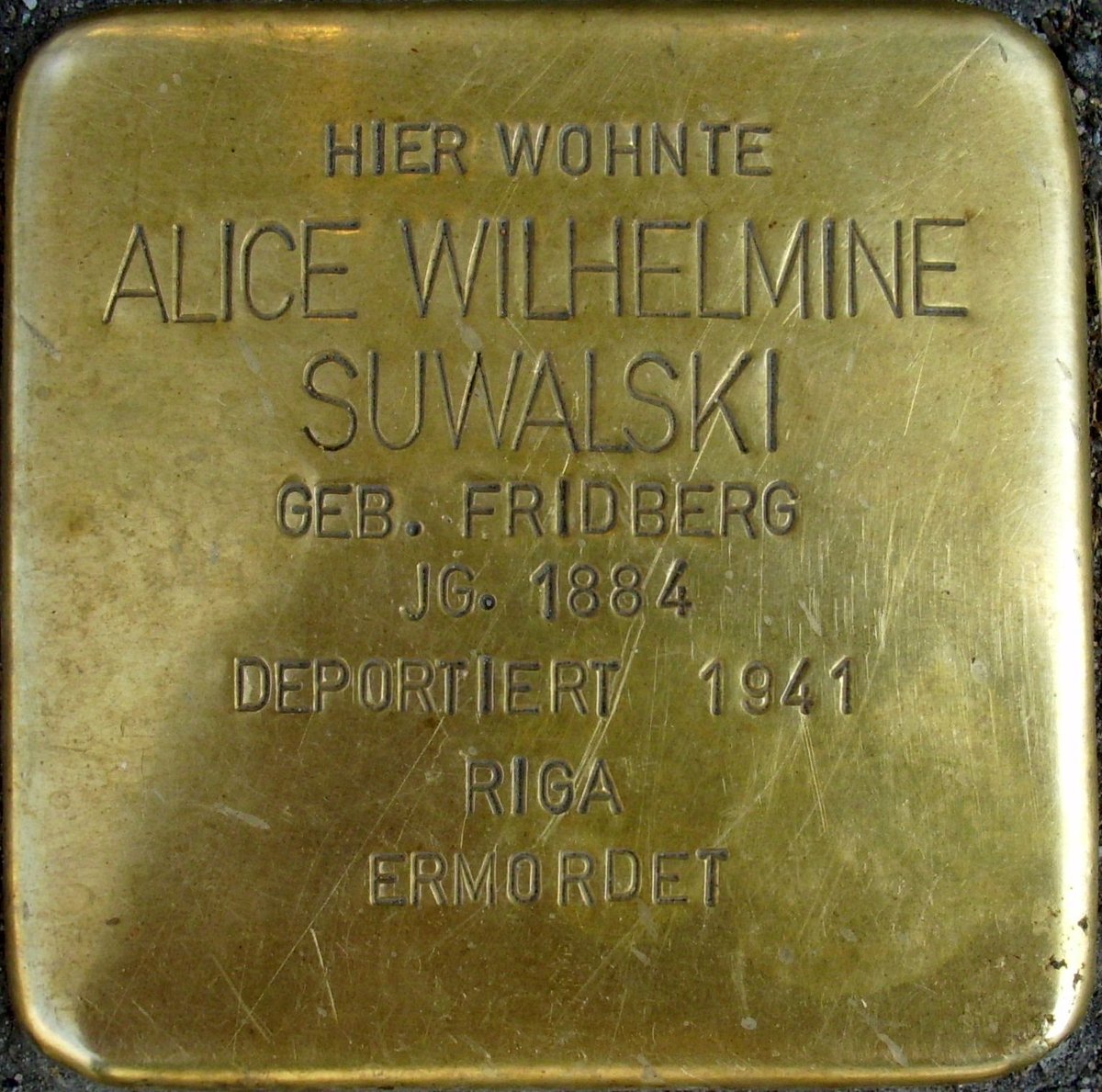
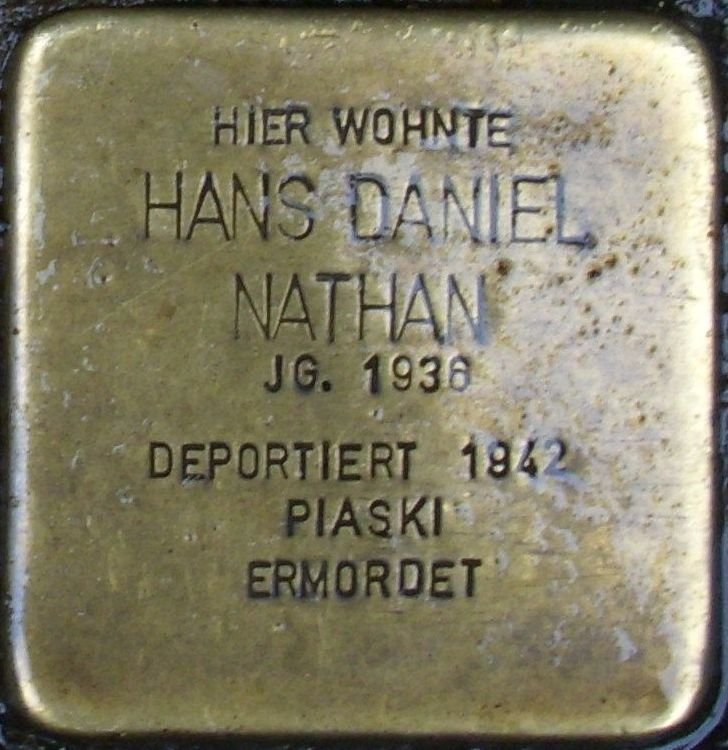
Stolpersteine are inscribed with the phrase “Hier wohnte…” (“Here lived...”) followed by the victim’s name, date of birth, fate, and, if known, date of death. The act of stooping to read the inscription is meant as a gesture of respect, reversing the dehumanization inflicted by the Nazis.
Ursula Metzger and Her Family: Historical Background
Ursula Metzger was born in 1927 in Mainz to a Jewish family active in the local community. With the rise of the Nazi regime, the Metzgers sought refuge, moving first to Switzerland and later to Versailles, France. In June 1940, during the German invasion of France, Ursula and her family perished when a bridge near Versailles collapsed amid the chaos of retreating forces. The Stolperstein at Hindenburgstraße 53 marks the last freely chosen home of Ursula and her family, serving as a site of remembrance and reflection for visitors and locals alike (Stolpersteine Mainz).
Visiting the Ursula Metzger Stolperstein
Location and Directions
- Address Hindenburgstraße 53, Mainz, Germany
- Access The Stolperstein is set in the public sidewalk, fully accessible 24/7 and free of charge.
- Public Transport Mainz Hauptbahnhof (main train station) offers tram lines 50 and 51 to the "Hindenburgstraße" stop. The site is a short walk from there.
- By Car Limited parking is available nearby; public transport is recommended.
Interactive map of Stolpersteine in Mainz
Visiting Hours and Admission
- Hours Open to the public year-round, 24/7.
- Admission No ticket or fee required.
Accessibility
- The Stolperstein is flush with the pavement and accessible to wheelchair users; some assistance may be needed for visitors with visual impairments due to the ground-level placement.
- For exact street conditions and any temporary construction, check the Stolpersteine Mainz interactive map.
Best Times to Visit
- Daylight Visit during daylight for optimal visibility of inscriptions.
- Quiet Reflection Early mornings and late afternoons offer a more contemplative atmosphere.
- Commemorative Events Consider scheduling your visit on International Holocaust Remembrance Day (January 27) or the Kristallnacht anniversary (November 9), when community rituals and Stolperstein cleanings may occur.
Guided Tours and Special Events
- Local organizations and the Mainz Tourist Office offer guided Stolpersteine tours, providing historical context and personal stories.
- Booking is recommended, especially for groups or during commemorative periods.
- Some tours are free or donation-based; check Mainz Tourist Information for current offerings.
Visiting Etiquette
- Pause and Reflect Read the inscription and take a moment of silence.
- Leave a Stone or Flower It is customary to leave a small stone or flower on the plaque.
- Respect Residents Be mindful that Stolpersteine are often outside private homes.
- Photography Discreet, respectful photography is allowed.
Nearby Attractions in Mainz
Combine your visit with other significant historical and cultural sites:
- Mainz Cathedral (Dom) A medieval cathedral with impressive architecture.
- Gutenberg Museum Celebrates Johannes Gutenberg and the history of printing.
- Jewish Museum Mainz Explores Mainz’s Jewish heritage in depth.
- Judensand Jewish Cemetery One of Europe’s oldest Jewish cemeteries and a UNESCO World Heritage site.
All are within walking distance or a short public transport ride from Hindenburgstraße 53.
Cultural and Educational Significance
The Stolperstein project restores the identities of Holocaust victims, embedding remembrance in the everyday landscape. In Mainz, the stones are maintained and researched by local historians, schools, and civic groups, making them living tools for education and public engagement (Stolpersteine Mainz; Haus des Erinnerns). Participating in Stolperstein cleanings or guided tours can deepen your connection to this vital aspect of Mainz’s culture of remembrance.
Making Your Visit Meaningful
- Research Beforehand Learn more about Ursula Metzger and her family via the Stolpersteine Mainz website.
- Join Community Events Participate in memorial events or cleaning rituals to connect with local traditions.
- Share With Respect If sharing your visit on social media, focus on the memorial and its inscription, using respectful language and images.
- Support the Project Donations or sponsorships help sustain the Stolpersteine initiative (Stolpersteine Mainz).
Frequently Asked Questions (FAQ)
Q: Where is the Ursula Metzger Stolperstein located?
A: Hindenburgstraße 53, Mainz, Germany (Stolpersteine Mainz).
Q: Is there a fee or ticket required?
A: No, visiting is free and open at all hours.
Q: Are guided tours available?
A: Yes, contact Mainz Tourist Information for details.
Q: Is the Stolperstein accessible to people with disabilities?
A: Most are accessible, but check sidewalk conditions in advance.
Q: Can I take photos?
A: Yes, respectful and discreet photography is welcome.
Discover More
The Stolperstein dedicated to Ursula Metzger stands as a powerful testament to the individual lives touched by the Holocaust and the importance of remembrance. By visiting, you help keep the memory alive and contribute to a living culture of reflection in Mainz. To enrich your experience further, explore related historical sites, participate in guided tours, and support local initiatives. For ongoing updates, consider downloading the Audiala mobile app and connecting with Mainz’s cultural organizations on social media.
Audiala2024