
The Concept and History of Stolpersteine
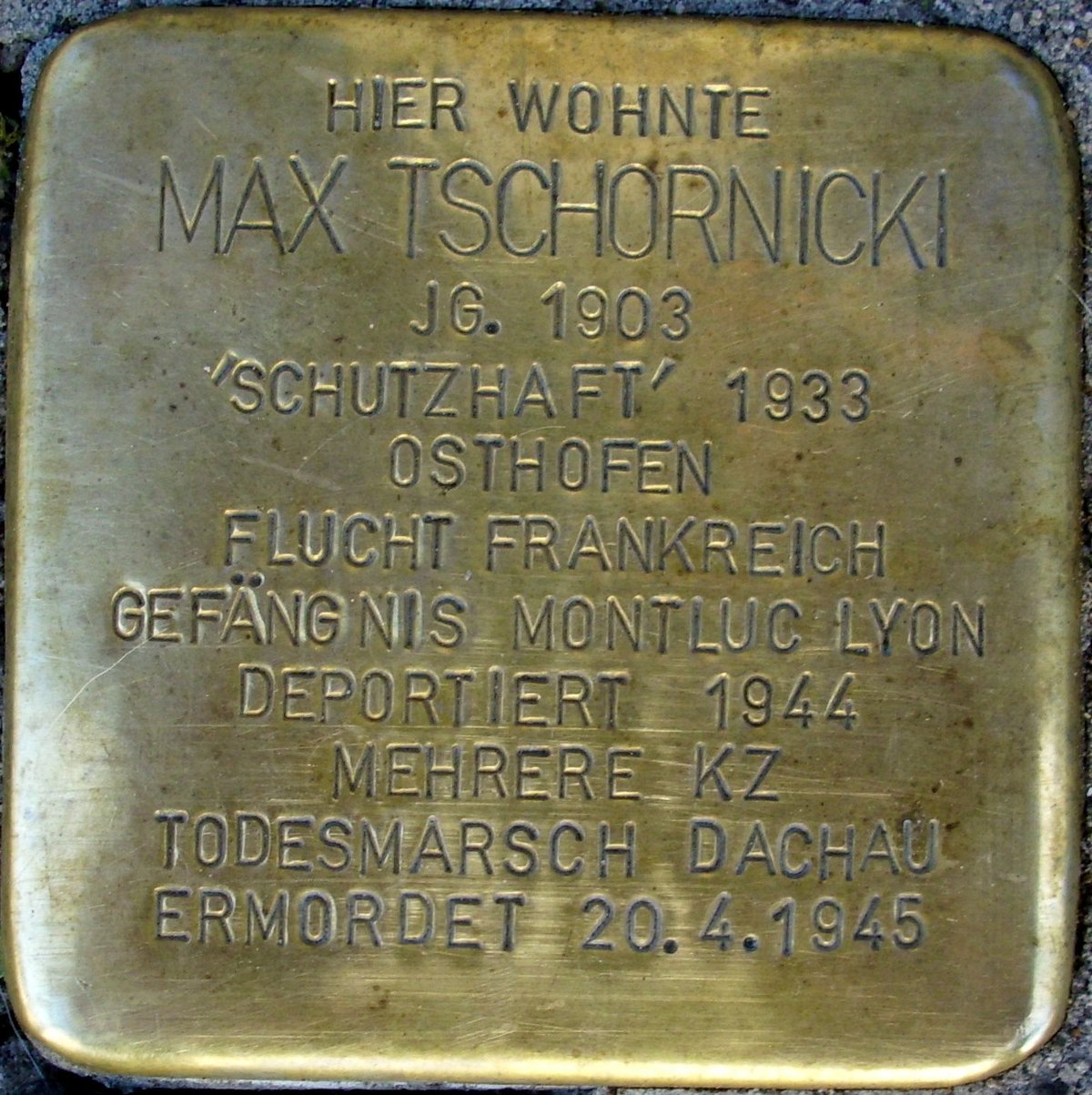
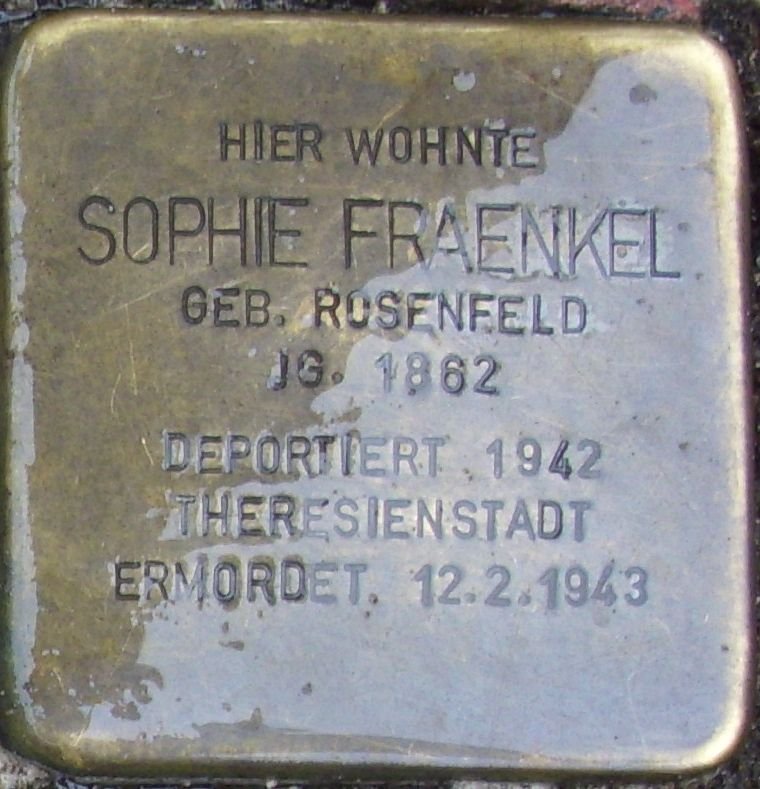
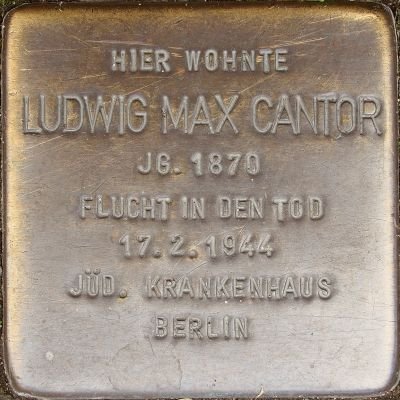
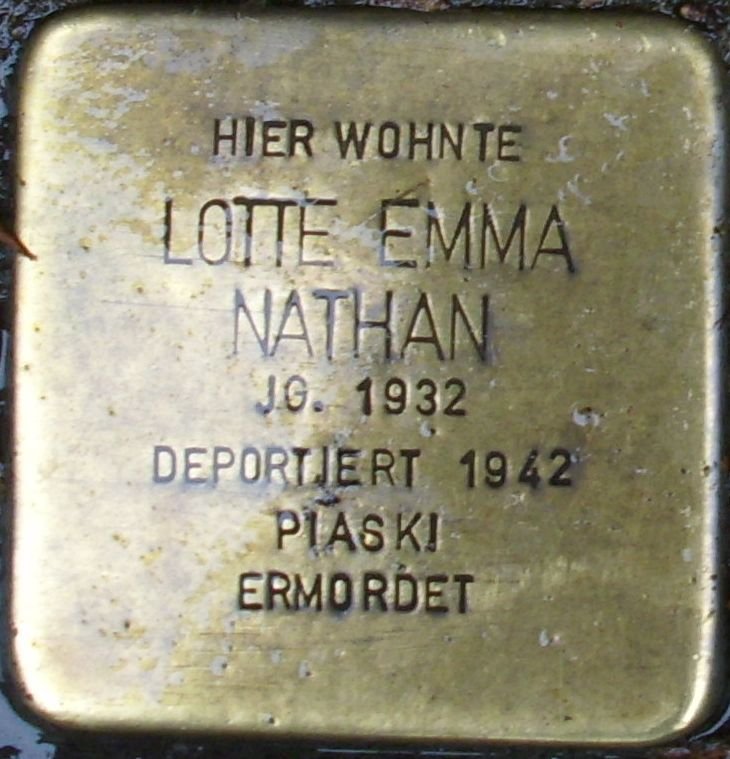
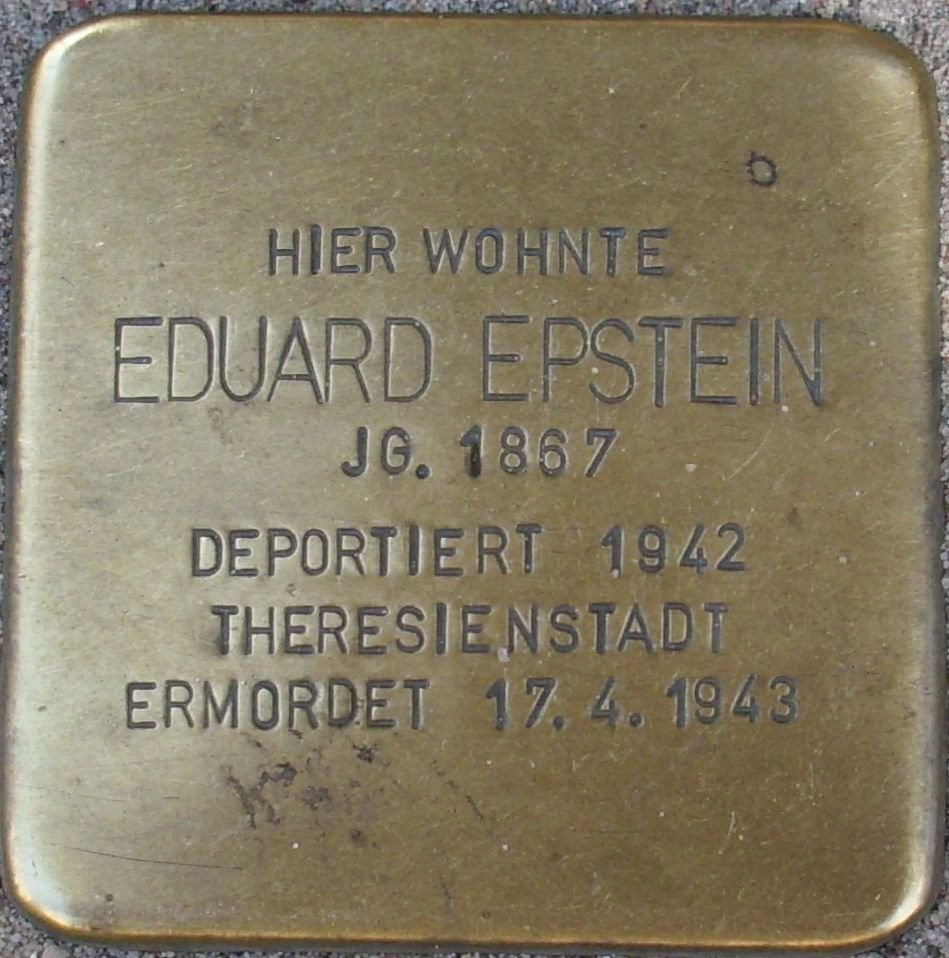
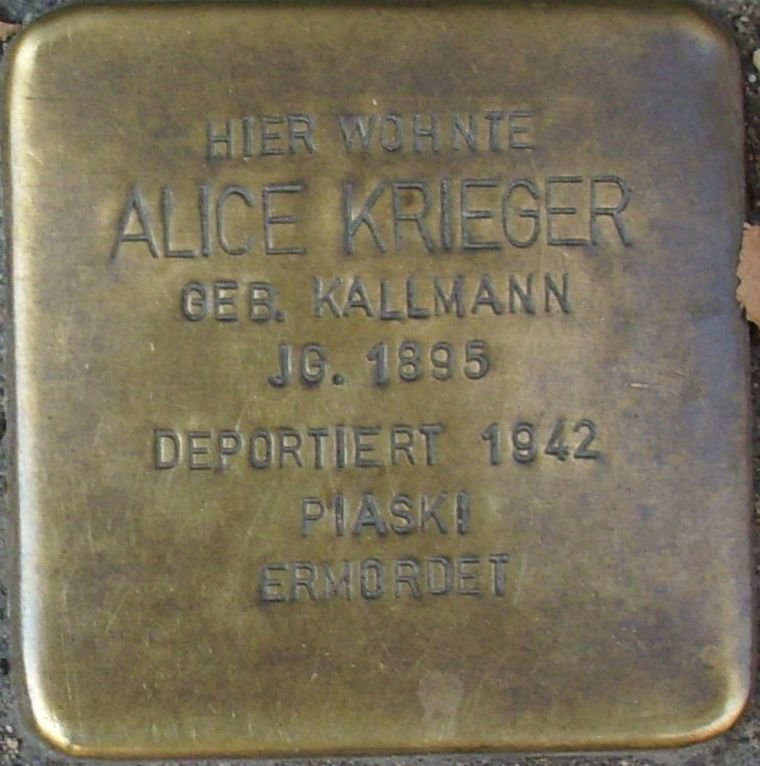
Stolpersteine (“stumbling stones”) are small brass plaques measuring 10 x 10 cm, engraved with the name and fate of individuals persecuted by the Nazis. Each stone is placed in front of the victim’s last freely chosen home. The project, started by Gunter Demnig in the 1990s, now constitutes the world’s largest decentralized Holocaust memorial (fabriziomusacchio.com). The intention is to bring remembrance into daily life, prompting passersby to “stumble” upon these names and reflect on their stories (pragueviews.com; germany.info).
The first Stolperstein was laid in Cologne in 1996, and the project has since expanded worldwide. In Mainz, the first stones were installed in 2007, and the city now hosts over 280 Stolpersteine (mainz.de).
Stolpersteine in Mainz: Local Context
Before World War II, Mainz’s Jewish community numbered around 2,600 and played a significant role in the city’s life. The Holocaust nearly obliterated this community, with more than half deported and murdered. The Stolpersteine project in Mainz restores names and stories to the city’s streets, transforming public spaces into sites of memory (mainz.de).
Mainz residents, schools, and organizations actively participate in research, ceremonies, and the maintenance of Stolpersteine, which commemorate not only Jews but also Sinti and Roma, political prisoners, LGBTQ+ individuals, and others persecuted by the Nazi regime.
Oscar Fraenkel and the Fraenkel Family: Background and Fate
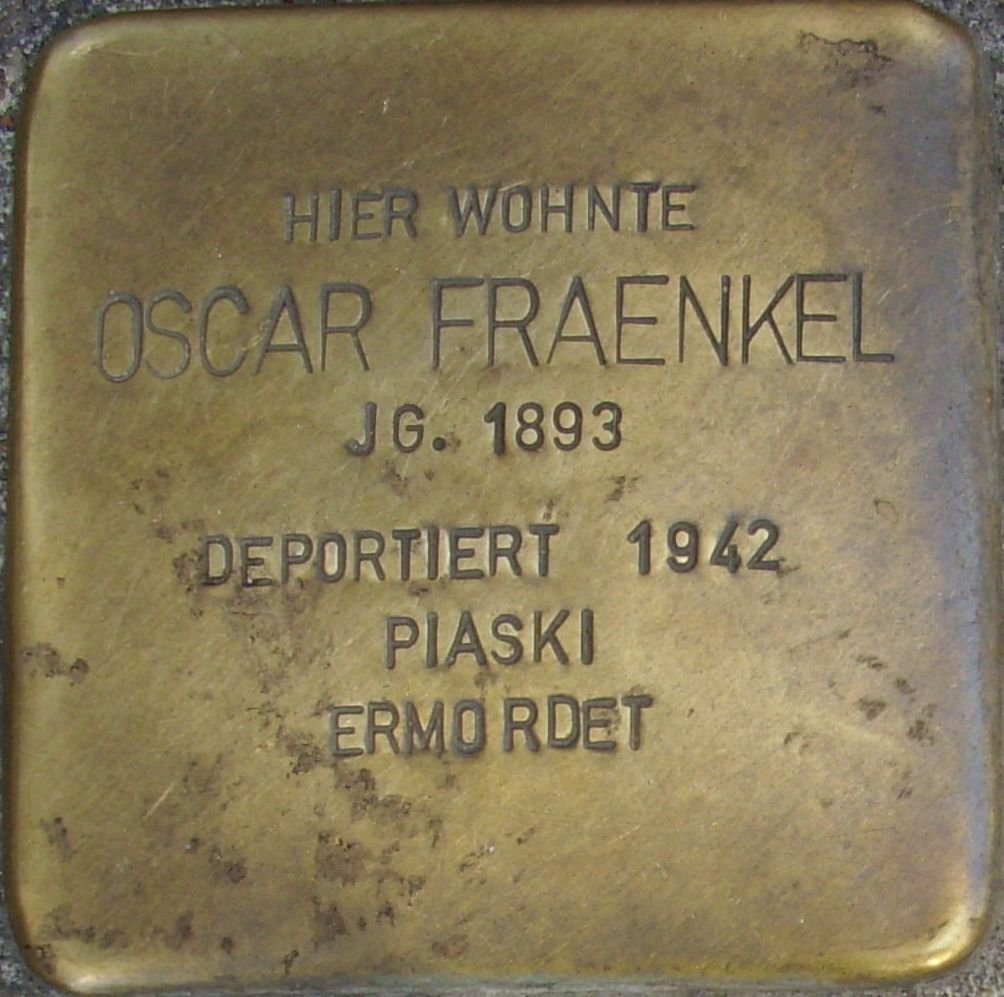
The Fraenkel family resided at Emmerich-Josef-Str. 5 in Mainz. While detailed biographical information on Oscar Fraenkel is limited in official records, the family’s trajectory is well documented. Family members such as Ernst, Else, Albert, Markus, Rudolf, and Salomon Wilhelm Fraenkel experienced forced displacement, deportation, or murder during the Holocaust (Mainz Stolperstein Opferliste; Stolpersteine Mainz Database).
Some Fraenkel children managed to escape to France and later to the USA, while others perished in Nazi camps in occupied Poland. The Stolpersteine for the Fraenkel family, including Oscar, stand as enduring reminders of the family’s suffering and the broader tragedy that befell Mainz’s Jewish community.
Visiting Information: Location, Hours, and Accessibility
- Location Oscar Fraenkel’s Stolperstein is at Emmerich-Josef-Str. 5, Mainz Altstadt. The site is within walking distance of Mainz Hauptbahnhof and other major attractions (mapcarta.com).
- Visiting Hours Stolpersteine are publicly accessible 24/7, year-round.
- Admission No tickets or fees are required.
- Accessibility The memorial is flush with the sidewalk and generally accessible to all, though some cobblestone streets in the Altstadt may be uneven. Wheelchair users and those with mobility challenges should consult accessibility maps or the Mainz tourist office for personalized advice.
Nearby Historical Sites and Attractions
While visiting the Stolperstein for Oscar Fraenkel, consider exploring these nearby cultural and historical sites:
- Mainz Cathedral (Mainzer Dom) A masterpiece of Romanesque architecture.
- Gutenberg Museum Dedicated to the inventor of the movable-type printing press.
- Jewish Museum Mainz Offers in-depth exhibits on Jewish life and culture in Mainz.
- Landesmuseum Mainz and Natural History Museum Present regional history and culture (mapcarta.com).
- Antoniterkapelle and other Stolpersteine For a broader perspective on Mainz’s history.
Etiquette and Responsible Tourism
- Behavior Approach each Stolperstein with quiet reflection. Pausing to read the inscription, placing a small stone or flower, and contemplating the story are traditional signs of respect.
- Photography Allowed, but be considerate and avoid disrupting others.
- Community Engagement Local volunteers regularly maintain and clean Stolpersteine. Visitors may respectfully observe or join these acts.
- Support Donations to the Stolpersteine project or local educational initiatives help preserve these memorials (en.wikipedia.org).
Frequently Asked Questions (FAQ)
Q: Are there specific visiting hours or tickets required?
A: No. Stolpersteine are public memorials accessible at all times, free of charge.
Q: How do I find the Stolperstein for Oscar Fraenkel?
A: Use the Mainz city map, the Stolpersteine Mainz database, or the list of locations.
Q: Are guided tours available?
A: Yes. Local organizations and the Mainz tourist office can provide schedules and booking information.
Q: Is the site wheelchair accessible?
A: The Stolperstein is flush with the sidewalk, but some adjacent streets may be uneven. Check accessibility resources or consult with the tourist office for personalized guidance.
Q: Are there commemorative events to attend?
A: Yes. Significant dates such as Holocaust Remembrance Day and the anniversary of Kristallnacht often feature ceremonies, cleaning events, and educational programs.