Historical Background and Architectural Evolution
Origins and Early Construction
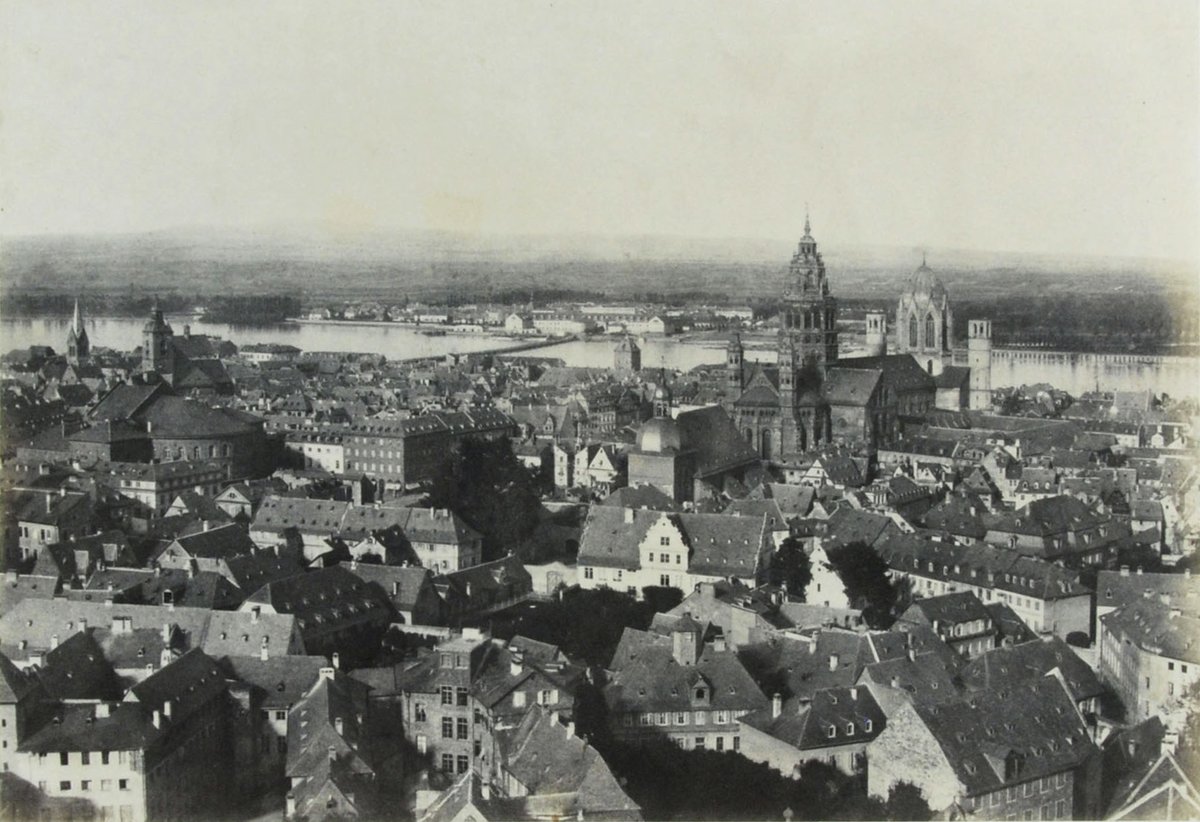
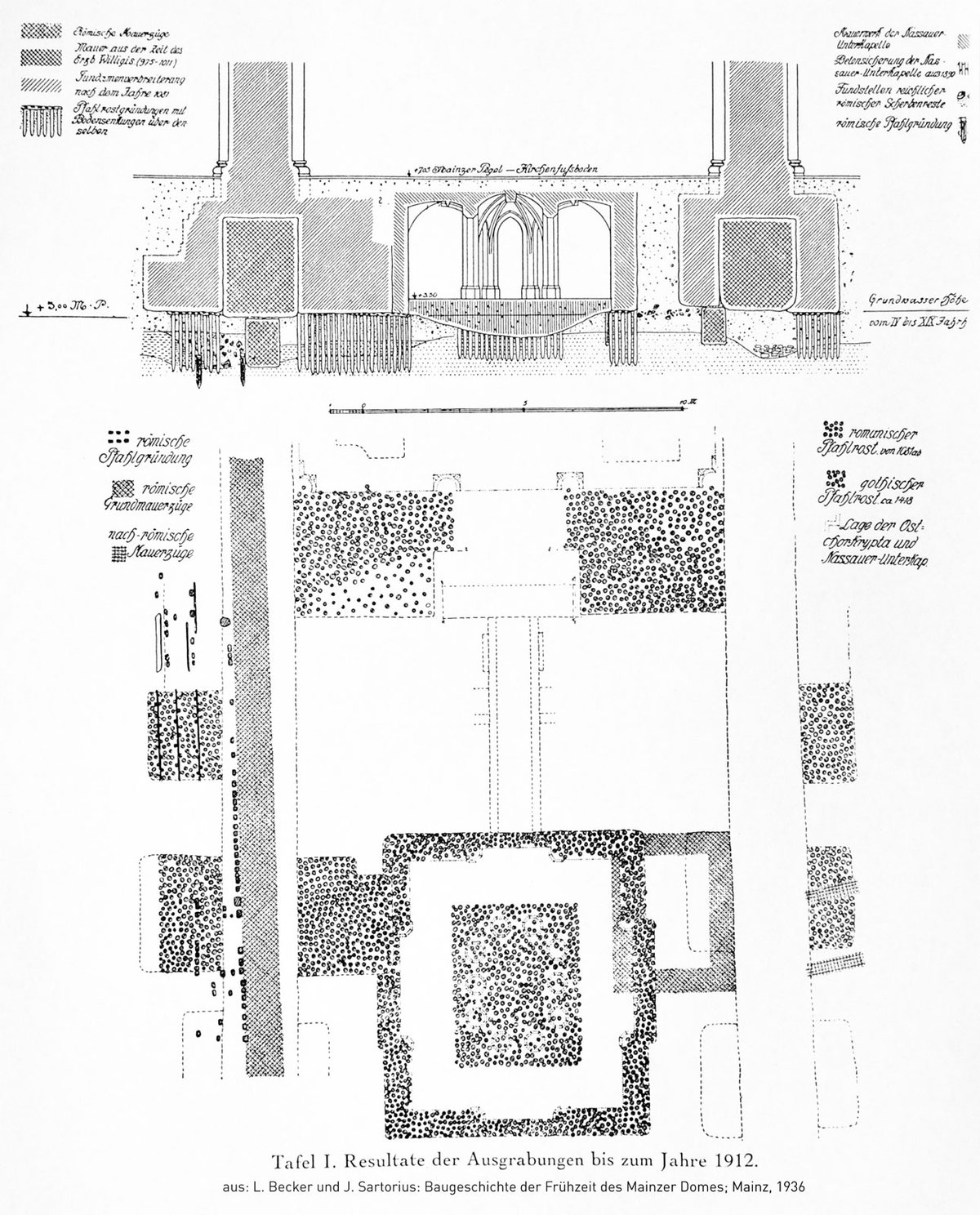
Mainz Cathedral’s foundation stone was laid in 975–976 CE under Archbishop Willigis, who envisioned Mainz as the “second Rome.” The original three-aisled basilica, constructed from the region’s distinctive red sandstone, set the tone for the cathedral’s commanding presence. Symbolizing both religious authority and imperial power, the cathedral quickly became the seat of the archbishopric and a center for major church events.
Fires, Reconstructions, and Architectural Milestones
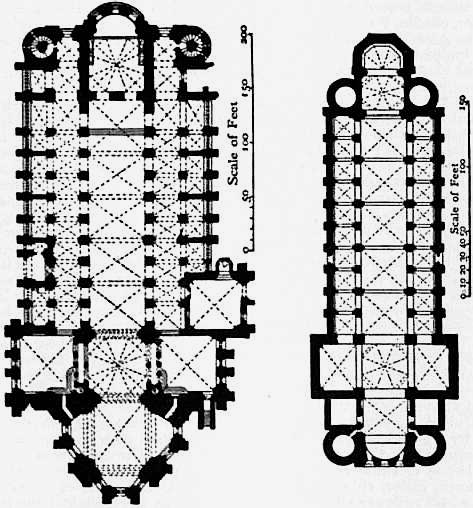
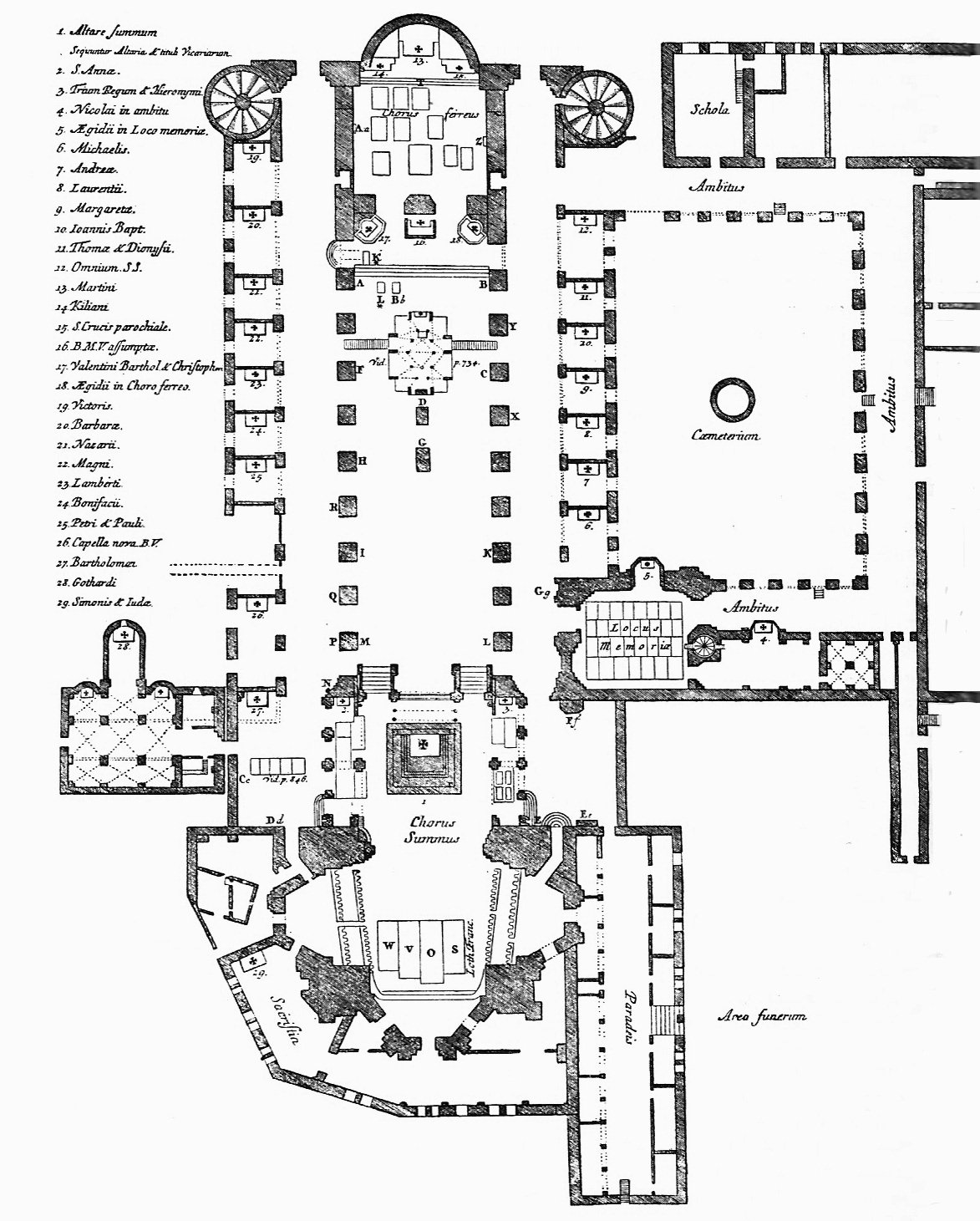
Repeated fires, including the notorious blaze on inauguration day in 1009, necessitated multiple phases of reconstruction. Restoration by 1037 and expansions over the following centuries saw the addition of the Gotthard Chapel and a complex system of dual chancels. The architecture evolved through Romanesque foundations, Gothic cloisters, and Baroque embellishments, each rebuilding phase layering new artistic influences.
Imperial and Religious Significance
As a Kaiserdom, Mainz Cathedral served as the venue for imperial coronations, royal marriages, and crucial ecclesiastical synods. Its interior is a veritable museum of funerary monuments for prince-archbishops and boasts liturgical treasures that underscore its dual role in spiritual and political life (PlanetWare; The Crazy Tourist).
Turmoil and Restoration
The Napoleonic era and both World Wars inflicted damage and loss. Notable Baroque restoration followed lightning strikes in the 18th century, while the 19th and 20th centuries saw extensive rebuilding, including the addition of a red marble floor and new stained glass windows by Johannes Schreiter (installed 2004). Today’s cathedral reflects this tapestry of history, resilience, and artistic vision.
Main Visitor Information
Location and Arrival
Mainz Cathedral is centrally located at Markt 10, 55116 Mainz, Germany, easily accessible from Mainz Hauptbahnhof (Central Station) via a 10–15 minute walk through the old town (iShareThese; Globetrove). Public transportation, buses, and trams serve the area. Parking is nearby but limited—early arrival is advised, especially on weekends and market days.
Visiting Hours
- Monday to Friday 9:00 AM – 6:30 PM
- Saturday 9:00 AM – 4:00 PM
- Sunday 12:45 PM – 3:00 PM and 4:00 PM – 6:30 PM
(Hours may vary on holidays and for special services; always check the official website for updates.)
Tickets
- Entry Free for all visitors.
- Guided Tours and Museum Tickets required; prices and availability are listed on the cathedral’s website or at the ticket office.
Accessibility
- Wheelchair Access Most of the cathedral, including entrances and restrooms, is accessible.
- Limitations Some chapels and the crypt may have restricted access due to historic architecture.
Guided Tours and Events
Regular guided tours (available in multiple languages) offer in-depth exploration of the cathedral’s history and art. The calendar includes concerts, religious festivals, and special exhibitions (mainz-tourismus.com; Travalour).
Photography
Photography is generally allowed, but visitors are asked to remain respectful during services and refrain from using flash or tripods.
Architectural and Artistic Highlights
Exterior and Towers
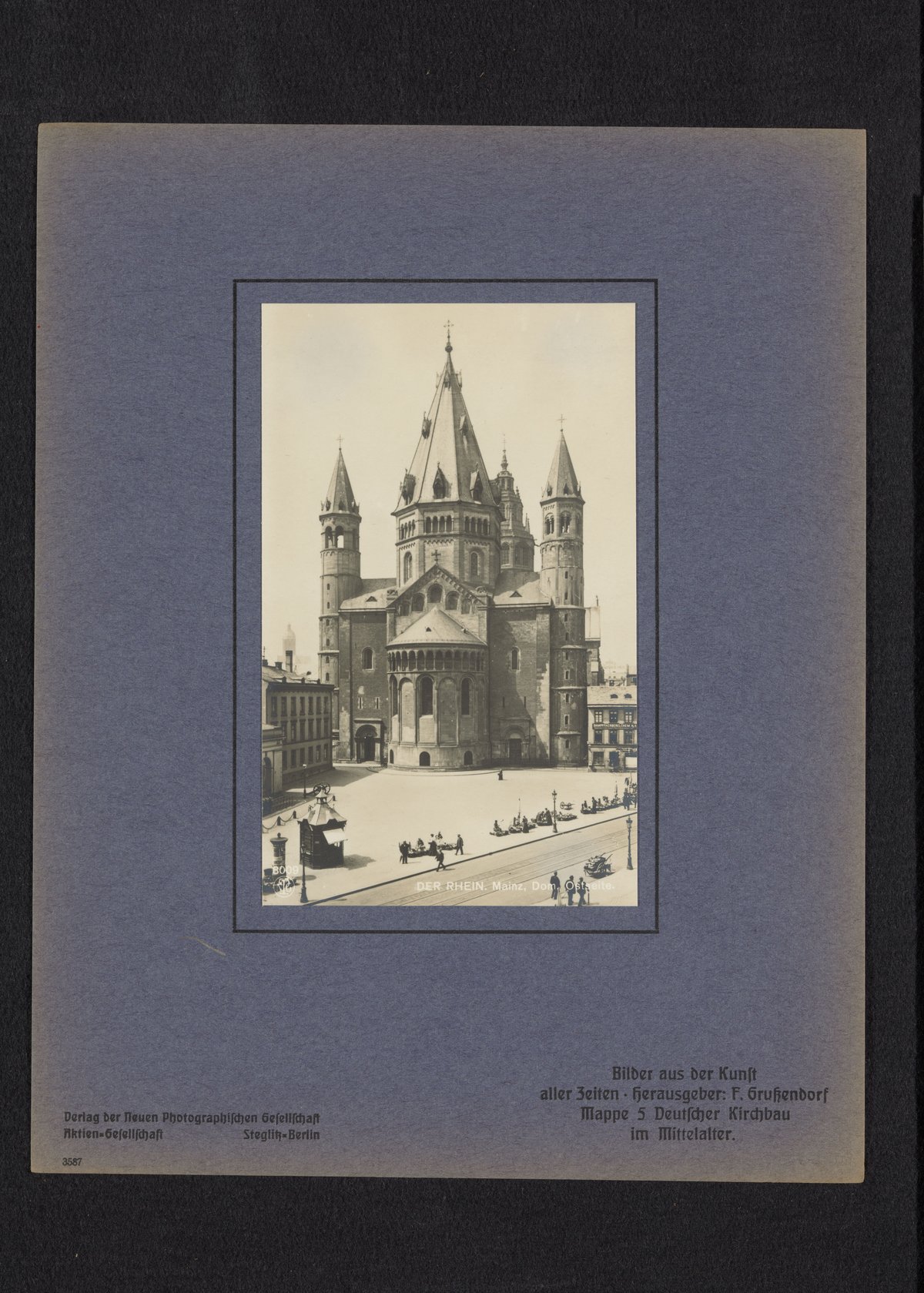
The cathedral’s six towers—dominated by a central octagonal crossing tower—define Mainz’s skyline (German Culture). Buttresses, arcades, and a palette of red sandstone blend Romanesque, Gothic, and Baroque styles, reflecting centuries of change.
Interior and Nave
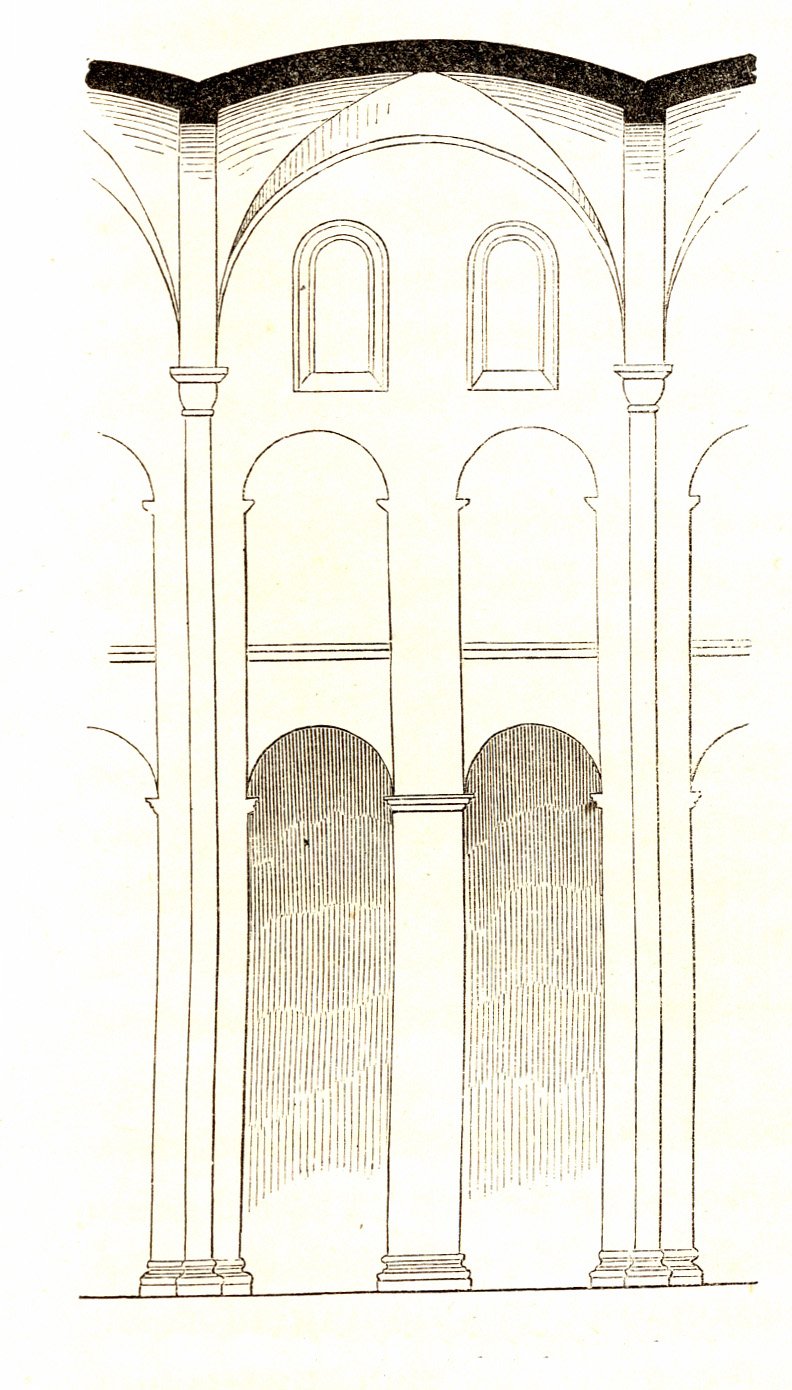
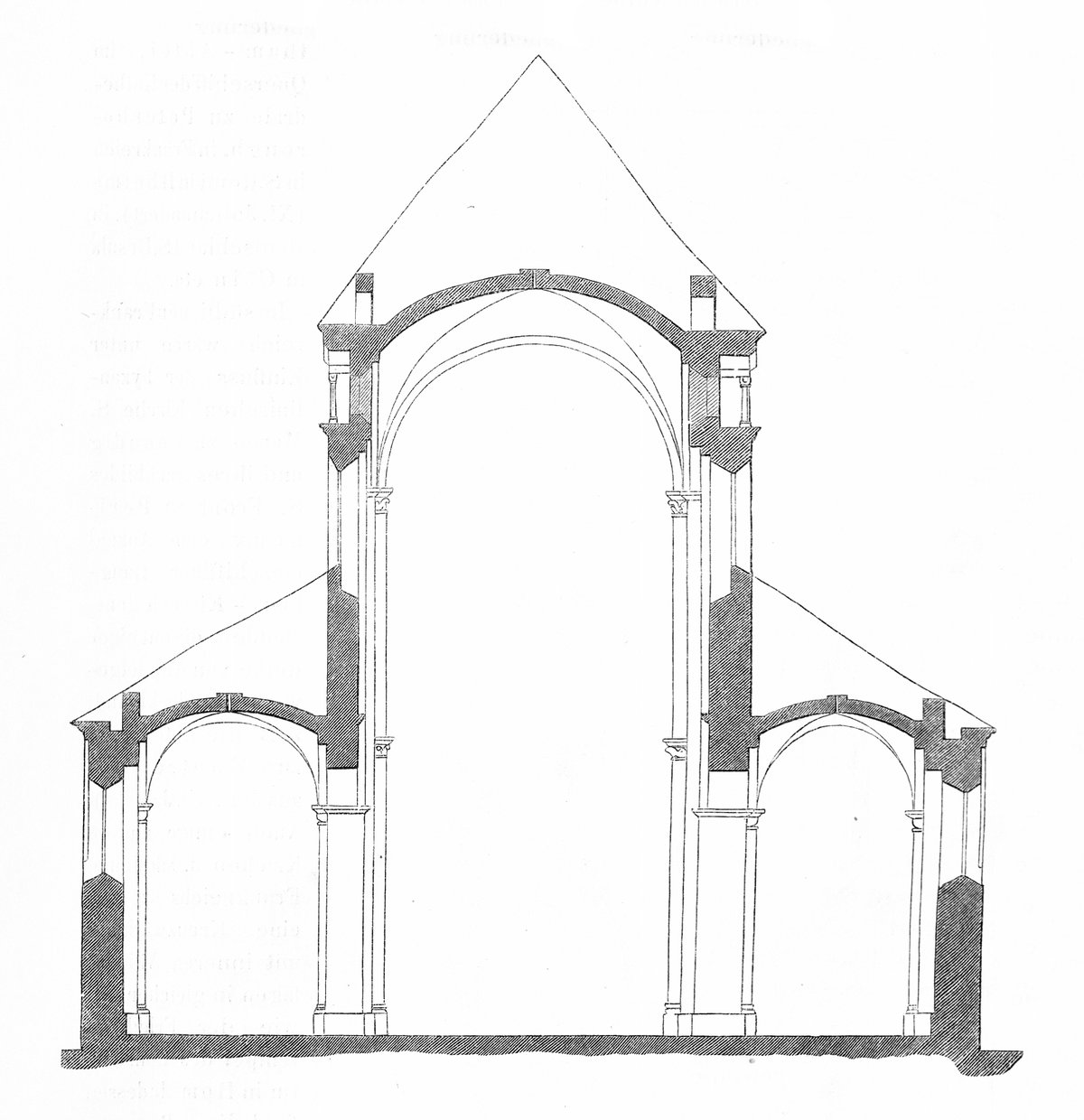
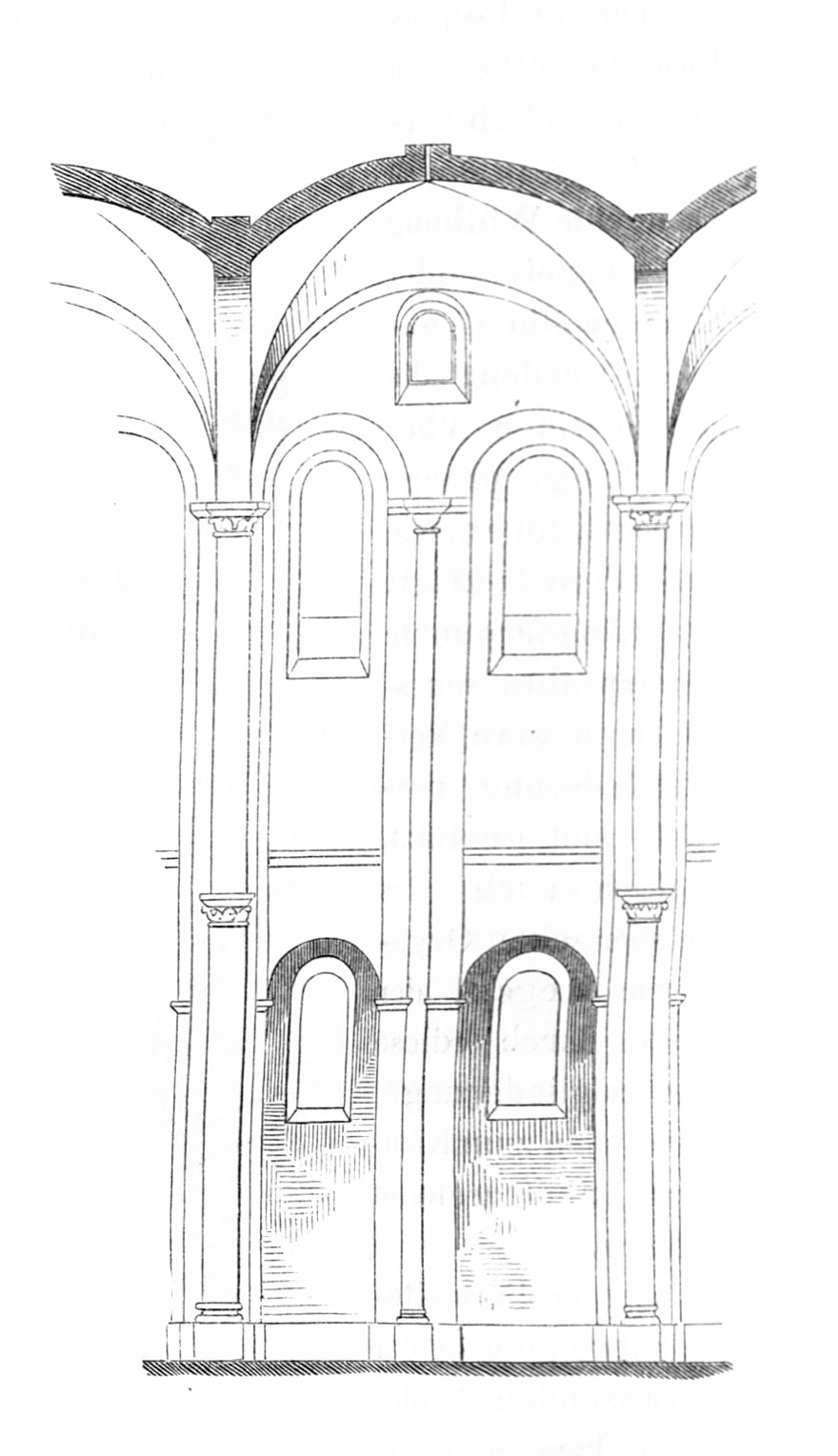
The nave features massive columns and rounded arches (Romanesque), side aisles with Gothic and Baroque chapels, and an atmosphere of solemn grandeur (PlanetWare). Highlights include:
- The dual chancels dedicated to St. Martin and St. Stephen
- The Ketteler Chapel’s wood carvings and “Lady of Mainz” statue
- 10th-century bronze door panels
Cloisters and Courtyard
The Late Gothic cloisters, with pointed arches and ribbed vaults, enclose a tranquil courtyard and serve as a lapidarium displaying architectural fragments (Tall Girl Big World).
Funerary Monuments and Art
Mainz Cathedral houses the largest collection of prince-archbishop funerary monuments in the former Holy Roman Empire (The Crazy Tourist). The treasury offers medieval and Baroque religious art, manuscripts, and reliquaries.
Museum and Visitor Facilities
The Diocesan Museum (Dommuseum), located in the former chapter house and accessed via the cloisters, displays religious art spanning two millennia (Triphobo).
Experiencing Mainz Cathedral and Surroundings
First Impressions and Atmosphere
The cathedral’s imposing façade greets visitors arriving from the bustling market square, surrounded by historic buildings, cafés, and shops (TabithaSchr). Inside, soaring ceilings and filtered light create a contemplative ambiance.
Special Events and Market Days
The cathedral square hosts Mainz’s famous weekly market every Tuesday, Friday, and Saturday, with local produce, flowers, and delicacies (TabithaSchr). The cathedral also features regular concerts and religious celebrations—check the official schedule for unique experiences (Travalour).
Nearby Attractions
- Gutenberg Museum Explore the history of printing.
- St. Stephan’s Church Renowned for its Chagall stained glass windows.
- Mainz Historical Museum and Electoral Palace Deepen your understanding of Mainz’s past.
Travel Tips and Practical Advice
- Best Time to Visit Early mornings or late afternoons for a quieter atmosphere; market days for lively local color.
- Duration Plan 1–2 hours for the cathedral, plus time to explore nearby sites.
- Dress Code Modest attire is recommended.
- Amenities Paid restrooms inside; nearby cafés and shops for refreshments.
- Accessibility Most areas are accessible, but some chapels and the crypt may have limited access.
Frequently Asked Questions (FAQ)
Q: What are the Mainz Cathedral visiting hours?
A: Monday to Friday, 9:00 AM – 6:30 PM; Saturday, 9:00 AM – 4:00 PM; Sunday, 12:45 PM – 3:00 PM and 4:00 PM – 6:30 PM. Hours may vary on holidays.
Q: Is there an admission fee?
A: Entry to the cathedral is free. Tickets are required for guided tours and museum visits.
Q: Is Mainz Cathedral wheelchair accessible?
A: Yes, most areas are accessible; some chapels and crypts have limited access.
Q: Are guided tours available?
A: Yes, bookable online or at the cathedral office; tours are available in several languages.
Q: Can I take photographs?
A: Photography is allowed, but please be respectful—no flash or tripods during services.
Q: Where can I get more information or tickets?
A: Visit the official cathedral website or the tourist office.
Discover More
Stay up to date on Mainz Cathedral visiting hours, ticketing, and events by visiting the official website. Download the Audiala app for audio guides, interactive maps, and real-time updates. Follow us on social media for travel inspiration and explore related posts on Mainz’s rich cultural heritage.
Internal Links Suggestions:
- “Top Historical Sites in Mainz”
- “Guide to the Gutenberg Museum in Mainz”
Summary: Key Information and Tips
Mainz Cathedral is a living monument that weaves together spiritual significance, architectural grandeur, and the vibrant daily life of Mainz. Whether you’re a history enthusiast, art lover, or casual traveler, the cathedral offers a unique journey through the epochs of European heritage. For the latest information and immersive experiences, check the official website and download the Audiala app.