Origins of the Stolpersteine Project
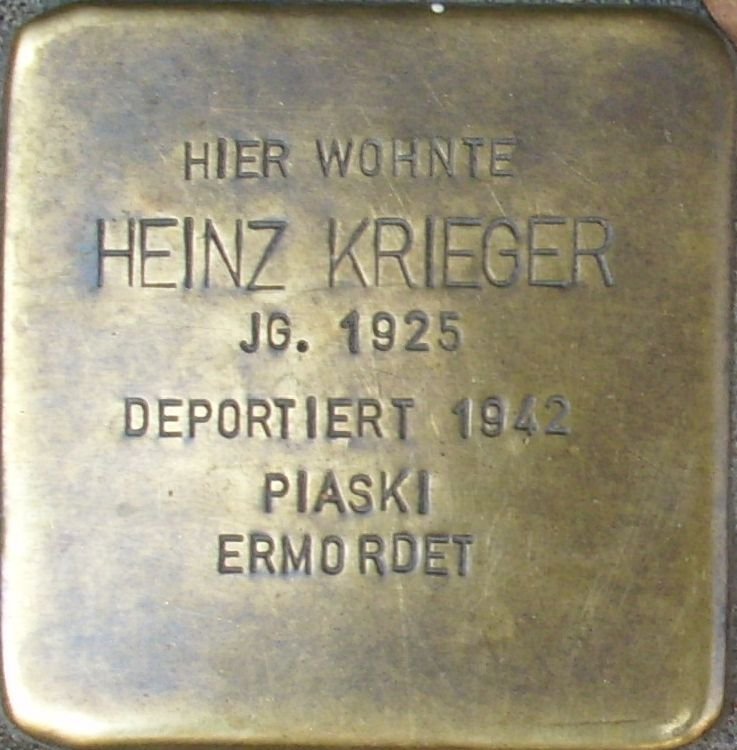
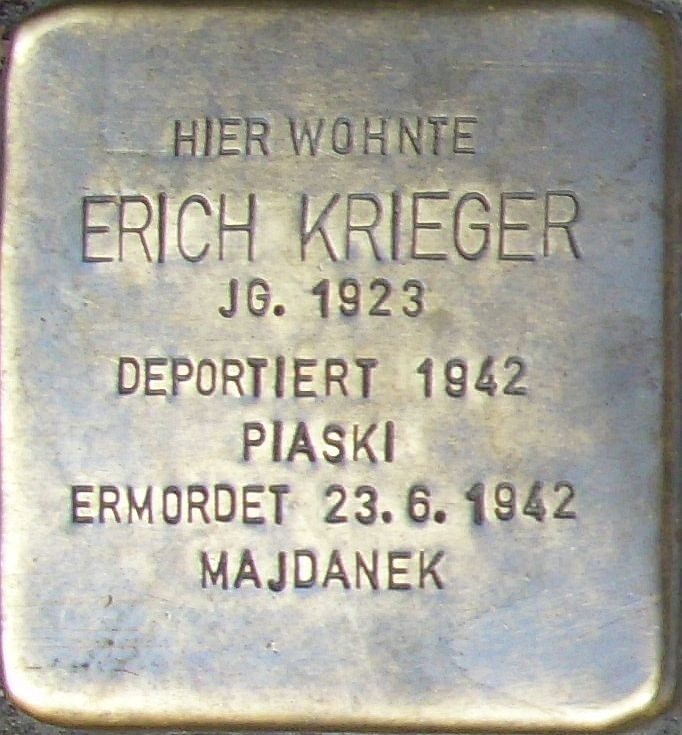
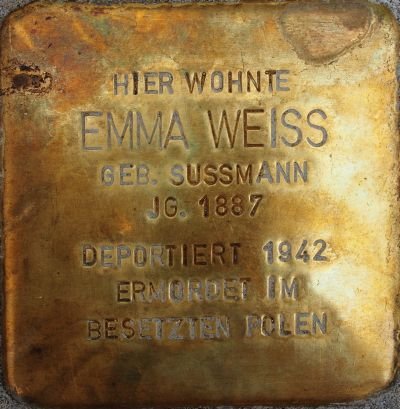
The Stolpersteine project was conceived by German artist Gunter Demnig in 1992 as a decentralized, personal approach to Holocaust remembrance. Each Stolperstein is a 10 x 10 cm concrete cube capped with a brass plate inscribed with the victim’s name, date of birth, fate, and, if known, date and place of death. The intent is to memorialize not only Jews, but also Roma and Sinti, LGBTQ+ individuals, political dissidents, people with disabilities, and others persecuted by the Nazi regime (pragueviews.com; Germany Info).
Unlike centralized monuments, Stolpersteine integrate memory directly into everyday life, prompting emotional and intellectual “stumbling” as people encounter these markers in their own neighborhoods (Folklife Magazine).
Stolpersteine in Mainz: Growth and Community Involvement
Mainz, with one of Germany’s oldest Jewish communities, suffered immense losses during the Nazi era. Prior to 1933, the Jewish community numbered around 2,600; by 1945, only a handful remained (mainz.de). The Stolpersteine project has become central to Mainz’s culture of remembrance, with over 280 stones installed and more planned as families and researchers uncover further histories.
Installations are usually initiated by local citizens, descendants, or organizations in cooperation with the city, the Haus des Erinnerns – Für Demokratie und Akzeptanz, and the Verein für Sozialgeschichte Mainz e. V. These partnerships ensure that each stone is accompanied by careful research and documentation (Haus des Erinnerns Mainz).
The Stolperstein for Johanna Herz: Location and Biography
The Stolperstein for Johanna Herz is situated at Am Stiftswingert 19, Mainz, marking her last voluntarily chosen residence before deportation (Stolpersteine Mainz Biografien). Installed in November 2017, this stone is part of a broader network that personalizes the memory of those lost in the Holocaust.
While specific biographical details about Johanna Herz may be limited, the stone ensures that her name and story endure. The personalization of each Stolperstein embodies the Talmudic principle: “A person is only forgotten when his or her name is forgotten” (Stolpersteine Guide).
Cultural and Social Significance
Stolpersteine serve as powerful instruments of memory and dialogue. Their presence in daily life challenges indifference, inviting reflection and discussion about the Holocaust and the dangers of intolerance (pragueviews.com). In Mainz, these memorials are focal points for community remembrance, particularly on Holocaust Memorial Day (January 27) and other anniversaries, when residents clean and decorate the stones with candles or flowers (iamexpat.de).
Each installation ceremony, often attended by local officials, descendants, and citizens, transforms the act of remembrance into a collective, participatory experience (Folklife Magazine).
Visiting Information: Hours, Tickets, and Accessibility
Hours and Tickets
- Visiting Hours Stolpersteine are embedded in public sidewalks and accessible 24/7, year-round. There are no official opening or closing times.
- Tickets No tickets or fees are required. Visiting is always free of charge (Stolpersteine FAQ).
Accessibility
- The Stolperstein for Johanna Herz is located on a public sidewalk and is generally accessible to visitors with mobility challenges. However, some adjacent streets in Mainz’s older districts may have cobblestones or uneven surfaces. Plan accordingly if using wheelchairs or strollers.
How to Find Stolpersteine in Mainz
- Use the Stolpersteine Mainz interactive map or the Stolpersteine Guide app to locate individual stones, including that of Johanna Herz.
- The Mainz Tourist Office (mainz STORE) on Marktplatz near the cathedral can provide maps and advice (Mainz Tourism).
Practical Tips and Etiquette
- Best Times to Visit Daylight hours offer better visibility and a more contemplative environment.
- Conduct Pause, read the inscription, and consider leaving a small stone or flower following Jewish tradition.
- Photography Allowed, but be respectful of residents and other passersby.
- Clothing Dress for the weather—Mainz has mild summers and cool, sometimes rainy winters.
- Safety Mainz is safe, but always remain aware of your surroundings and secure your belongings.
Special Events and Community Engagement
- On Holocaust Remembrance Day and other key dates, join local residents in cleaning and decorating Stolpersteine.
- Follow the Stolpersteine Mainz website and Mainz Tourism for updates on commemorative events and walking tours.
FAQs
Q: Are there any fees or tickets required to visit the Johanna Herz Stolperstein?
A: No, visiting is free and open to the public at all times.
Q: When is the best time to visit?
A: Visit during daylight for better visibility and a reflective atmosphere.
Q: Is the Stolperstein wheelchair accessible?
A: Yes, though some nearby streets may have uneven pavement.
Q: Are guided tours available?
A: Guided tours on Jewish history, including Stolpersteine, are offered periodically by local organizations and the tourist office.
Q: Can I take photographs?
A: Yes, but please be considerate of the space and local residents.
Q: How can I learn more about Johanna Herz and the Stolpersteine project?
A: Use the Stolpersteine Guide app and visit the official Stolpersteine website.
Summary and Visitor Tips
The Stolperstein for Johanna Herz at Am Stiftswingert 19 is more than a historical marker—it is an invitation to engage with the personal legacy of Mainz’s Jewish community. Open and accessible at all hours, it is a free, contemplative site that requires only your presence and respect.
Enhance your visit by exploring nearby historical attractions such as Mainz Cathedral, the UNESCO-listed Old Jewish Cemetery “Judensand,” and the Gutenberg Museum. Use digital resources like the Stolpersteine Guide app and interactive maps to deepen your understanding.
By visiting, reflecting, and sharing these stories, you contribute to a living memorial that transcends time, fostering remembrance, empathy, and a culture of tolerance in Mainz and beyond (Stolpersteine Guide, Haus des Erinnerns Mainz, PragueViews).