Architectural Vision and Symbolism
The New Synagogue’s design is deeply rooted in Jewish textual tradition. Manuel Herz’s architecture draws direct inspiration from the Hebrew word “Kedusha” (holiness), with each of the building’s five interlocking volumes representing one of the letters. The green-glazed ceramic façade shimmers with changing light, symbolizing rebirth and growth after the devastation of the Holocaust. The synagogue’s form and details—such as a large skylight shaped like a Talmud page—highlight the centrality of learning and spirituality in Jewish life. Fragments from the 1912 synagogue are integrated into the forecourt, providing a tangible link to the city’s past. (forward.com, mainz.de)
Historical Context and Community Renewal
Erected on the site of the main synagogue destroyed during Kristallnacht, the New Synagogue Mainz is both a memorial and a beacon of hope. Rather than focusing solely on the trauma of the Holocaust, the design emphasizes continuity, optimism, and the thriving Jewish presence in contemporary Mainz. The opening in 2010 was a momentous occasion for the city and Germany, attended by thousands, including national dignitaries. The synagogue now serves as a hub for religious, educational, and cultural activities, fostering Jewish life and interfaith dialogue in Mainz. (mainzund.de)
Visiting Hours and Ticket Information
- Visiting Hours
The New Synagogue does not have regular public opening hours. All visits must be arranged in advance, typically as part of a guided tour. - Admission
Entrance is generally free; donations are appreciated to support community work. - Tours
Guided tours are available by advance booking. These tours grant access to the sanctuary, exhibitions, and community spaces, and are available in German and, upon request, in English. - Ticket Prices
Guided tours typically cost €5–€10 per person, depending on group size and language. Confirm prices when booking.
Visitors are encouraged to check the official synagogue website or contact the Jewish Community of Mainz for the most up-to-date information.
Guided Tours and Booking
- How to Book
Contact the Jewish Community of Mainz via their official website or by email. Guided tours must be arranged in advance and typically require the names of all participants for security purposes. - What to Expect
Tours focus on the synagogue’s architecture, symbolism, and the history and renewal of Jewish Mainz. Tours are available for individuals, groups, and school classes.
Accessibility and Security
- Accessibility
The synagogue is fully wheelchair accessible, with ramps and elevators throughout. Notify staff of any special needs during booking. - Security Protocols
Visitors must register in advance with their full names and a valid photo ID. Expect security screenings similar to airport protocols. Large bags and sharp objects are not permitted. - Visitor Conduct
Modest clothing is required; men may be asked to wear a kippah (provided). Respectful behavior is expected at all times.
(kulturerbeunterwegs.kaiser2020.de)
Location and Nearby Attractions
Address:
Synagogenplatz (corner of Hindenburgstraße and Josefsstraße)
55118 Mainz, Germany
- Getting There
- 15-minute walk from Mainz Hauptbahnhof (Main Station)
- Accessible via city bus and tram lines
- Limited street parking; public transport recommended
Nearby Attractions:
- Heiliger Sand (Old Jewish Cemetery) UNESCO World Heritage site with gravestones dating to the 11th century (rheinhessen.de).
- Mainz Cathedral and Gutenberg Museum Important historic and cultural sites within walking distance.
- Mainz State Museum Features artifacts from the city’s Jewish past.
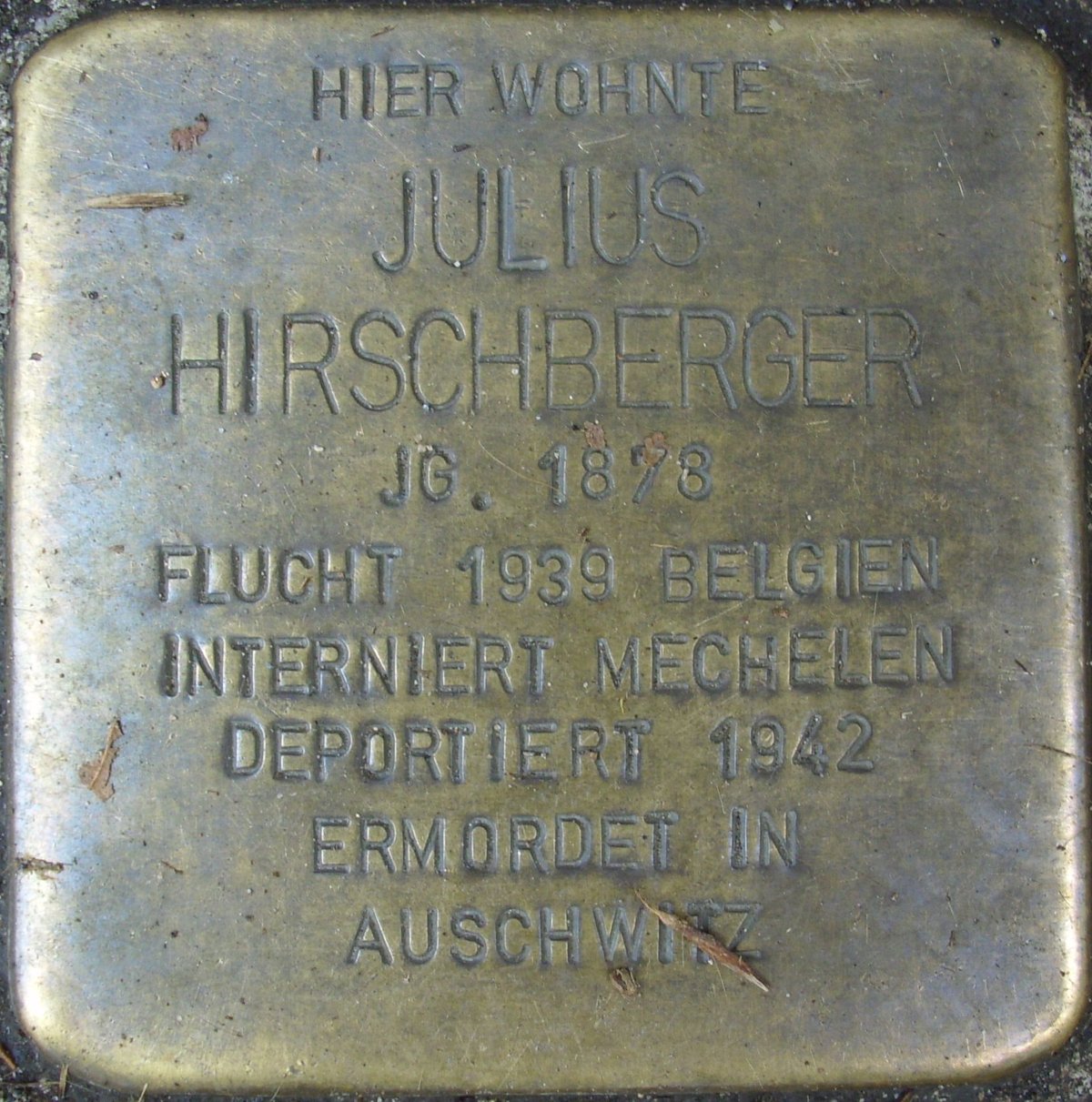
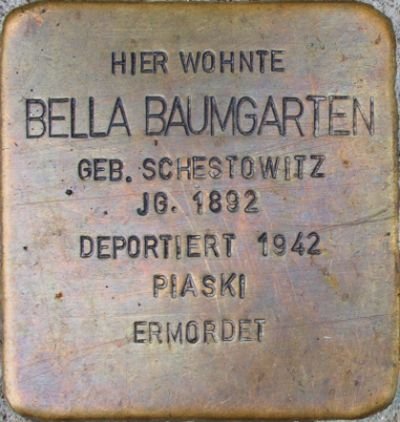
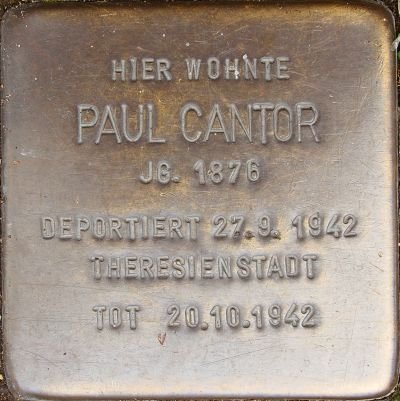
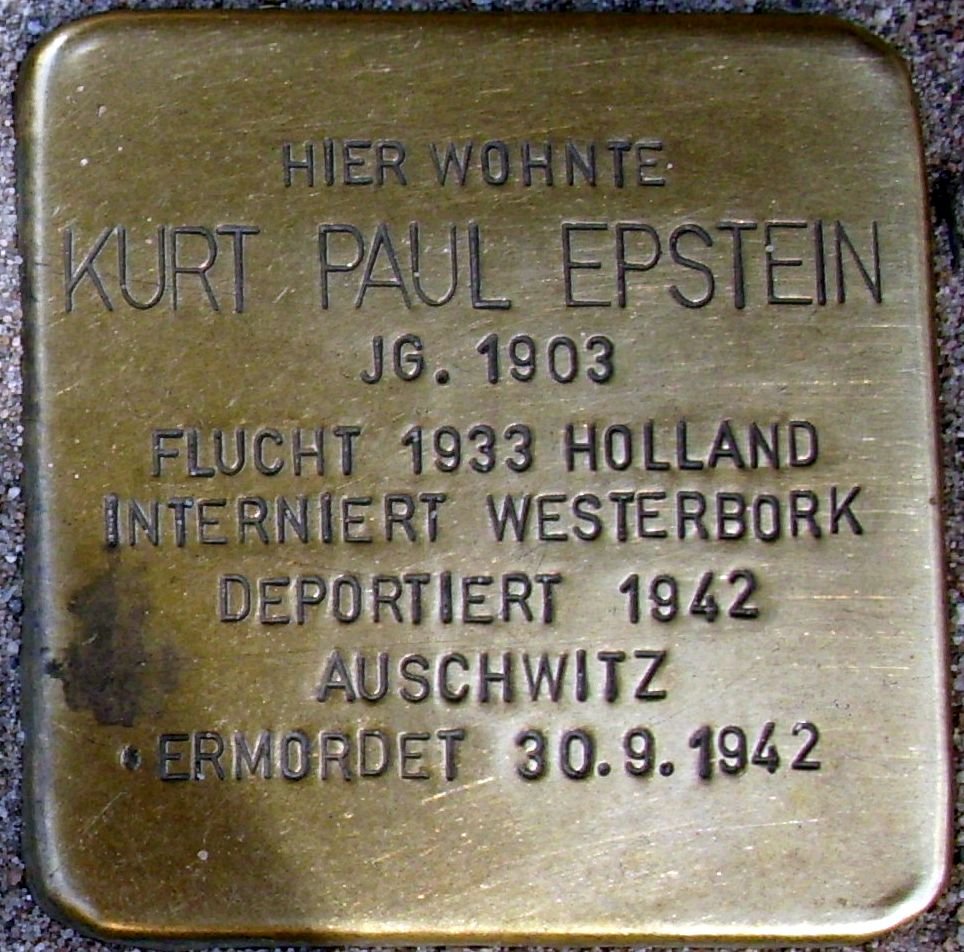
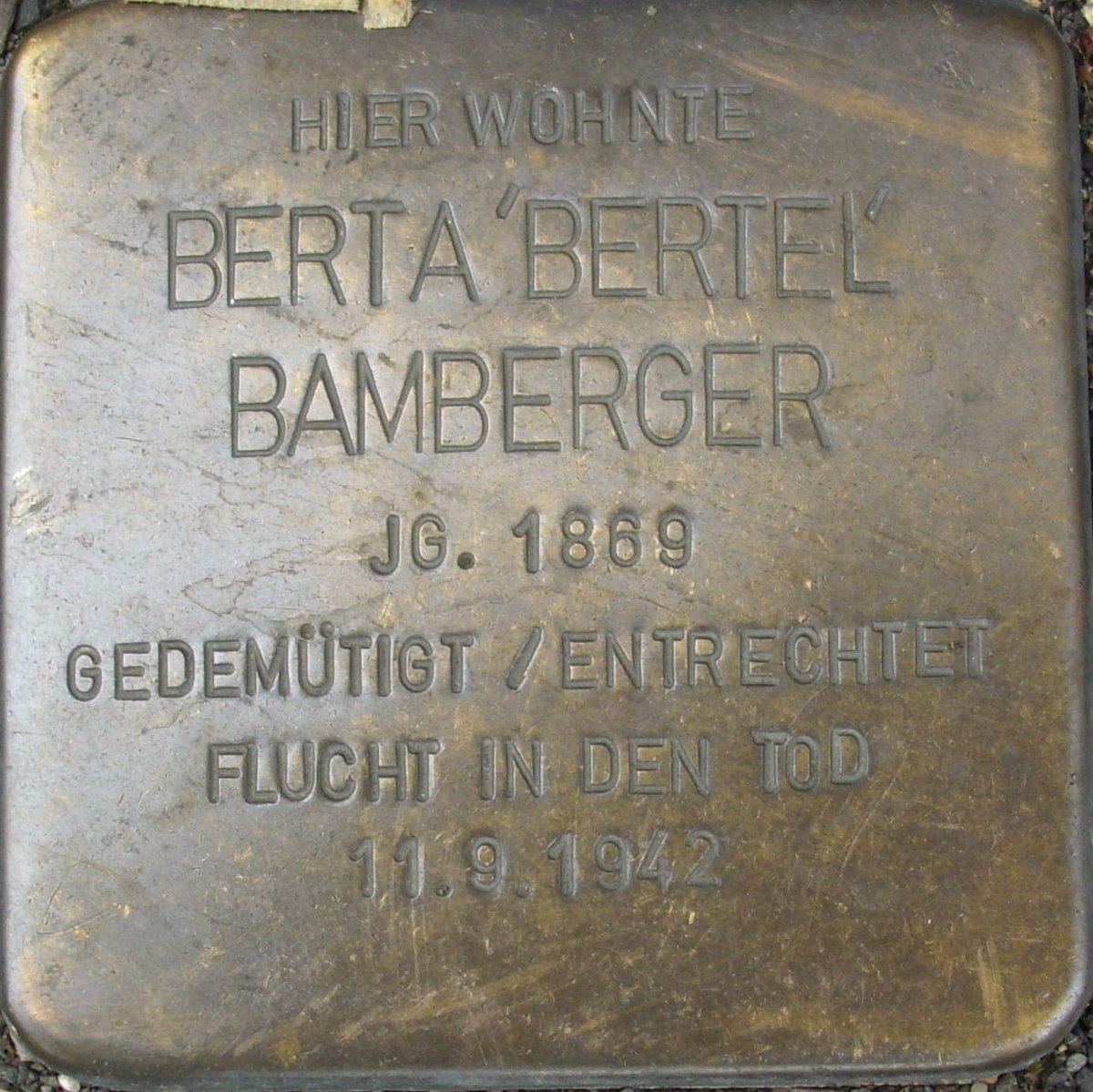
- Mainzer Judengasse Explore the historic Jewish quarter marked by plaques and Stolpersteine.
Enhance your visit with the SchUM storytelling app for self-guided tours and historical context.
Visitor Experience and Photography
- Forecourt and Memorials
View the reconstructed columns from the former 1912 synagogue, a memorial to the community’s enduring presence. - Architecture
The synagogue’s asymmetrical, five-part form and green-glazed façade are visually striking; Hebrew letters and texts adorn the sanctuary. - Exhibitions
Learn about the legacy of the ShUM cities and influential rabbis such as Gershom ben Yehuda. - Photography
Allowed in some areas with guide’s permission. The forecourt is ideal for photos; restrictions may apply in the sanctuary.
(schumstaedte.de, mainz-tourismus.com)
Special Events and Educational Programs
The synagogue regularly hosts events such as concerts, lectures, and temporary exhibitions. Educational initiatives include school visits, interfaith dialogues, and city-wide cultural events—particularly around significant dates like Kristallnacht. Check the Jewish Community’s website for event schedules.
Frequently Asked Questions (FAQ)
Q: What are the visiting hours for the New Synagogue Mainz?
A: Visits are by appointment only; there are no fixed public hours.
Q: How do I book a tour?
A: Book through the Jewish Community of Mainz’s official website or via email.
Q: Is the synagogue wheelchair accessible?
A: Yes, it is fully accessible. Notify any special needs when booking.
Q: Are photography and video allowed inside?
A: With permission in designated areas; restrictions apply in the sanctuary.
Q: What should I wear?
A: Modest clothing covering shoulders and knees. Men may be asked to wear a kippah.
Q: Are tours available in English?
A: Yes, upon request when booking.
Summary and Visitor Tips
The New Synagogue Mainz is a living symbol of Jewish resilience, culture, and renewal. Its innovative architecture, deep historical significance, and vibrant community life make it a must-visit site in Mainz. To ensure a smooth and respectful experience:
- Book tours well in advance.
- Bring necessary identification and observe security protocols.
- Dress modestly and respect the sanctity of the site.
- Explore additional Mainz Jewish heritage sites and download the SchUM app for added context.
Mainz offers a wealth of historical attractions that complement your visit to the synagogue, allowing for a comprehensive exploration of the city’s rich Jewish and cultural legacy. (mainz-tourismus.com, jgmainz.de, forward.com)