
Founding and Early Years (1858–1922)
The Petros Adamian Theatre originated in 1858, spearheaded by Gevorg Chmshkyan and supported by figures such as Gabriel Sundukyan. Its creation was a response to the vibrant Armenian community’s desire to institutionalize dramatic arts in Tbilisi. Early Armenian performances took place at the Nersisyan Seminary as far back as 1824 (Caucasus Edition). By the 1850s, community efforts led to the construction of a dedicated theatre building, quickly making it a hub for Armenian cultural life.
Petros Adamian Era and Artistic Flourishing (1880s–1936)
The theatre’s golden age began in the 1880s under the influence of Petros Adamian, after whom it was later named. This period saw the rise of prominent actors and directors, with the repertoire expanding to include both Armenian classics and international works (Glartent).
Soviet Period and New Building (1936–1991)
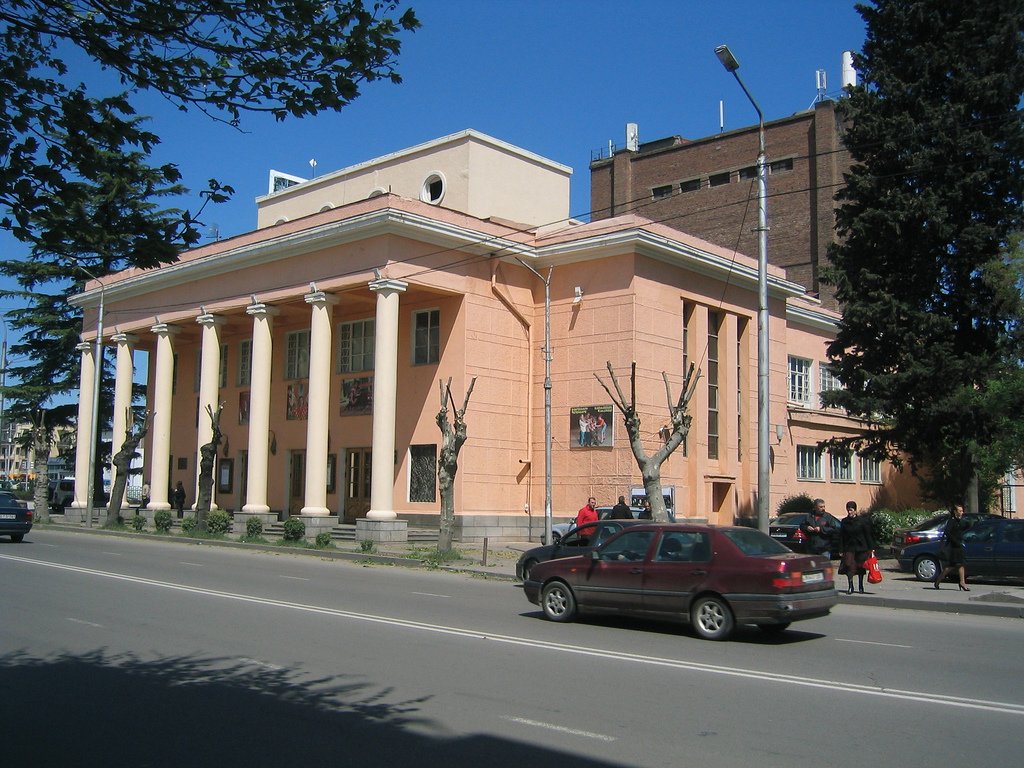
In 1936, the current theatre building was inaugurated, named after Stepan Shahumian. The Soviet era brought both support and constraints, but the theatre remained a center for Armenian culture in Georgia, adapting its repertoire to Armenian, Soviet, and world classics (Wikipedia).
Post-Soviet Challenges (1991–2010s)
The collapse of the USSR led to funding shortages and building deterioration. Severe water and earthquake damage forced the closure of the main hall in the early 2010s (Caucasus Edition). Despite this, the ensemble continued to perform in alternative venues locally and abroad (Asbarez), even earning the “Artavazd” prize for excellence.
Restoration and Modern Revival (2020–2025)
Restoration, led by the Cartu Group and supported by the Armenian Ministry of Culture, commenced but was delayed by the pandemic. The theatre is expected to reopen in September 2024, updated for accessibility and modern visitor experience (Tbilisi Times).
Cultural and Social Significance
The Petros Adamian Theatre is a vital symbol of the centuries-old Armenian presence in Tbilisi. Through its programming and outreach, it fosters intercultural dialogue, preserves the Armenian language, and serves as a community anchor (georgia.to). The theatre collaborates with schools and community groups, offering workshops and youth programs that nurture future generations of artists and audiences.
Visiting Information
Visiting Hours
- Standard Hours Tuesday–Sunday, 11:00 AM–7:00 PM
- Performance Start Typically 7:30 PM
- Note Always confirm current hours and showtimes via the official website or box office, as restoration or special events may impact schedules.
Tickets & Pricing
- Prices 10–30 GEL, depending on production and seating
- Discounts Available for students, seniors, and groups
- Purchase Online (official site), box office, or phone reservation
- Tip Book early for popular performances
Guided Tours
- Availability By advance request; contact visitor services
- Languages Armenian, Georgian, English
- Content History, architecture, notable productions
Accessibility
- Features Ramps, elevators, accessible seating (post-restoration)
- Assistance Available upon request
Location & Transportation
- Area Avlabari district, near Isani-Samgori (Trek Zone)
- Transport Metro (Avlabari Station), buses, taxis
- Parking Limited; public transport recommended
Nearby Attractions
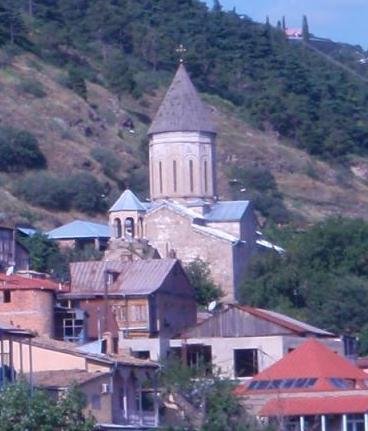
- Saint George’s Church 13th-century Armenian church
- Ejmiatsin Church Noted for its architecture
- Khojivank Pantheon Burial ground for Armenian cultural figures (Gagrule.net)
- Rustaveli Avenue, Georgian National Museum, Freedom Square Within easy reach
Contemporary Challenges and Restoration
Funding and Preservation
- Persistent financial constraints limit modernization and restoration (Shoghakat TV)
- International grants (e.g., EU’s Creative Europe) and diaspora support supplement local funding (Creative Europe)
- Restoration includes urgent roof and façade repairs (Georgian National Agency for Cultural Heritage Preservation)
Language and Audience Engagement
- Armenian-language performances with Georgian subtitles
- Youth workshops and bilingual programs foster broader engagement
Modernization Efforts
- Upgraded lighting and sound systems
- Digital outreach, live-streamed events, and collaborations with contemporary artists
Community and Volunteer Support
- Volunteer initiatives and fundraising campaigns (e.g., chandelier restoration in 2023)
- Ongoing partnerships with local and international cultural organizations
Accessibility and Safety
- Planned upgrades for fire safety and universal access
- Some areas may remain closed during restoration
Visitor Experience
Attending a performance or tour at the Petros Adamian Theatre offers immersion in Armenian culture and Tbilisi’s multicultural heritage. Program notes and, occasionally, surtitles assist non-Armenian speakers. The central location in Avlabari makes it easy to combine a visit with other historic landmarks and authentic cuisine.
Practical Tips
- Best Seasons Spring and autumn for pleasant weather
- Footwear Wear comfortable shoes for cobblestone streets
- Photography Permitted in designated exterior areas; respect restoration works
- Safety Standard precautions, especially at night
Frequently Asked Questions (FAQ)
Q: What are the current visiting hours?
A: Tuesday–Sunday, 11:00 AM–7:00 PM; check official sources for updates.
Q: How can I buy tickets?
A: Online, at the box office, or via phone; advance booking recommended.
Q: Is the theatre accessible?
A: Yes, renovations will ensure ramp and elevator access; check for updates.
Q: Are guided tours available?
A: Yes, by advance arrangement in multiple languages.
Q: Can I visit the interior during restoration?
A: Interior access is suspended during restoration; check for reopening announcements.
Q: What nearby Armenian heritage sites can I visit?
A: Saint George’s Church, Ejmiatsin Church, and Khojivank Pantheon are all nearby.