Visiting Hours and Ticket Information
- Opening Hours Tuesday – Sunday, 10:00 AM to 6:00 PM (last admission at 5:30 PM). Closed on Mondays and public holidays.
- Admission Fees
- Adults: 10 GEL
- Students and Seniors: 5 GEL
- Children under 12: Free
- Free entry is available for people with disabilities and other eligible visitors (bring documentation).
- Tickets Purchase on-site or online via Biletebi.ge or the Georgian National Museum website.
Accessibility and Getting There
- Accessibility The museum is wheelchair accessible, with ramps and facilities for visitors with disabilities. Contact ahead for specific requirements (museum.ge).
- Transport Located centrally, the museum is easily reached by public transport. The Rustaveli metro station and several bus lines are within a 10-minute walk. Limited parking is available nearby.
- Nearby Landmarks The museum is close to Rustaveli Avenue, Georgian National Gallery, and Mtatsminda Pantheon, making it easy to combine several cultural sites in one visit.
Museum Highlights: Collection and Exhibitions
Permanent Collection
The museum houses over 100 works, including:
- Sculptures in bronze, marble, and stone Showcasing Nikoladze’s evolution from academic realism to modernist experimentation.
- Portrait busts and reliefs Notable works include the Bust of Akaki Tsereteli and the Monument to Ilia Chavchavadze, capturing both likeness and psychological depth.
- Preparatory sketches and drawings Offering insight into Nikoladze’s creative process and engagement with European modernism.
- Personal artifacts, tools, and studio materials Providing a glimpse into the daily life and working environment of the artist (art.gov.ge).
Special Exhibitions and Programs
- Temporary exhibitions Spotlight contemporary Georgian sculptors and explore connections between past and present artistic trends.
- Guided tours Available in Georgian, English, Russian, and German. Book in advance for an in-depth experience (museum.ge).
- Workshops and lectures Designed for all ages, fostering engagement with Georgian art history.
Iakob Nikoladze: Life and Artistic Legacy
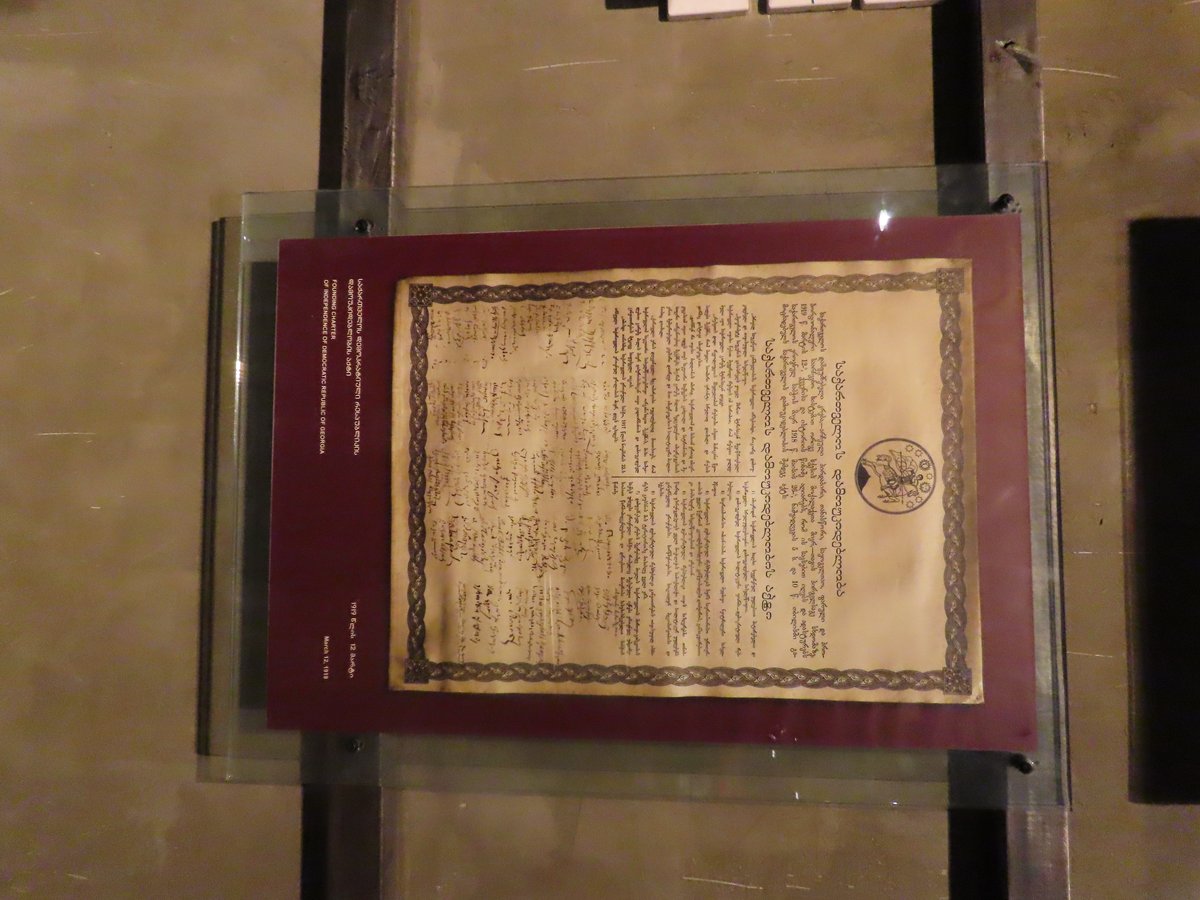
Iakob Nikoladze (1876–1951), born in Kutaisi, is recognized as the founder of modern Georgian sculpture. Trained in Moscow, Odessa, and Paris, and influenced by his collaboration with Auguste Rodin, Nikoladze’s works blend European modernism with Georgian national motifs. His career highlights include designing the state flag of the Democratic Republic of Georgia (1918–1921) and co-founding the Tbilisi State Academy of Arts, where he mentored generations of artists.
Major works such as The Old Jew (1896), Salome (1906), and Grieving Georgia (1913) demonstrate his mastery in uniting psychological nuance with technical skill. Recognized with the People’s Artist of the Georgian SSR and USSR titles and the Stalin Prize, Nikoladze’s influence endures in both public monuments and educational institutions (georgia.to, sa-ga.org).
Special Events and Visitor Experience
- Workshops and lectures Periodically organized, these events explore the evolution of Georgian sculpture and the continuing relevance of Nikoladze’s legacy.
- Photography Allowed without flash. For professional shoots, contact the museum in advance.
- Museum Shop Purchase books, postcards, and reproductions related to Nikoladze and Georgian art.
- Amenities Cloakroom available for small items, restrooms onsite, and a tranquil garden for relaxation and photography.
Nearby Attractions
Enhance your cultural itinerary by visiting:
- Rustaveli Avenue Theaters, cafes, and shops along Tbilisi’s main boulevard.
- Georgian National Gallery Extensive collection of Georgian and international art.
- Mtatsminda Pantheon Resting place of prominent Georgian cultural figures.
- Tbilisi Concert Hall Hosting concerts and performances year-round.
Practical Tips for Visitors
- Plan ahead Check the museum website for current hours, ticket prices, and exhibition schedules.
- Allow 1–1.5 hours to fully experience the museum.
- Book guided tours in your preferred language for deeper insight.
- Contact the museum for accessibility arrangements if needed.
- Combine visits to maximize your exploration of Tbilisi’s historic sites.
Frequently Asked Questions (FAQ)
Q: What are the visiting hours for the Iakob Nikoladze Museum?
A: Tuesday to Sunday, 10:00 AM – 6:00 PM, closed on Mondays and public holidays.
Q: How much do tickets cost?
A: Adults: 10 GEL; Students/Seniors: 5 GEL; Children under 12: Free. Free admission for eligible groups with documentation.
Q: Are guided tours available?
A: Yes, in Georgian, English, Russian, and German. Book in advance.
Q: Is the museum accessible for people with disabilities?
A: Yes, with prior arrangement. Contact the museum for details.
Q: Can I take photographs inside?
A: Yes, non-flash photography is generally allowed.
Contact Information
- Phone +995 32 215 73 00
- Email [email protected]
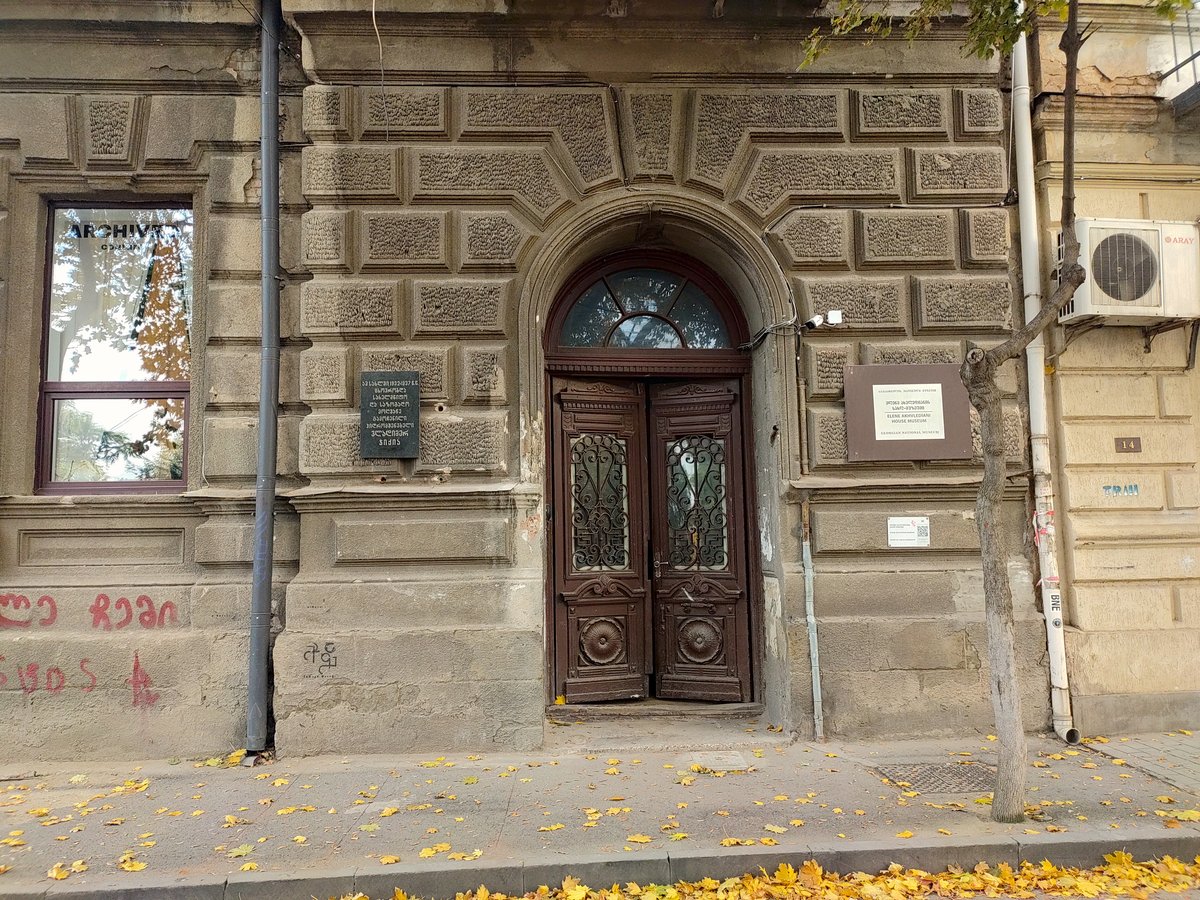
- Address 3 Auguste Rodin St., Tbilisi, Georgia
- Official Website museum.ge