
Ancient Origins and Founding
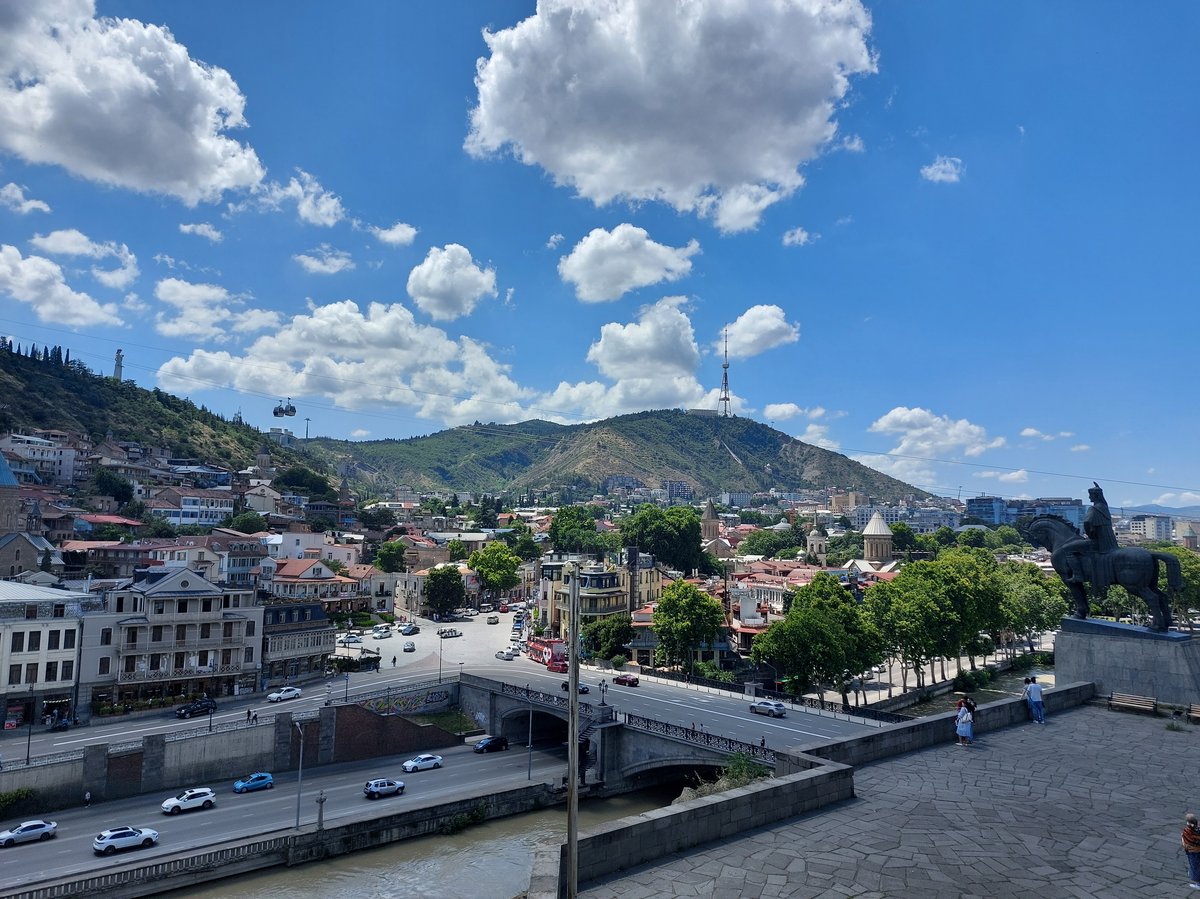
Archaeological finds reveal settlement in the area as early as the 4th millennium BCE (Advantour). The city’s founding is attributed to King Vakhtang I Gorgasali in the 5th century CE, who was inspired by the area’s sulfur springs to establish “Tbilisi,” meaning “warm place” in Georgian (Georgia.to). Historical evidence also points to a pre-existing Persian citadel on the site, now known as Narikala Fortress.
Medieval and Foreign Influences
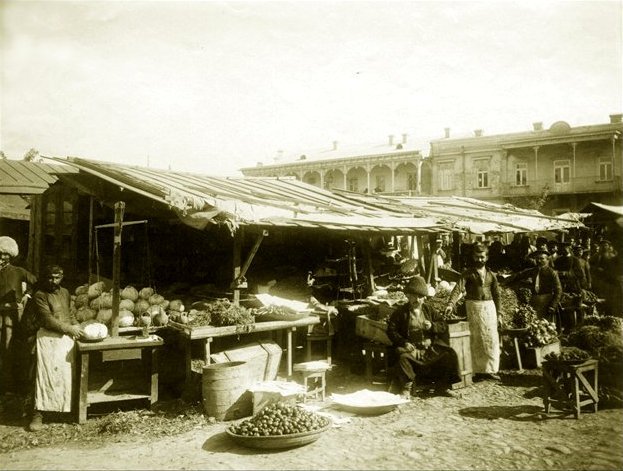
Old Tbilisi flourished as a commercial and strategic hub. Its quarters—Kala, Isani, and more—were shaped by successive waves of Arab, Persian, Mongol, and Ottoman rule, each leaving architectural and cultural imprints (Tbilisi.tours).
18th–19th Century Upheaval and Renewal
A devastating Persian invasion in 1795 wiped out much of the city’s earlier architecture, though a few pre-19th-century buildings like La Residence Castle remain (Wikipedia). Russian annexation in the 19th century sparked modernization, bringing new technologies and eclectic architectural styles, seen in landmarks like the Tbilisi State Opera House (Advantour).
20th Century to Present
The Soviet era brought urban planning and industrialization, though many historic buildings suffered neglect. Since independence in 1991, restoration and preservation initiatives have revitalized Old Tbilisi, supporting its candidacy for UNESCO World Heritage status (Tbilisi.tours).
Top Attractions: Hours, Tickets, and Highlights
Narikala Fortress
- History 4th-century origin, expanded by Arabs in the 8th century (Salt in Our Hair)
- Hours Daily, 9:00 AM–8:00 PM
- Tickets Free entry; cable car from Rike Park is 1 GEL one way
- Highlights Panoramic city views; scenic hiking routes
Sulfur Baths (Abanotubani)
- History Central to Tbilisi’s origins; 17th-century bathhouses over natural springs (Georgia Travel)
- Hours Typically 9:00 AM–11:00 PM
- Tickets Private rooms from 50 GEL; advance booking recommended
Old Town Streets & Balconies
- Features Ornate wooden balconies, cobbled lanes, vibrant street life (Salt in Our Hair)
- Notable Streets Betlemi, Shavteli (with the whimsical Clock Tower), Leselidze
Rezo Gabriadze Marionette Theater & Clock Tower
- Showtimes Evening puppet shows; check official schedule (The Chaos Diaries)
- Tickets 10–20 GEL
Metekhi Church & King Vakhtang Gorgasali Statue
- History 13th-century church perched above the river (Travel Pander)
- Hours 9:00 AM–6:00 PM
- Tickets Free
Sioni Cathedral
- Significance Houses St. Nino’s cross; spiritual center (Budget Travel Plans)
- Hours 9:00 AM–7:00 PM (closed on major holidays)
- Tickets Free
Anchiskhati Basilica
- Oldest Church 6th-century basilica, noted for acoustics and singing (Budget Travel Plans)
- Hours 10:00 AM–6:00 PM
- Tickets Free
Jumah Mosque
- Unique Feature Sunni and Shia Muslims pray together (The Broke Backpacker)
- Hours Prayer times; check locally
Queen Darejan Palace (Sachino)
- Features 18th-century palace with turquoise balconies
- Hours 10:00 AM–6:00 PM
- Tickets Free
Rike Park & Bridge of Peace
- Modern Additions Landscaped park, playgrounds, and iconic pedestrian bridge (Salt in Our Hair)
Ateshgah (Zoroastrian Fire Temple)
- History 5th–6th century relic (The Broke Backpacker)
- Hours 10:00 AM–5:00 PM
Art Galleries & Museums
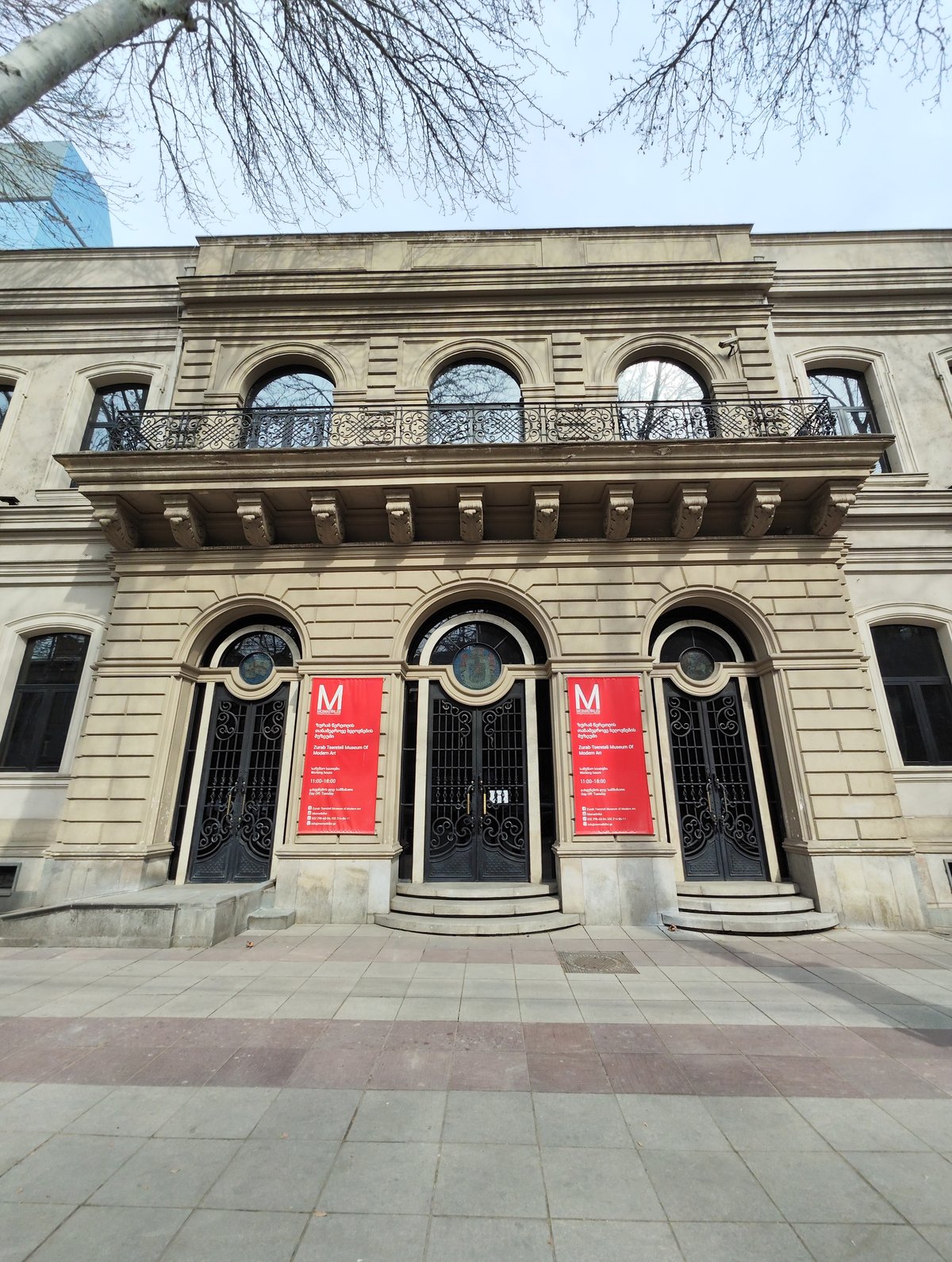
- Options Tbilisi History Museum, Museum of Illusions, contemporary galleries (The Chaos Diaries)
Mtatsminda Park & Funicular
- Attractions Amusement rides, panoramic views; accessible via funicular (The Broke Backpacker)
Fabrika
- Creative Hub Former Soviet factory, now a cultural space (The Chaos Diaries)
Practical Information
Getting Around
- Walking Best way to explore; wear comfortable shoes for uneven streets (Stories by Soumya)
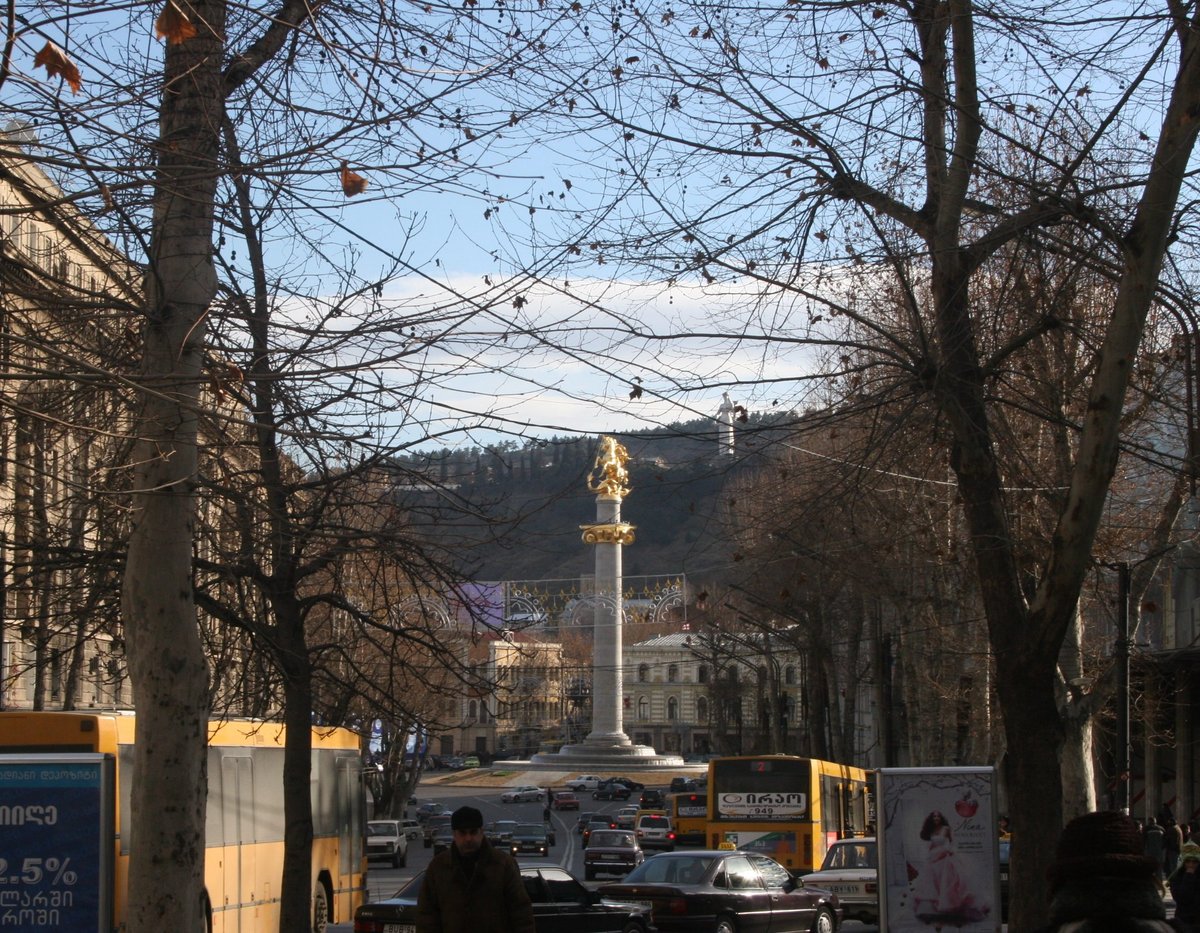
- Public Transport Metro stations (Avlabari, Liberty Square) nearby; Bolt/Yandex Go taxis are recommended (The Invisible Tourist)
Accessibility
- Cobblestones and stairs can be challenging; some attractions have limited wheelchair access. Research accessible venues or book specialized tours in advance.
Tickets & Booking
- Most churches and outdoor monuments are free; museums and bathhouses charge modest fees. Book guided tours and bathhouses in advance during peak times.
Accommodation
- Old Tbilisi offers boutique hotels and budget stays with scenic views. Book early during spring and autumn (Stories by Soumya).
Safety & Etiquette
- Tbilisi is generally safe. Exercise standard precautions, avoid protests, and use Georgian greetings for a warm welcome (Wander-Lush).
Dress Code
- Modest attire in churches; women may need to cover heads (The Invisible Tourist).
Money
- Georgian Lari (GEL) is the currency. ATMs are common; cash is useful for small purchases. Tipping is appreciated but not mandatory.
Food & Drink
- Try khinkali, khachapuri, and local wines. Vegetarian options are widely available (The Invisible Tourist).
Shopping
- Souvenir shops and the Dry Bridge Flea Market offer handicrafts and antiques (Ivertubani).
Health & Wellness
- Sulfur baths are a local tradition; bring or rent towels. Advance booking is advised (Stories by Soumya).
Seasonal Tips
- Spring and autumn are best for sightseeing. Summer is hot, winter is mild. July features festivals and concerts (All Events in Tbilisi).
Connectivity
- Free Wi-Fi in most venues; local SIM cards are affordable and reliable.
Insider and Travel Tips
- Start Early Beat the crowds at major sites (Tourist Places Guide).
- Photography Ask permission in religious sites.
- Hidden Gems Explore “Italian courtyards” and local sculptures (Stories by Soumya).
- Blend In Use simple Georgian phrases and dress modestly.
Frequently Asked Questions (FAQ)
Q: What are the visiting hours for Narikala Fortress?
A: Open daily from 9:00 AM to 8:00 PM.
Q: Are tickets required for Old Tbilisi attractions?
A: Most outdoor sites are free; museums and bathhouses charge modest fees.
Q: Can I book guided tours?
A: Yes, online or through local agencies—recommended during peak seasons.
Q: Is Old Tbilisi accessible for visitors with mobility issues?
A: Many areas are challenging due to uneven terrain; some venues offer limited access.
Q: When is the best time to visit?
A: Spring (April–June) and autumn (September–November) for mild weather.