Museum of History of Georgian Medicine: A Unique Monument in Tbilisi
History and Cultural Significance
Established in 1963, the Museum of History of Georgian Medicine preserves over 19,000 artifacts, including manuscripts, archaeological finds, and archives of notable Georgian doctors. Its location at 51 Dimitri Uznadze Street, near TSMU’s campus, makes it both an educational hub and a cultural landmark, showcasing Georgia’s rich contributions to global medicine (GeorgianMuseums.ge).
Visiting Hours and Tickets
- Hours Open daily from 11:00 AM to 6:00 PM (closed Mondays)
- Admission Free for children under six, museum staff, ICOM members, people with disabilities, and refugees. Standard tickets are affordably priced, with discounts for students and seniors.
Visit the official website or contact the museum for the latest ticket information.
Travel Tips and Accessibility
- Location Easily accessible by public transport, and within walking distance from central Tbilisi attractions.
- Accessibility Facilities are available for visitors with disabilities.
- Best Time to Visit Weekday mornings are typically less crowded.
Features and Experiences
- Guided Tours Available upon request; these provide deeper insights into Georgian medical history.
- Photography Non-flash photography is permitted; the museum’s unique displays make for excellent photos.
- Events and Lectures Regularly held at the museum and TSMU, these events enhance the visitor experience.
Nearby Attractions
While visiting the museum, consider exploring Tbilisi Old Town, Narikala Fortress, and the Georgian National Museum for a full day of cultural discovery.
Narikala Fortress: Tbilisi’s Iconic Historical Site
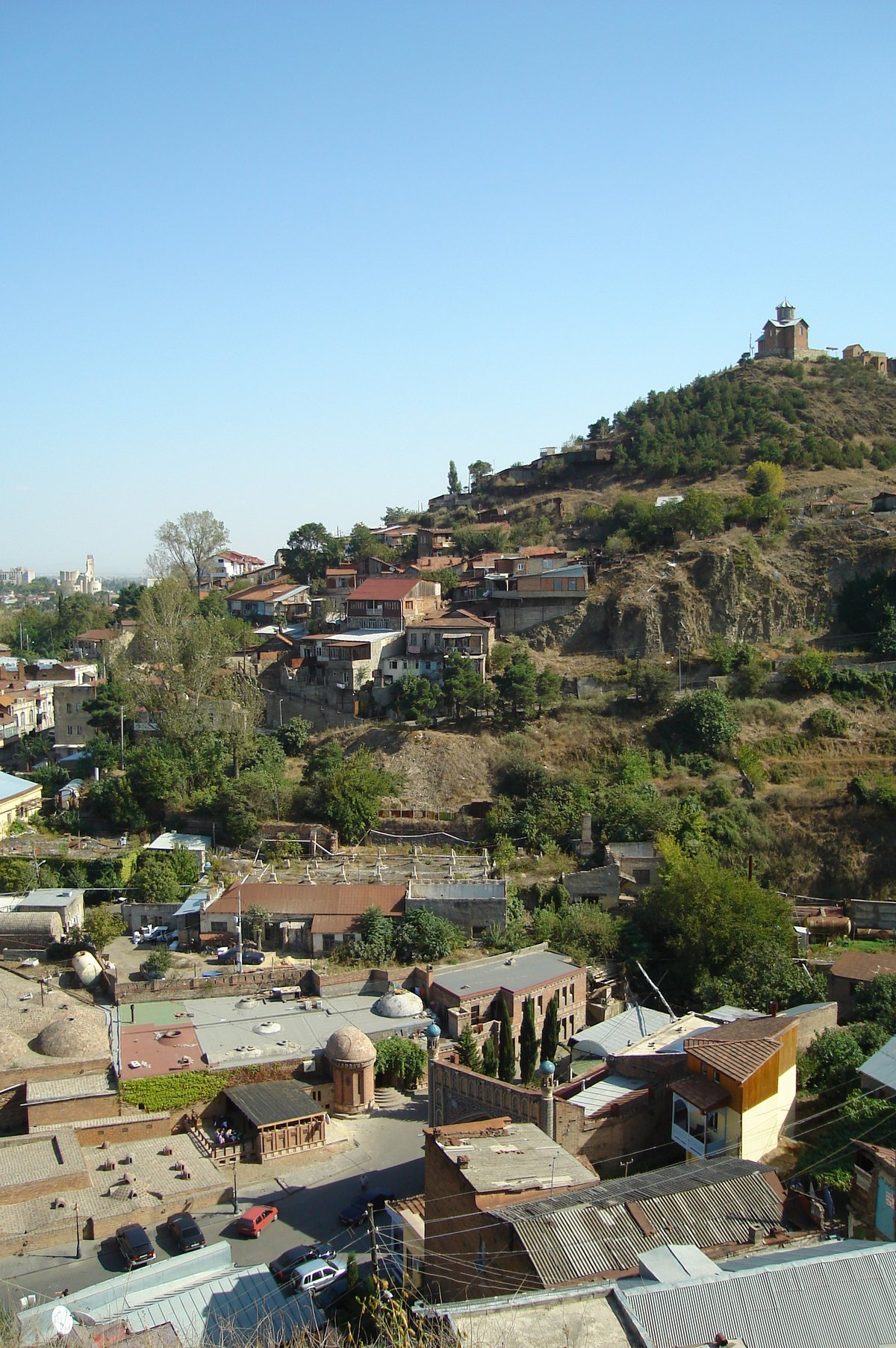
Narikala Fortress is a defining feature of Tbilisi’s skyline, perched on a hill overlooking the old town and the Mtkvari River. Dating back to the 4th century, the fortress has served as a military stronghold and cultural crossroads throughout its history.
History and Cultural Significance
Built during King Varaz-Bakur’s reign, Narikala has been expanded and rebuilt by various rulers, including Arabs, Mongols, and Persians. It remains a symbol of Tbilisi’s resilience and strategic importance, housing the recently rebuilt St. Nicholas Church and serving as a beacon for artists and historians.
Visitor Information
- Hours Open daily, 9:00 AM – 8:00 PM
- Admission Free; guided tours or special exhibitions may have a nominal fee
- Access Reachable by foot from the old town or via the scenic Tbilisi cable car from Rike Park
Tips for Visitors
- Wear comfortable shoes—paths are uneven.
- Bring water and sun protection.
- Early morning or late afternoon offers the best visiting conditions and views.
- Don’t miss the panoramic photo opportunities from the fortress walls.
Nearby Attractions
Combine your visit with the National Botanical Garden, sulfur baths in Abanotubani, and the charming old town.
Accessibility
The cable car makes upper sections more accessible for those with mobility challenges.
Special Events & Guided Tours
Narikala hosts cultural events, historical reenactments, and night tours. Many operators offer guided visits with expert commentary.
Tbilisi State Medical University Monument: Essential Visitor Information
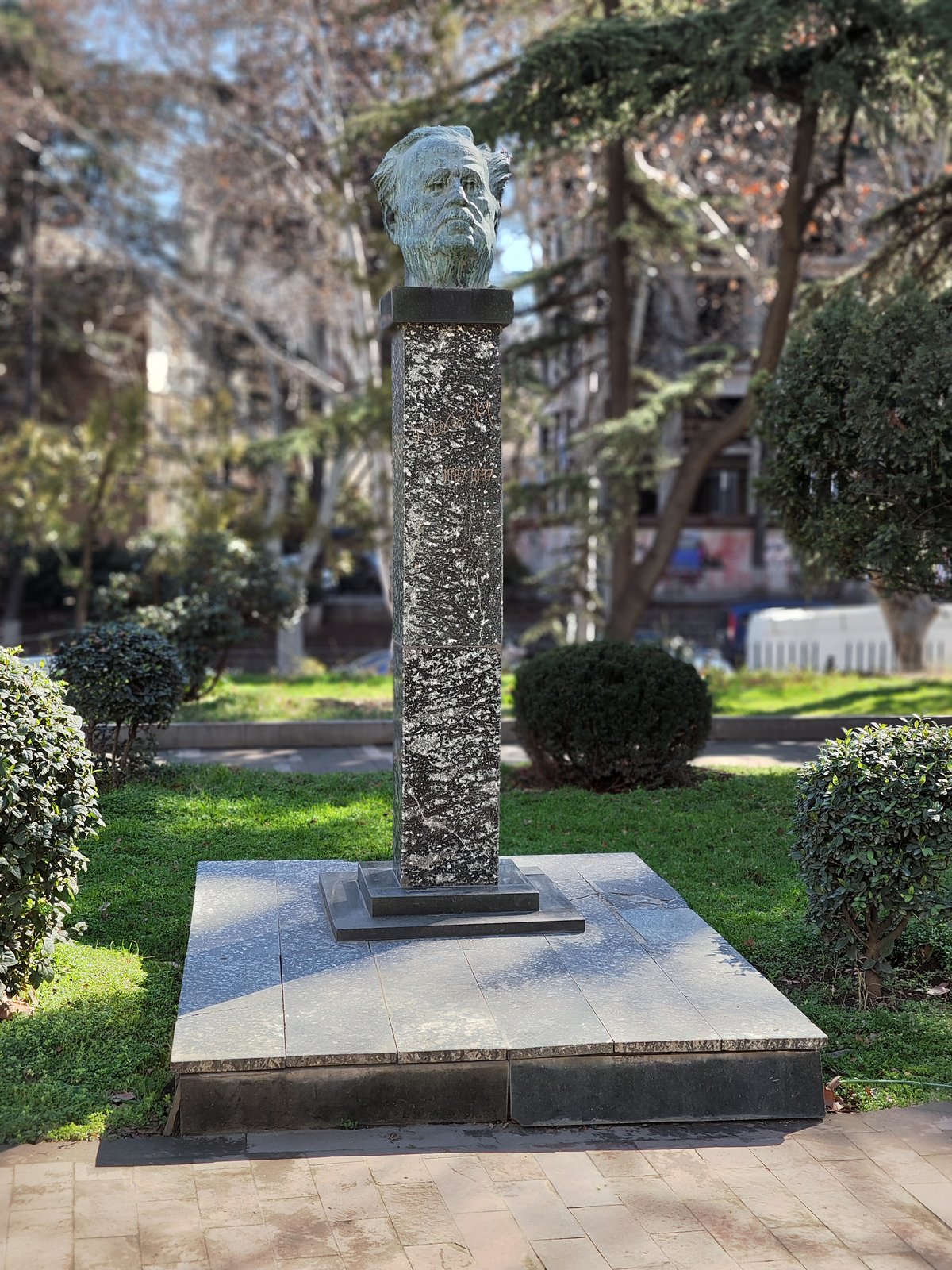
The Tbilisi State Medical University Monument honors the university’s role as a leader in medical education and research since its founding in 1918. It stands as a testament to the achievements of generations of Georgian healthcare professionals.
Location and Accessibility
- Situated on the TSMU campus
- Easily accessible by Metro (Vake, Rustaveli), city bus, marshrutka, taxi (Yandex Go, Bolt), or bike/scooter
Visiting Hours & Tickets
- Open Daily 8:00 AM – 8:00 PM
- Admission Free
- Guided Tours Available upon request through TSMU or local operators
Amenities and Nearby Attractions
- Vake Park Ideal for relaxation
- Rustaveli Avenue Theaters, museums, cafes
- Local Restaurants Traditional Georgian and international cuisine
- National Botanical Garden of Georgia Nature trails and scenic views
Accessibility
The monument features ramps and paved paths. For specific needs, contact the TSMU visitor center in advance.
Photography and Media
Photography is encouraged, especially during morning or evening for optimal lighting. Respect any posted restrictions; high-quality images and virtual tours are available on the TSMU website.
Special Events
The monument hosts commemorative ceremonies, academic conferences, and cultural festivals. Check the TSMU events calendar for updates.
Frequently Asked Questions (FAQ)
Q: Is there an admission fee to visit the monument?
A: No, it’s free for all visitors.
Q: Are guided tours available?
A: Yes, arrange through TSMU or local tour providers.
Q: Is the monument accessible for wheelchair users?
A: Yes, but contact the visitor center for specific accommodations.
Q: What’s the best time to visit?
A: Mornings and late afternoons for pleasant weather and good lighting.
Plan Your Visit
The Tbilisi State Medical University Monument and the Museum of History of Georgian Medicine together provide an immersive experience into Georgia’s medical and educational heritage. Whether you’re a history aficionado, medical professional, or traveler, these sites offer unique insights and cultural enrichment in the heart of Tbilisi.
To stay updated on visiting hours, guided tours, and special events, consult official resources and consider using the Audiala app for personalized travel guidance and interactive maps.
Useful Links
- TSMU Official Website
- Museum of History of Georgian Medicine
- Tbilisi Tourism Information
- TSMU Virtual Tour
Explore, learn, and immerse yourself in the enduring legacy of Tbilisi State Medical University—a cornerstone of Georgian medical and academic achievement.
Audiala2024