Discovering Tskneti: Your Guide to Visiting Tbilisi’s Historic Suburb
Historical Background
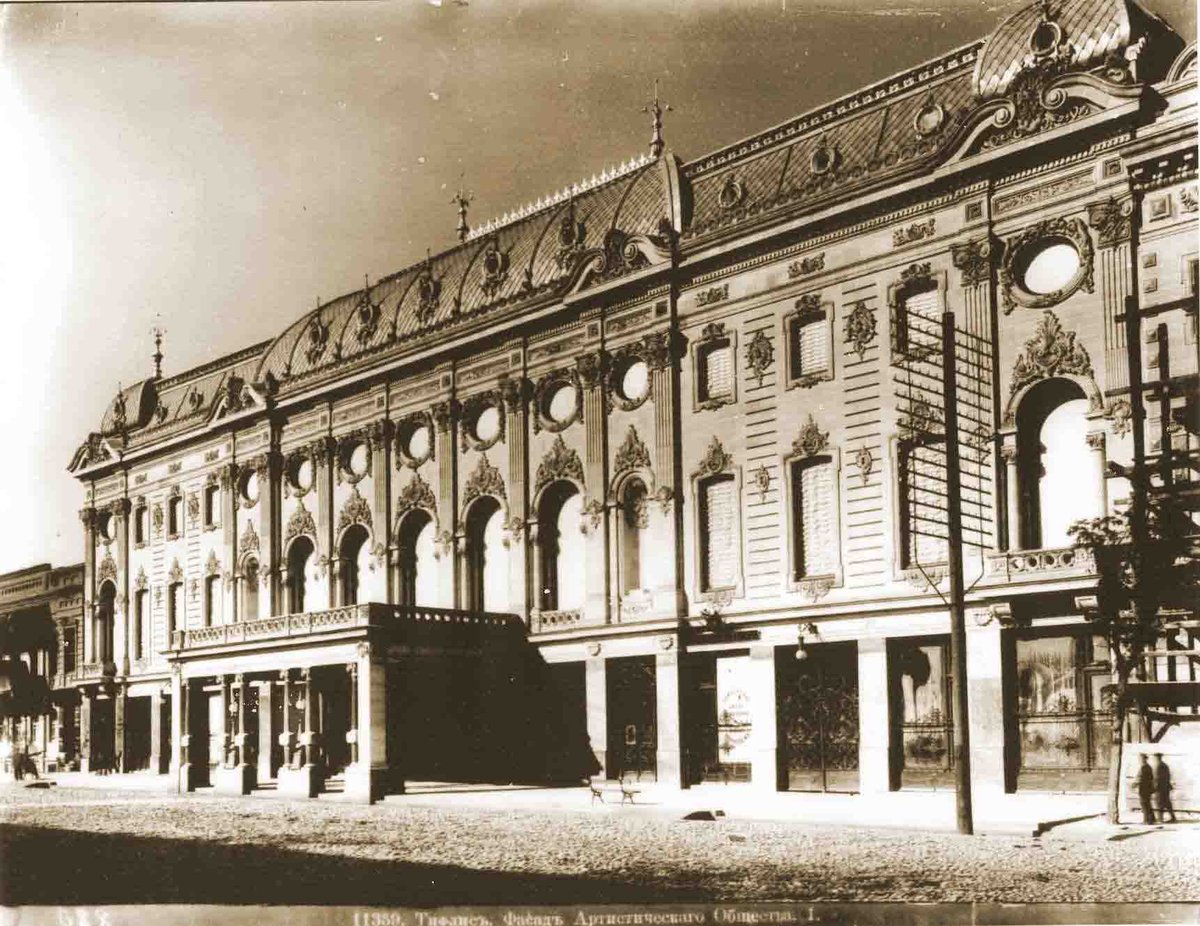
Tskneti’s roots stretch back to the Bronze and Iron Ages, as archaeological evidence reveals long-standing human settlement, drawn by the area’s abundant water sources and strategic location along ancient trade routes. In medieval times, the region became a summer refuge for nobles and clergy, prized for its cooler climate and proximity to Tbilisi. The 19th and early 20th centuries saw Tskneti blossom into a fashionable retreat, as elegant villas and sanatoriums emerged in architectural styles blending Georgian, Russian, and European influences (Discovering Tskneti).
Cultural Significance
Tskneti has long been a haven for Georgia’s creative community—writers, poets, and artists have drawn inspiration from its tranquil forests and vistas. Its mineral-rich waters nurtured a thriving spa culture, with sanatoriums serving as venues for concerts, literary readings, and other cultural events. Today, Tskneti maintains its reputation as a creative enclave, celebrated in Georgian literature and arts.
Architectural Heritage
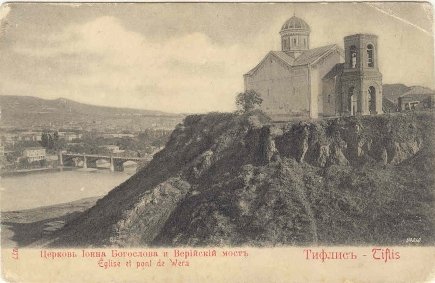
The suburb’s streets are lined with 19th- and early 20th-century villas, featuring ornate wooden balconies and colorful facades. The Church of St. George, modest yet historically significant, remains a spiritual anchor for the community. These architectural gems make Tskneti a highlight for those seeking Tbilisi’s historic sites.
Urban Development
The construction of the Tbilisi–Tskneti road in the early 20th century facilitated residential and recreational growth. Despite urban pressures, Tskneti has largely retained its green character, thanks to conservation efforts, especially during the Soviet era when it was protected as a “green zone.”
Festivals & Community Life
Tskneti hosts lively festivals such as the Feast of St. George, combining music, traditional food, and processions. Seasonal markets and craft workshops keep Georgian traditions—like embroidery and woodcarving—alive.
Environmental Importance
Set within Tbilisi National Park, Tskneti is surrounded by biodiversity-rich forests and marked hiking trails. Conservation programs encourage sustainable tourism and environmental education.
Visitor Information
- Visiting Hours Public areas, parks, and the Church of St. George are generally open daily 8:00 AM–8:00 PM. Sanatoriums and spas may vary—check directly.
- Tickets Natural parks are free; some historic villas and museums charge 5–10 GEL. Guided tours can be arranged through agencies or online.
- Accessibility Main roads and several villas are car- and taxi-accessible. Trail difficulty varies; check in advance for mobility needs.
- Nearby Attractions Tbilisi National Park, Betania Monastery, and neighboring suburbs with wineries and cultural sites.
Visitor Tips
- Getting There 30–40 minutes by car, taxi, or marshrutka from central Tbilisi.
- Best Time Late spring–early autumn for mild weather; winter for snowy scenery.
- Etiquette Modest dress in churches, warm hospitality is customary.
- Sustainability Support local businesses, stick to marked trails, and respect nature.
Exploring Tskneti, Tbilisi: Geography, Climate, and Must-Visit Attractions Including Tskneti Waterfall
Geographical Setting
Tskneti lies on the northern slopes of the Trialeti Range, 950–1,100 meters above sea level. The area is defined by forested hills, ravines of the Vere River, and panoramic city views. Access is easy from Tbilisi’s Vake district by car, bus, or marshrutka (Georgian Travel Guide).
A humid subtropical climate, moderated by elevation, brings cooler summers and increased rainfall compared to central Tbilisi. Summers reach highs of 27–29°C, while winters average 0°C. Annual rainfall is 500–600 mm, with spring and early summer being wettest (Climate Data for Tbilisi, Weather Atlas Tbilisi).
Tskneti Waterfall
- Location Near Tskneti’s center, easily accessible on foot via marked trails.
- Hours Year-round, dawn to dusk.
- Fees Free.
- Attraction A scenic cascade surrounded by forest, best enjoyed in spring when water flow peaks. The trail is suitable for families and casual hikers.
- Activities Combine with hikes in Tbilisi National Park or nearby sanatorium visits.
Travel Tips
- Best Time Late spring (May–June) and early autumn (September) for lush landscapes and fewer crowds.
- What to Bring Layered clothing, sturdy shoes, sun and rain protection.
- Safety Stay on marked trails; respect flora and fauna.
Discover Tskneti: Visiting Hours, Tickets, and Top Attractions in Tbilisi’s Scenic Suburb
Outdoor Activities
- Hiking Trails to Tbilisi National Park (5–15 km), Vere River Gorge walks, and forest paths are open year-round and free (Tbilisi National Park).
- Cycling Undulating hills attract bikers; rentals and guided tours to Betania and Kojori available (Cycling in Georgia).
- Picnicking Public areas with benches and barbecue sites open dawn to dusk.
Landmarks & Wellness
- Historic Villas Admire late 19th/early 20th-century facades in older neighborhoods. Respect private property.
- St. George Church 18th-century, open 9:00 AM–6:00 PM, free.
- Sanatoriums Soviet-era spas offer massages, baths, and mineral water treatments. Hours and fees vary (Wellness in Georgia).
Gastronomy & Culture
- Cuisine Local restaurants serve khinkali, mtsvadi, and pkhali with outdoor seating and scenic views. Some guesthouses offer cooking classes (Georgian Cuisine).
- Events Harvest festivals, Orthodox holidays, outdoor concerts, and art exhibitions are held seasonally.
Day Trips & Excursions
- Betania Monastery Open daily, 9:00 AM–5:00 PM, free entrance (Betania Monastery).
- Kojori Fortress Free; daylight hours.
- Tbilisi National Park Year-round access.
Visitor Tips & FAQ
- Getting There Car, taxi, or marshrutka from Tbilisi (20–30 min). Taxi apps like Bolt are reliable (Getting Around Tbilisi).
- Accommodation Guesthouses, boutique hotels, and restored sanatoriums—book in advance in peak season.
- Safety Tskneti is tourist-friendly; modest attire for churches.
- Language Georgian is primary, Russian widely spoken, English increasingly prevalent.
FAQs:
- Most natural sites and trails are free; some wellness centers or historic sites may have small fees.
- Parks and outdoor areas: dawn to dusk; churches and wellness centers: specific hours.
- English is increasingly common in hotels and restaurants.
- Guided tours available for hiking, history, and wellness.
Betania Monastery: Visiting Hours, Tickets, and Exploring Tbilisi's Historic Gem
Just 8 km from Tskneti, the 12th-century Betania Monastery is a spiritual and historical treasure. Its cross-dome church is adorned with magnificent frescoes, set amid tranquil forested hills (Betania Monastery Info).
- Hours Open daily, 9:00 AM–6:00 PM. Entrance is free; donations welcome.
- Access 20 minutes by car from Tbilisi; public transport to Tskneti, then taxi or hike.
- Tours Many Tbilisi operators offer guided excursions with historical insights.
- Photography Frescoes and panoramic forest vistas are highlights—avoid flash and be respectful during services.
- Nearby Tskneti suburb (cafes, scenery), Mtatsminda Park (city views).
Summary and Tips for Visiting Tskneti in Tbilisi
Tskneti epitomizes the harmonious blend of history, culture, and nature that defines the outskirts of Georgia’s capital. Visitors can explore its historic villas, the Church of St. George, the serene Tskneti Waterfall, and the extensive Tbilisi National Park. With easy accessibility, free or modestly priced attractions, and a vibrant calendar of festivals and markets, Tskneti welcomes everyone—from history enthusiasts to outdoor adventurers.
For a richer experience, plan your visit from late spring through early autumn. Digital resources like the Audiala app offer personalized travel guides, offline maps, and insider tips (Audiala App). Whether for a day trip or a longer retreat, Tskneti offers a revitalizing escape into Georgia’s storied heritage and pristine landscapes.