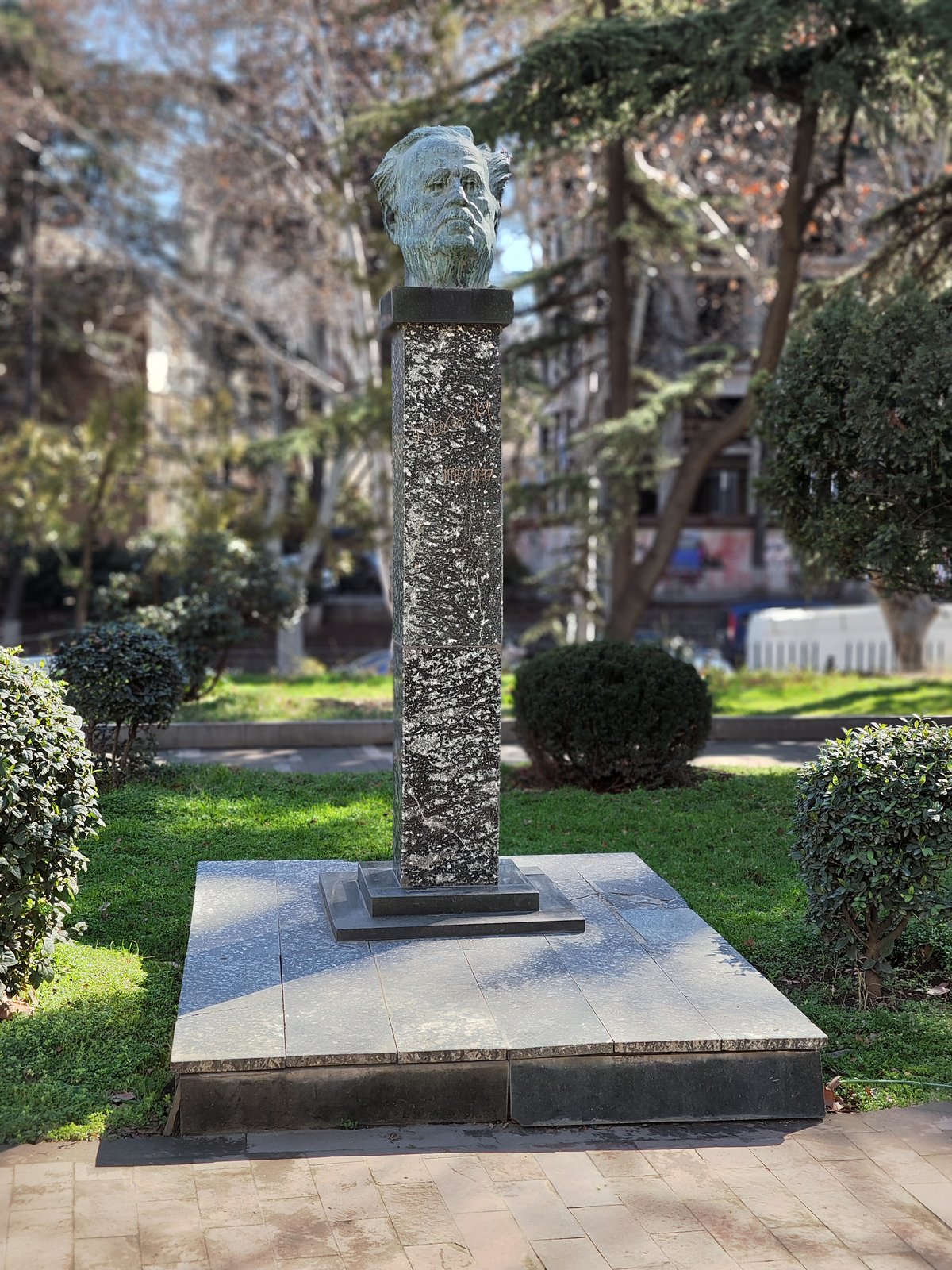
Origins: Nodar Dumbadze’s Vision
Mziuri Park was conceived in the 1970s by Nodar Dumbadze, who dreamed of an imaginative “city of children” inspired by his literary works and international models like Disneyland. His proposal emphasized creativity, play, and inclusion, departing from the rigid, monumental style of Soviet parks. Construction began soon after, and Mziuri Park officially opened in 1982, quickly becoming a destination for families and a symbol of post-Soviet cultural renewal (georgia.travel, georgia.to).
Thematic and Cultural Foundations
From the outset, Mziuri Park’s layout and attractions were shaped by Dumbadze’s literary universe. Statues and art installations dedicated to his characters animate the park, creating a whimsical, storybook atmosphere. Its amphitheater, playful staircases, and winding paths promote exploration and community events. Over time, the park’s boundaries and features have shifted, reflecting Tbilisi’s urban development and the evolving needs of its citizens (eumiesawards.com, architectural-review.com).
Park Layout and Main Attractions
Entrances and Accessibility
Mziuri Park stretches linearly along the Vere River, with three main entrances:
- Chavchavadze Avenue Entrance Best for public transport access, offering a downhill walk into the park.
- Saburtalo Entrance Convenient for those coming from the city center.
- Vere River Walkway Scenic, favored by joggers and cyclists.
The park is generally wheelchair accessible, with paved paths and ramps, though some steep slopes and stairs can be challenging in certain areas (revieweuro.com).
Thematic Zones and Attractions
- Playgrounds Multiple inclusive play areas for different ages, including sand parks and accessible swings (Agenda.ge).
- Amphitheater An open-air venue for performances, concerts, and festivals.
- Skatepark and Parkour Ground Popular with youth, these modern facilities symbolize Tbilisi’s contemporary urban culture (eumiesawards.com).
- Botanical Gardens Gardens with native Georgian plants and educational signage.
- Art Installations Sculptures inspired by Dumbadze’s works and Georgian folklore.
- Artificial Lake Home to ducks, turtles, and the park’s quirky “lake rats.”
- Café Mziuri Socially conscious café reinvesting profits into park maintenance (Georgia Today).
- Sports Facilities Basketball, volleyball courts, fitness equipment, and dog-friendly zones.
- Community Gardens and Lawns Ideal for relaxation, picnics, and informal sports.
Visiting Hours, Tickets & Accessibility
- Hours Open daily from 7:00 AM to 10:00 PM.
- Admission Free for all visitors. Some events or organized activities may have separate fees.
- Accessibility Paved paths and ramps are present, but some steep areas and stairs may limit full access for wheelchairs and strollers. Restrooms are available but may not always be clean or fully functional (revieweuro.com).
Travel Tips and Directions
- Public Transport Multiple bus routes stop near Chavchavadze Avenue; the Technical University metro station is within walking distance.
- Parking Limited parking is available; public transport is recommended to avoid congestion.
- Best Time to Visit Weekday mornings for tranquility; spring and autumn for pleasant weather and cultural events.
- Nearby Attractions Combine your visit with Tbilisi Zoo, Vake Park, Rustaveli Avenue, or the Georgian National Museum.
- Picnics and Refreshments Bring your own snacks or enjoy nearby cafés along Chavchavadze Avenue. Café Mziuri is a recommended spot for coffee and light bites.
Park Facilities and Amenities
- Restrooms Available but can be poorly maintained; bring hand sanitizer and plan accordingly.
- Playgrounds and Sports Modern, well-equipped, and inclusive.
- Walkways Paved, suitable for jogging, walking, and cycling.
- Safety Well-trafficked, security cameras, safe for families and solo visitors.
- Cleanliness Generally tidy, though the artificial lake attracts some wildlife (notably “lake rats”).
- Wi-Fi and First Aid Free Wi-Fi and first aid stations available.
- Dog Policy Dogs are welcome; dedicated zones for pets.
Social and Community Significance
Mziuri Park is more than a recreational area—it is a living symbol of Tbilisi’s inclusive, community-oriented spirit. The park hosts festivals, workshops, and concerts that foster dialogue and unity. Café Mziuri exemplifies social entrepreneurship, with profits reinvested in park maintenance and community projects (Georgia Today). The park’s design and programming encourage participation from people of all backgrounds and abilities, making it a model for urban inclusivity.
Challenges: The 2015 Vere River Flood and Restoration
In June 2015, a catastrophic flood devastated Mziuri Park and its surroundings, destroying infrastructure and altering the Vere River’s course. The tragedy galvanized community action and led to a major restoration effort, supported by the EU and international partners. The park’s transformation included flood mitigation measures, new sports and cultural facilities, and renewed focus on sustainability. Mziuri’s reopening in 2020 was celebrated as a symbol of resilience for Tbilisi (eeas.europa.eu).
Frequently Asked Questions (FAQ)
Q: What are Mziuri Park’s opening hours?
A: 7:00 AM to 10:00 PM daily.
Q: Is there an entrance fee?
A: No, entry is free.
Q: Is the park accessible for people with disabilities?
A: Ramps and paved paths exist, but some steep sections and stairs may be difficult for wheelchair users.
Q: Are dogs allowed in the park?
A: Yes, including dog-friendly zones.
Q: Are there guided tours?
A: Occasionally, especially during festivals and by local tour operators. Check official listings for updates.
Q: What facilities are available?
A: Playgrounds, skatepark, amphitheater, café, restrooms, sports courts, and picnic areas.