
History and Cultural Significance
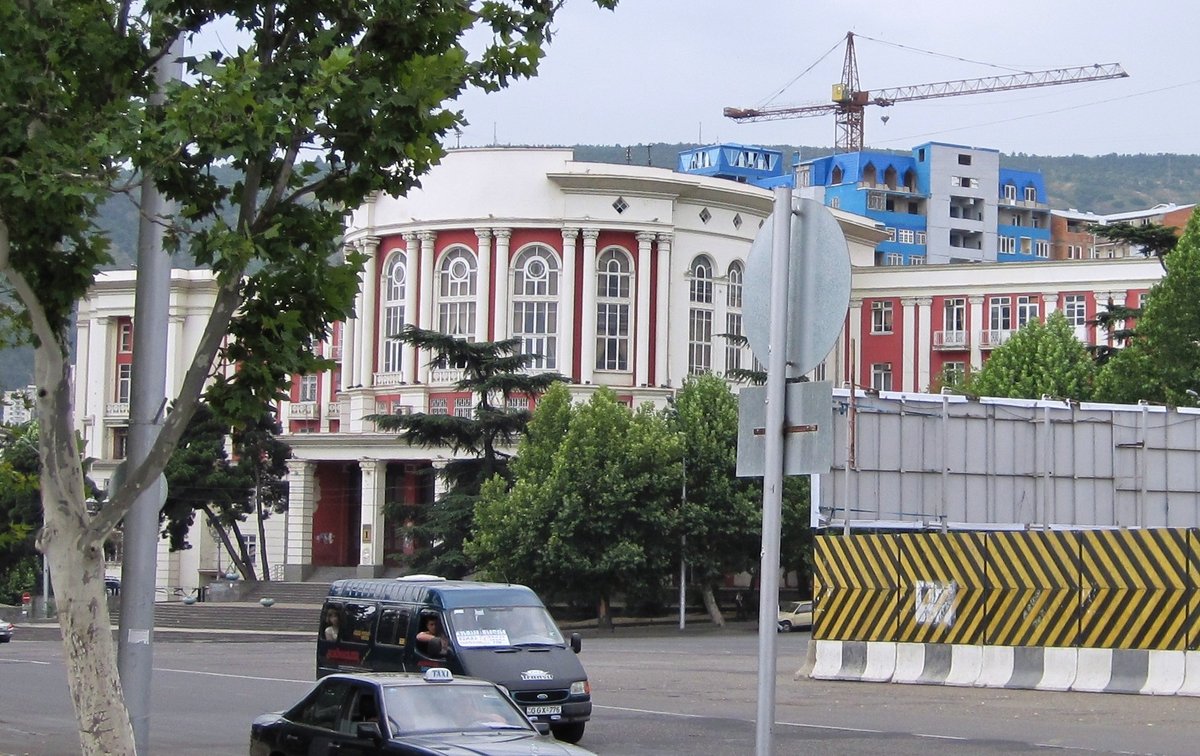
The GTU Monument was erected to commemorate the university’s centennial legacy, celebrating its role in the advancement of education, science, and technology in Georgia. The monument honors the university’s founders, distinguished alumni, and its contributions to the country’s infrastructure and industry. Its design seamlessly fuses traditional Georgian architecture with modern technical elements, symbolizing the harmonious blend of heritage and progress that defines GTU’s mission.
Location and How to Get There
- Address 77 Kostava Street, Tbilisi
- By Metro Disembark at Technical University Station (Line 1); the monument is a five-minute walk.
- By Bus Multiple lines stop along Kostava Street, including routes 20 and 25.
- By Taxi/Rideshare Easily accessible from all parts of the city.
- Parking Limited on-campus parking is available.
Visiting Hours and Admission
- Visiting Hours Daily, 8:00 AM – 8:00 PM
- Admission Free entry
- Guided Tours Available by request through the visitor center; tours cost 5 GEL per person and provide in-depth historical and architectural context.
Guided Tours and Special Events
Guided tours can be arranged through the university's visitor center and include access to the monument, university archives, and selected research facilities. The university also hosts special events at the monument, such as commemorations on University Day (February 8) and National Science Day, featuring lectures, exhibitions, and student performances.
Nearby Attractions
While visiting GTU Monument, consider exploring these nearby sites:
- Tbilisi State University Georgia’s oldest university, with impressive architecture and tranquil green spaces.
- Rustaveli Avenue A bustling thoroughfare lined with theaters, museums, and cafes.
- National Botanical Garden A haven for nature lovers, ideal for a relaxing stroll.
- Freedom Square A central city landmark, often the site of public events.
Accessibility and Travel Tips
- Best Time to Visit Spring and autumn offer mild weather and fewer crowds.
- Accessibility The monument and surrounding paths are wheelchair accessible, with ramps and smooth walkways.
- Travel Tips Wear comfortable shoes and visit early or late in the day for optimal lighting and fewer people.
- Parking Available on campus and nearby streets, though limited during peak hours.
Photography and Visual Media
The monument’s striking architectural features and surrounding green spaces make it a favorite spot for photography, especially during golden hour. For the visually impaired, alternative text such as “GTU Monument at sunset” and “Detail of Georgian Technical University’s commemorative sculpture” can enhance accessibility.
Frequently Asked Questions (FAQ)
Q: Is parking available near the monument?
A: Yes, though spaces may be limited during busy periods.
Q: Are pets allowed?
A: Leashed pets are permitted in outdoor areas.
Q: Can I visit the monument at night?
A: The area is well-lit until 8:00 PM. Visits after hours are not recommended for safety.
Q: Are there special events at the monument?
A: Yes, especially on University Day and National Science Day. Check the official website for updates.
Q: Is the area accessible for people with disabilities?
A: Yes, with ramps and smooth pathways.
Q: Are souvenirs available?
A: A university bookstore nearby sells GTU-branded merchandise and educational materials.
Q: Is photography allowed?
A: Yes, but please be respectful during ceremonies or special events.
Plan Your Visit
Enhance your experience by downloading the GTU Visitor App, which includes interactive maps, event schedules, and self-guided tour options. For more details, visit the Official GTU Website and follow GTU on social media.
Additional Historical Sites in Tbilisi
Tbilisi Historical Fortress
Perched on the hills above Tbilisi, the Tbilisi Historical Fortress is a symbol of Georgia’s enduring history. Dating back to the 4th century, the fortress has protected the city from countless invasions and serves today as a cultural monument with panoramic city views and engaging exhibitions.
Hours:
- Summer: 9:00 AM – 7:00 PM
- Winter: 10:00 AM – 5:00 PM
- Closed on major Georgian public holidays
Tickets:
- Adults: 10 GEL
- Students/Seniors: 5 GEL
- Children under 12: Free
- Guided tours: Additional 15 GEL
Getting There:
- Metro: “Old Tbilisi” station, 10-minute walk
- Bus: Routes 7, 19, 45
- Taxi and rideshare also available
Accessibility:
Partial, with paved pathways and ramps in key areas. Contact the visitor center for assistance.
Nearby:
- Narikala Fortress
- Tbilisi Botanical Garden
- Old Town
For more details, visit the official Tbilisi tourism website.
The Holy Trinity Cathedral of Tbilisi (Sameba)
The Sameba Cathedral, constructed between 1995 and 2004, is one of the world’s largest Eastern Orthodox cathedrals. Blending Georgian and Byzantine styles, it symbolizes the spiritual revival of Georgia and is a central site for religious and national events.
Hours:
- Daily: 9:00 AM – 7:00 PM
- Admission: Free (donations appreciated)
- Guided tours in multiple languages available
Getting There:
- Avlabari metro station, 10-minute walk
- Taxis and ride-hailing services available
- Ample parking nearby
Accessibility:
Wheelchair accessible with ramps and elevators.
Nearby:
- Old Town
- Georgian National Museum
- Narikala Fortress
Tips:
Dress modestly, photography generally allowed, and check the schedule for religious services.
Summary of Key Points and Traveler Tips
The Georgian Technical University Monument is a vibrant symbol of Georgia’s commitment to education and progress. With free admission, accessible facilities, and enriching guided tours, it offers a meaningful experience for visitors of all backgrounds. Its location amidst a cluster of Tbilisi’s top landmarks makes it an ideal starting point for exploring the city’s academic and cultural heart. Attending commemorative events such as University Day or National Science Day provides unique insights into Georgia’s dynamic scholarly community.
Plan your visit with confidence using official resources, and consider enhancing your experience with local guides or interactive apps. The monument stands not just as a relic of the past, but as a living legacy of innovation and learning in Georgia. (Official GTU Website, Tbilisi Tourism Information)