Place
Tbilisi
Georgia Updated Apr 2026
The smell hits you first. Warm sulfur rising from Abanotubani's 17th-century baths drifts up the hillside until it meets the scent of church incense and grilled mtsvadi. Tbilisi doesn't announce itself politely. It simply refuses to choose between Europe and Asia, between medieval stone and Soviet brutalism, between a glass-and-steel Bridge of Peace and a fortress that has watched the city burn 29 times.
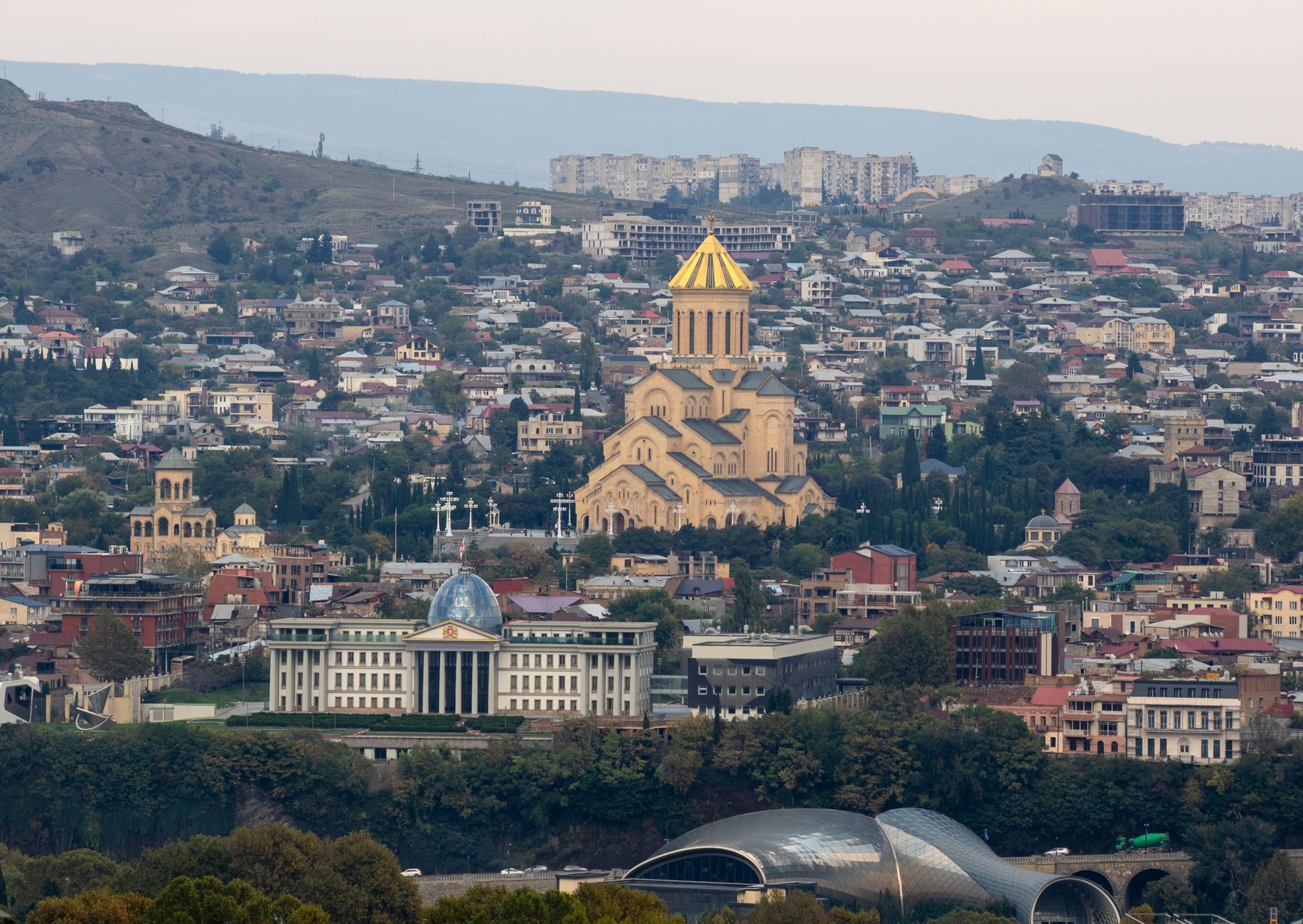 Photo: Genadi Yakovlev / Pexels
- Attractions
- 12
- Audio
- 9 h 36 min
- Trip length
- 3-5 days
- Best season
- Spring (April-May)
Why Tbilisi
Built from cited sources · see the method · How we make our guides →
This is a city of layers you can read with your feet. Walk five minutes from the turquoise-tiled Orbeliani bathhouse and you're standing on a Silk Road crossroads that shaped empires. UNESCO calls it an urban layer cake. Locals just call it home. The contradictions don't clash here. They coexist with a shrug and another round of wine.
Georgians have been toasting at tables longer than most nations have existed. That habit of radical hospitality survived everything the city has endured. You'll notice it in the way strangers become temporary cousins over khinkali, in the opera house that still draws evening crowds in 2026, and in the quiet pride of a place that has outlasted every army that tried to claim it.
What changes you is the light. Golden hour catches the tin roofs of Sololaki's painted houses, slides down the Mtkvari River, and turns the Narikala Fortress into a silhouette that has watched this same ritual for centuries. Suddenly the city's restless energy makes sense. Tbilisi doesn't just survive its contradictions. It drinks to them.
Layered City Fabric
Narikala Fortress watches over a valley where 4th-century walls meet 19th-century balconies and Soviet concrete. Stand on the ridge at dusk and the entire timeline of Georgia unfolds beneath you in one sweeping view. The sulfur baths below still steam exactly where they did in the 17th century.Sacred Crossroad
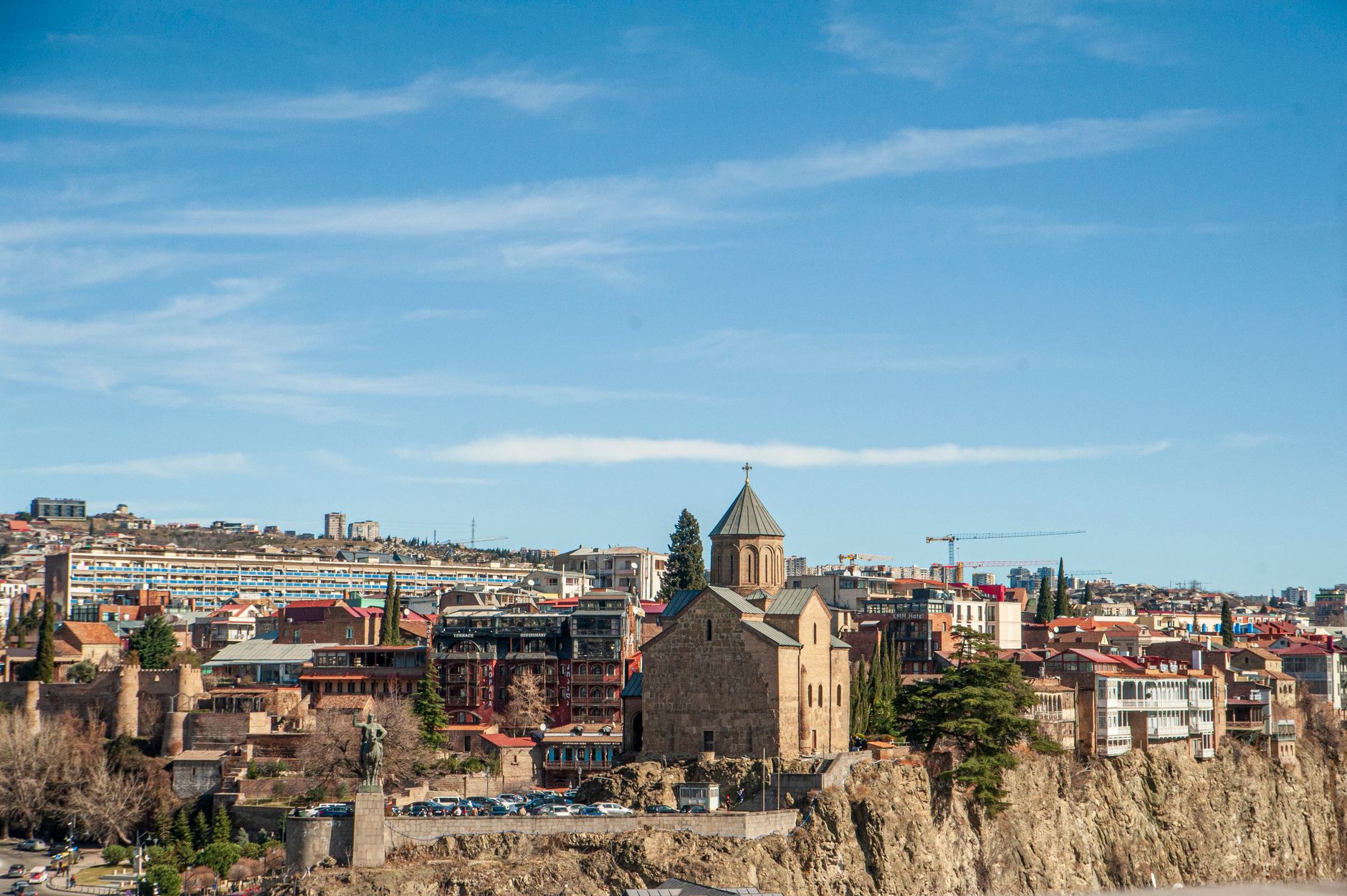
Metekhi Church clings to its cliff while Sameba Cathedral looms on the opposite hill. Tbilisi has sat at the meeting point of Europe and Asia for 1,500 years; every invasion and every renaissance left a church or a fortress. Walk from Sioni Cathedral to the Bridge of Peace and you cross centuries in ten minutes.Tables That Remember
The smell of tarragon and walnut hits you before the menu does. Georgian supra feasts turn strangers into temporary family around khinkali dumplings and khachapuri bread boats. Even the cheapest neighborhood place serves food older than most European nations.Unexpected Nature
Leghvtakhevi waterfall drops 20 meters inside the Old Town. Ten minutes from sulfur baths you can stand in a narrow gorge where the only sound is water on stone. The Botanical Garden climbs the same slopes Narikala once defended.
Places to Visit
Not every monument, just the ones we'd walk you past ourselves.
-
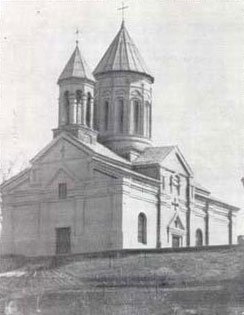
Saint Karapet Church, Tbilisi Nestled in the historic Avlabari district of Tbilisi, Saint Karapet Church stands as a remarkable testament to the city’s rich multicultural heritage and the…
-
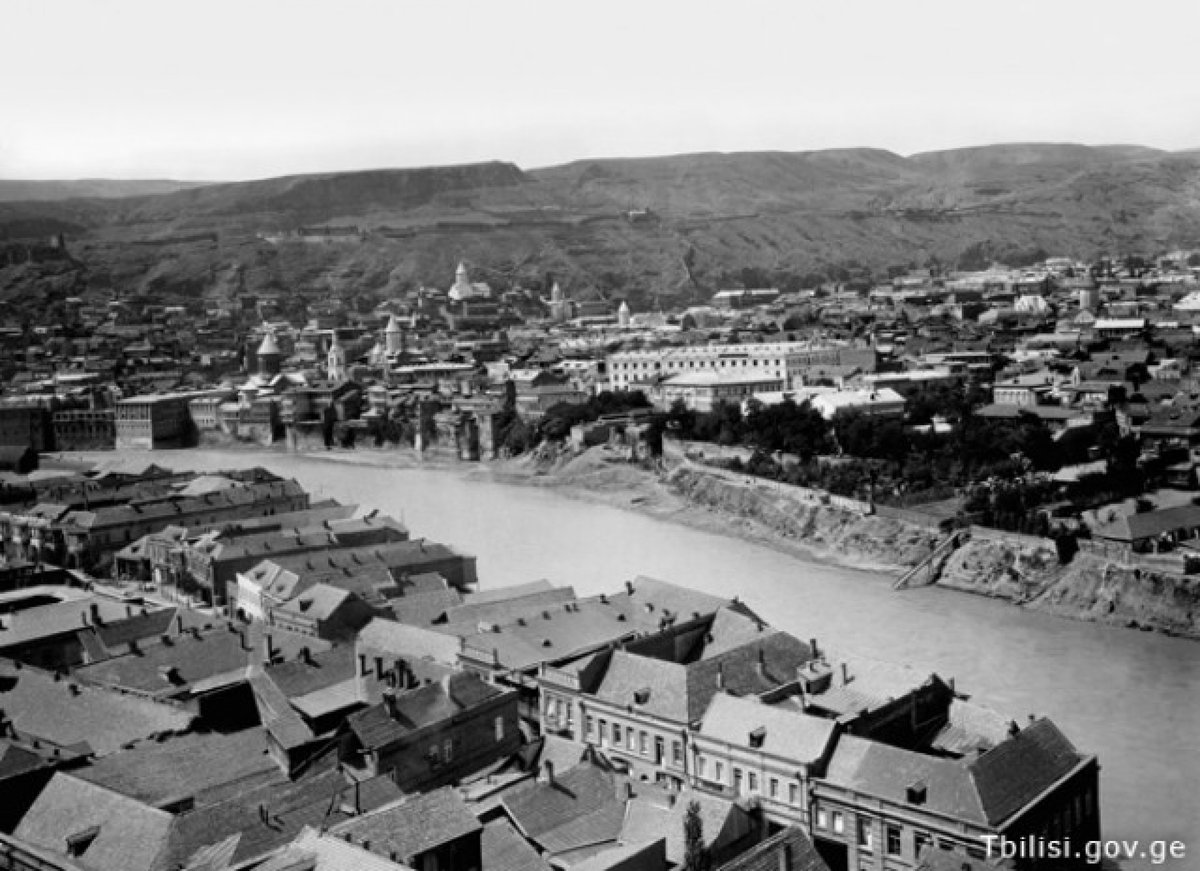
Tbilisi Sioni Cathedral Nestled in the historic heart of Tbilisi’s Old Town, the Tbilisi Sioni Cathedral stands as a monumental testament to Georgia's rich religious heritage,…
-
Saint George's Church Saint George’s Church in Tbilisi, Georgia, stands as a monumental emblem of Armenian heritage and religious history within the vibrant cultural mosaic of the…

-
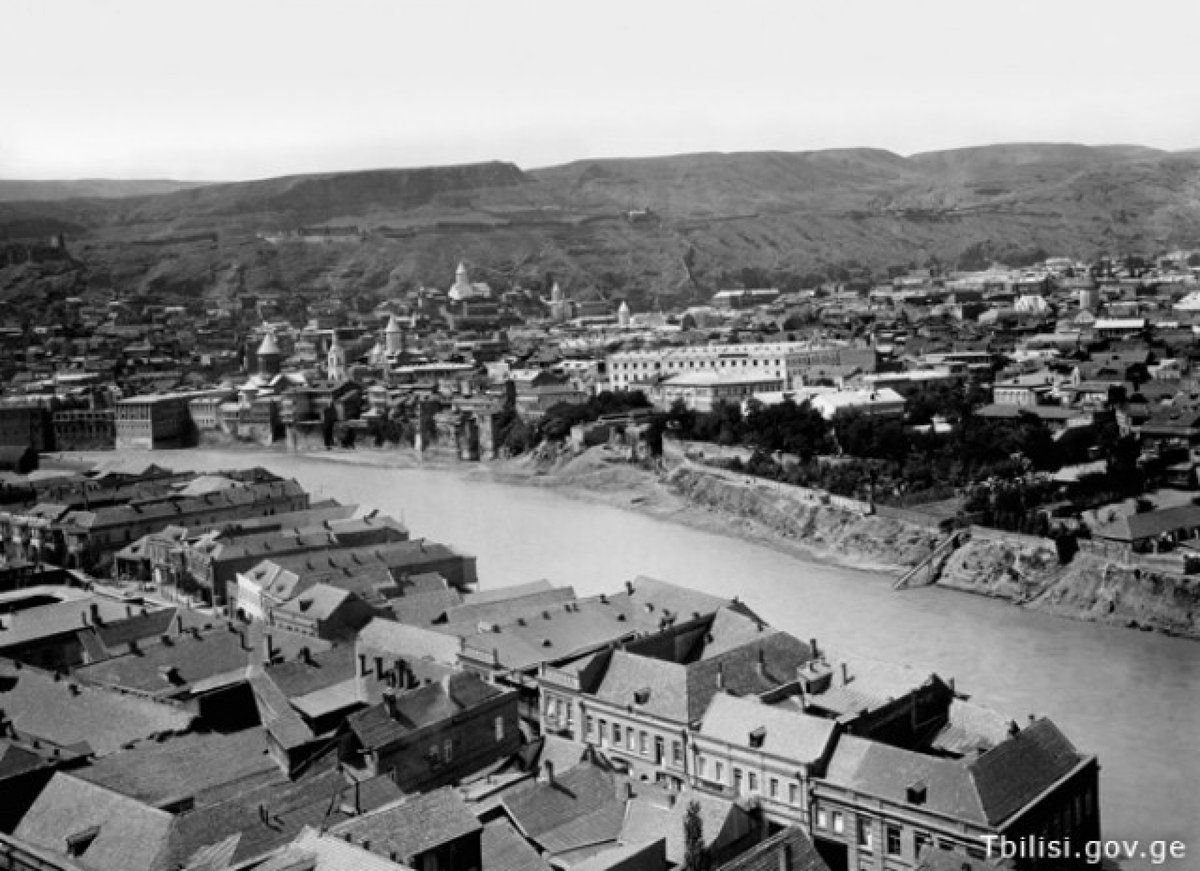
Church of the Holy Seal Nestled within the historic heart of Tbilisi, Georgia, the Church of the Holy Seal (Armenian: Surb Nshan) stands as a profound testament to the centuries-old…
-
Holy Mother of God Church of Bethlehem Nestled at the foot of Narikala Fortress in Tbilisi’s historic Old Town, the Holy Mother of God Church of Bethlehem stands as a captivating symbol of the…
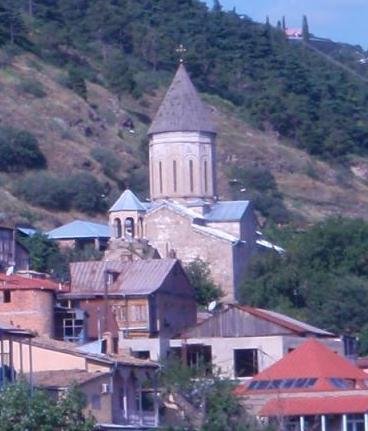
-
Holy Trinity Cathedral of Tbilisi The Holy Trinity Cathedral of Tbilisi, commonly known as Sameba Cathedral, stands as a monumental testament to Georgia’s rich religious heritage,…
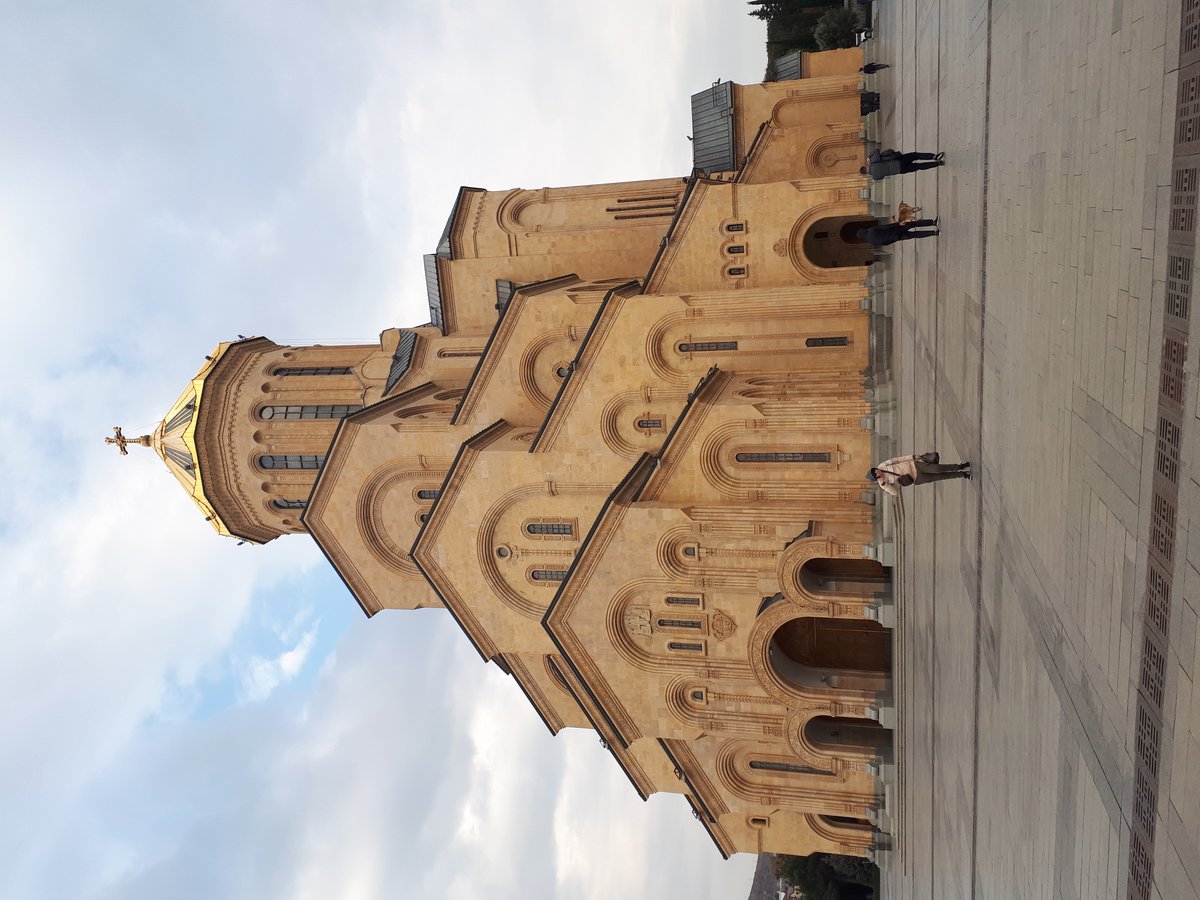
- Bridge of Peace The Bridge of Peace in Tbilisi, Georgia, stands as a captivating fusion of modern architecture, cultural symbolism, and urban connectivity that draws visitors…
- Didube Pantheon Nestled in the vibrant Didube district of Tbilisi, the Didube Pantheon stands as a profound testament to Georgia’s rich cultural, intellectual, and artistic…
- Church of Saint George Nestled in the historic heart of Tbilisi, Georgia, the Church of Saint George (also known as Surp Gevorg) stands as a remarkable testament to the enduring…
Neighborhoods
Where to wander, by quarter — each with its own rhythm.
Old Town
Abanotubani's sulfur baths still operate where they have since the 17th century. Cobbled lanes twist between balconied houses that lean toward each other like gossiping neighbors. The smell of sulfur mixes with church incense near Sioni Cathedral. Come at dusk when the light turns every tin roof gold.Sololaki
19th-century bourgeois homes hide painted staircases and Art Nouveau details most visitors never see. The district rewards slow walkers who notice the faded frescoes above doorways and the quiet courtyards. Less touristy than the Old Town but richer in domestic architectural stories.Vera
The neighborhood locals actually live in. Natural wine bars spill onto sidewalks while coffee shops cater to laptop nomads and grandmothers equally. The streets feel lived-in rather than curated. Evening brings the sound of clinking glasses from basement bars that serve qvevri wine by the glass.Mtatsminda
The ridge above the city delivers the best views and the funicular that has been climbing since 1905. Mtatsminda Park mixes Soviet-era amusement rides with panoramic terraces. The air cools noticeably up here. Worth the trip for sunset when the city's lights begin competing with the stars.Rustaveli
The grand avenue named after Georgia's national poet connects Liberty Square to the Opera House. Museums and theaters line the street while street vendors sell churchkhela from carts. The Georgian National Opera still schedules performances that fill its 19th-century hall with sound.Marjanishvili
Industrial edges meet creative energy around the theater district. Former factory spaces now host clubs and galleries. The area feels grittier than Sololaki but rewards those hunting live music at places like Jazz Club 1984 or the experimental sounds coming from Mutant Radio.Rike
The park between old and new Tbilisi sits beneath the Bridge of Peace. Michele De Lucchi's 2010 glass-and-steel structure glows at night with programmed lighting. The area serves as festival ground during Tbilisoba in late October when food stalls and music stages take over the grass.
Plan your trip
Before you go
- Getting There
- Tbilisi International Airport (TBS) sits 17 km southeast of the center. Bus 337 runs from arrivals to Station Square every 30 minutes for 1 GEL using a Metromoney card. The night train leaves the airport station daily at 04:00 and reaches Tbilisi Central Railway Station at 04:35 for 0.5 GEL.
- Getting Around
- The Tbilisi Metro has two lines and 23 stations. All city buses, the Rike-Narikala cable car, and most marshrutkas accept the Metromoney card. In 2026 a 90-minute ticket costs 1 GEL, a full day pass 3 GEL, and a seven-day card 20 GEL. Bike lanes remain patchy outside the new Rustaveli section.
- Climate & Best Time
- Winter (Dec–Feb) averages 3–8°C with occasional snow. Summer (Jun–Aug) climbs to 31–32°C and stays dry. Spring rain peaks in April–June. September offers warm days, cool nights, and almost empty viewpoints. Early June to late September scores highest for comfortable sightseeing.
- Language & Currency
- Georgian is the official language. Younger people in tourist areas speak English; older residents often use Russian. The currency is the Georgian Lari (GEL). Cards work almost everywhere in 2026 but carry some cash for markets and small cafes.
A City That Refuses to Stay Conquered
From sulfur springs and Silk Road caravans to revolution and revival
- c. 4000 BCE
First Footprints by the Springs
People settled the steep banks of the Mtkvari where hot sulfur water bubbled from the ground. The smell of rotten eggs still hangs in Abanotubani on damp mornings. That thermal gift shaped every later layer of the city.
- 458 CE
Vakhtang Builds His Capital
King Vakhtang Gorgasali raised the first fortress on the Narikala ridge. Legend says a pheasant he hunted fell into a hot spring and was instantly cooked. The smell convinced him this was the place. Tbilisi began as a royal hunting lodge that refused to remain small.
- 627
Byzantine and Khazar Sack
The city burned under combined Byzantine and Khazar assault. Its position at the crossroads proved both blessing and curse. Every empire that passed through wanted to own the gates.
- 737
Arab Conquest and Emirate
Marwan ibn Muhammad stormed the city and established long Arab rule. Tbilisi became an emirate that answered to Damascus then Baghdad. The call to prayer mixed with church bells for three centuries.
- 1122
David the Builder Claims His City
King David IV seized Tbilisi from the Seljuks and made it capital of a unified Georgia. He moved his court here and began the Golden Age. The fortress on the hill still carries his vision of a Christian kingdom stretching from the Black Sea to the Caspian.
- c. 1186
Rustaveli Writes the Knight
Shota Rustaveli composed The Knight in the Panther's Skin at the Georgian court in Tbilisi. The poem's 1,600 quatrains celebrated a refined, tolerant world that would soon vanish. Copies still circulate in the city whose streets inspired it.
Show the full timeline (23 moments)
- 1234
Mongols Take the City
The Mongol tide broke over Tbilisi's walls. The Golden Age ended in smoke. Yet the city survived, rebuilt, and absorbed yet another layer of conquerors into its stubborn character.
- 1386
Tamerlane's Devastation
Timur's army reduced whole districts to rubble. The chronicles say the streets ran with blood. Tbilisi recovered, as it always had, but each sack left the stone darker and the memory sharper.
- 1795
Persian Holocaust
Agha Mohammad Khan's forces stormed the city on 11 September. They burned, killed, and carried off 15,000 captives into slavery. When the smoke cleared, barely 20,000 souls remained. The wound still echoes in Georgian poetry.
- 1801
Russia Absorbs Georgia
Tsarist troops marched in and abolished the Bagratid monarchy. Tbilisi became the administrative seat of the Caucasus viceroyalty. European neoclassical buildings began rising beside the old wooden balconies.
- 1817
Baratashvili Born into Russian Tiflis
Nikoloz Baratashvili entered the world in a city caught between two empires. His romantic poetry mourned Georgia's lost independence while walking streets increasingly filled with Russian soldiers and European ideas.
- 1851
Imperial Opera Opens
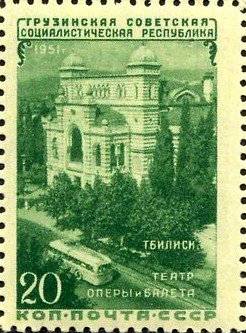
The Tiflis Imperial Theatre opened its doors on Rustaveli Avenue. Italian architects, French stage machinery, and Georgian voices created something unexpected. The building still stands, now the Georgian National Opera, its balconies heavy with ghosts of both empire and resistance.
- 1862
Pirosmani Enters the World
Niko Pirosmani was born poor in the village of Mirzaani but found his canvas in Tbilisi's taverns. He painted directly onto tablecloths and shop signs. His naïve, luminous scenes of feasts and animals still feel more truthful than most official portraits.
- 1918
Independent Republic Declared
After 117 years of Russian rule, Georgia proclaimed independence on 26 May. Tbilisi became capital of the first modern Georgian state. For three brief years the city breathed freely before the next invasion.
- 1921
Bolsheviks Storm In
The Red Army entered Tbilisi in February. The Democratic Republic fell. Soviet power would reshape the city with brutalist monuments, metro tunnels, and endless queues. Yet Georgian culture survived in kitchens, poetry readings, and stubborn jokes.
- 1956
March Massacre
Students filled the streets protesting Khrushchev's denunciation of Stalin. Soviet troops opened fire on 9 March. Dozens died. The blood on Rustaveli Avenue proved even de-Stalinization would be paid for in Georgian lives.
- 1966
Metro Opens
Tbilisi's underground railway began running on 11 January. Soviet engineering met local pride. Stations decorated with chandeliers and mosaics became underground palaces that still carry passengers beneath a city older than most countries.
- 1989
April Tragedy
Soviet troops attacked peaceful demonstrators in front of Government House on 9 April. Poison gas and sharpened shovels killed at least 19, mostly women. The horror accelerated the end of Soviet rule in Georgia.
- 1991
Independence Restored
Georgia declared independence from the collapsing USSR. Tbilisi once again became capital of a sovereign state. The following decade brought civil war, electricity cuts, and gangster rule. The city learned survival all over again.
- 2003
Rose Revolution
Peaceful protesters carrying roses forced Eduard Shevardnadze from power in November. Mikheil Saakashvili swept into office promising reform. Tbilisi's streets filled with hope and Western flags. The results proved more complicated.
- 2004
Sameba Cathedral Consecrated
The gigantic Holy Trinity Cathedral rose on the left bank and was consecrated in 2004. Its golden dome dominates the skyline. Some call it a statement of national rebirth. Others see a reminder that power still flows from the church as much as the parliament.
- 2010
Bridge of Peace Opens
The glass-and-steel Bridge of Peace crossed the Mtkvari on 6 May. Italian architect Michel de Lucchi's design sparked furious debate. Traditionalists hated it. Younger residents adopted it. The bridge still glows at night like a question mark between centuries.
- 2015
The Night the River Took Twenty Lives
Torrential rain sent the Vere River raging through the city on 13 June. Flash floods destroyed homes, swept away cars, and killed twenty people. The zoo's animals escaped into the streets. A hippopotamus was shot in Vake. Nature reminded everyone who really owns these valleys.
Who lived here
-
Painter · 1862–1918
Niko Pirosmani
Lived and worked here
Pirosmani painted shop signs for Tbilisi's dukhans in exchange for wine and food. His primitive style captured the chaos of early 20th-century street life with just black oilcloth and bright pigments. Standing in front of his works in the Art Museum today, you realize the city still looks exactly like his paintings at dusk.
-
First President of Georgia · 1939–1993
Zviad Gamsakhurdia
Born and died here
The dissident intellectual became Georgia's first democratically elected president in 1991 only to be deposed in a coup 13 months later. His supporters still gather each year at the spot on Rustaveli Avenue where he addressed crowds in 1989. The city remains as politically passionate as when he walked its streets.
-
Medieval poet · c. 1160–c. 1220
Shota Rustaveli
Wrote his epic here
Rustaveli composed The Knight in the Panther's Skin while moving between the royal court and Tbilisi's scriptoria during Georgia's Golden Age. His 1,600-quatrain poem still shapes how Georgians speak about loyalty and love. Walk past the theatre named after him on Rustaveli Avenue and you'll hear his lines quoted in ordinary conversation.
-
Soviet leader · 1878–1953
Joseph Stalin
Studied here as a young man
The seminary student Ioseb Jughashvili plotted his first revolutionary meetings in Tbilisi's backstreets before becoming Stalin. The city that once feared him now sells ironic souvenirs on Dry Bridge. Locals still argue whether the brutal Soviet purges that followed can be separated from the boy who studied theology here.
Where to Eat
Where locals actually book dinner — not the tourist menus.
Insider tips
Small things that change how the city treats you.
Visit in May
May brings warm days around 22°C with the least rain and Narikala Fortress reopens after its long renovation. Book the Mtatsminda funicular early as queues form by 10am.Use Lari Only
Carry Georgian lari in cash for the sulfur baths and Dry Bridge Market stalls. Card machines often fail in the Old Town and ATMs add steep fees on foreign cards.Walk the Old Town
The Abanotubani district is compact. From the sulfur baths, climb the hidden stairs behind the blue-tiled mosque to reach Narikala in 12 minutes instead of queuing for the cable car.Skip Touristy Khinkali
Avoid the brightly lit places on Chardin Street. Walk one block east to the unmarked basement spot on Chakhrukhadze where locals still argue over the best filling at 4 GEL each.Respect the Baths
The Abanotubani sulfur baths are communal. Men and women use separate sections. Locals expect quiet conversation, not loud tourist groups comparing temperatures.Golden Hour at Metekhi
Stand on the Metekhi cliff edge at 7:30pm in summer. The light catches the Kura River, the Peace Bridge, and the Sameba Cathedral all at once. Bring a wide lens.
Gallery
The city, as it actually looks.


Frequently asked
Is Tbilisi worth visiting?
Yes, if you like layered cities where medieval, imperial Russian, and Soviet eras sit on top of each other. The sulfur smell rising from Abanotubani at dusk, the cable car gliding over red-tiled roofs, and the fact that a 4th-century fortress still defines the skyline make it unlike anywhere else in the Caucasus.
How many days do you need in Tbilisi?
Three full days works for the Old Town, Narikala, Sameba, and a Mtatsminda sunset. Four days lets you add the Dry Bridge flea market on Sunday morning and a day trip to Mtskheta 20 km north, where Georgia's most sacred cathedral stands.
Is Tbilisi safe for tourists?
The city centre is generally safe even late at night. Pickpocketing happens around Rustaveli Avenue and the Peace Bridge after dark. Avoid the outskirts after midnight and don't flash expensive cameras on the metro.
How expensive is Tbilisi compared to Europe?
Tbilisi remains one of Europe's cheapest capitals. A meal of khinkali and wine costs under 15 GEL. A private sulfur bath session runs 50-80 GEL. Expect daily costs around €35-45 including transport and entry fees.
What's the best way to get around Tbilisi?
Buy a Metromoney card at any metro station for 2 GEL. It works on the 1966 Soviet-era metro, buses, and the funicular. Taxis via Bolt app are cheaper than street hails but confirm the price before getting in.
All Places to Visit.
123 places to discover
Place
Saint Karapet Church, Tbilisi
Place
Tbilisi Sioni Cathedral

Place
Saint George's Church
Place
Church of the Holy Seal
Place
Holy Mother of God Church of Bethlehem
Place
Holy Trinity Cathedral of Tbilisi
Place
Didube Pantheon
Place
Church of Saint George
Place
Tbilisi Opera and Ballet Theatre
Place
Mtatsminda Pantheon
Place
Saint Gevorg of Mughni Church
Place
Norashen Holy Mother of God Armenian Church
Place
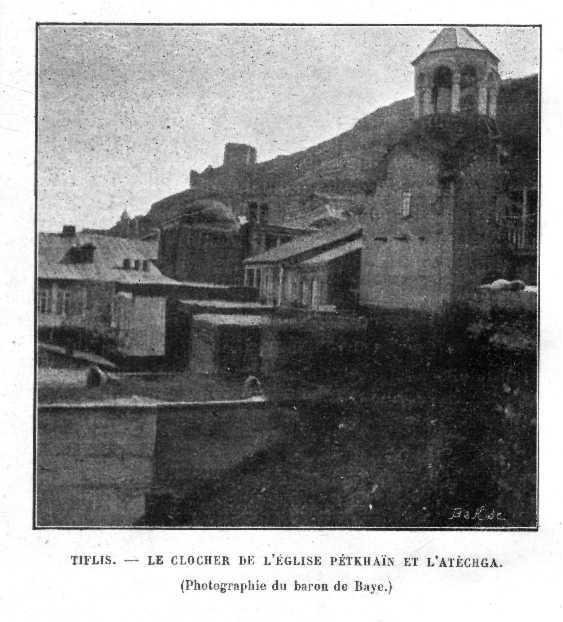
Lower Bethlehemi Church
Place
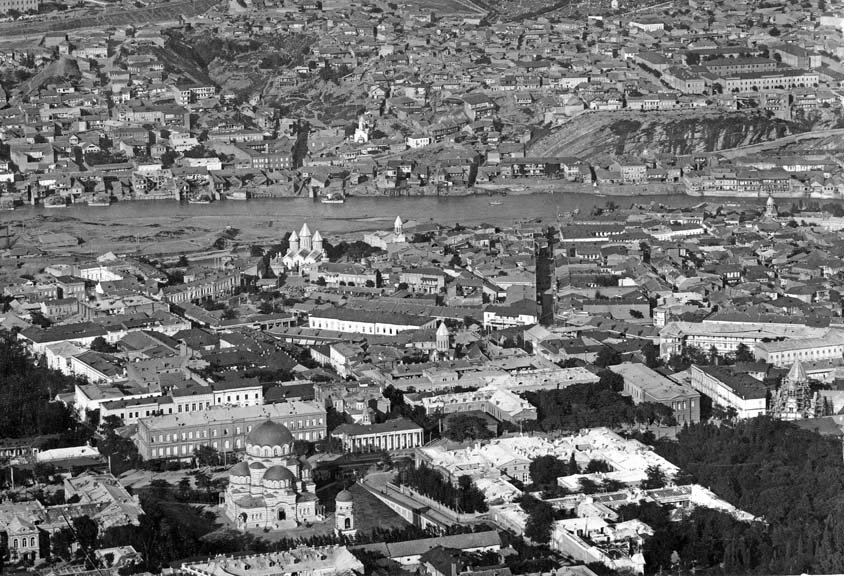
Armenian Cathedral of Tbilisi
Place
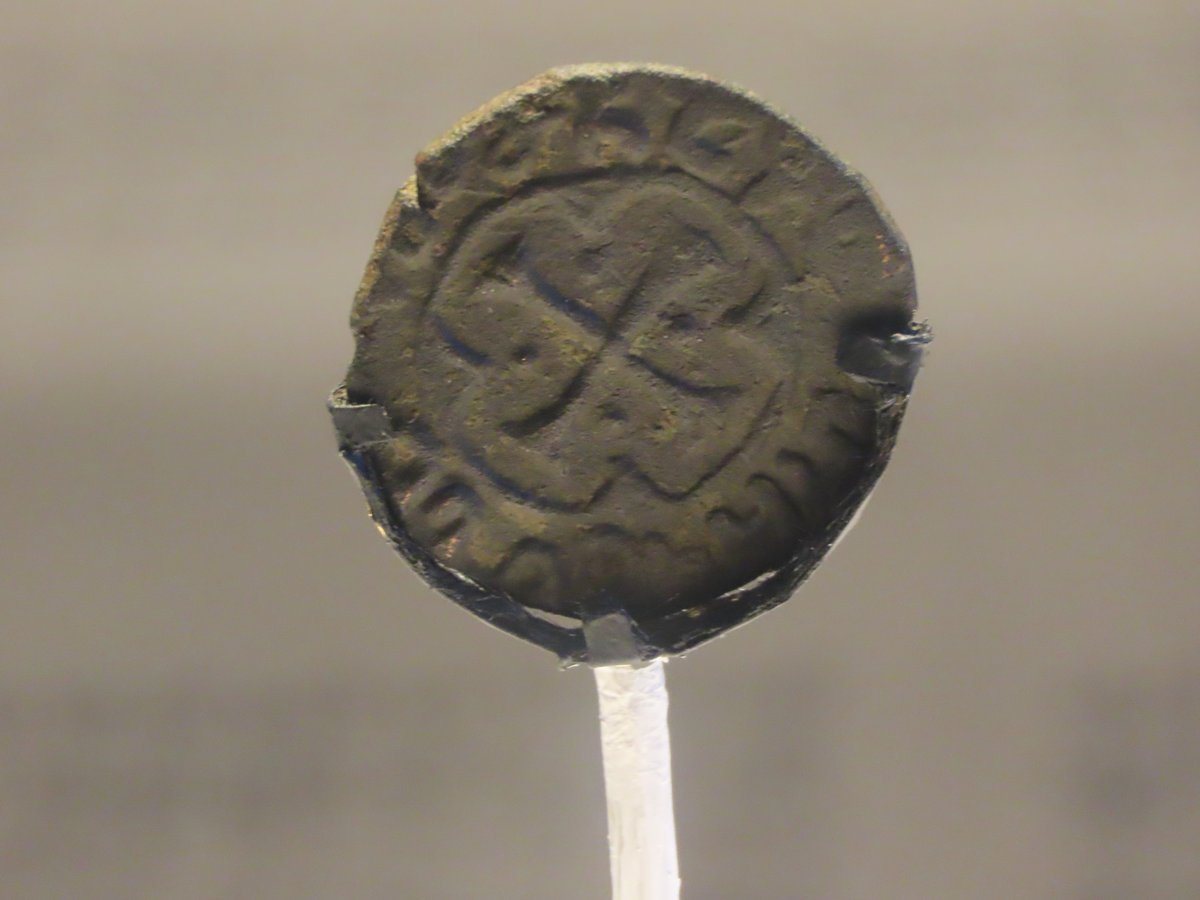
Georgian National Museum
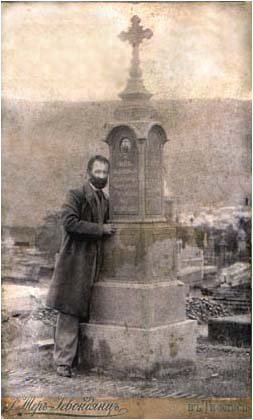
Place
Armenian Cemetery of Khojivanq
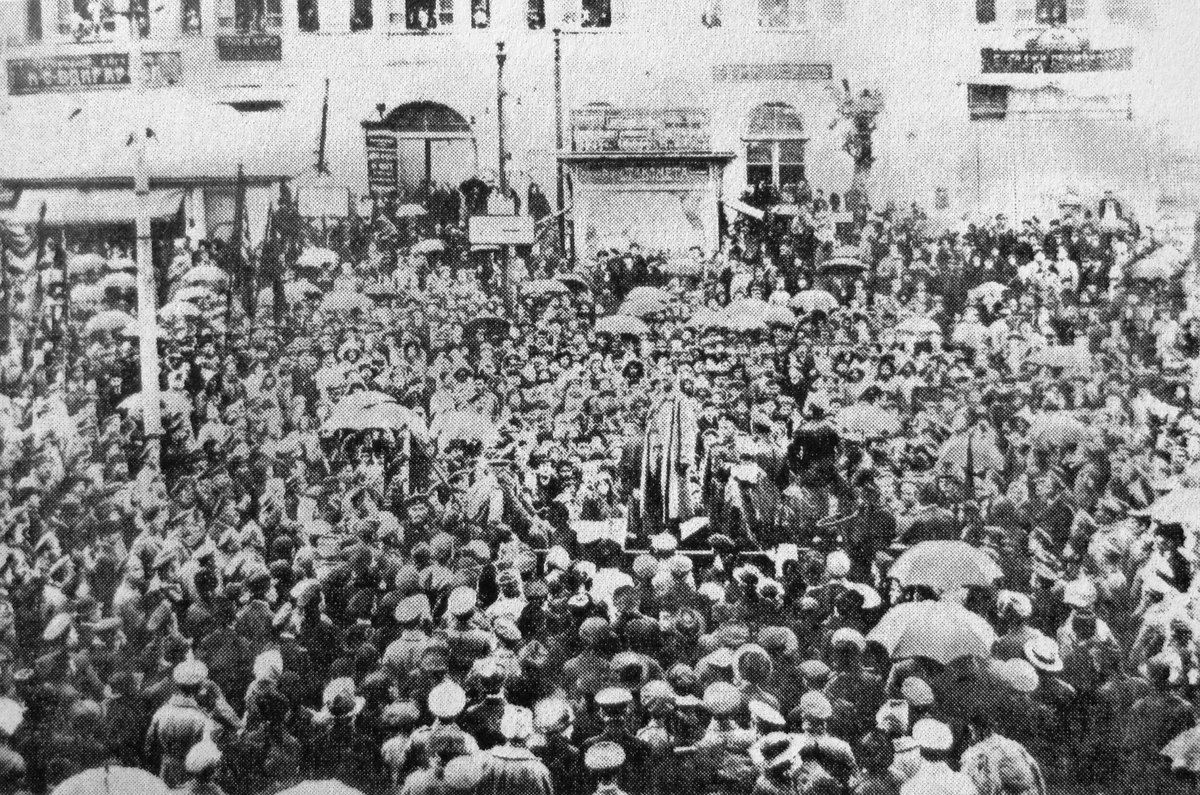
Place
Freedom Square
Place
Ejmiatsin Church
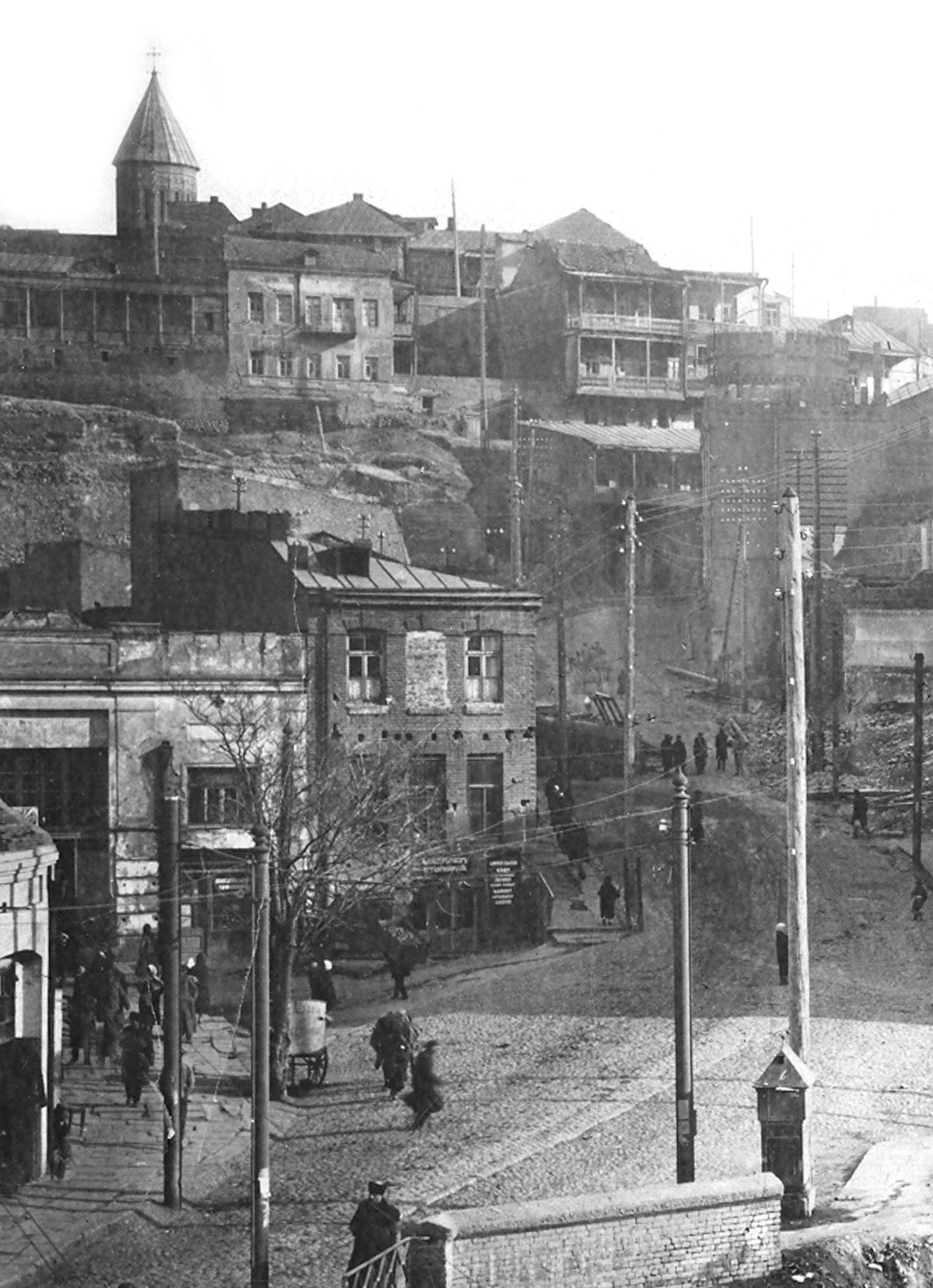
Place
Church of the Red Gospel
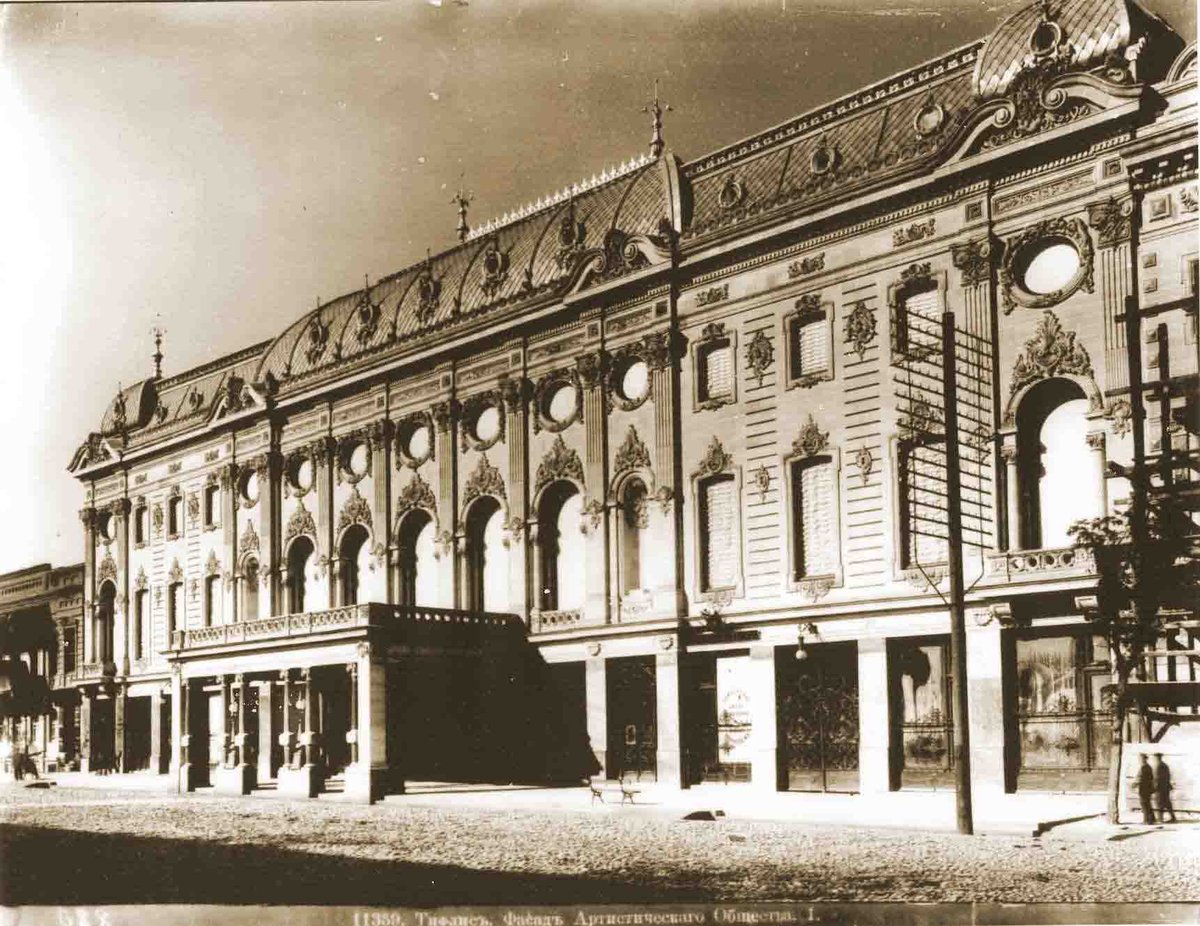
Place
Rustaveli Theatre
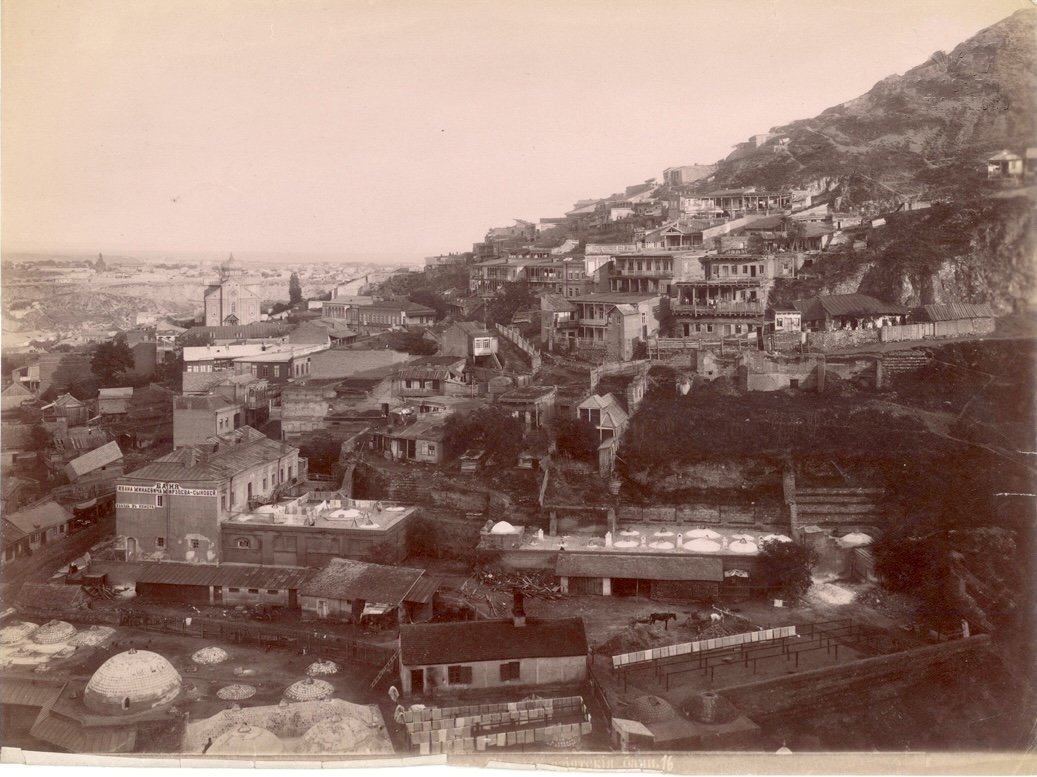
Place
Saint Sargis Church, Tbilisi
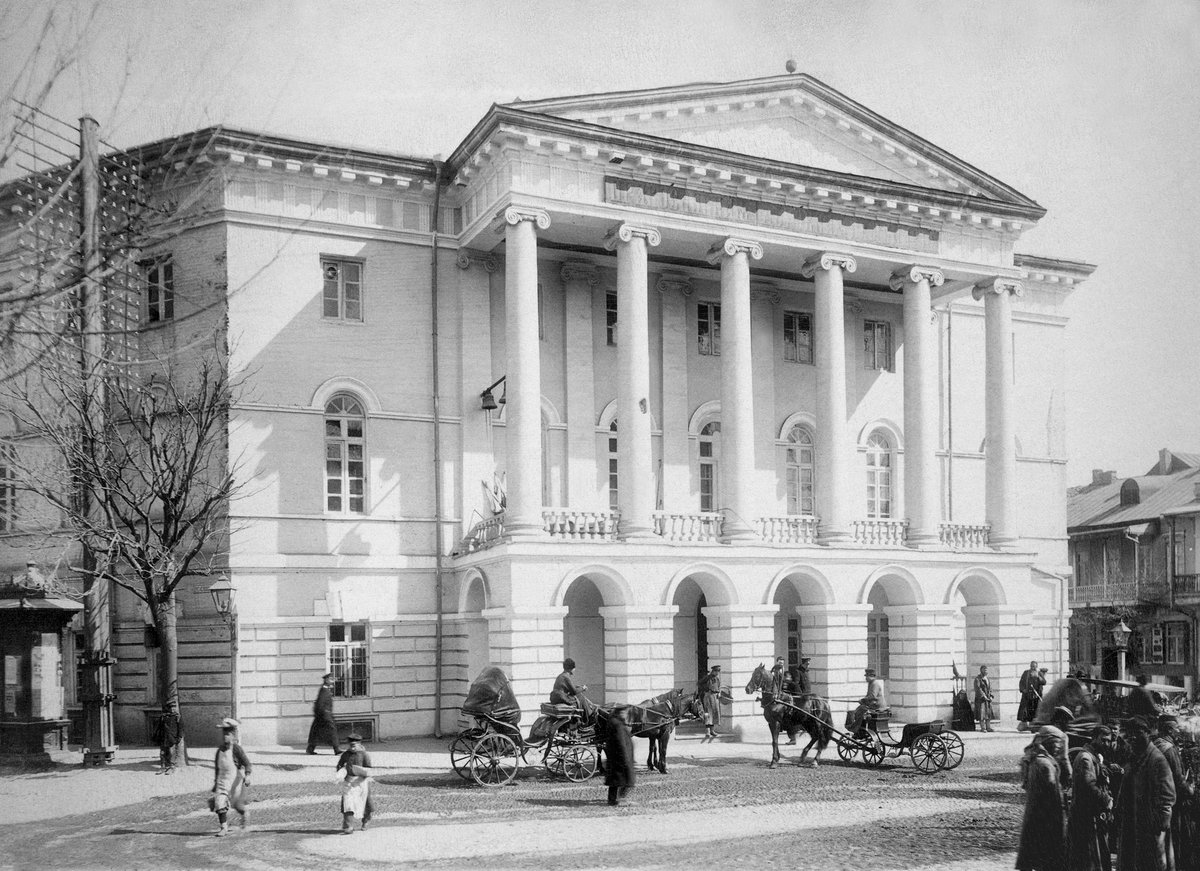
Place
Art Museum of Georgia
Place
Mziuri Park
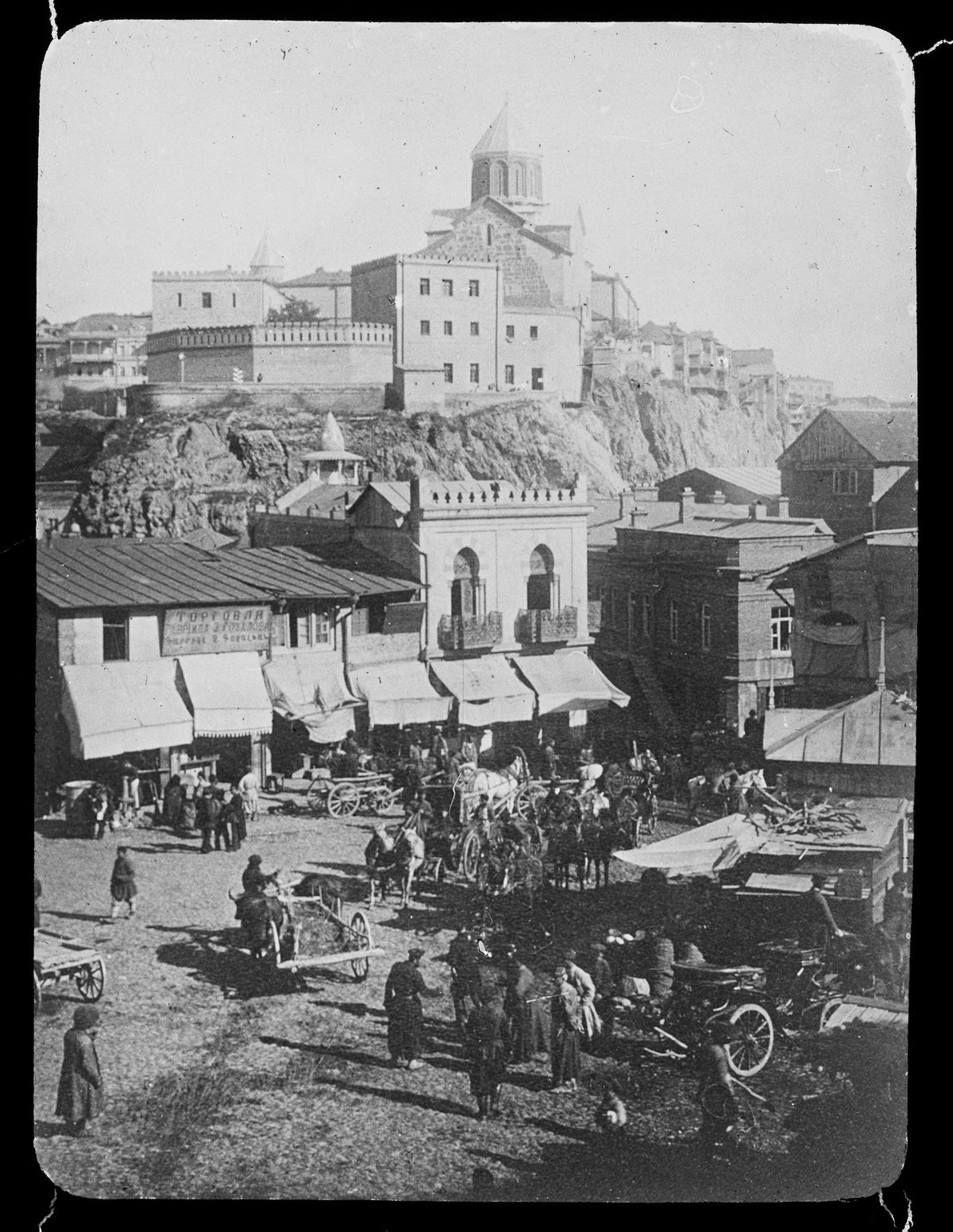
Place
Metekhi Church
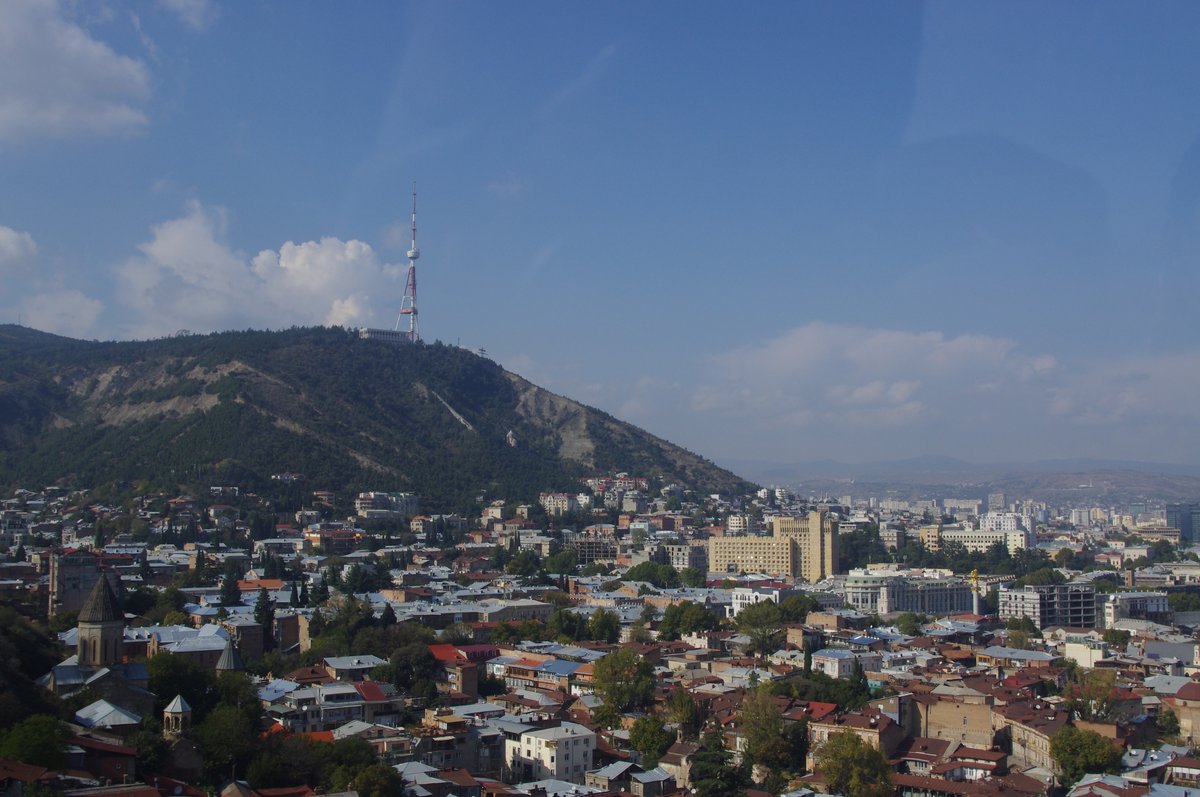
Place
Tbilisi Tv Broadcasting Tower
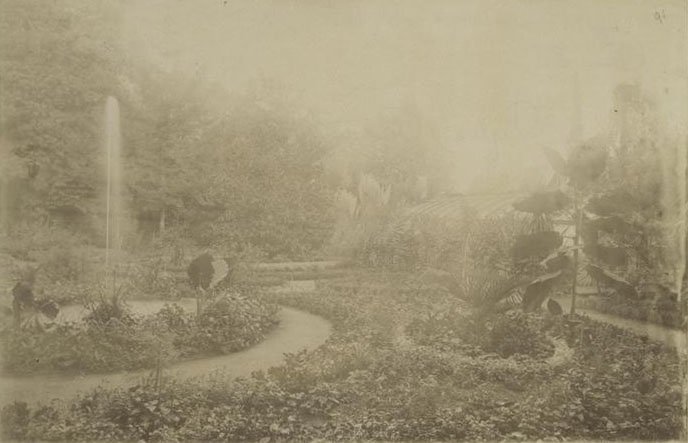
Place
National Botanical Garden of Georgia
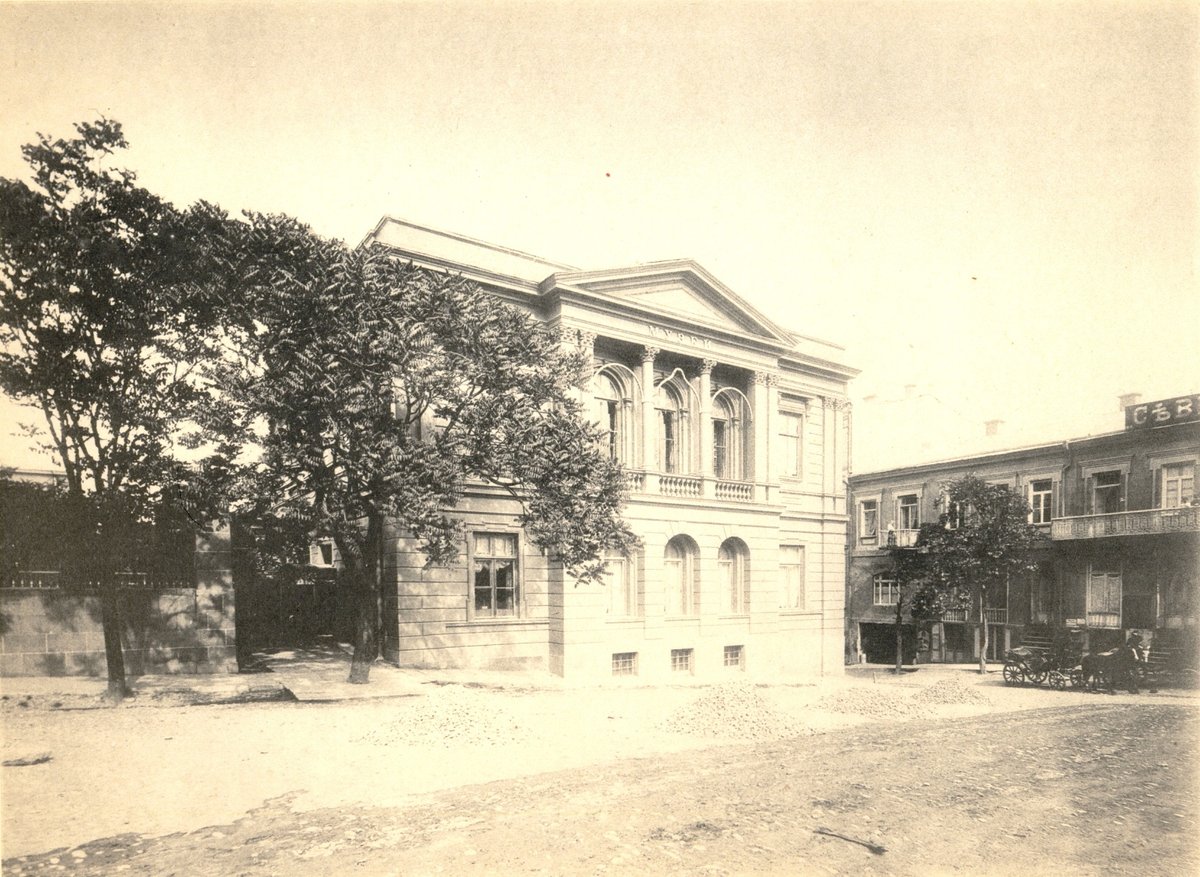
Place
Simon Janashia Museum of Georgia
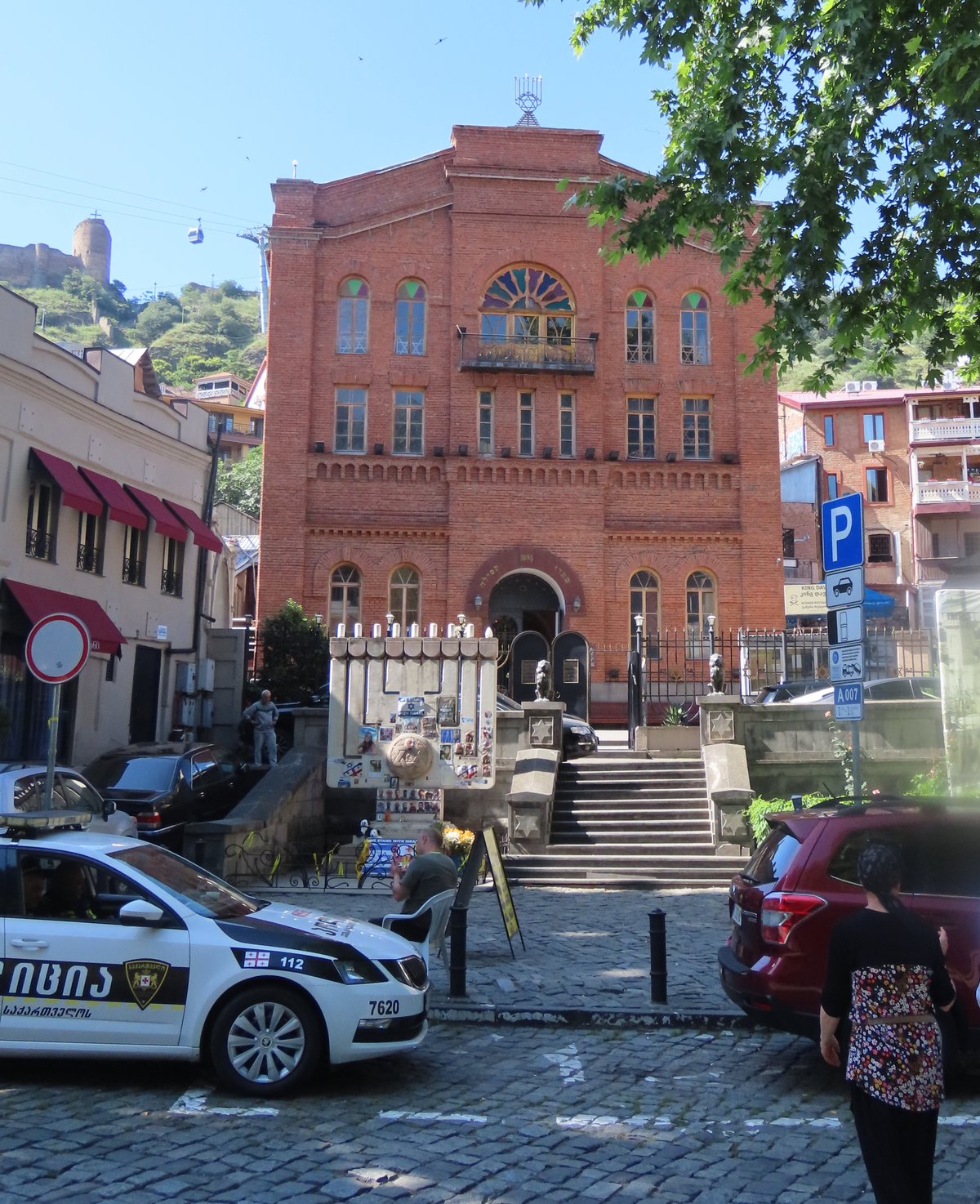
Place
Great Synagogue
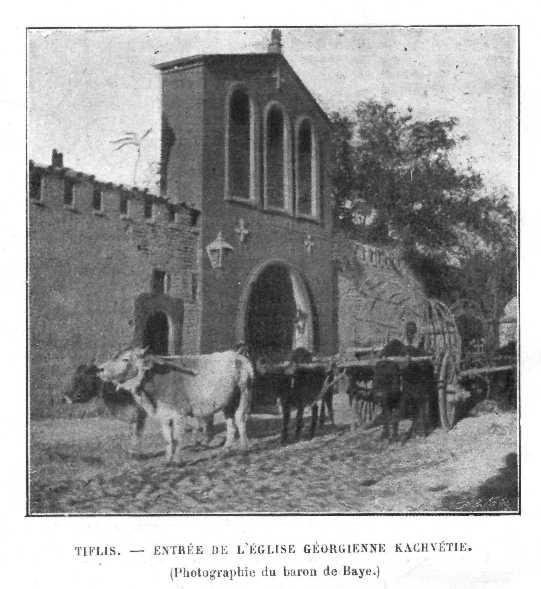
Place
Kashveti Church
Place
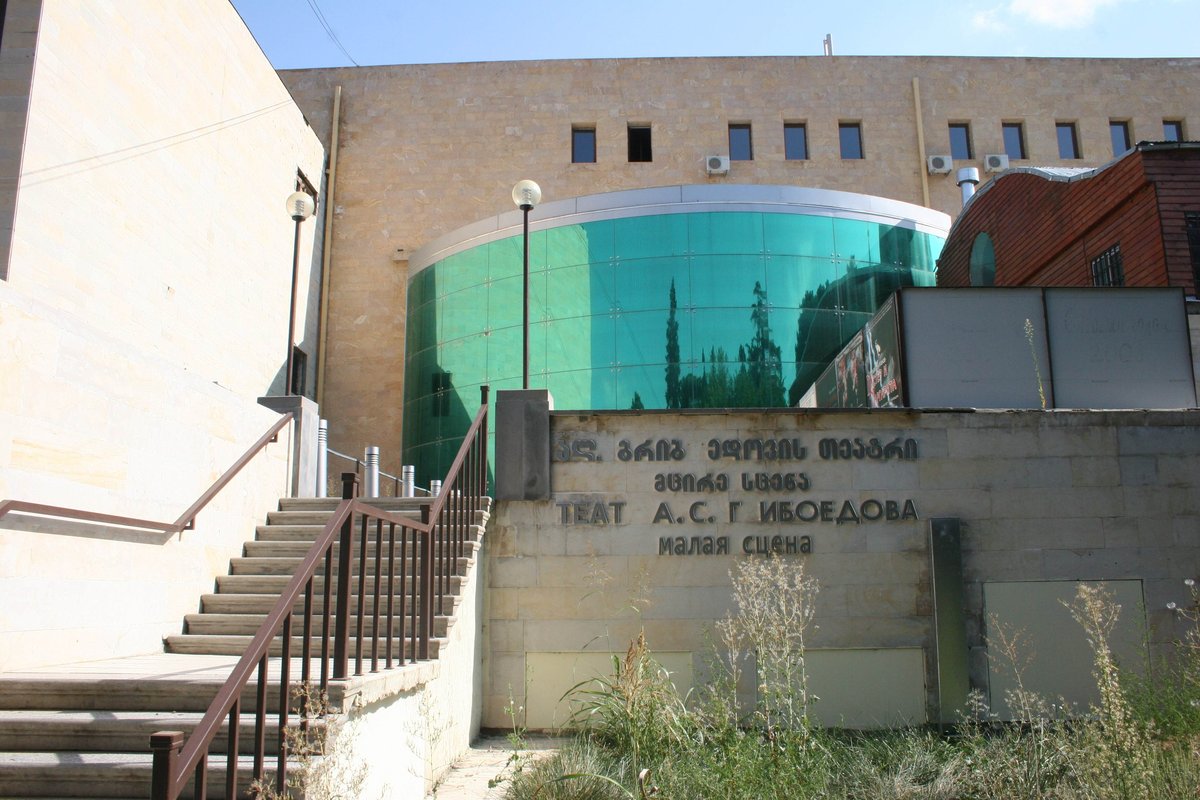
A. S. Griboedov Russian Drama Theater Tbilisi
Place
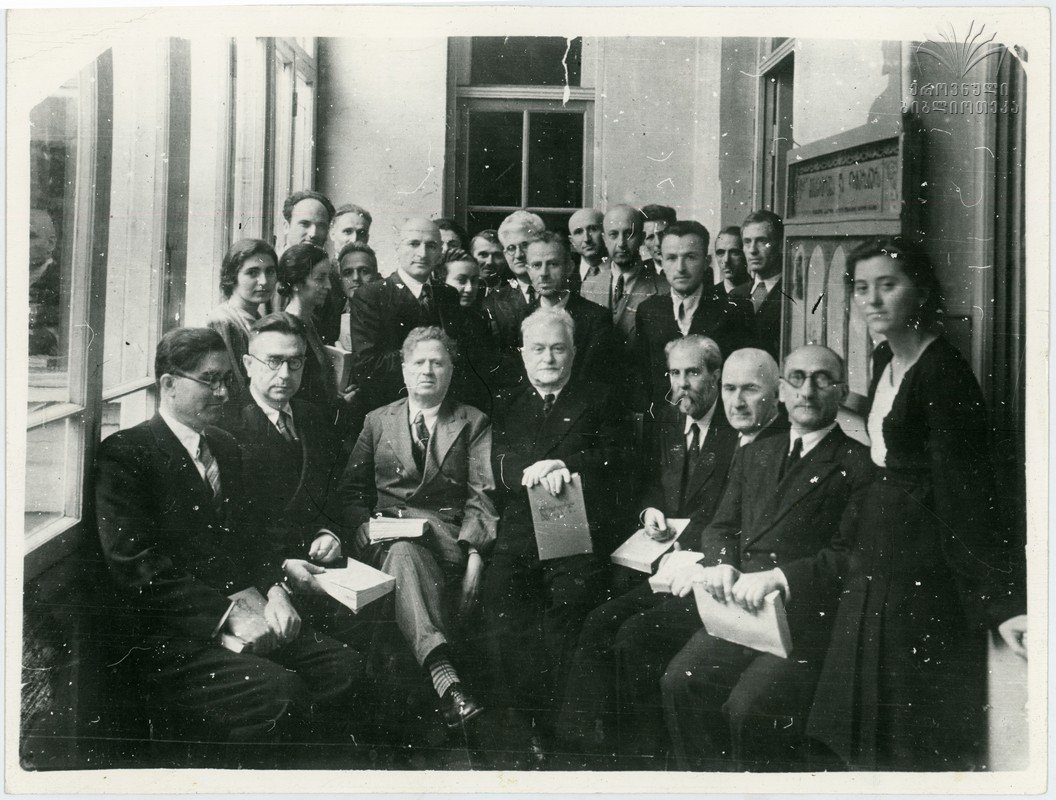
Georgian National Academy of Sciences
Place
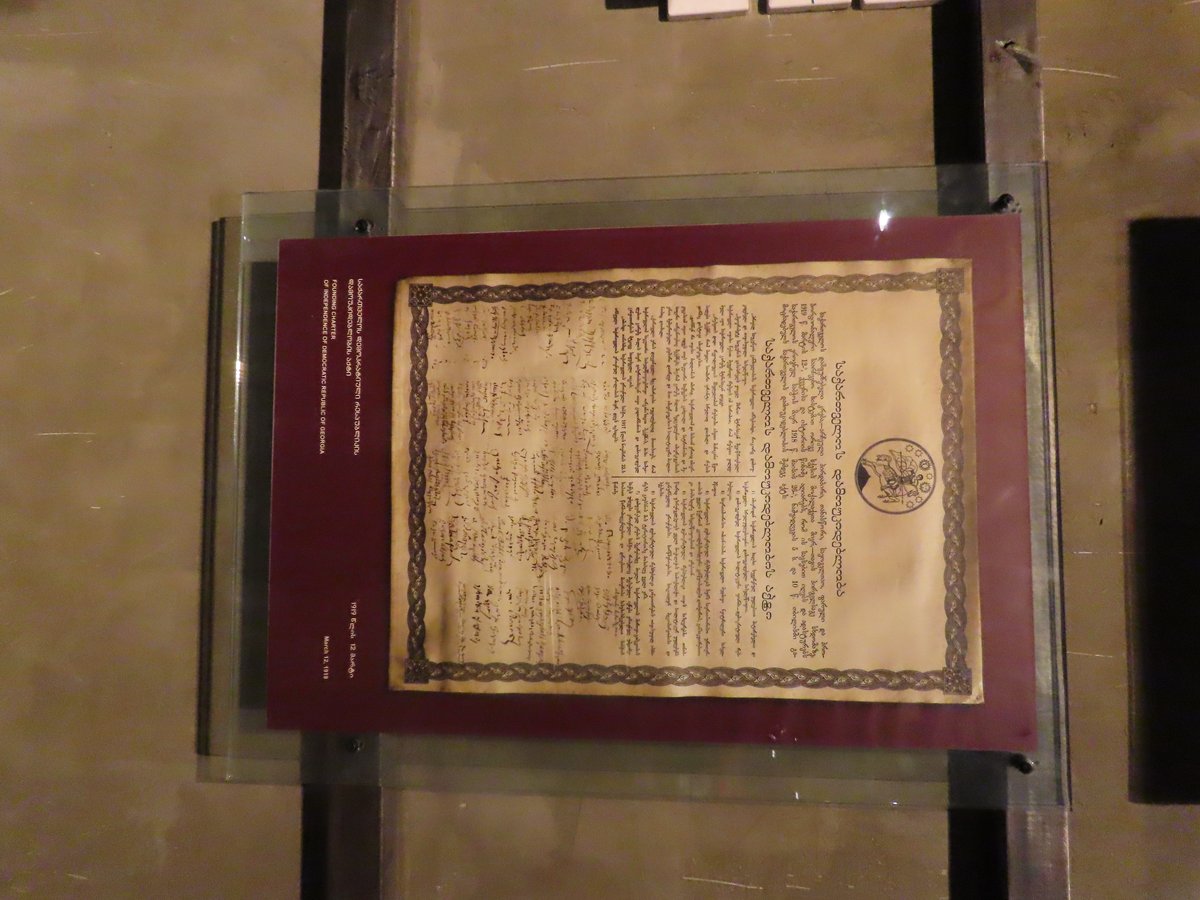
Museum of Soviet Occupation
Place
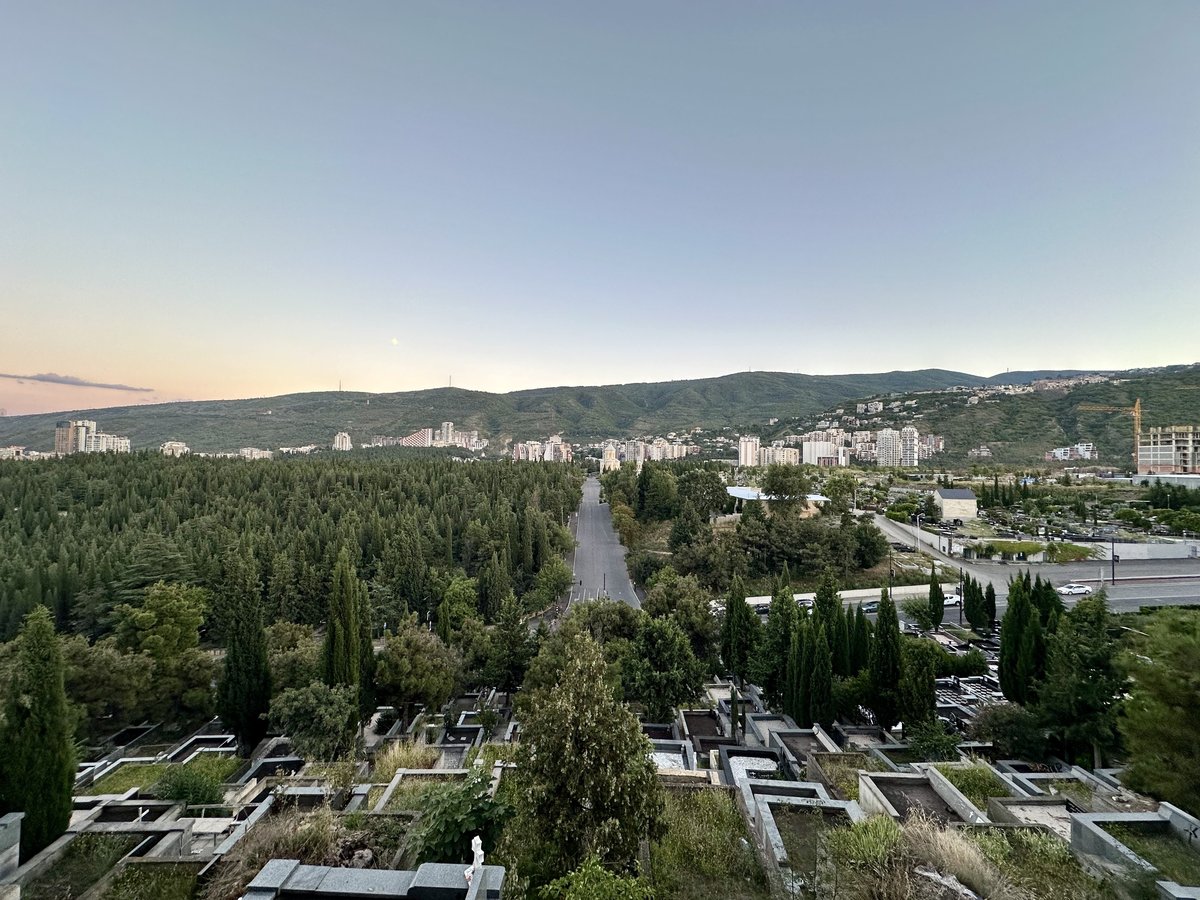
Saburtalo Pantheon
Place
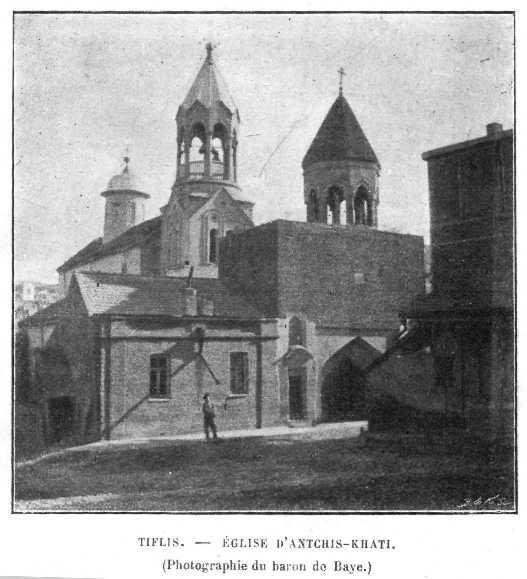
Anchiskhati Basilica
Place
Tbilisi Sports Palace
Place
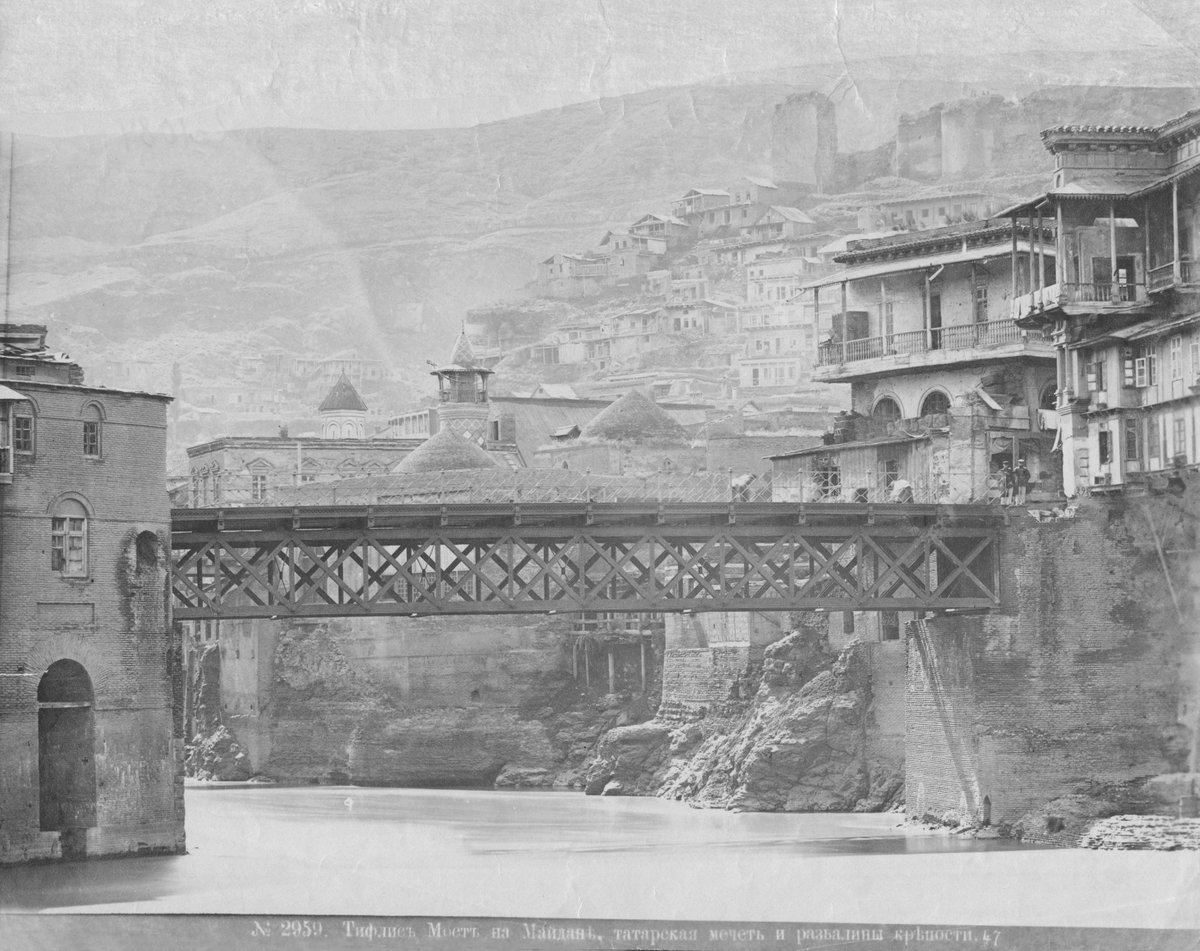
Metekhi Bridge
Place
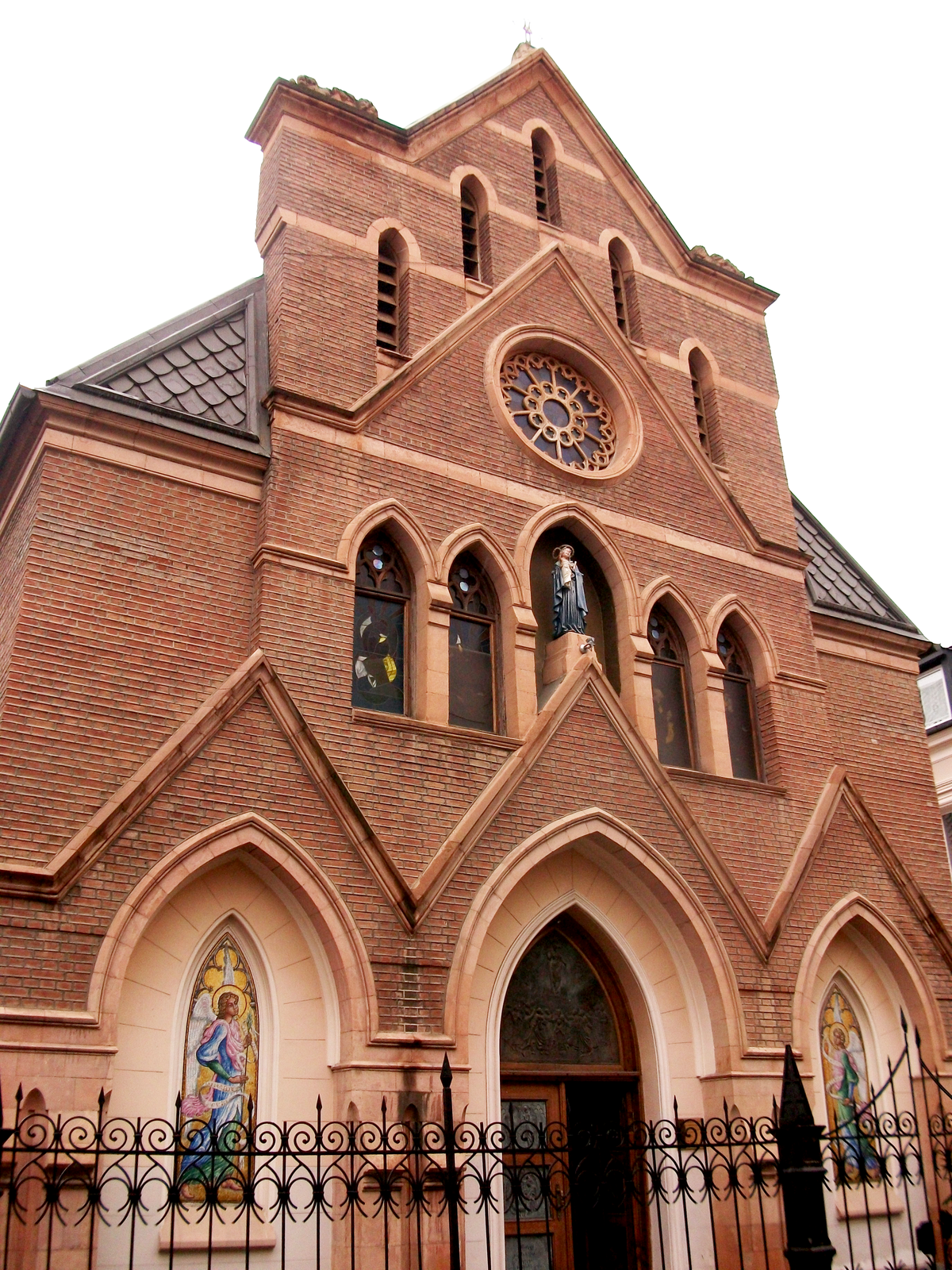
Cathedral of the Assumption of the Virgin, Tbilisi
Place
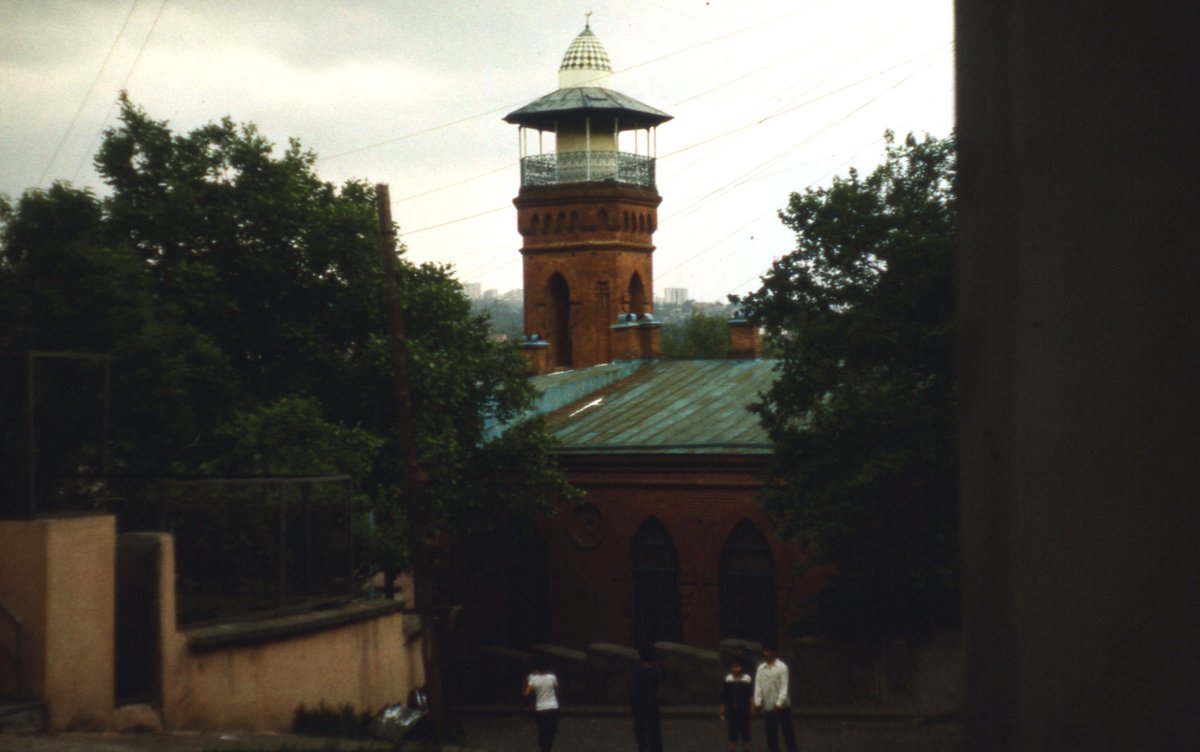
Juma Mosque, Tbilisi
Place
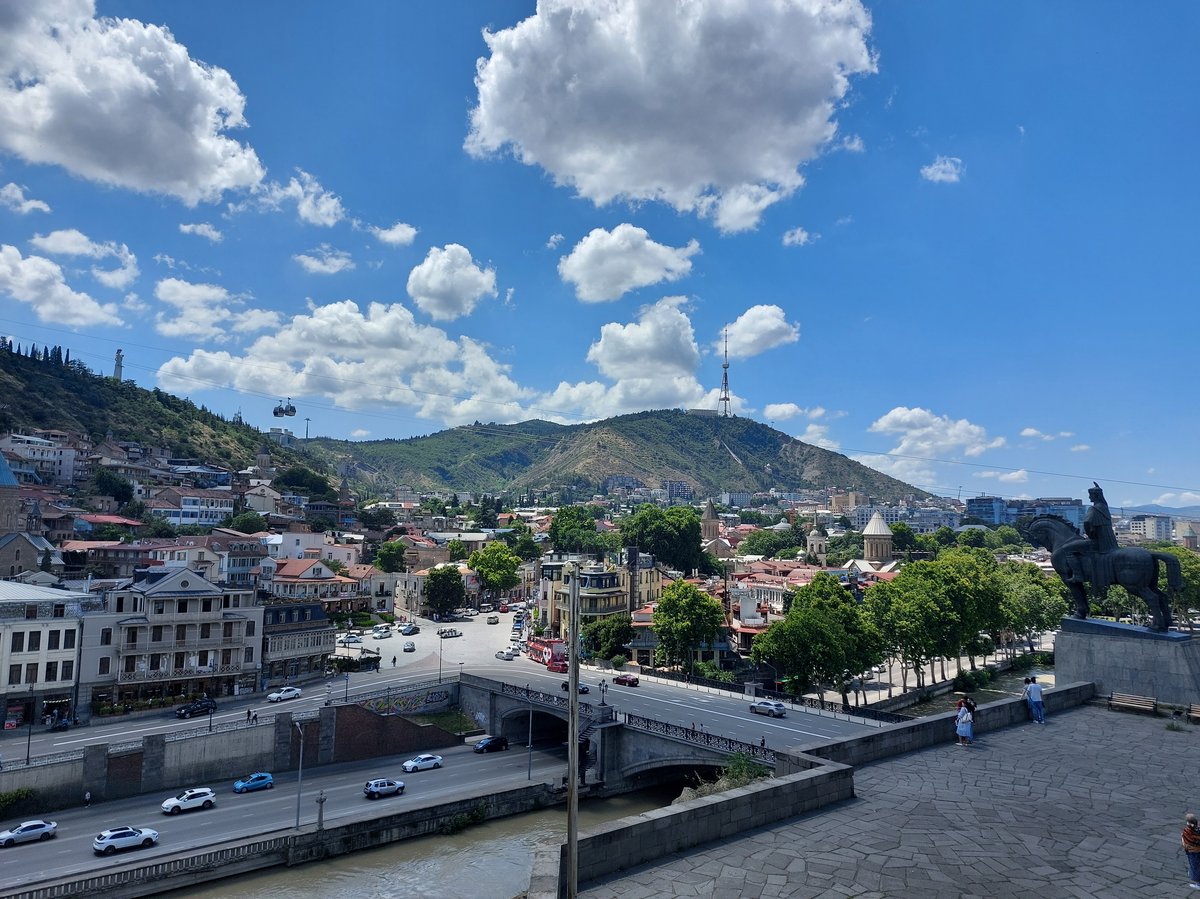
Gorgasali Square
Place
Parajanov Monument
Place
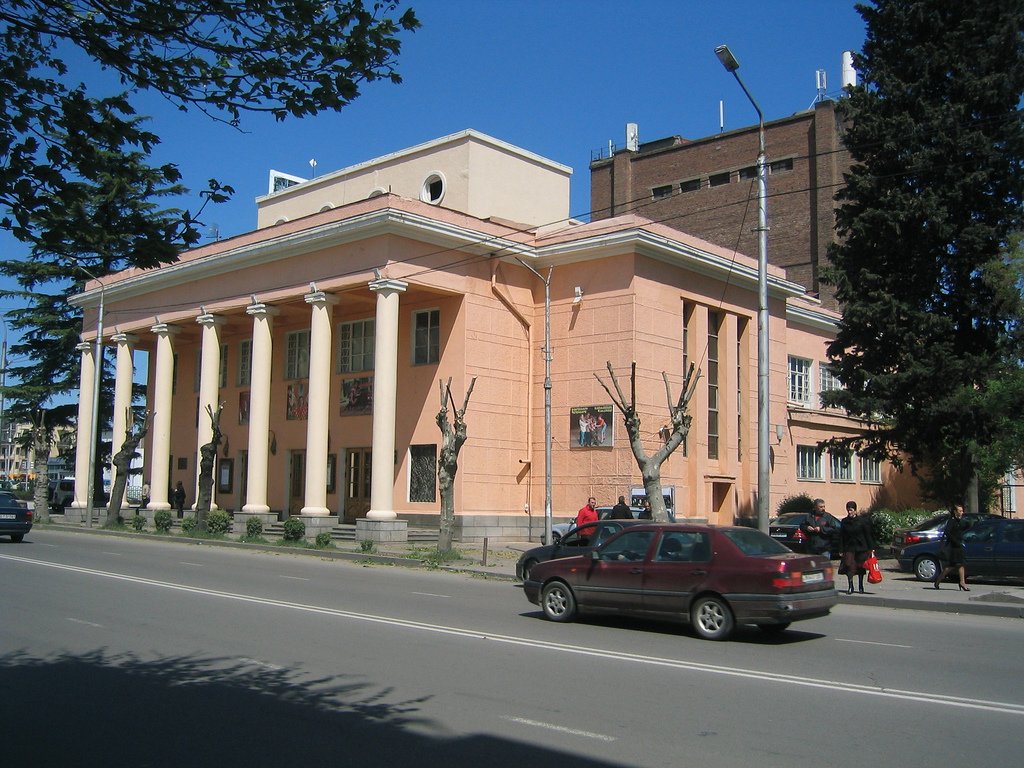
Petros Adamian Tbilisi State Armenian Drama Theatre
Place
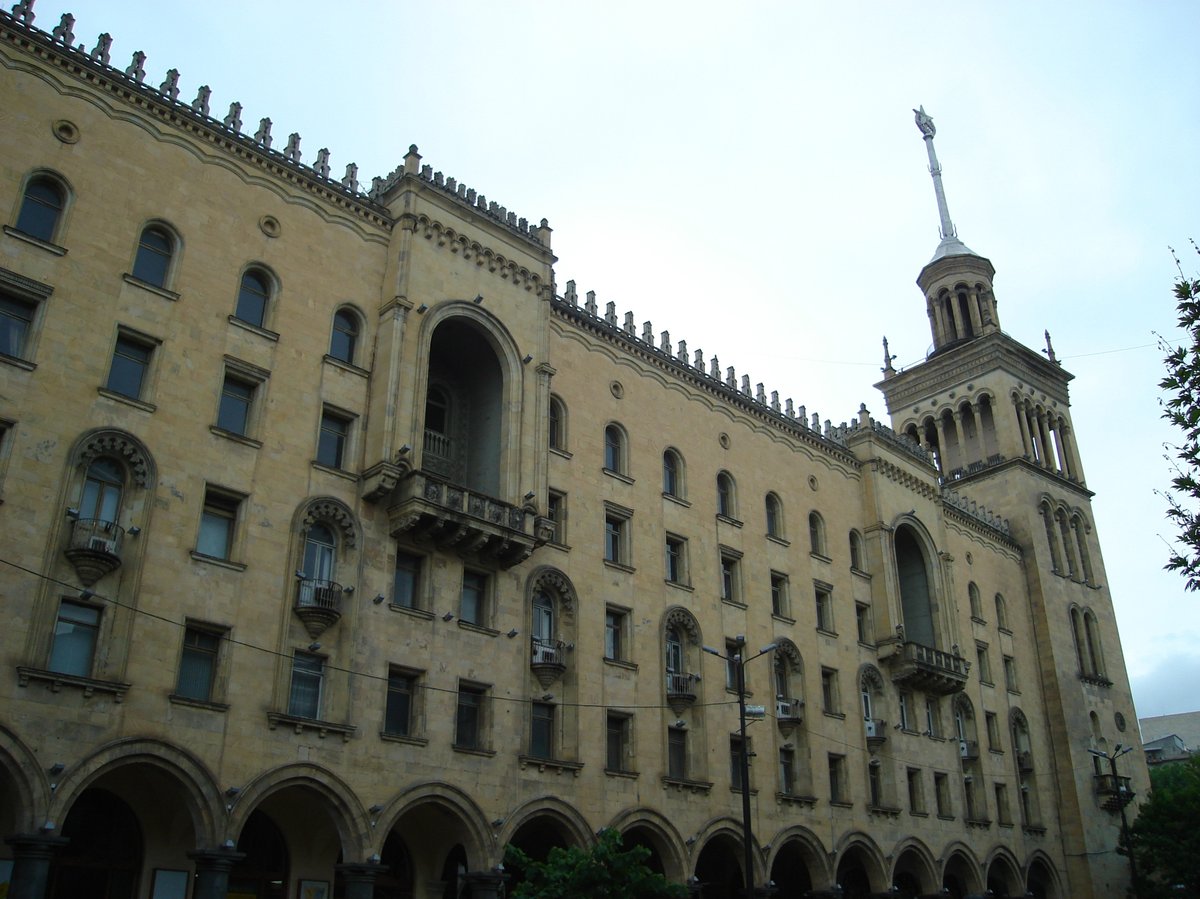
National Science Library
Place
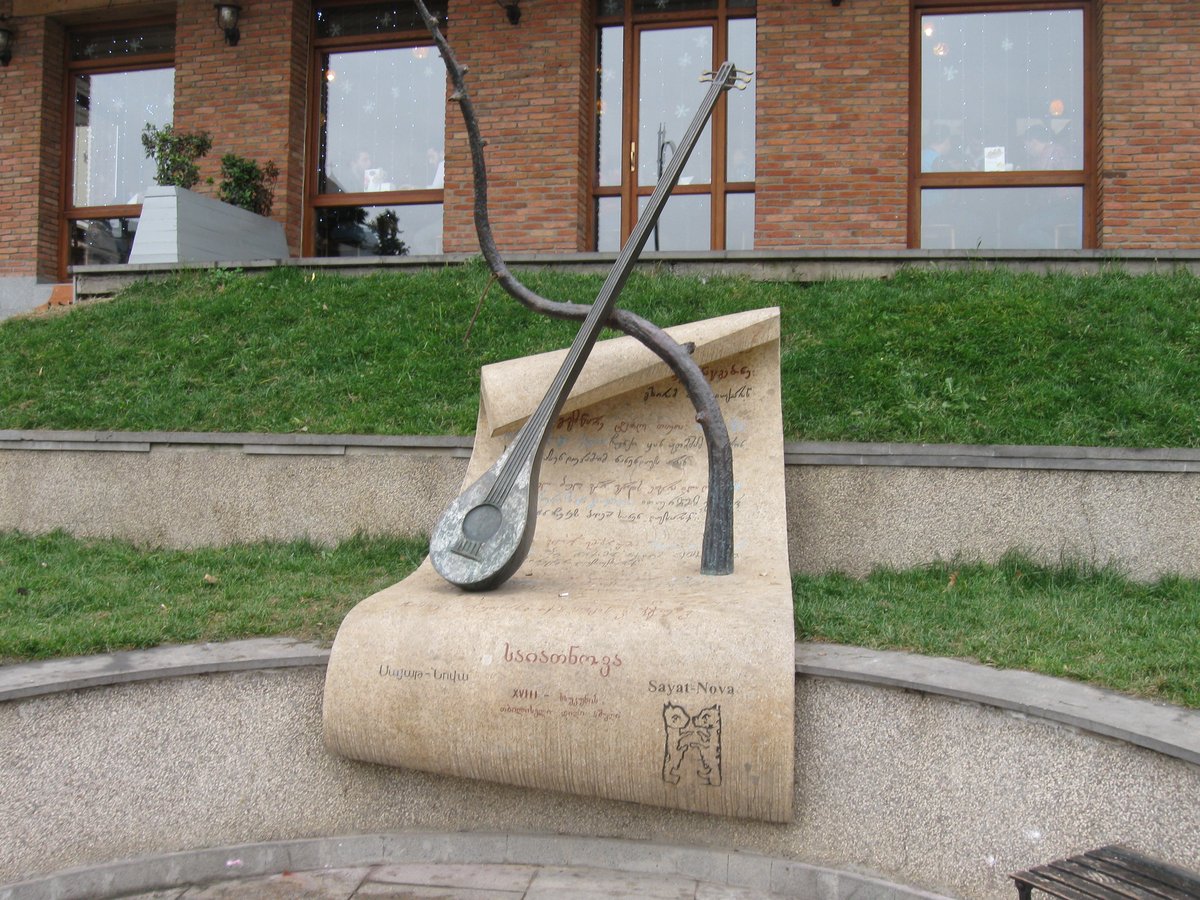
Sayat Nova Monument
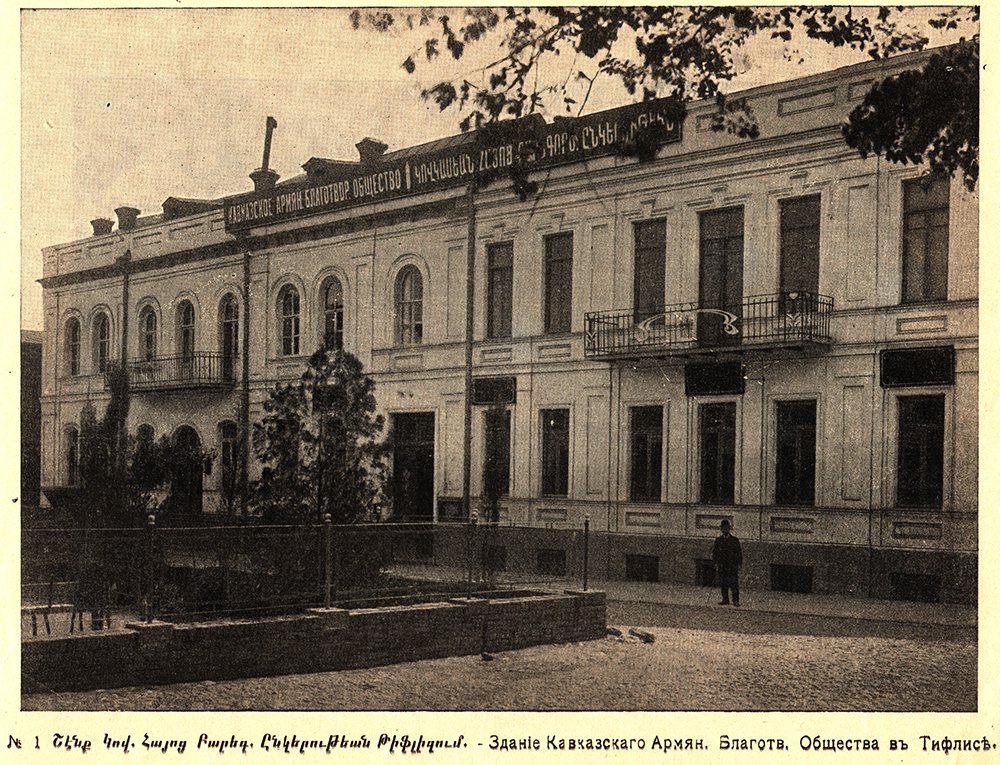
Place
Gudiashvili Square, Tbilisi
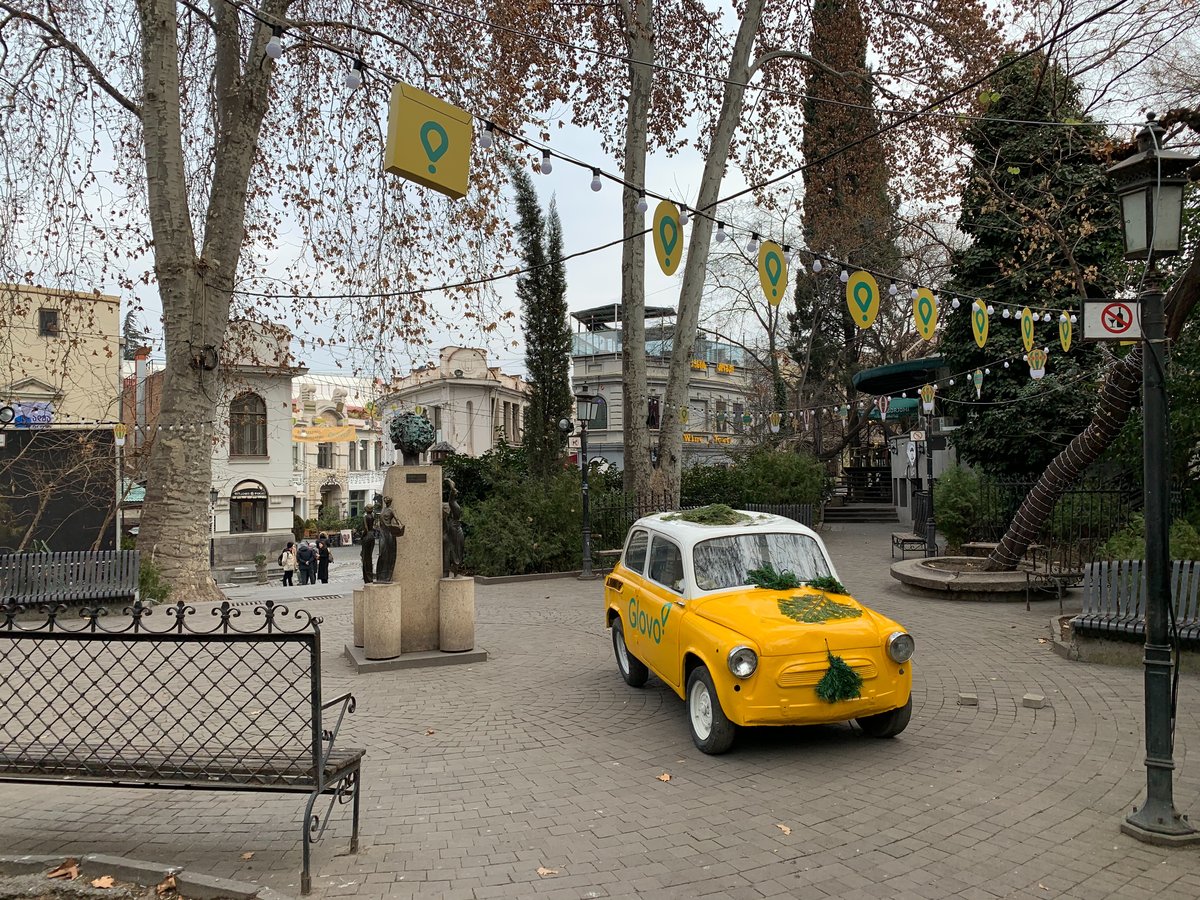
Place
Monument to Sofiko Chiaureli
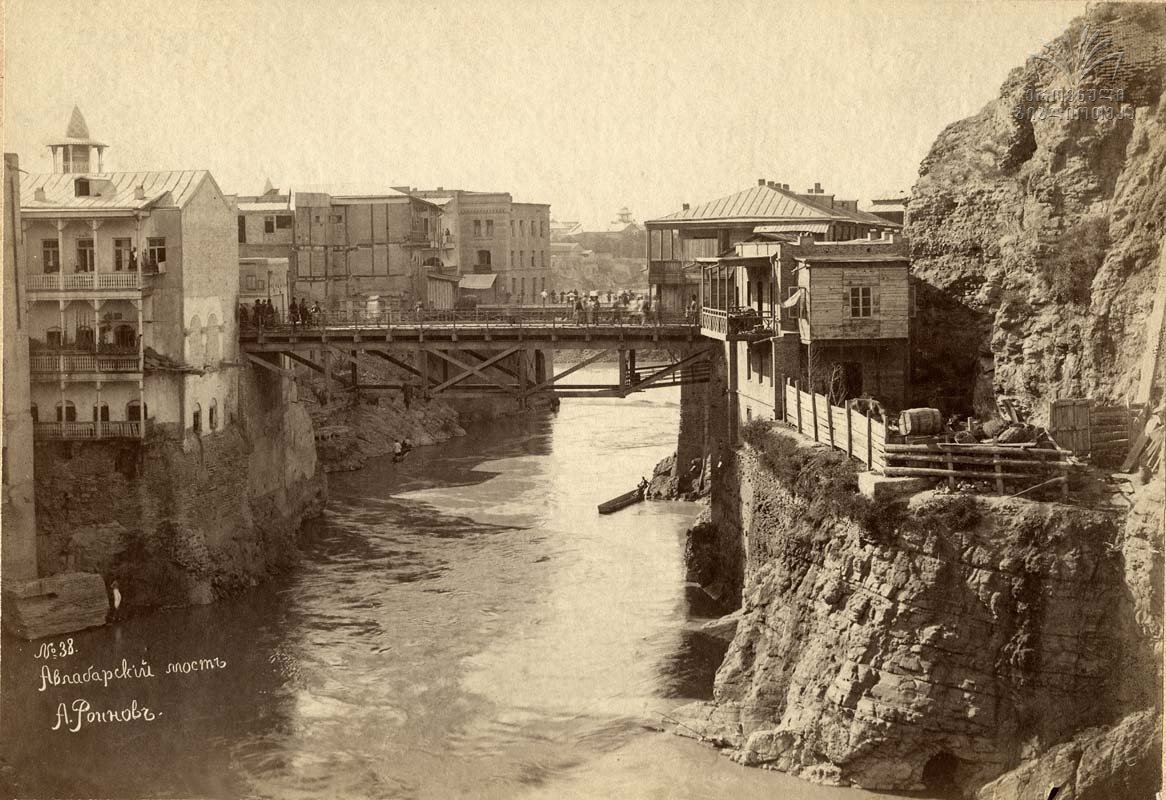
Place
The Shia Mosque, Tbilisi
Place
Tbilisi State University
Showing 1–48 of 123 places
Pick up where you left off
Saved and recently read places — kept on this device only.
Photo credits (11)
- Genadi Yakovlev — Pexels License (https://www.pexels.com/license/) — Source: https://www.pexels.com/photo/34368754/
- levan simonshvili — Pexels License (https://www.pexels.com/license/) — Source: https://www.pexels.com/photo/36314372/
- Genadi Yakovlev — Pexels License (https://www.pexels.com/license/) — Source: https://www.pexels.com/photo/30195397/
- Genadi Yakovlev — Pexels License (https://www.pexels.com/license/) — Source: https://www.pexels.com/photo/31419118/
- Ramaz Bluashvili — Pexels License (https://www.pexels.com/license/) — Source: https://www.pexels.com/photo/31583026/
- Nesrin art — Pexels License (https://www.pexels.com/license/) — Source: https://www.pexels.com/photo/34954527/
- Ercan Evcimen — Pexels License (https://www.pexels.com/license/) — Source: https://www.pexels.com/photo/31701709/
- Genadi Yakovlev — Pexels License (https://www.pexels.com/license/) — Source: https://www.pexels.com/photo/18381857/
- Lloyd Alozie — Pexels License (https://www.pexels.com/license/) — Source: https://www.pexels.com/photo/33663901/
- Theo Felten — Pexels License (https://www.pexels.com/license/) — Source: https://www.pexels.com/photo/34335394/
- Ksenia Nechaeva — Pexels License (https://www.pexels.com/license/) — Source: https://www.pexels.com/photo/8681305/
Photos may have been resized or cropped.