






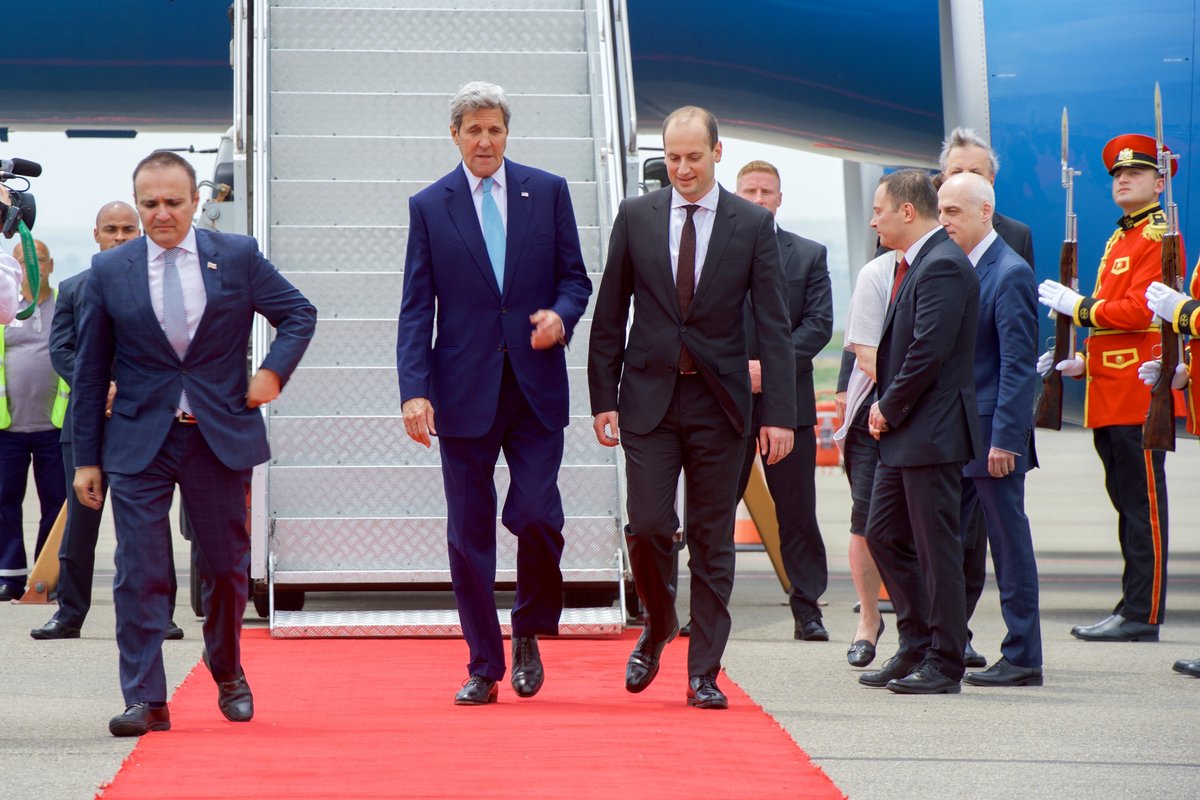
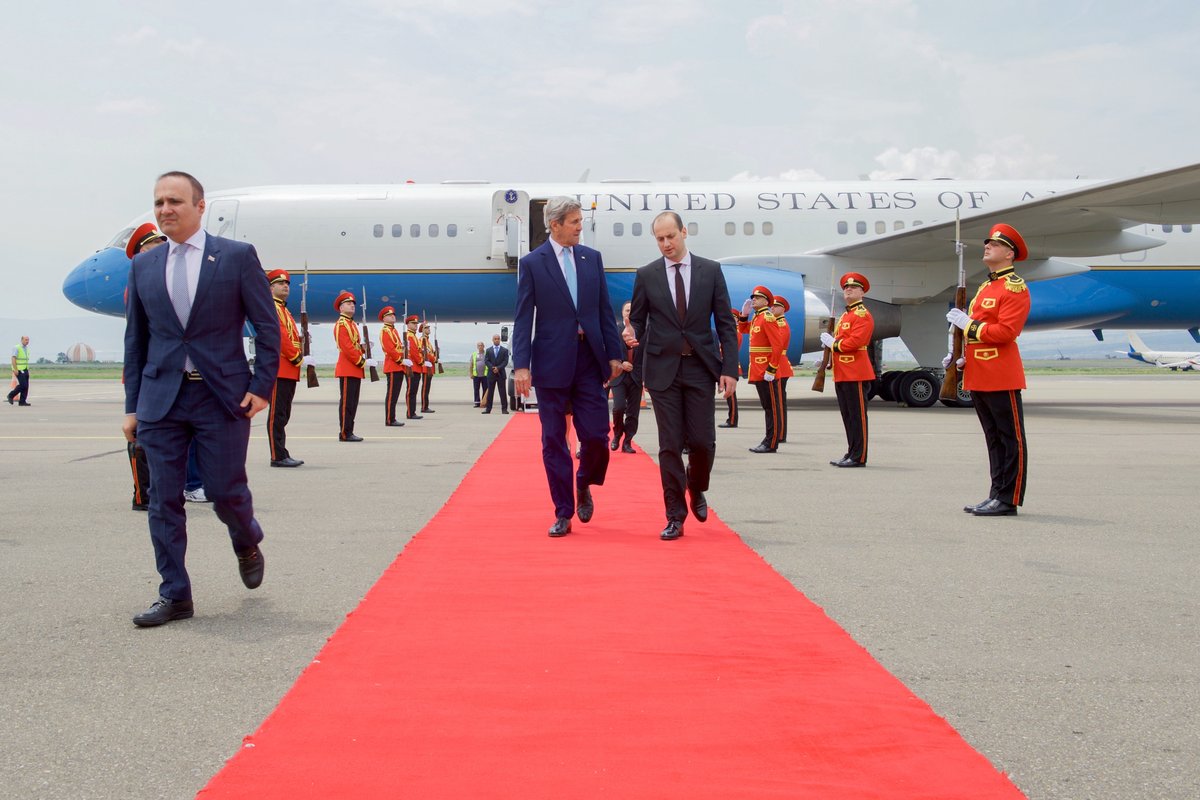
What Tbilisi International Airport Is
Tbilisi International Airport (IATA: TBS), officially Shota Rustaveli Tbilisi International Airport, is Georgia’s primary and busiest airport and a key gateway to the South Caucasus. Located approximately 17 kilometers southeast of central Tbilisi, it connects the capital with cities across Europe, the Middle East, and Central Asia, supporting tourism, business, and regional economic growth.
The airport handles nearly five million passengers annually. It served nearly 4.75 million passengers in 2024, and passenger traffic is its primary focus, alongside cargo operations that support regional trade and logistics. It offers round-the-clock operations and amenities including free Wi-Fi, duty-free shops, restaurants, cafes, lounges, currency exchange, ATMs, accessible transportation, and digital check-in services.
In 2025, 54 airlines operate at the airport, including members of Star Alliance, SkyTeam, and Oneworld. Georgian Airways and MyWay Airlines operate alongside international carriers such as British Airways, Turkish Airlines, Lufthansa, Qatar Airways, and Emirates. Eight new airlines, including Air Serbia, are joining the network in 2025. Seasonal and charter flights add routes to popular destinations during peak travel periods.
The airport offers non-stop flights to 65 cities in 31 countries; another reported figure is direct flights to more than 58 cities in 31 countries. European destinations include London, Paris, Berlin, Munich, Amsterdam, and Warsaw. Middle Eastern and Central Asian connections include Istanbul, Dubai, Doha, Tel Aviv, Baku, and Almaty. There are no domestic flights from Tbilisi; Kutaisi or Batumi are used for internal routes.
History and Development
Tbilisi International Airport was established during the Soviet era and has undergone significant modernization since Georgia’s independence in 1991. Modernization has been led by TAV Airports Holding. Since 2005, TAV Urban Georgia has overseen major upgrades, including new terminals and runway enhancements.
Recent improvements include expanded immigration areas, new aircraft parking, self-service kiosks, AI-based assistance, and enhanced IT infrastructure. Digital infrastructure, passenger comfort, and sustainability are ongoing areas of development. The airport is approaching its 4.5 million passenger capacity.
The airport faces geographic limitations, high landing fees, and geopolitical issues, including Russian flight bans. Strategic planning is underway to address future growth.
Future airport plans
With passenger numbers projected to grow by 25% annually, the government plans a new international airport at the Vaziani airfield. The $1.26 billion project is intended to handle up to 20 million passengers each year and feature sustainable design and advanced digital infrastructure. It is in the design and tender phase, with construction expected after 2025.
Georgia’s regional airport network is also expanding. Batumi and Kutaisi airports are developing, and Kutaisi aims to increase capacity from 1.7 million to 5 million passengers per year.
History of nearby landmarks
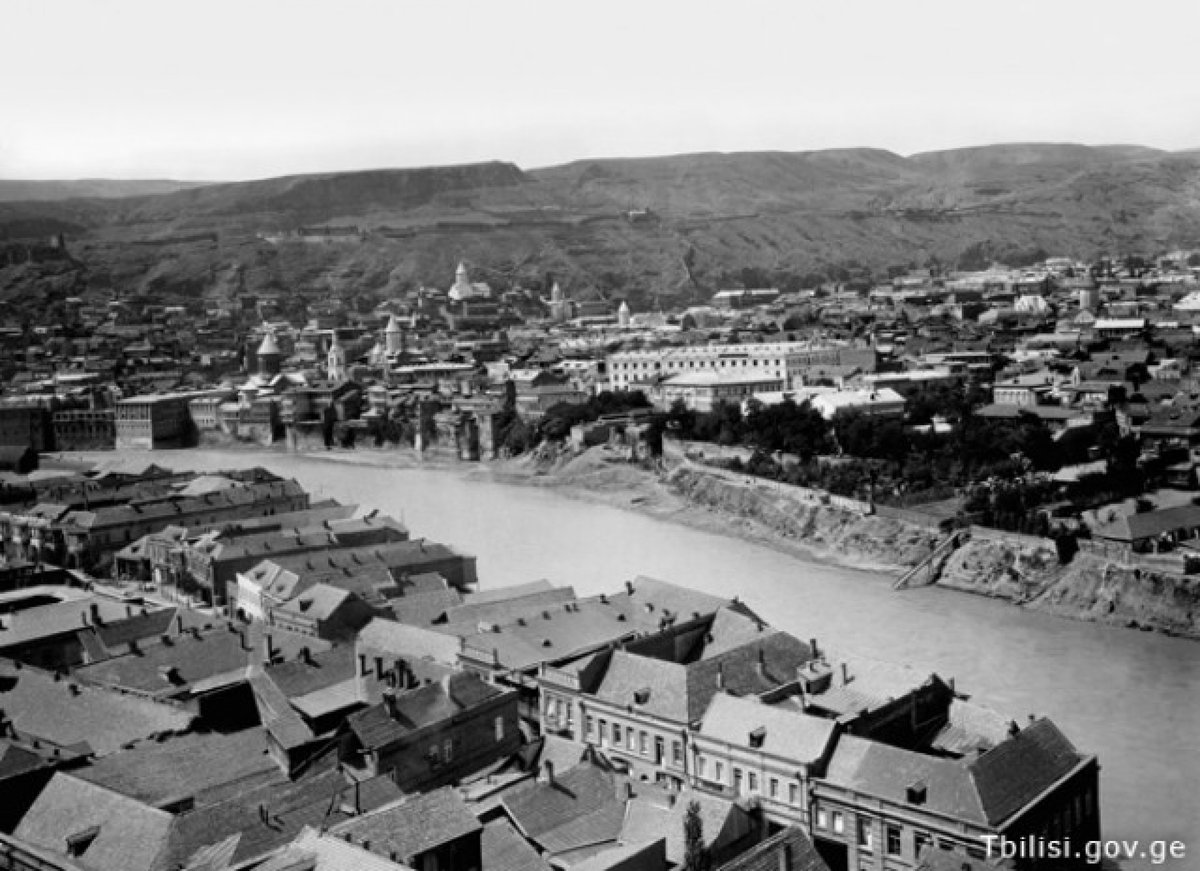
Narikala Fortress dates to the 4th century and was expanded over the centuries. It is a symbol of Tbilisi’s resilience and offers insight into Georgian history and medieval military architecture.
The Metekhi Monument and church, perched above the Mtkvari River, date back to the 12th century. Metekhi has served as a royal palace, fortress, church, and prison. It is a spiritual and cultural heart of Tbilisi and is often featured in Georgian literature and art.
What to See
Narikala Fortress is a viewpoint over the city. Visitors can reach it by an uphill walk or by cable car from Rike Park. Its setting and historic remains offer panoramic views of Tbilisi.
The Metekhi Monument and church are prominent features of Tbilisi’s skyline above the Mtkvari River.
The airport occasionally hosts aviation events and exhibitions. Guided tours and photo opportunities are available by request.
Practical Visiting Information
Airport hours and services
Tbilisi International Airport operates 24/7. Terminals open according to the flight schedule. Passenger services, including check-in and lounges, are generally available from 5:00 AM to 12:00 AM, although airline timings may differ.
The airport is fully accessible, with ramps, elevators, accessible restrooms, and dedicated assistance for travelers with reduced mobility. Multilingual signage guides passengers through key areas. Self-service kiosks and automated passport control (E-Gates) help with check-in and border procedures, and airport staff are available to assist. Free Wi-Fi is available throughout the airport.
Flight tickets and bookings
Tickets are available through airline websites, travel agencies, online booking platforms, and airport counters. Booking in advance is advised for fares and availability.
Getting to and from the airport
- Taxi Licensed taxis offer fixed rates to the city center of approximately 25–30 GEL. The drive takes around 20–30 minutes.
- Bus City bus line 37 provides direct service to central Tbilisi and major transit points. The N.337 bus line is also listed as an affordable link to central Tbilisi.
- Ride-hailing Bolt and similar apps are available.
- Train Train service is limited, with two daily departures connecting the airport and the city.
- Car rental International and local rental agencies operate on-site.
- Private transfers Prearranged transfers are available.
- Road access The airport connects to the city via George W. Bush Avenue and Kakheti Highway.
Visiting Narikala Fortress and Metekhi Monument
Narikala Fortress is open daily from 9:00 AM to 7:00 PM. Admission is free; guided tours cost 20–40 GEL per person. Access for wheelchair users is limited.
Metekhi Monument is open daily from 10:00 AM to 6:00 PM. Admission is around 5 GEL for adults, with discounts for students and seniors and free entry for children under 12. The site is accessible for visitors with reduced mobility, and guided tours are available in multiple languages.
Travel Tips
- Arrive at least two hours before international departures.
- Use self-service kiosks to expedite check-in.
- Keep documents accessible for security and boarding.
- Use the airport’s free Wi-Fi to stay connected.
- Browse duty-free shops for local souvenirs.
- Wear sturdy shoes and bring water and sun protection when visiting Narikala Fortress; allow time for panoramic photos.
- Guided tours and cultural events at Narikala are regularly listed on the official Tbilisi tourism website.
Nearby Places
Tbilisi’s Old Town, Narikala Fortress, sulfur baths, and vibrant markets are within a 30-minute drive of the airport. The Georgian National Museum and other city attractions are also within easy reach by car or public transport.
Hotels near the airport range from budget to luxury, and many offer shuttle services.
Near Narikala Fortress, visitors can explore the adjacent Botanical Garden, Metekhi Church, and Old Tbilisi’s markets and cafes. Nearby Metekhi are Narikala Fortress, Sioni Cathedral, and Abanotubani, the sulfur bath district. Narikala Fortress and Metekhi Monument offer opportunities to explore Tbilisi’s cultural heritage during a layover or an extended visit.
Frequently Asked Questions
What are the airport’s operating hours?
The airport operates 24/7, while most passenger services are active from 5:00 AM to midnight. Terminals open according to the flight schedule.
How do I get to Tbilisi city center from the airport?
Options include licensed taxis with fixed rates, city bus line 37 or the N.337 bus line, ride-hailing services, car rentals, private transfers, and a limited train service with two daily departures.
Are facilities available for travelers with disabilities?
Yes. The airport has accessible ramps, elevators, restrooms, and assistance for travelers with reduced mobility.
Is Wi-Fi available?
Free Wi-Fi is available throughout the airport.
How do self-service kiosks work?
Follow the on-screen instructions or ask airport staff for help with check-in and boarding passes.
When will the new Vaziani airport open?
The project is in the design and tender phase, with construction expected after 2025.