

Early Origins & Colonial Foundations
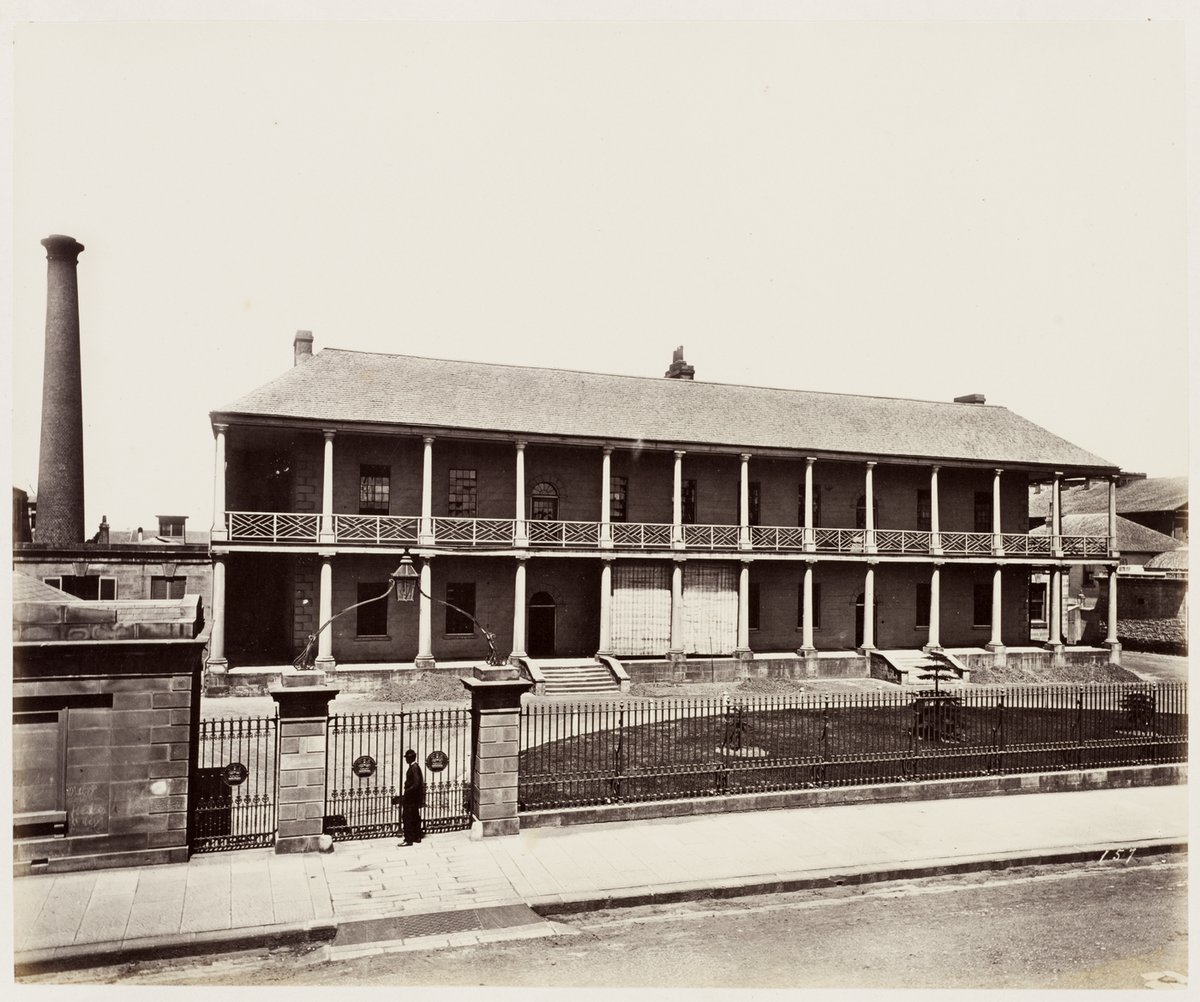
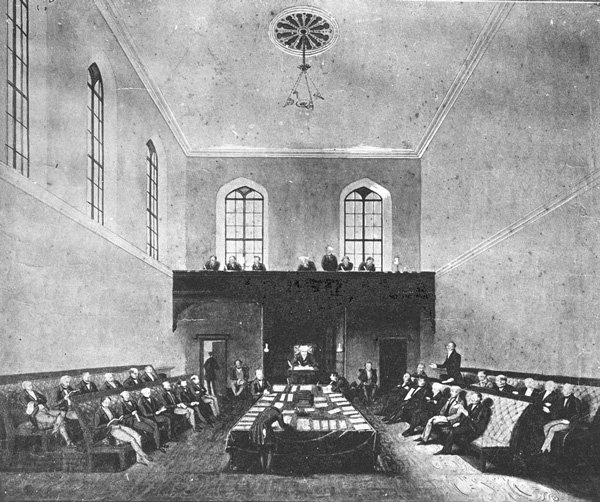
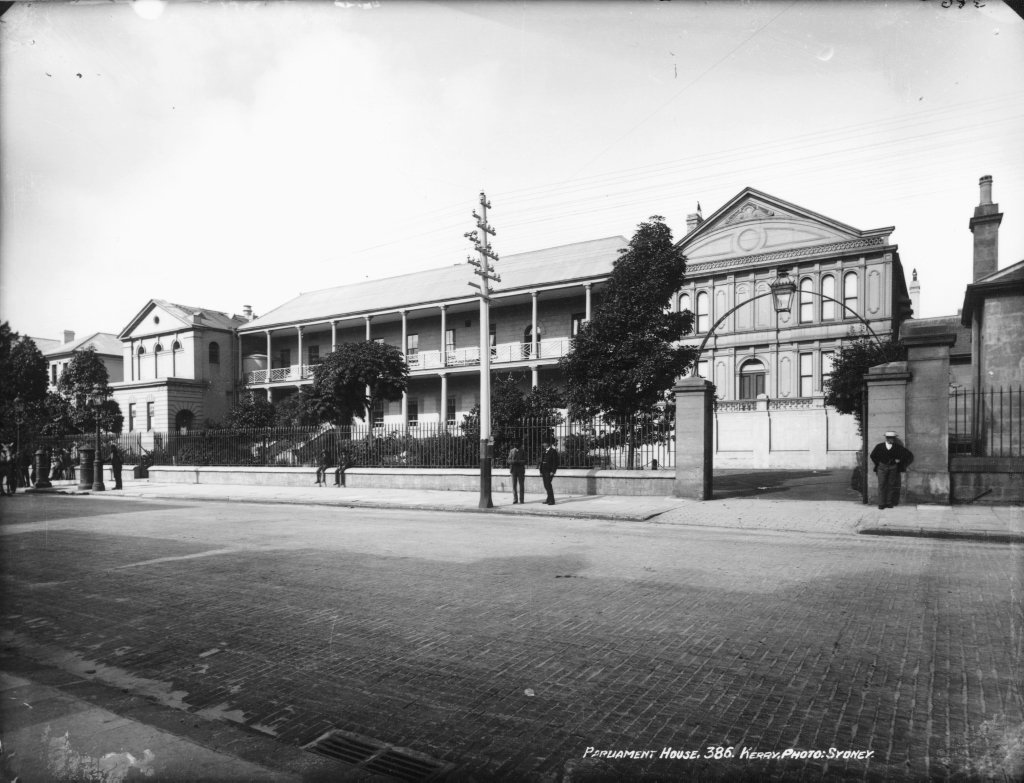
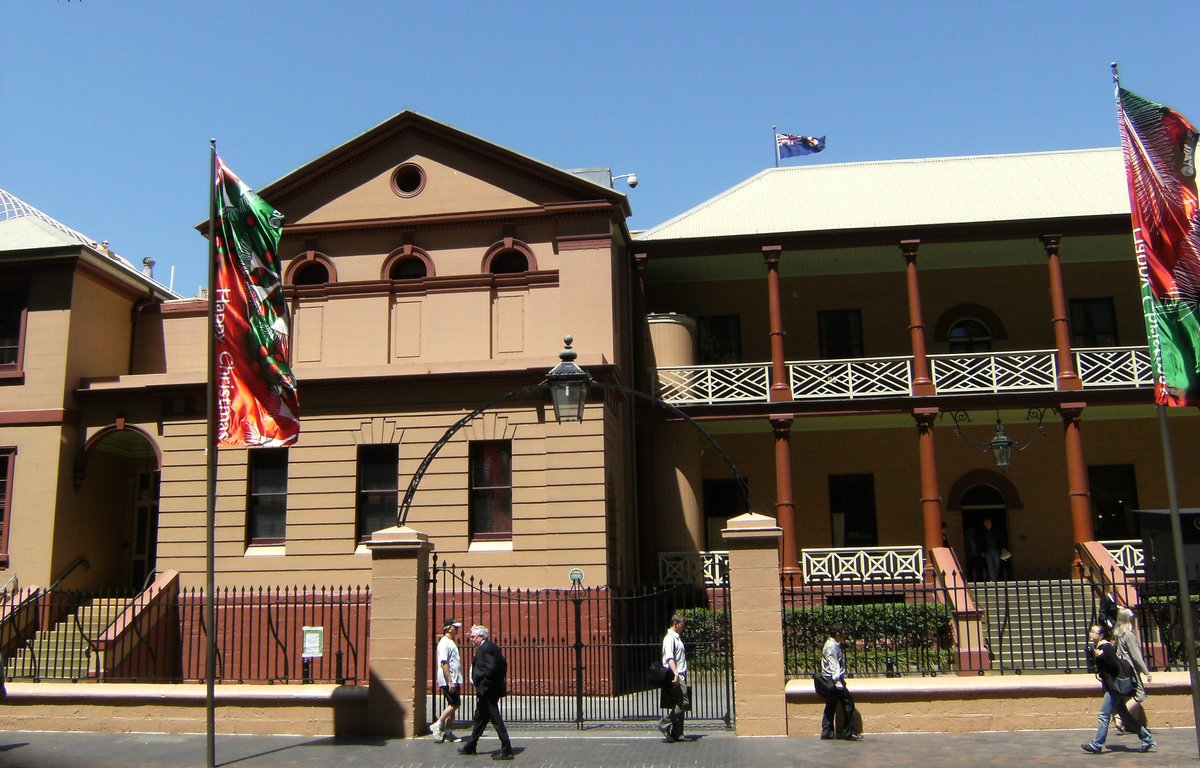
Parliament House occupies the northern wing of the original Sydney Hospital, built between 1811 and 1816 under Governor Lachlan Macquarie. This hospital, known as the "Rum Hospital" due to its unique funding arrangement involving rum importation, played a pivotal civic role in early colonial Sydney (Sydney.com). In 1829, the building was adapted to house the newly established Legislative Council of New South Wales, marking the beginning of its long-standing role in governance (Wikipedia).
Architectural Evolution
Georgian Beginnings
The initial structure featured a Georgian design, marked by simplicity, symmetry, and the use of Sydney sandstone. Its unembellished style reflected the practical needs and limited resources of the fledgling colony (Sydney Point).
Victorian & Federation Additions
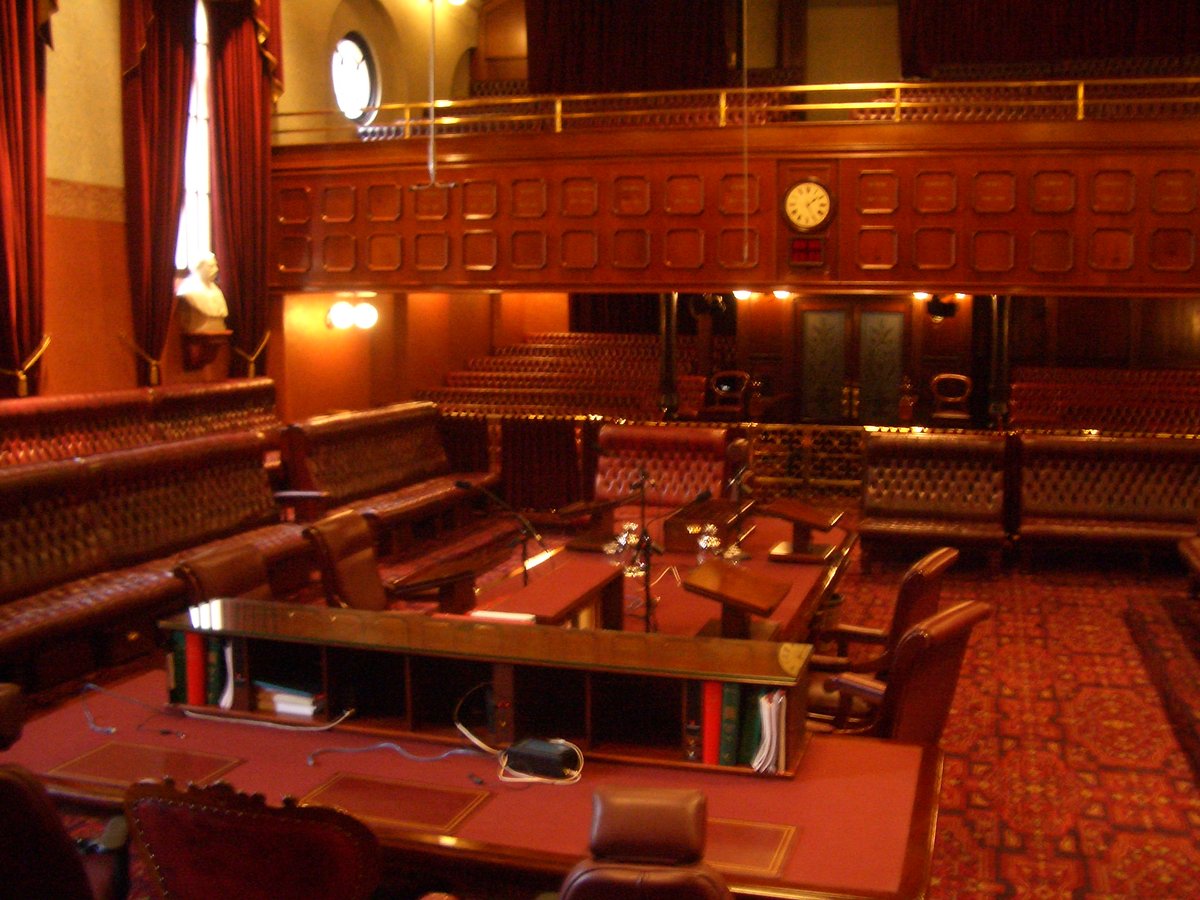
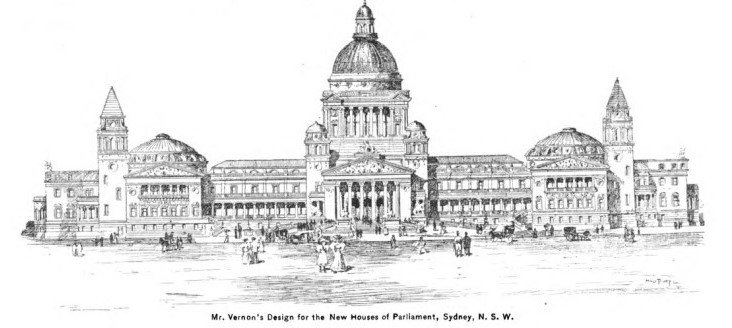
With the expansion of parliamentary functions, the building underwent several renovations. The Legislative Assembly and Legislative Council chambers, both completed in 1856, introduced Victorian-era details such as ornate timberwork, stained glass, and decorative ceilings. Later modifications, especially during the Federation period, brought new committee rooms, offices, and public spaces, drawing inspiration from British parliamentary traditions (Sydney Point).
Modern Adaptations
In 1976, the Fountain Court was added, providing a contemporary public entry and exhibition space that blends with the historic architecture. Restoration efforts in the 1980s preserved the chambers' late 19th-century décor, while modern amenities ensure accessibility and visitor comfort (Parliament of NSW Events; Dictionary of Sydney).
Political & Cultural Significance
Birthplace of Responsible Government
Parliament House is the cradle of responsible government in Australia. In 1856, New South Wales established a bicameral, fully elected parliament, setting a democratic precedent for the nation. The building hosted two conventions that were crucial in the Federation movement and the drafting of the Australian Constitution (Wikipedia).
Symbol of Civic Progress
The building’s transformation over two centuries reflects New South Wales’ evolution from a penal colony to a modern state. It has been the setting for major reforms, including the introduction of the secret ballot, the advancement of women’s rights, and the recognition of Indigenous Australians. Parliament acknowledges the Gadigal people as traditional custodians of the land and incorporates this respect into its ceremonies and public programs (Parliament of NSW Events).
Ongoing Legislative Activity
Parliament House remains the operational seat of NSW’s legislature. Visitors can observe sessions from public galleries on sitting days and participate in public programs on non-sitting days (Sydney Point).
Visitor Information
Location & Access
- Address 6 Macquarie Street, Sydney NSW 2000
- Public Transport Nearest train station is Martin Place (1-minute walk). Bus routes service Macquarie, Elizabeth, and Castlereagh Streets. No public parking on-site; nearby paid parking is available (NSW Parliament House).
- Accessibility Ramps, lifts, accessible toilets, and a Changing Places facility are available. Guide dogs and accredited assistance animals are welcome. Parent facilities include a baby change room (Parliament NSW PDF).
Visiting Hours & Ticketing
- Opening Hours Monday to Friday, 9:00 am – 5:00 pm. Closed on public holidays and some parliamentary sitting days. Always check the official website before visiting.
- Entry Fee Free.
- Guided Tours Free one-hour tours every Monday and Friday at 1:30 pm, with additional sessions during school holidays. Bookings are recommended (Parliament NSW PDF). For group or school tours, book in advance.
Security & Entry
All visitors undergo airport-style security screening at the Macquarie Street entrance. Sharp objects are prohibited. Bags are not allowed inside the chambers and must be stored in secure trolleys (School Program Pre-visit Information).
Guided Tours & Educational Programs
Tours cover the Legislative Assembly and Council chambers, the Jubilee Room, Fountain Court, and heritage spaces. On non-sitting days, interactive experiences such as role-play activities are available. Teachers can arrange school programs tailored to curriculum needs (School Program Pre-visit Information).
Dining & Amenities
- Strangers’ Restaurant Open for lunch Monday–Friday (12:00 pm–3:00 pm) and High Tea on Fridays (bookings essential) (Parliamentary Catering).
- Public Café & Gift Shop Open Monday–Friday, 9:30 am–4:00 pm. Offers artisan products and light refreshments.
- Restrooms Available on levels six and seven.
- Wi-Fi Not widely advertised; check with staff.
Travel Tips & Nearby Attractions
- Arrive Early Allow extra time for security.
- Travel Light Only bring essentials.
- Combine Visits Parliament House is near the Royal Botanic Gardens, Hyde Park Barracks, State Library, and the Sydney Opera House (TourbyTransit).
- Check Sessions Access may be restricted during parliamentary sittings.
Notable Events & Special Programs
- Historic Debates Notable moments include the passage of the 1858 Electoral Act (secret ballot) and the 1902 Women’s Franchise Act.
- Royal Visits & State Occasions The building has hosted royal dignitaries and major state events.
- Art & Exhibitions Fountain Court regularly features exhibitions, including the Reconciliation Wall (Parliamentary Catering).
- Annual Events Parliament House participates in Vivid Sydney, illuminating its façade for the festival (Vivid at Parliament).
Frequently Asked Questions (FAQ)
Q: What are the Parliament House Sydney visiting hours?
A: Monday to Friday, 9:00 am–5:00 pm. Closed on public holidays and some sitting days.
Q: Is entry or a guided tour ticket required?
A: No, both entry and guided tours are free, but tour bookings are recommended.
Q: Are tours available for groups and schools?
A: Yes, group bookings and tailored school programs are available; book in advance for groups over 10.
Q: Is Parliament House accessible for people with disabilities?
A: Yes, with ramps, lifts, accessible toilets, and support services.
Q: Can I take photos inside?
A: Photography is allowed in most public areas but may be restricted in chambers or during sessions.
Q: Are dining options available?
A: Yes, Strangers’ Restaurant and the Public Café are open weekdays. High Tea is served on Fridays.