

Market Origins (1893–1915)
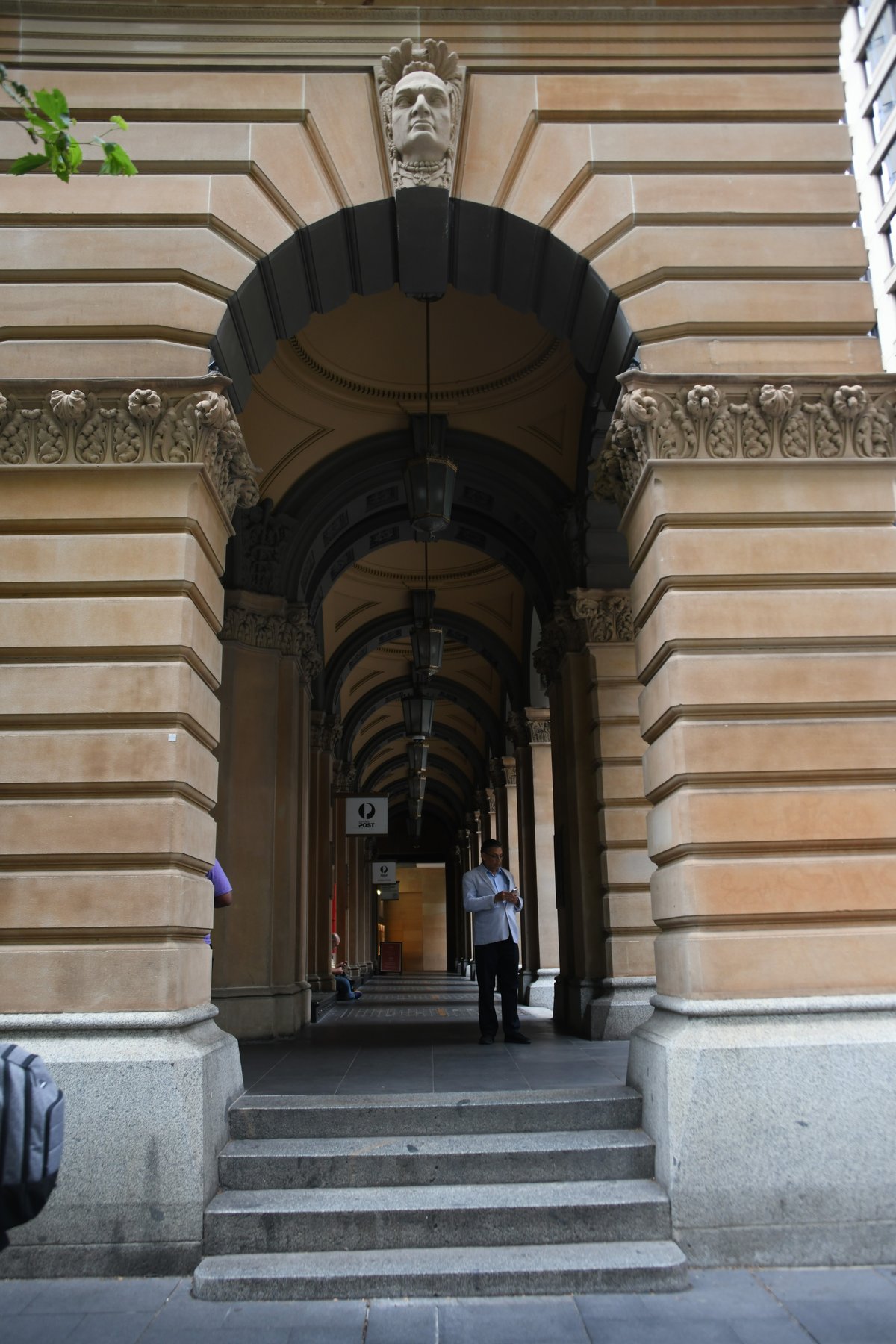
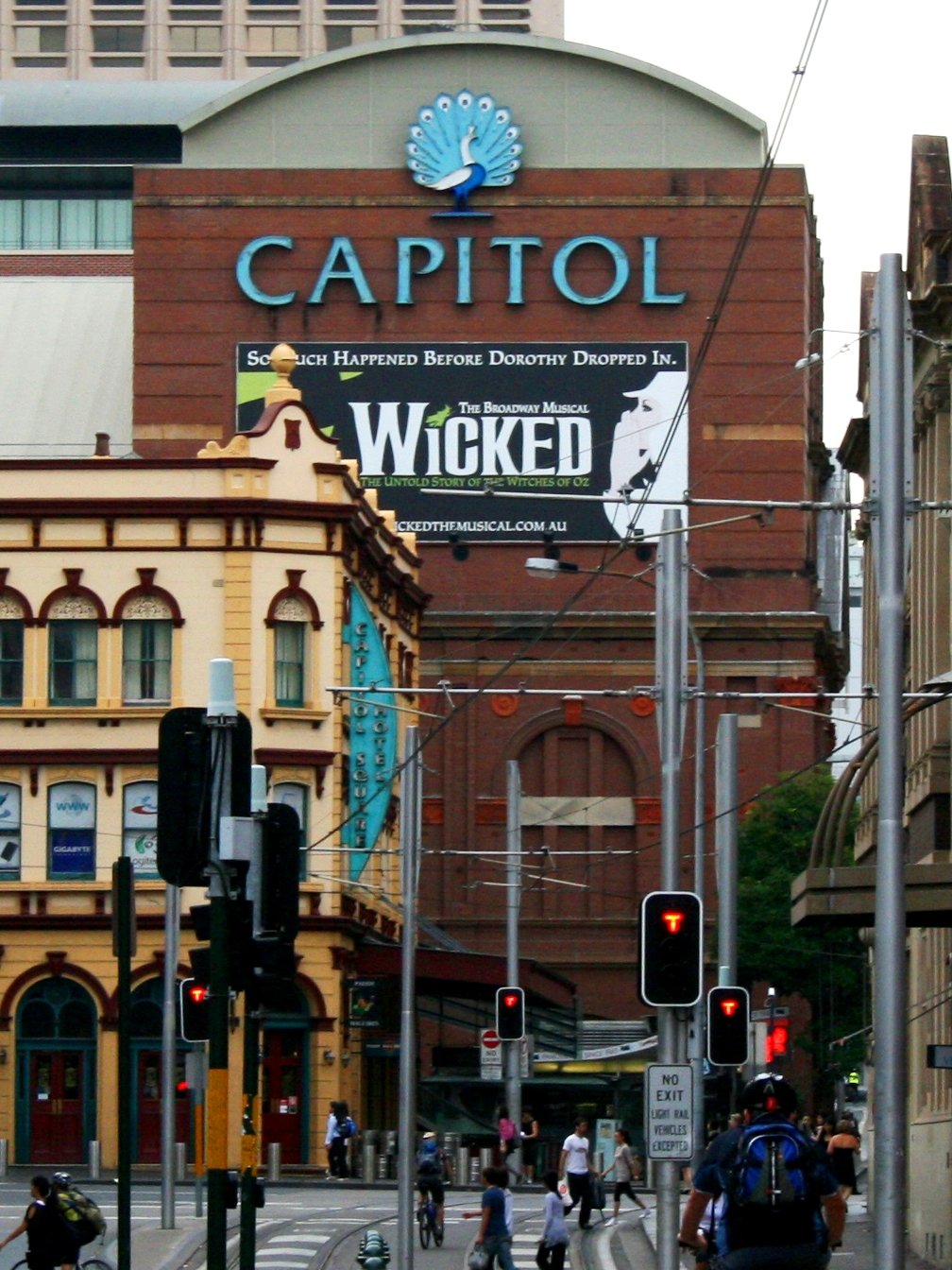
The Capitol Theatre’s story begins in 1893 with the construction of the New Belmore Markets, designed by George McRae—the architect of Sydney’s Queen Victoria Building (Rydges). This bustling market, with its iconic brick facade and fruit and foliage reliefs, was the commercial heart of Haymarket. The 36 street-level arches, still visible today, evoke the site’s original function (TourbyTransit).
Wirth Bros Hippodrome (1916–1926)
In 1916, shifting entertainment tastes led to the market’s conversion into the Wirth Bros Hippodrome, a circus venue. The transformation included a remarkable “Seal Pit”—a 12-metre diameter, 3.6-metre deep water tank for aquatic circus acts, hydraulically controlled to reveal a circus ring when needed. Remnants of this era, like the tank itself, remain hidden beneath the stage (Eventfinda; Rydges).
The Atmospheric Theatre Transformation (1927–1930s)
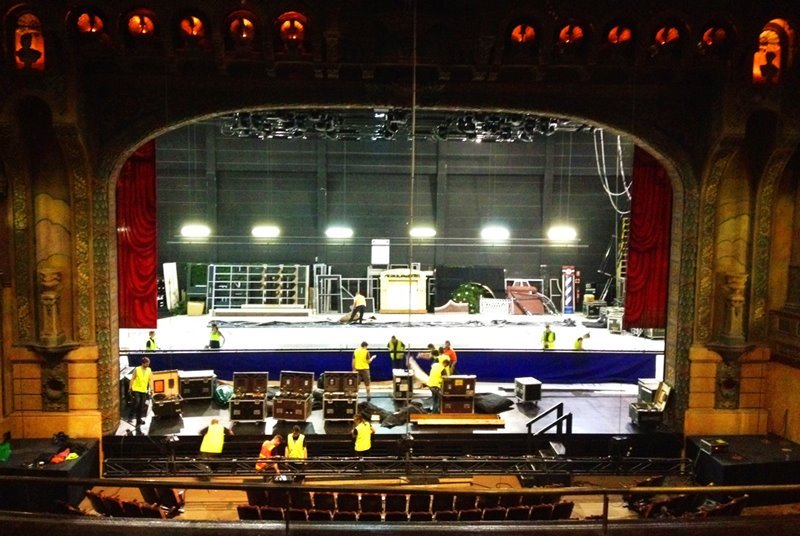
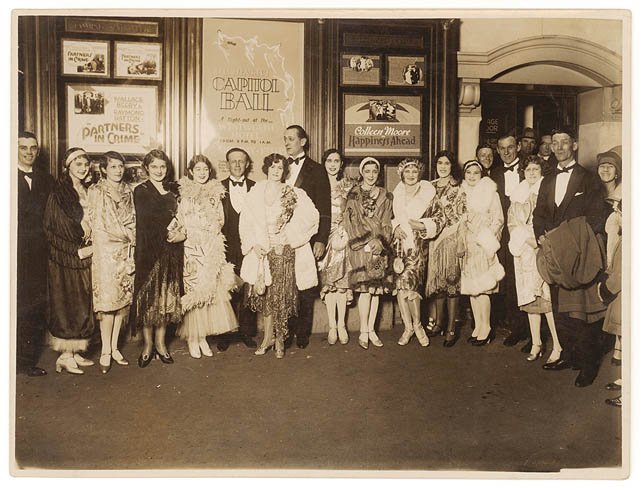
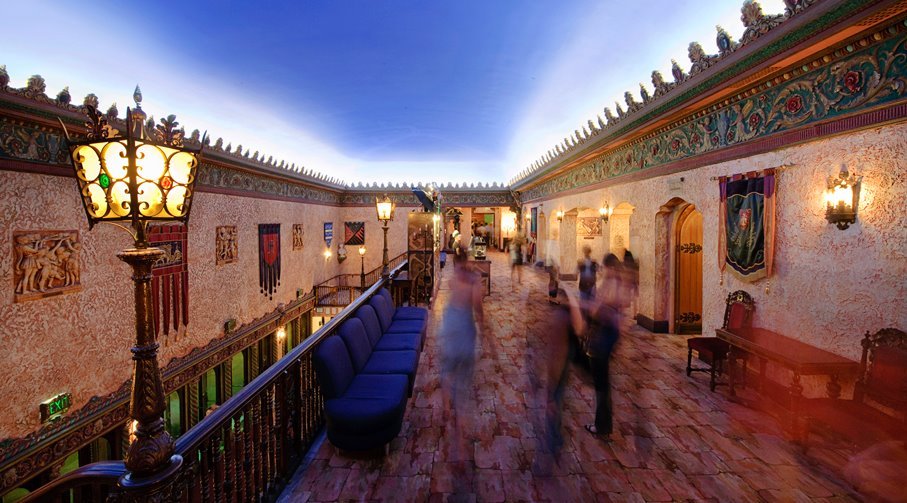
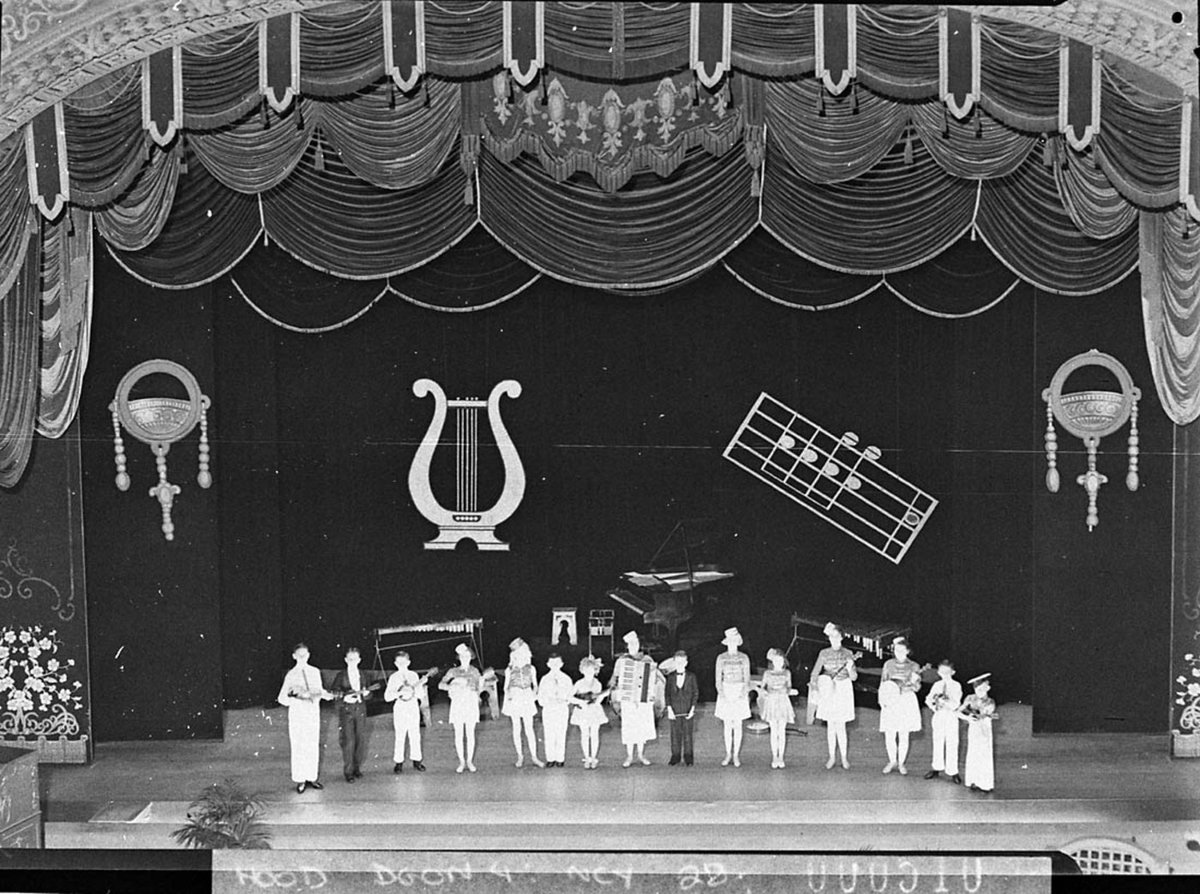
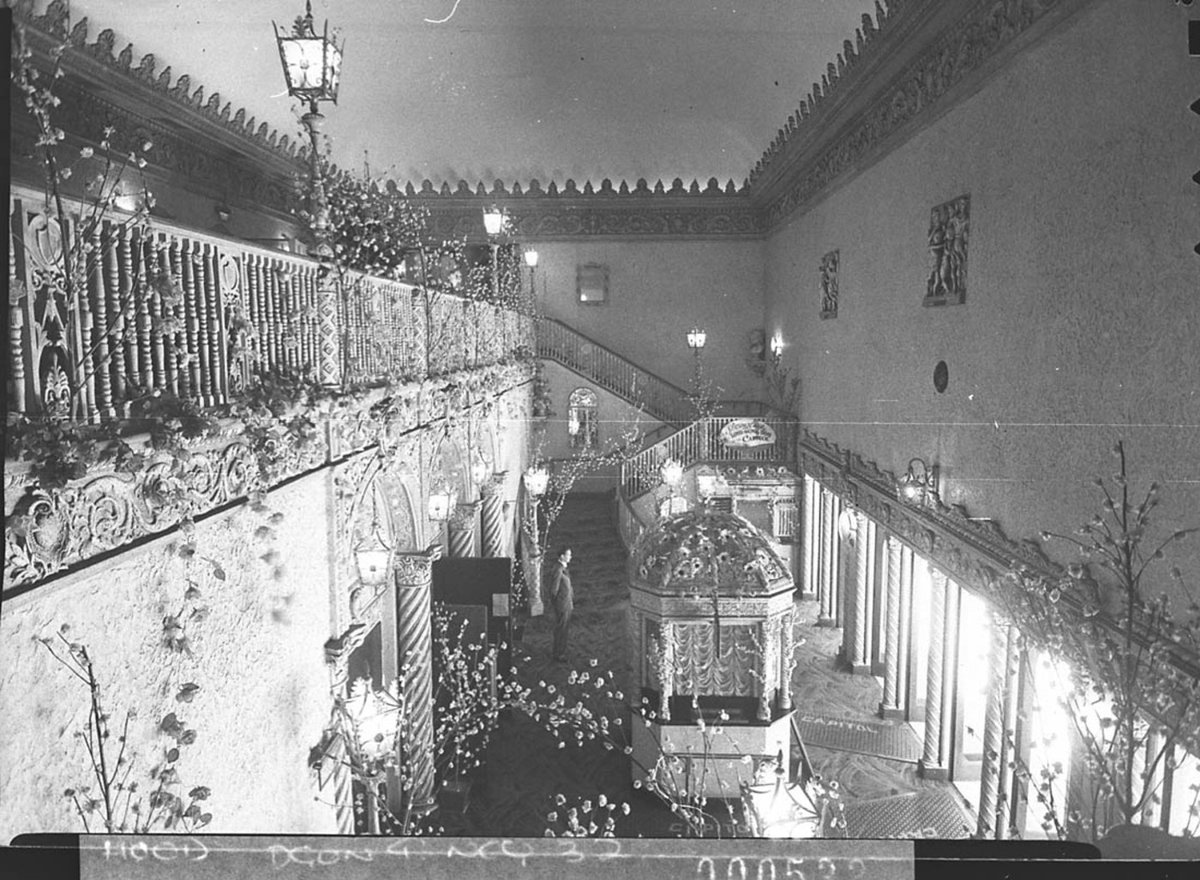
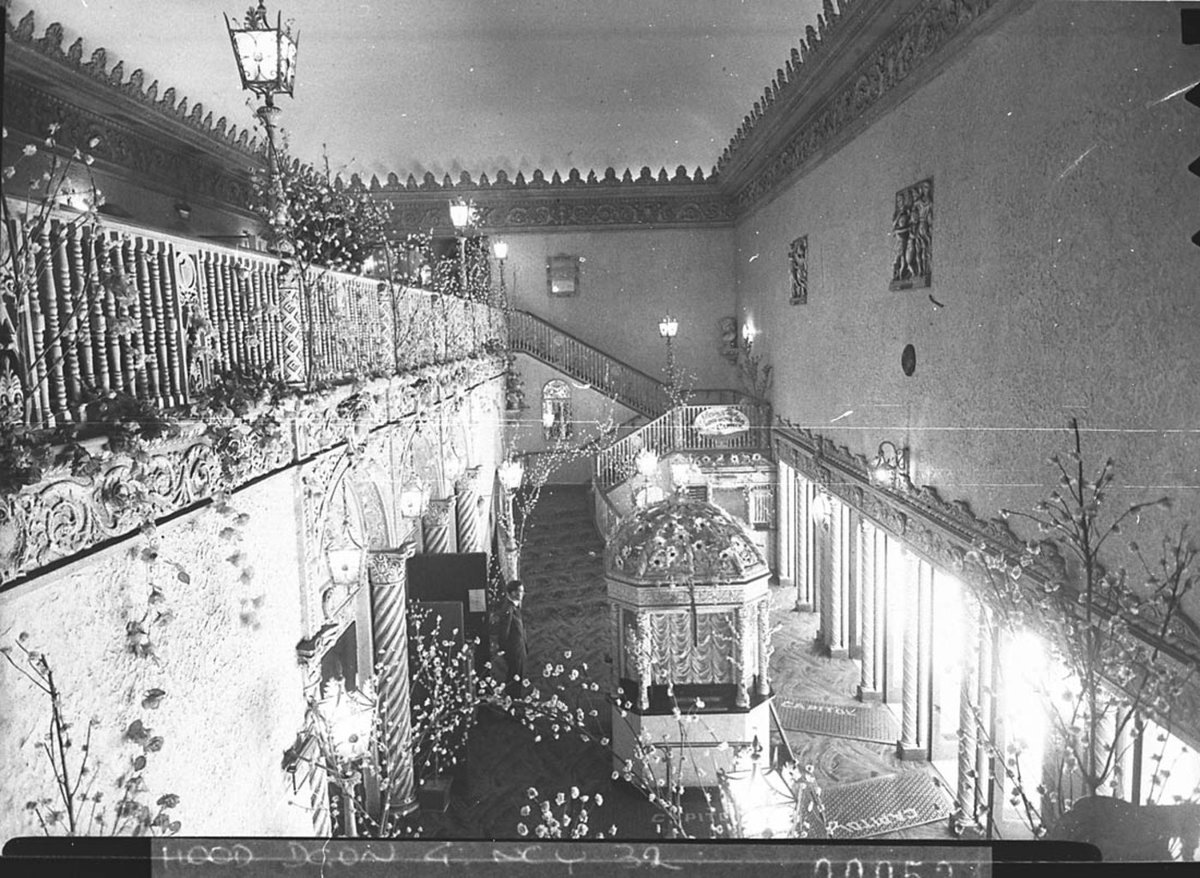
By the mid-1920s, the Hippodrome’s popularity faded, prompting a dramatic conversion into the Capitol Theatre—Australia’s first atmospheric theatre—between 1926 and 1928. The transformation, led by architect Henry Eli White with American John Eberson’s influence, introduced an immersive Mediterranean courtyard interior, with a domed blue ceiling, twinkling stars, and ornate plasterwork (Dictionary of Sydney; CinemaTreasures).
Atmospheric theatres were designed to whisk audiences away to exotic, open-air settings. The Capitol’s decorative tapestries, classical statues, and illusionistic ceiling created a magical escape, lauded as “bewildering and a little overwhelming” by contemporary reviewers (Eventfinda).
Decline, Preservation, and Restoration (1930s–1996)
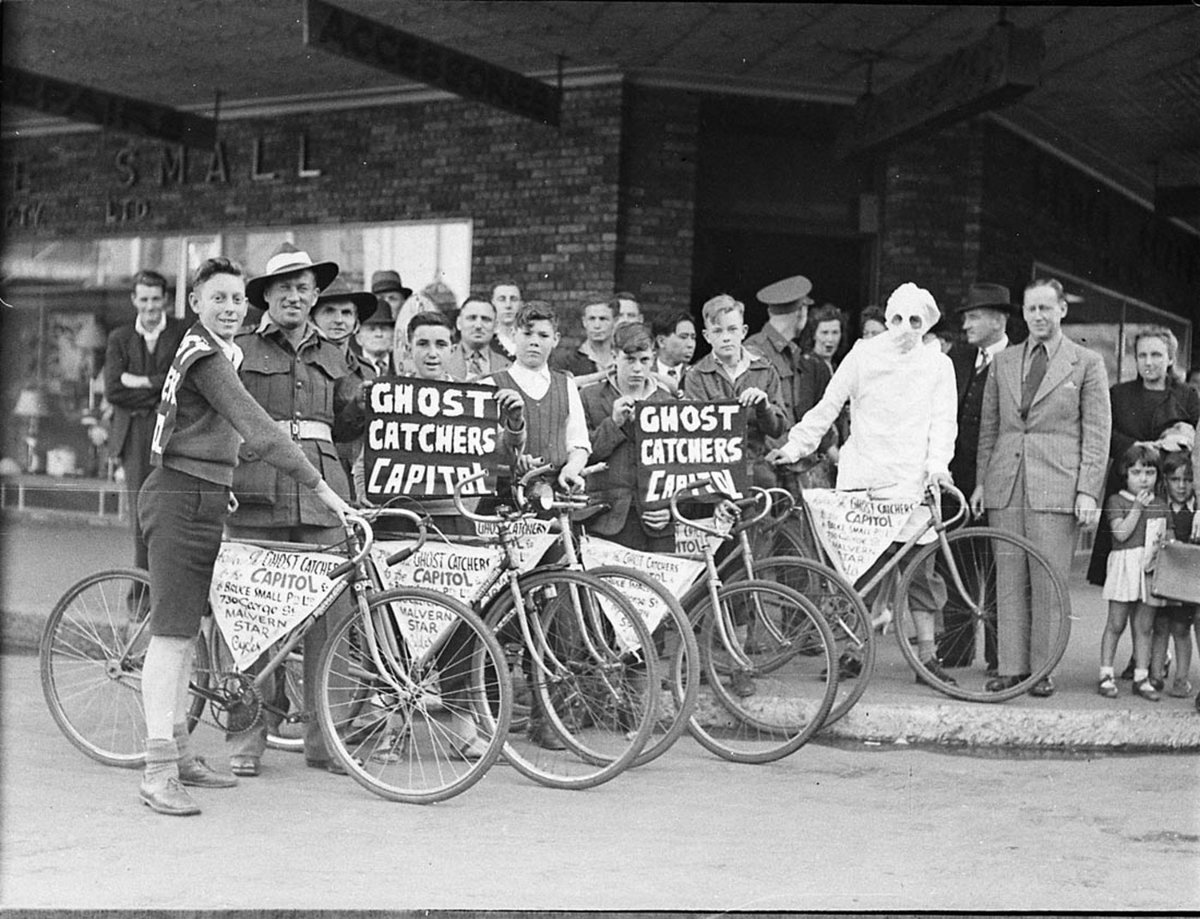
The Great Depression and changing entertainment trends led to periods of closure and decline. By the 1970s, the Capitol faced several demolition threats, but a 1979 Heritage Council conservation order and subsequent state heritage listing in 1999 ensured its survival (City of Sydney Archives; Wikipedia).
A meticulous two-year, $30 million restoration in the 1990s revitalized the theatre. The project expanded the orchestra pit, built new technical facilities, restored original atmospheric finishes, and introduced a modern foyer, culminating in a triumphant reopening in 1996 with “Miss Saigon” (Capitol Theatre official history; Foundation Theatres).
Architectural Features
Exterior
The Capitol’s facade retains its original Victorian market character, with 36 arches adorned with fruit and foliage motifs and solid brickwork—a tangible reminder of its commercial origins (TourbyTransit).
Interior
- Auditorium The 2,000+ seat space is a classic atmospheric theatre, blending illusionistic Mediterranean courtyard elements—balconies, columns, and a starlit sky ceiling (CinemaTreasures; TourbyTransit).
- Stage & Orchestra Pit The expanded pit accommodates up to 110 musicians, while the 30-metre high, 37-metre wide stage supports large-scale productions (Rydges).
- Backstage Features remnants from the Hippodrome era, including preserved animal tunnels and the hidden Seal Pit.
Visitor Information
Visiting Hours
- Box Office Generally open 10:00 AM–6:00 PM (Mon–Sat), 11:00 AM–4:00 PM (Sun). During performance days, doors open 45 minutes prior to showtime. Always check the official website for current hours.
Tickets & Booking
- Online Tickets can be purchased via the Capitol Theatre website or authorized partners.
- At the Box Office Available for collection and last-minute purchases before performances.
- Prices Vary by show, seat, and time. Major musicals typically start from AUD $70–$99 (Ellaslist).
Accessibility
- Fully wheelchair accessible, with step-free entry, accessible restrooms, and designated seating.
- Assistance for mobility, hearing, and visual impairments; hearing devices and companion seating available (TheatreHaus).
- Assistance animals welcome.
Getting There
- Address 3-15 Campbell Street, Haymarket.
- Transport A short walk from Central Station and adjacent to the Capitol Square light rail stop. Numerous bus routes and nearby parking (limited) available (Sydney.com).
Guided Tours & Special Events
- Guided heritage tours are occasionally offered. These provide behind-the-scenes access and insights into the theatre’s history and architecture. Check the official website for schedules.
Nearby Attractions
- Chinatown Sydney Renowned Asian dining and cultural experiences.
- Paddy’s Markets Souvenirs and local specialties.
- Powerhouse Museum Science, technology, and design exhibitions.
- Surry Hills & Belmore Park Trendy bars, restaurants, and green spaces.
Frequently Asked Questions (FAQ)
What are the Capitol Theatre visiting hours?
Box office: 10:00 AM–6:00 PM (Mon–Sat), 11:00 AM–4:00 PM (Sun). Doors open ~45 minutes before shows. Performance times vary—check the website.
How do I buy tickets?
Book online at the official website, via authorized partners, or at the box office.
Is the theatre accessible?
Yes. Wheelchair access, accessible seating, restrooms, hearing assistance, and companion seating are provided.
Are guided tours available?
Yes, periodically. Check the official website for upcoming tour dates.
What are nearby attractions?
Chinatown, Paddy’s Markets, Darling Harbour, and the Powerhouse Museum are all within walking distance.