Sydney’s location and character
Sydney, the capital of New South Wales, sits on Australia’s southeastern coast at 33.8688° South, 151.2093° East. Its coastal position facing the Tasman Sea and location along the Pacific Ocean have shaped its climate, development, and multicultural identity. Sydney’s harbor and location have also attracted global trade and migration, contributing to its diverse culture and economy (Australia Travel Hub; Britannica; LatLong.net; SGP Journal).
Sydney is approximately 878 km northeast of Melbourne and 2,400 km from Perth. It is served by Sydney Kingsford Smith International Airport (SYD), one of the busiest airports in the Southern Hemisphere. Sydney is home to over 5 million residents from 200+ nationalities, and its inhabitants speak over 250 languages. It contributes 70% of NSW’s economic output and ranks among the world’s top global cities (Explore City Life).
Geography and climate
Sydney has a large natural harbor with dramatic bays and sandstone cliffs, as well as beaches such as Bondi and Manly. The Blue Mountains lie inland and offer opportunities for hiking and adventure.
Sydney has a temperate climate, with warm summers of 26–30°C (79–86°F) and mild winters that rarely fall below 8°C (46°F). Rainfall occurs throughout the year, peaking between March and June.
| Feature | Detail |
|---|---|
| Latitude | 33.8688° South |
| Longitude | 151.2093° East |
| Time zone | AEST (UTC+10), AEDT (UTC+11 in summer) |
| Elevation | 3–58 meters (10–190 feet) |
| Coastal features | Sydney Harbour, beaches, Pacific Ocean |
| Nearby landmarks | Blue Mountains, Royal National Park |
| Airport coordinates | 33.9399° S, 151.1753° E |
History
Sydney’s land has been home to Aboriginal Australians for over 45,000 years. The Darug, Dharawal, and Eora peoples, especially the Gadigal clan, are the region’s traditional custodians. Sydney Harbour National Park preserves rock engravings and important Aboriginal sites accessible by guided trails. Dual place names and public art honor Sydney’s Aboriginal and multicultural heritage.
European history began with the British First Fleet’s arrival in 1788. The Rocks, Sydney’s oldest precinct, and buildings such as Cadmans Cottage reveal the city’s colonial past.
Sydney Harbour was fortified from the early 1800s, and military remains can still be seen in Sydney Harbour National Park. The 19th and 20th centuries brought rapid urban growth. The Sydney Harbour Bridge opened in 1932, and the Sydney Opera House opened in 1973. These landmarks reflect Sydney’s development from its Aboriginal roots and colonial history to its contemporary status as a global metropolis (Sydney Opera House; BridgeClimb).
What to see
Sydney Opera House
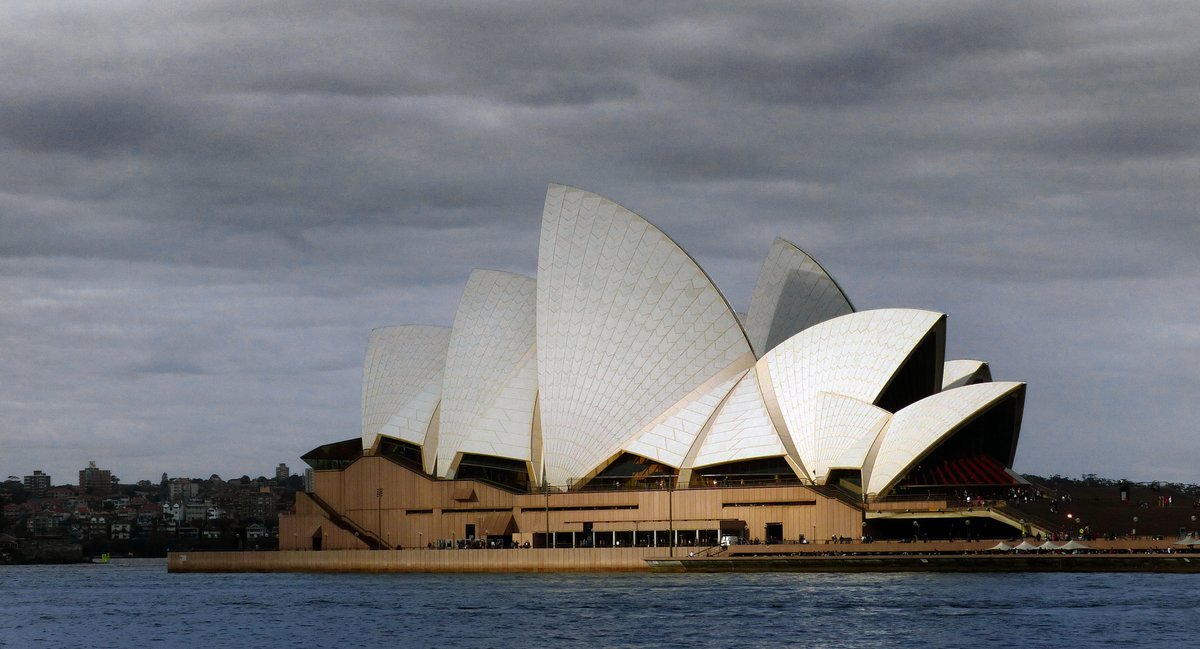
A UNESCO World Heritage site and architectural icon, the Sydney Opera House offers guided tours daily from 9 AM to 5 PM. Standard tour prices start at AUD 42, and premium backstage experiences are also available. Tickets are required for tours and events; they can be bought online or on-site. Advance booking is recommended (Sydney Opera House).
Sydney Harbour Bridge
Known as “The Coathanger,” the bridge connects Sydney’s central business district and the North Shore. It is an engineering landmark and cultural icon, and it hosts major celebrations such as the New Year’s Eve fireworks.
Pedestrians and cyclists can use the bridge 24/7 for free. Visitors can also join the guided BridgeClimb summit experience or visit the Pylon Lookout for history and views. BridgeClimb tickets start at AUD 174; hours and prices vary (BridgeClimb). The Pylon Lookout is open 9:30 AM–5 PM and costs approximately AUD 15.
The Rocks
The Rocks is Sydney’s oldest precinct, with cobblestone lanes, markets, historic pubs, and buildings such as Cadmans Cottage. The Rocks Discovery Museum is free and open daily from 10 AM to 5 PM. Some areas have uneven terrain.
Hyde Park Barracks Museum
The museum explores convict-era history. It is open Tuesday–Sunday, 10 AM–5 PM, and adult tickets cost around AUD 15.
Sydney Harbour National Park
The park contains Aboriginal sites and military remains. It is open from 7 AM to sunset, with no entry fee.
Practical visiting information
Transport and tickets
Sydney’s public transport includes trains, buses, ferries, and light rail. Most attractions are accessible by public transport, and ferries offer a scenic way to cross the harbor. An Opal card can be used for public transport payments.
Tickets for major attractions can be bought online or at visitor centers. Guided walking tours, harbor cruises, and cultural experiences are widely available (Visit Sydney).
Visiting hours and accessibility
| Site | Visiting hours | Ticket information |
|---|---|---|
| The Rocks Discovery Museum | 10 AM–5 PM daily | Free admission |
| Sydney Opera House | 9 AM–5 PM; hours vary | Tickets required for tours and events |
| Sydney Harbour National Park | 7 AM–sunset | Free entry |
Sydney’s attractions and transit are largely wheelchair accessible, and major sites offer accessibility support. The bridge paths and Pylon Lookout are wheelchair accessible, while BridgeClimb may not be suitable for all health or mobility levels. Check specific facilities and outdoor terrain with individual venues before visiting, and book assistance in advance where needed.
Events and visitor tips
Sydney’s annual events include the New Year’s Eve fireworks, Vivid Sydney, an annual light and art event held in May–June, and Sculpture by the Sea. Harbor cruises and walking tours are available year-round and focus on history, wildlife, and local cuisine.
The busiest period at attractions is 10 AM–4 PM, so arriving early or booking ahead can help avoid crowds. For the Sydney Harbour Bridge, visitors can also go early or late for the views. Comfortable shoes are useful, and guided tours can provide additional context. Public transport is recommended for getting around; bridge parking is limited. Wear comfortable clothes for BridgeClimb and book early.
Sydney is safe, but stay aware of belongings. Tipping is appreciated but not required. Suggested visiting periods include spring (September–November) and autumn (March–May), while another recommendation is September–March.
Nearby places
- Blue Mountains Dramatic natural landscapes for day trips, hiking, and adventure.
- Royal National Park Hiking and nature tours.
- Hunter Valley A wine region near Sydney, with wine tours.
- Bondi and Manly Beaches Known for their surf culture.
- Sydney Tower Eye
- Royal Botanic Garden
- The Rocks
- Sydney Opera House
- Circular Quay
Frequently asked questions
When is the best time to visit Sydney?
Spring (September–November) and autumn (March–May) offer the best weather and lighter crowds. September–March is another suggested period.
How do I get around Sydney?
Use trains, buses, ferries, and light rail. An Opal card streamlines payments.
Are major attractions wheelchair accessible?
Most major attractions offer accessibility, but facilities vary. Check individual websites and outdoor terrain in advance.
How do I buy tickets for major attractions?
Tickets are available online or at visitor centers. Opera House tickets can be bought online at the Sydney Opera House website or on-site.
Are guided tours available?
Yes. Guided tours are available for many major historical sites, and guided walking tours, harbor cruises, and cultural experiences are widely offered.
Can I take photos at historical sites?
Generally, yes; confirm on-site whether any restrictions apply.
What is the minimum age for BridgeClimb?
The minimum age is 8 years old.
Can I bring a camera on BridgeClimb?
Guides provide cameras; personal items must be secured.
Is parking available at the Sydney Harbour Bridge?
Parking is limited; public transport is recommended.