
1. The GPO’s Historical Evolution
Early Postal Services and the Need for a Landmark
Sydney’s formal postal service began in 1809, with Isaac Nichols managing mail distribution from his George Street home. Rapid population and communication growth soon necessitated a purpose-built post office. By the 1830s, mail volumes had surged, and the original facilities were no longer adequate (Australia Post History).
Architectural Triumph: Design and Construction
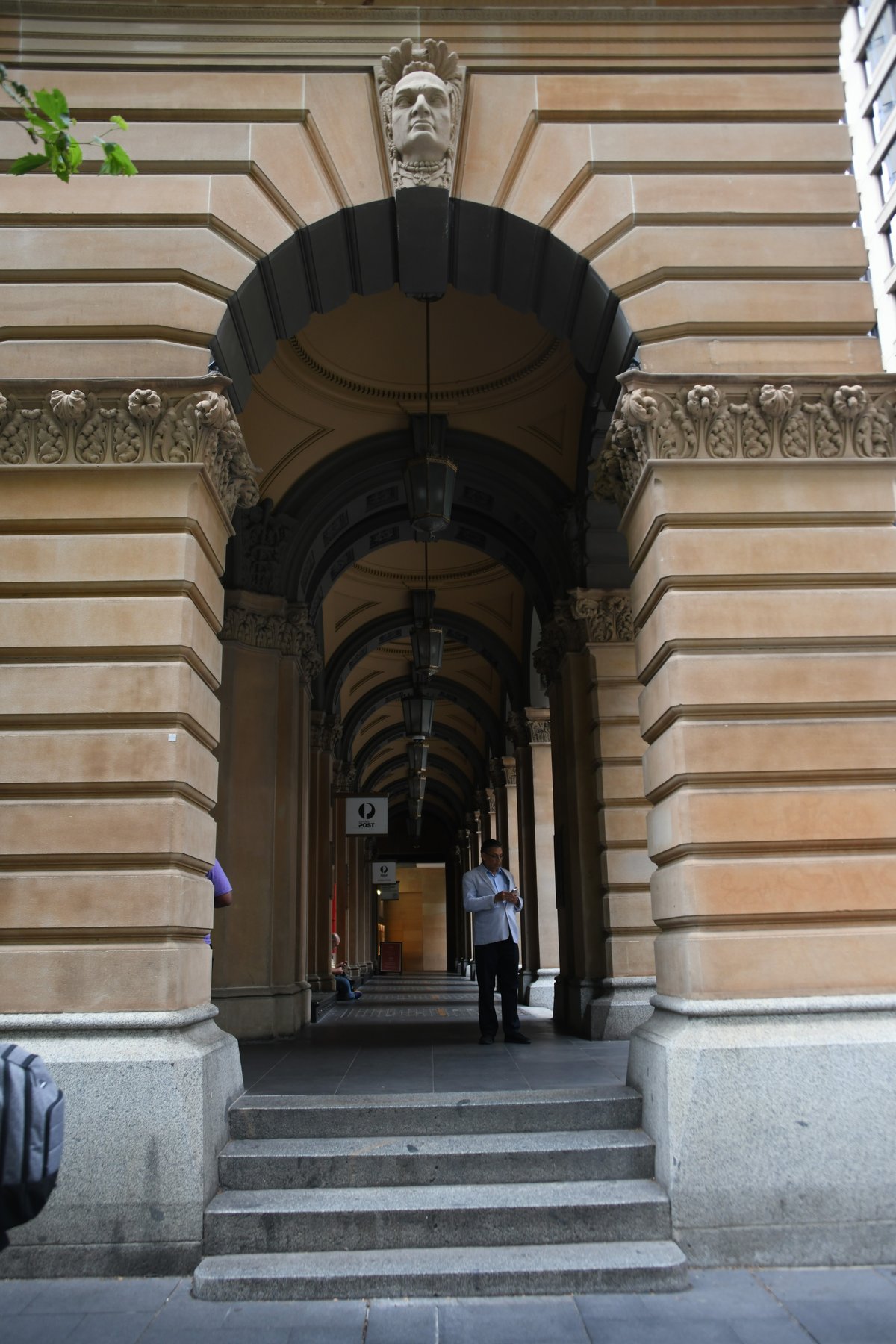
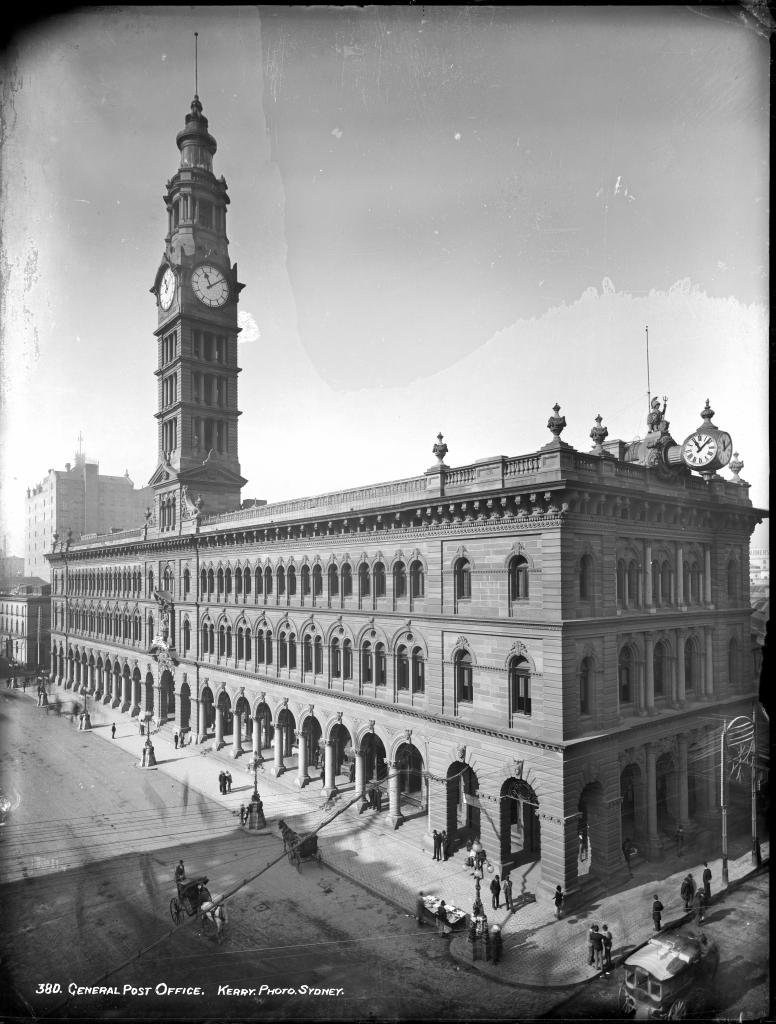
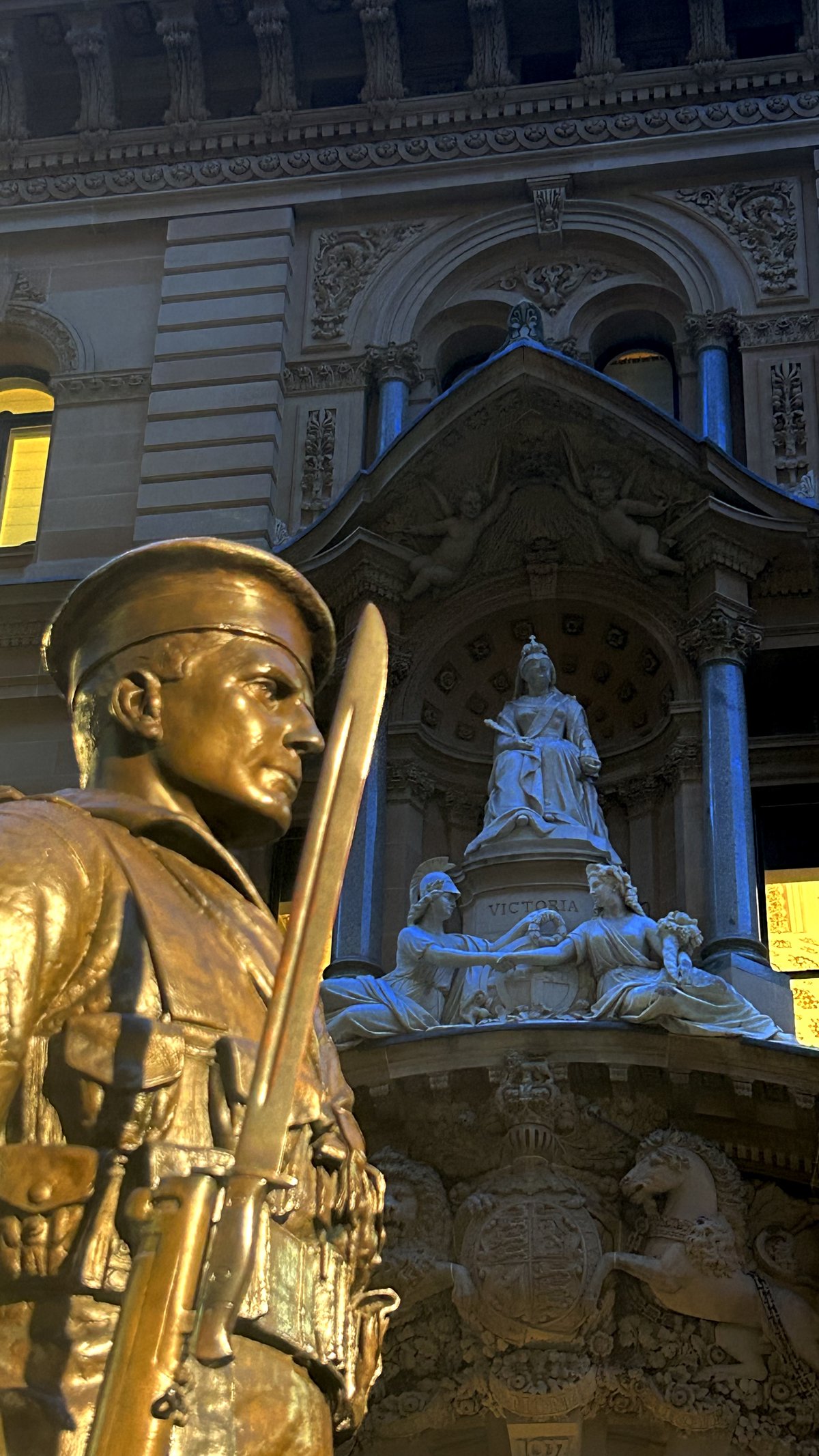
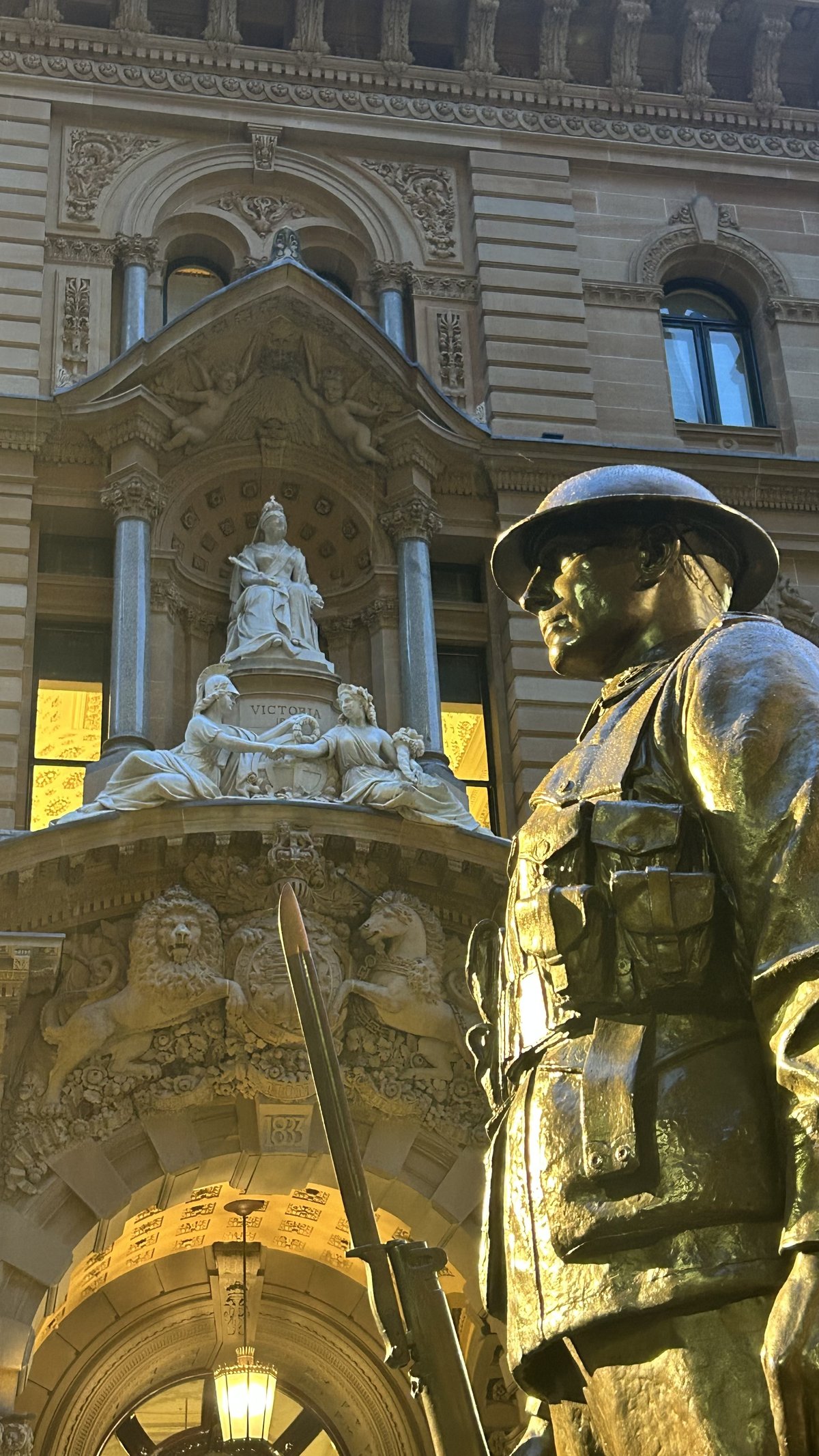
Commissioned to reflect Sydney’s aspirations, the GPO was constructed in two phases (1866–1874 and 1883–1892) under James Barnet’s guidance. The building, crafted mainly from Pyrmont sandstone with Moruya granite foundations, drew inspiration from Italian Renaissance palazzi. Its sculptural George Street façade, featuring allegorical carvings by Tomaso Sani, and the renowned 210-foot clock tower, established the GPO as a city landmark (Dictionary of Sydney; Wikipedia; CityDays).
Pivotal Role in Communication and Urban Development
The GPO was the city’s communications hub, integrating postal, telegraph, and later telephone services. Its central position at Martin Place helped shape Sydney’s business district, contributing to the creation and evolution of Martin Place as a ceremonial and civic axis (City of Sydney Archives). The building also played a role in major historical events, such as hosting the headquarters for the Postmaster-General’s Department following Federation and serving as a gathering site for public commemorations.
2. Architectural Grandeur and Features
Victorian Italian Renaissance Style
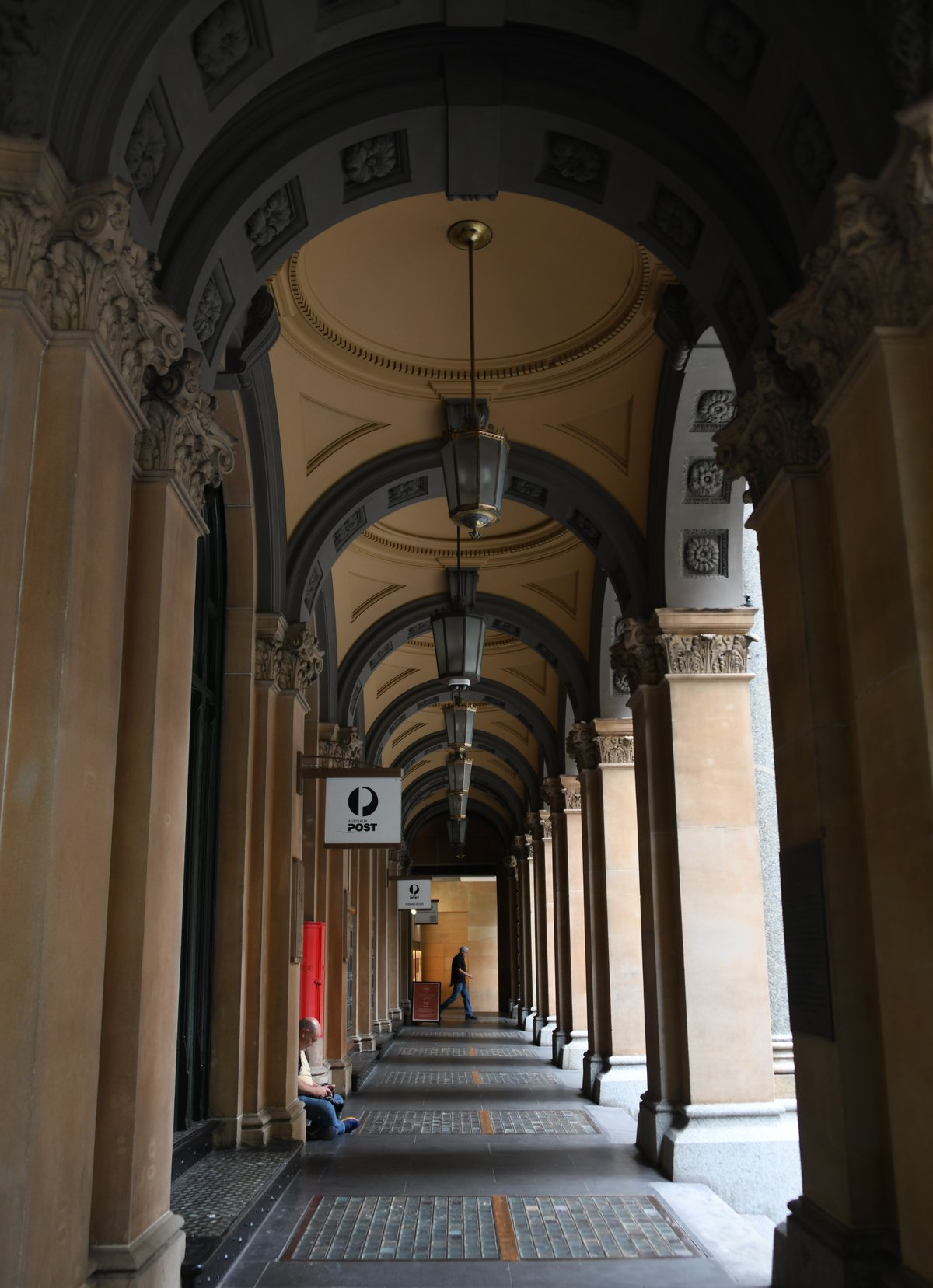
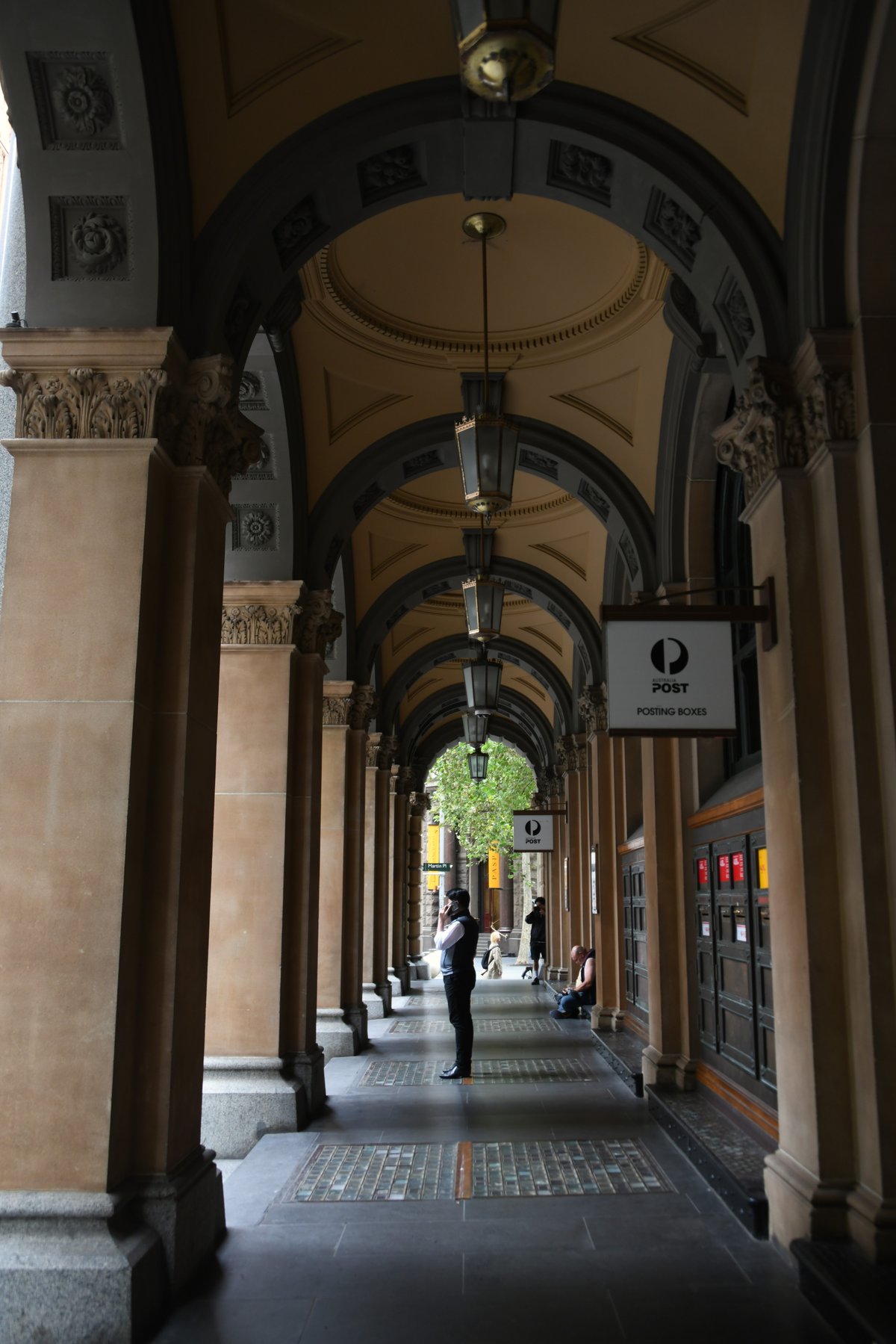
Barnet’s vision produced a symmetrical, richly detailed structure with arched colonnades and vast interiors. The use of Pyrmont sandstone imparts a golden glow, while granite columns and marble floors add to the sense of permanence and prestige (Wikipedia; CityDays).
Key Features:
- Colonnaded arcades Create a rhythmic, open frontage along Martin Place.
- Clock tower A city icon, originally installed in 1891 and restored in 1964, now electrically driven.
- Sculptural details Allegories of communication and progress, with realistic depictions of colonial life.
- Atrium/courtyard Now a vibrant hub for retail and hospitality.
Restoration and Heritage Protection
The GPO’s architectural integrity has been safeguarded through careful restoration, including a major, chemical-free exterior clean in 2019. The building is listed on both the Commonwealth Heritage List and the NSW State Heritage Register (Wikipedia; CityDays).
3. Visiting the Sydney General Post Office
Visiting Hours and Entry
- Public areas Open Monday to Saturday, 9:00 AM–5:00 PM. Some retail and dining venues operate extended hours; check individual businesses for details.
- Sundays/Public Holidays Generally closed; confirm with specific venues if visiting during these times.
- Guided Heritage Tours Free tours are available Tuesday to Saturday, 11:45 AM–1:15 PM (90 minutes). Advance booking is essential (City of Sydney Heritage Tour; Fullerton Hotels).
Tickets
- General admission Free for public areas and retail.
- Heritage tours Free, but bookings required via the Fullerton Hotel Sydney website or concierge (Feel Free Travel).
Accessibility
- Wheelchair accessible Ramps, elevators, and accessible restrooms throughout.
- Transport links Steps from Martin Place train station, major bus routes, and light rail. Limited parking nearby; public transport is recommended.
4. Visitor Experience and Amenities
Guided Heritage Tours
- Content Explore the building’s history, design, and civic role. Tours include interiors and public spaces but not the clock tower.
- Languages English (check for other languages).
- Meeting point Fullerton Hotel Sydney concierge desk.
- Accessibility Most areas are accessible; some heritage sections may have limitations.
Retail, Dining, and Hotel
- Dining GPO Grand precinct offers diverse restaurants, bars, and cafes in heritage settings.
- Shopping Boutique stores and specialty shops in the arcade.
- Accommodation Fullerton Hotel Sydney occupies upper floors, with heritage suites and event spaces.
Events and Public Spaces
- Martin Place Hosts seasonal festivals, markets, art installations, and major city celebrations.
- Photography Allowed in public areas (restrictions may apply for flash/tripods or private functions).
Nearby Attractions
- Queen Victoria Building Iconic shopping and architectural site.
- Museum of Sydney Explores the city’s colonial past.
- St Mary’s Cathedral, The Rocks, Sydney Opera House All easily accessible by foot or transit (Nomadic Matt; Feel Free Travel).
5. Cultural Significance and Community Engagement
- Civic heart The GPO remains a gathering point for commemorations and celebrations, referenced in the phrase “meet me under the clock.”
- Heritage and modernity Adaptive reuse ensures the building’s survival and relevance, blending its rich past with contemporary culture (Fullerton Hotels).
- Indigenous acknowledgement The site stands on Cadigal land of the Eora Nation, with recognition included in interpretative materials (CityDays).
6. Practical Visitor Tips
- Best time to visit Late afternoon or evening for illumination and lively atmosphere; weekdays for business bustle, weekends for quieter exploration.
- Dress code Casual for public areas; smart-casual for upscale dining.
- Restrooms and amenities Available throughout the precinct.
- Safety Well-patrolled and secure during business hours.
- Photography Welcome in most areas; check with guides or staff for specific restrictions.
7. Frequently Asked Questions (FAQs)
Q: What are the Sydney GPO visiting hours?
A: Public areas are open Monday to Saturday, 9:00 AM–5:00 PM; heritage tours run Tuesday to Saturday, 11:45 AM–1:15 PM.
Q: Is there an entry fee?
A: General access is free; heritage tours require free booking.
Q: Are guided tours available?
A: Yes, through the Fullerton Hotel Sydney. Book in advance.
Q: Is the GPO accessible?
A: Yes, with ramps, elevators, and accessible restrooms.
Q: Can I visit the clock tower?
A: No, the clock tower is not open to the public for safety and preservation.
Q: Are photos allowed?
A: Yes, in public and tour areas; check for restrictions.
Q: What are the best nearby attractions?
A: Queen Victoria Building, The Rocks, St Mary’s Cathedral, Sydney Opera House, and Martin Place.