Place
Australia Updated Apr 2026
The first time you hear the ferry horn echo between the Opera House shells at dusk, you realise Sydney never decided what it wanted to be. One moment you're watching yachts carve through water the colour of polished jade, the next you're smelling Vietnamese herbs drifting from a Surry Hills laneway. This is not the sanitised Australia of postcards. It's a city that wears its contradictions like perfectly cut linen: laid-back yet fiercely ambitious, colonial yet defiantly modern.
 Photo: Federico Abis / Pexels
Built from cited sources · see the method · How we make our guides →
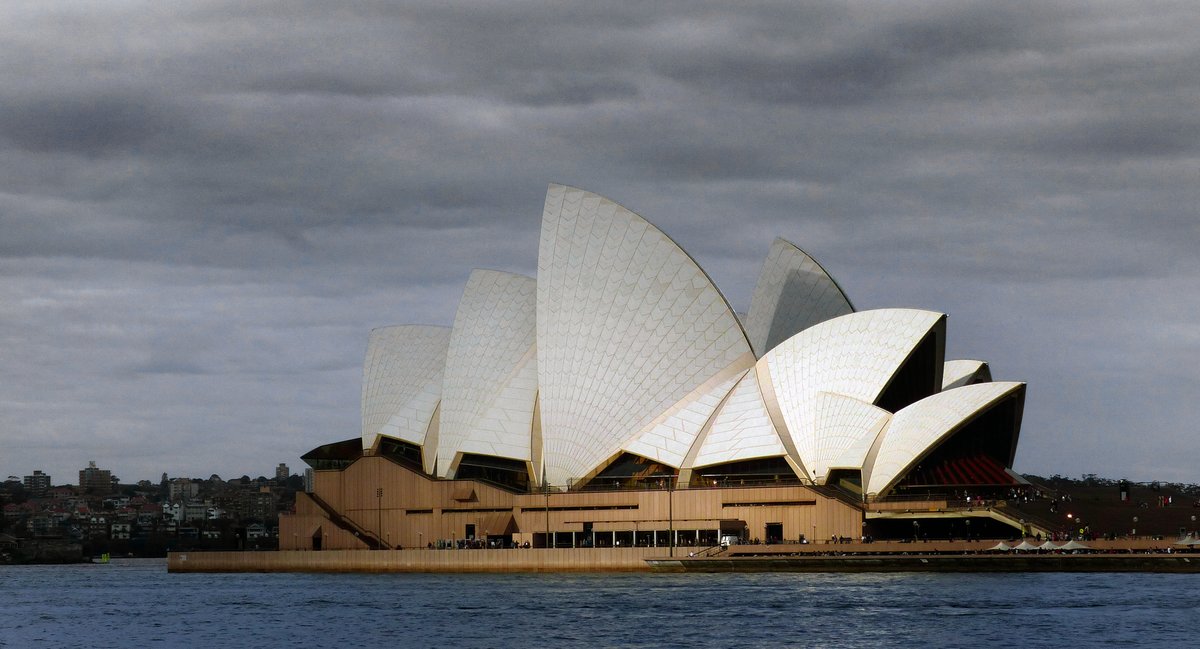
The Opera House, opened in 1973 after costing fourteen times its original budget, still stops people mid-step. Its creator Jørn Utzon had never even visited the site before winning the competition. Stand beneath those concrete sails at golden hour and the light does something that no photograph has ever captured. The same goes for the Harbour Bridge, whose 1920s rivets still creak gently when the temperature drops.
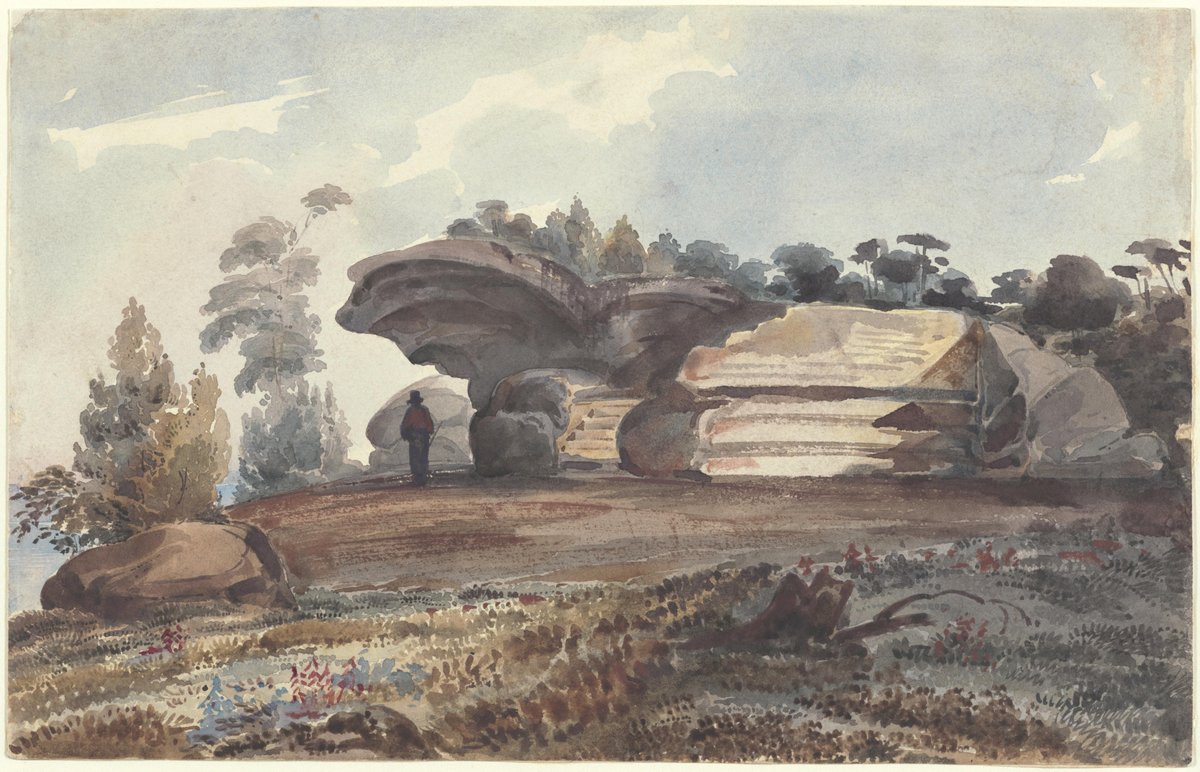
Sydney moves between worlds without missing a beat. You can spend the morning watching Aboriginal rock engravings at Balls Head Reserve, eat ginger brûlée tart from Bourke Street Bakery at eleven, then catch a ferry to Manly where the Pacific proper finally shows its teeth. The city doesn't ask you to choose. It simply offers every version of itself at once.
What changes you is the realisation that the beach isn't an escape from the city here. It's the other half of its nervous system. The same people who argue about architecture over flat whites at Single O will be in the water at Forty Baskets Beach by four, reef-safe sunscreen dutifully applied. That tension between salt water and sophistication is the city's actual rhythm.
Not every monument, just the ones we'd walk you past ourselves.
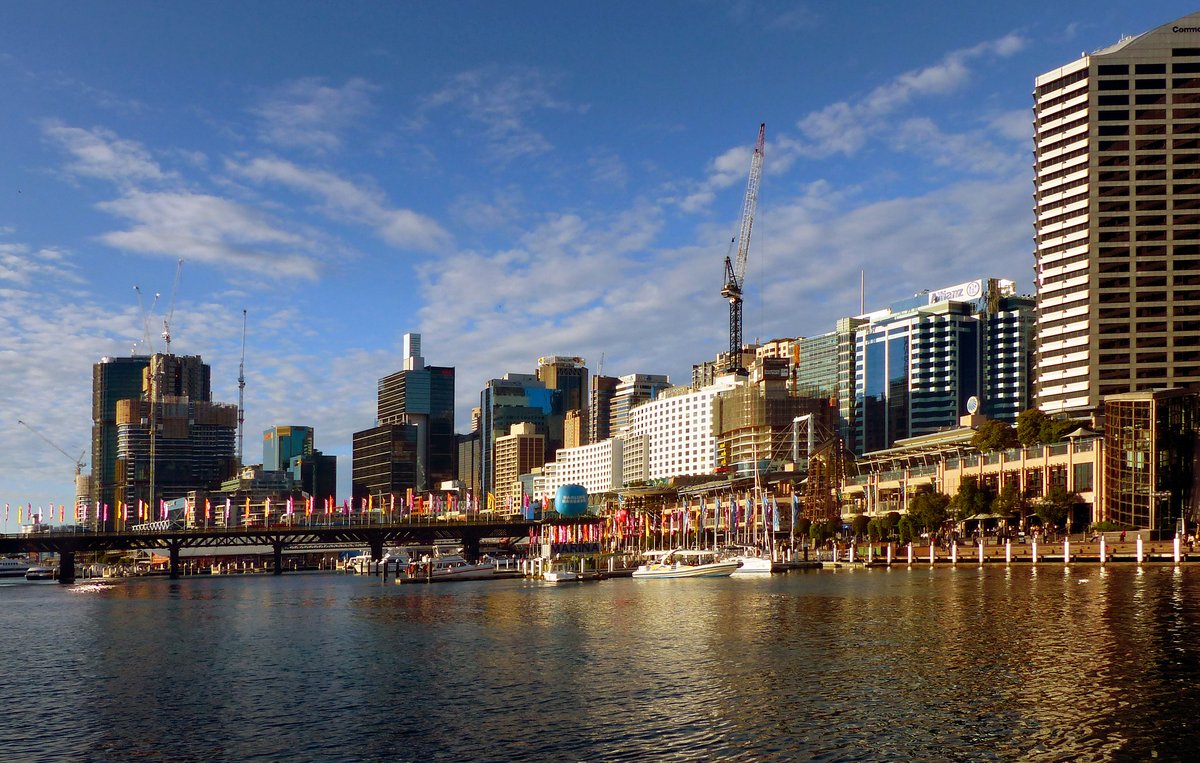
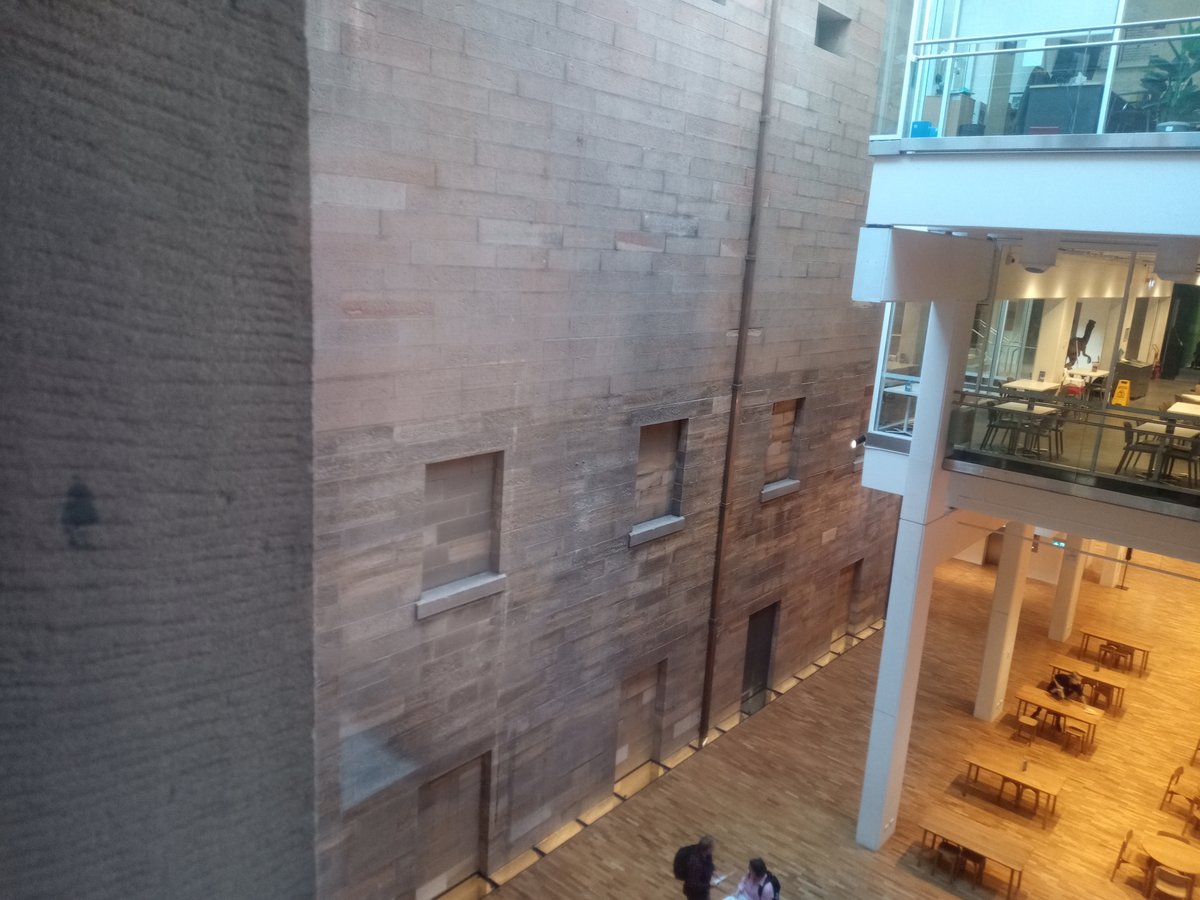
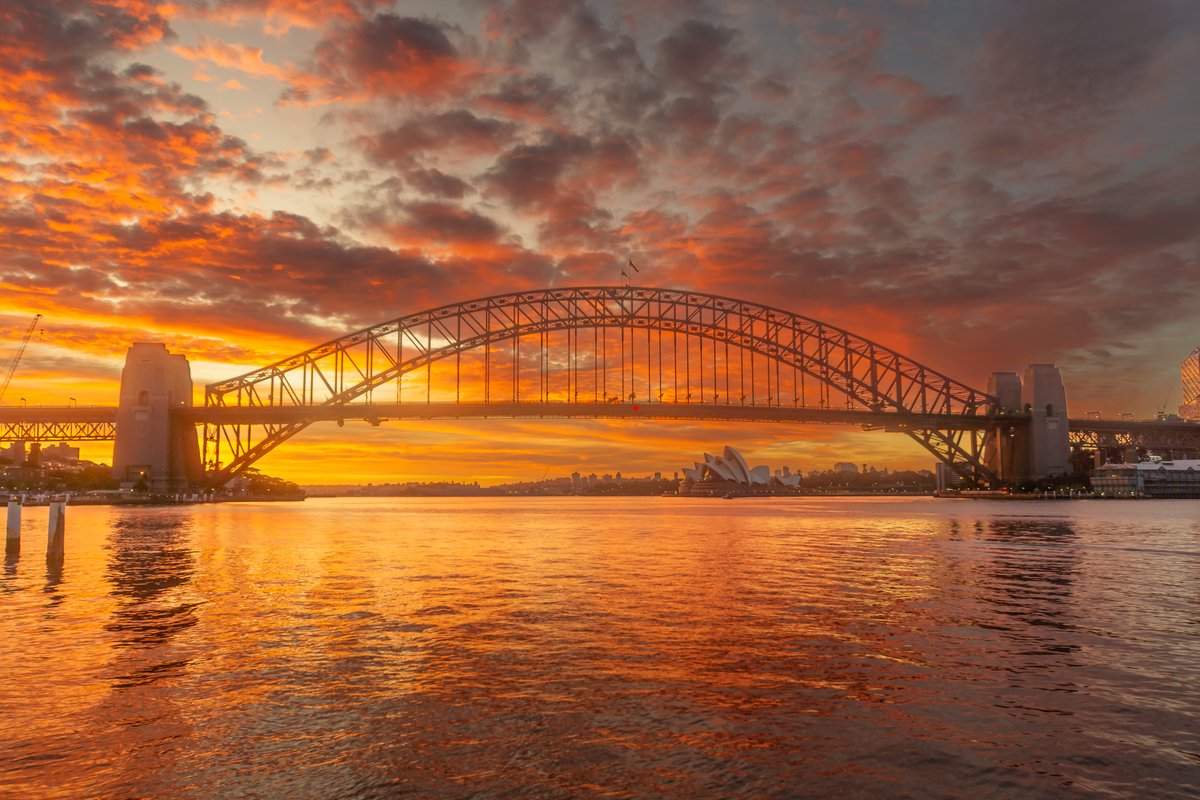
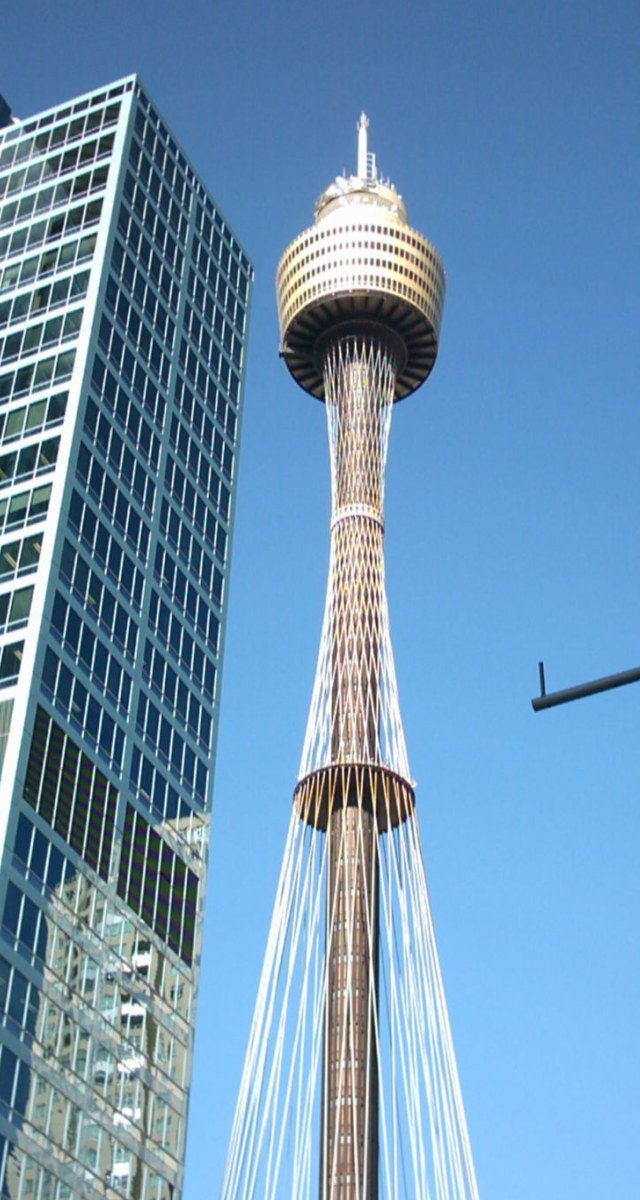
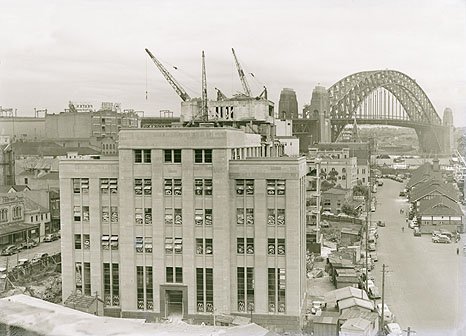
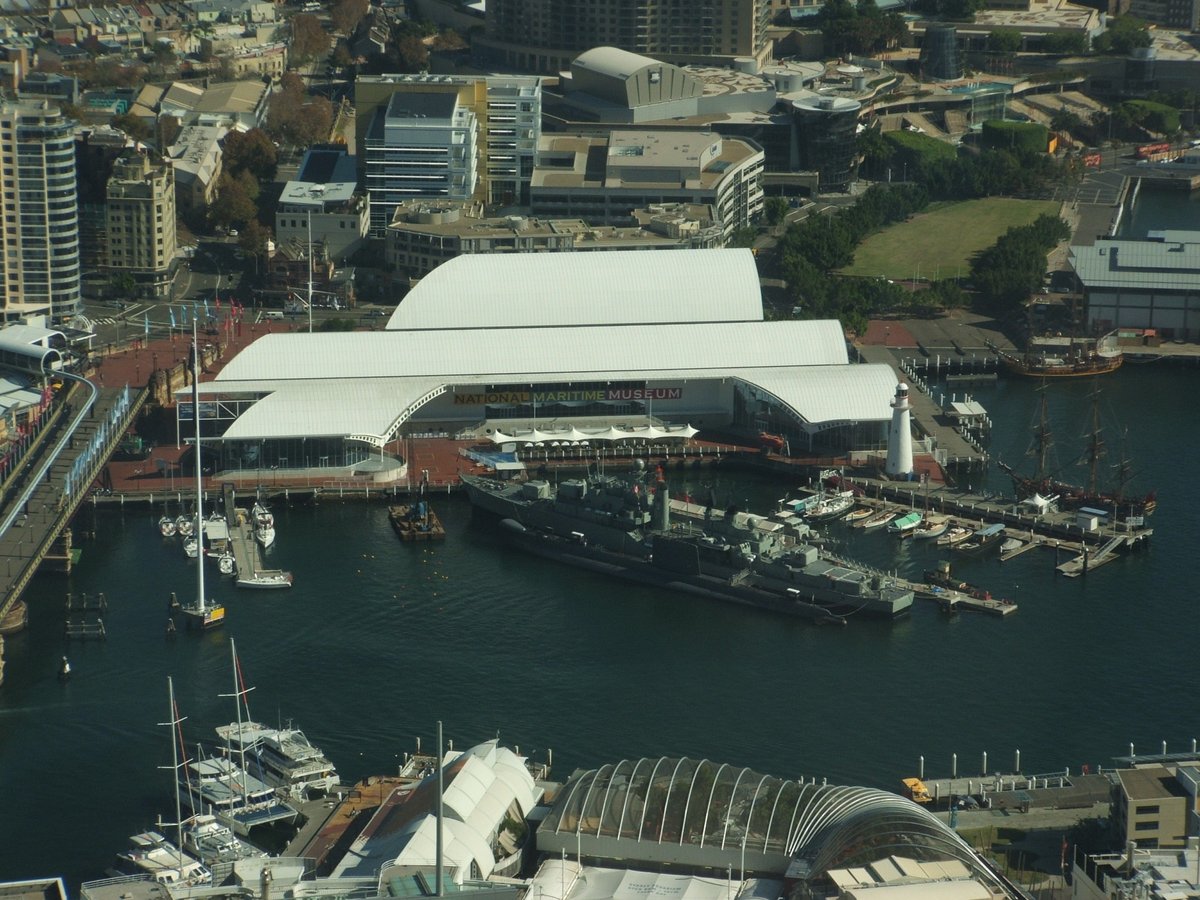
Where to wander, by quarter — each with its own rhythm.
Before you go
Curated from places in this city. Same price as official sites.


Prices shown are indicative — final pricing and availability are confirmed at checkout. Audiala may receive a commission from bookings made via these links.
From Gadigal country to a city that still argues with its harbour
The Gadigal people tended fires along the southern shore of what they called Warrane. Smoke rose from shellfish middens that still surface under building sites today. Their engravings on sandstone shelves have outlasted every empire that followed.
Arthur Phillip's fleet dropped anchor in Warrane on 26 January. The Gadigal watched from the trees as 1,373 people, half of them convicts, stepped into red dust and eucalyptus haze. Within weeks smallpox tore through both worlds.
The first governor walked the coves with notebook in hand, sketching where barracks and gardens might go. He refused to flog every minor offence and tried, mostly in vain, to stop his marines from shooting Gadigal hunters. The city still argues about whether that counts as mercy.
The Scottish governor stepped ashore determined to turn a jail into a town. He laid out streets, built hospitals from sandstone, and gave emancipists land. Convicts still swung from the gallows he erected, yet the street grid he drew remains the skeleton Sydney cannot escape.
Sydney became Australia's first municipality. Former convicts sat on the new council beside officers who had once guarded them. The smell of rum and fresh horse dung still dominated George Street.
Australia's first university opened its sandstone gates in what was still half-bushland. Lectures began while the last convict ships were still unloading at Circular Quay. The city suddenly believed it might amount to something.
Bubonic plague arrived on a steamer from London. Rats spilled from wharves into The Rocks. Dr John Ashburton Thompson quarantined entire streets while terrified residents burned their furniture in back lanes. The death carts rolled at night.
On 1 January the Commonwealth of Australia was declared beneath the fig trees of Centennial Park. Sydney, once a dumping ground for criminals, became the temporary capital of a new nation. Fireworks reflected in the harbour like spilled stars.
The steel arch, tallest in the world when completed, finally linked the two sides of the harbour. A ribbon was cut. Ten thousand people walked across in their Sunday best while seagulls wheeled overhead screaming at the new noise.
Japanese midget submarines slipped through the anti-submarine net on a still autumn night. Torpedoes missed the cruisers but killed civilians sleeping in their beds at Neutral Bay. The harbour's calm surface hid how close the war had come.
An unknown Danish architect sent drawings of white shells that looked like sails or broken eggs. The assessors chose them anyway. Jørn Utzon had never visited the site. The argument over money and ego that followed would last decades.
Queen Elizabeth II stood on the forecourt while the building behind her gleamed like porcelain in the sun. Utzon was not invited. Inside, the concrete ribs still smelled of fresh plaster and unfinished dreams.
In a Balmain terrace still echoing with dockyard horns, Rose Byrne entered the world. The suburb's mix of union grit and harbour light would later seep into every character she played. Sydney has always known how to cast its own.
Michael Hutchence was discovered in a Double Bay hotel room with a belt around his neck. The city that had watched him leap across stages at the Hordern Pavilion suddenly fell quiet. INXS's anthems still drift from ferries on summer nights.
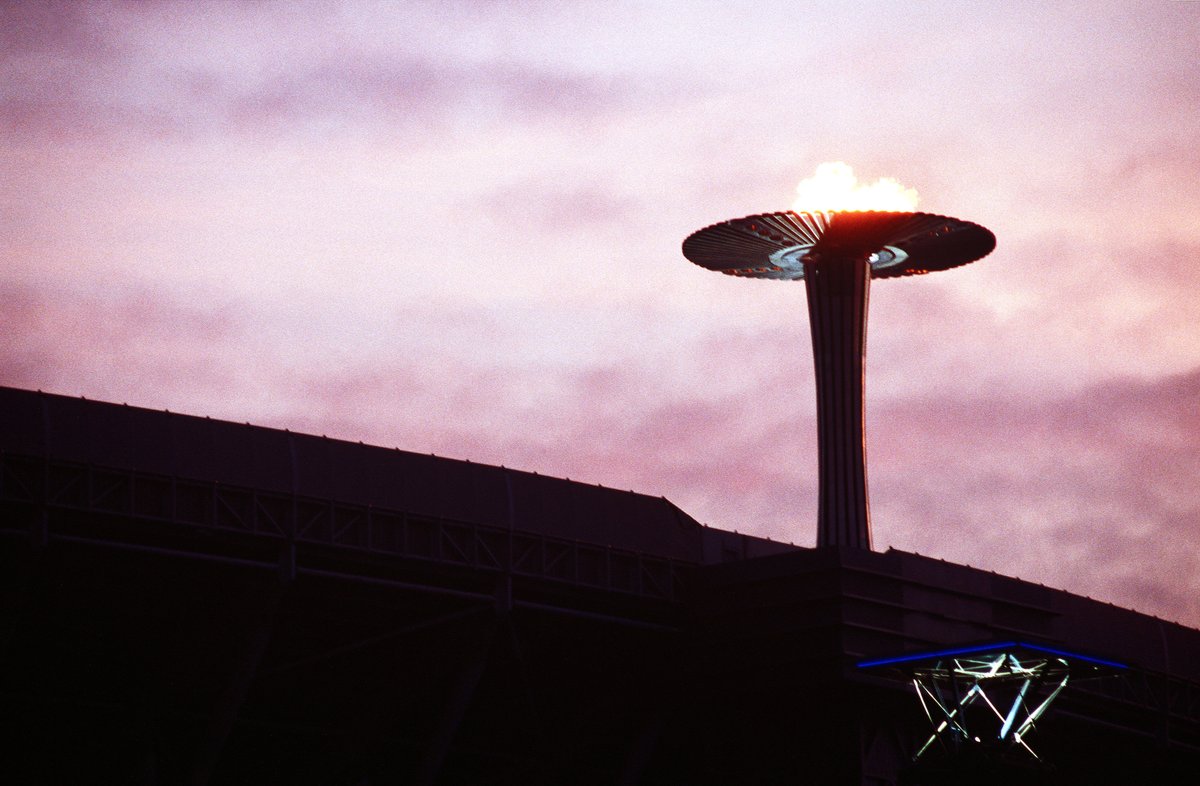
Cathy Freeman's torch ignited the cauldron above Stadium Australia while 110,000 people held their breath. For one night the old convict ghosts seemed to stand beside the Gadigal elders in the stands. The fireworks smelled of gunpowder and hope.
UNESCO declared the building a World Heritage site for its 20th-century engineering genius. The shells that once divided the city now united it in pride. Even the ferry captains sound different when they pass it.
Delegates from 170 countries gathered in the shadow of the Opera House and signed the Promise of Sydney. The harbour that once swallowed convict tears now hosted talks on saving the planet. Irony has always been Sydney's sharpest resident.
The Parramatta Female Factory and its surrounding institutions joined Australia's tentative World Heritage list. Thousands of women once marched there in chains. Their descendants now walk the same ground wearing headphones and takeaway coffee.
Musician · 1960–1997
Born in Sydney, died in Double Bay
The INXS frontman grew up in the northern suburbs and returned to Sydney between world tours. You can still hear his voice echoing through the pubs of the Inner West on any given Friday night. He would probably laugh at how the once-gritty Kings Cross he knew has been turned into upmarket apartments.
Actor · born 1968
Born in Sydney
Before he became Wolverine, Jackman studied at the Western Australian Academy of Performing Arts but always came home to Sydney stages. He still returns to the Opera House for charity galas. The city claims him the way only a place that watched you grow up can.
Artist · 1892–1984
Lived and painted in Sydney
From her Turramurra home she painted the light on Sydney Harbour in a way no one had before. Her brushwork caught the exact moment morning hits the water. Today's ferry commuters still see the same fractured light she captured a century ago.
Actress · born 1979
Born in Balmain, Sydney
The Balmain girl who grew up watching plays at the Opera House now returns for red carpet premieres. She knows the difference between tourist Sydney and the quiet streets where she learned to ride a bike. The city remains proud of its understated export.
Where locals actually book dinner — not the tourist menus.
Small things that change how the city treats you.
The city, as it actually looks.
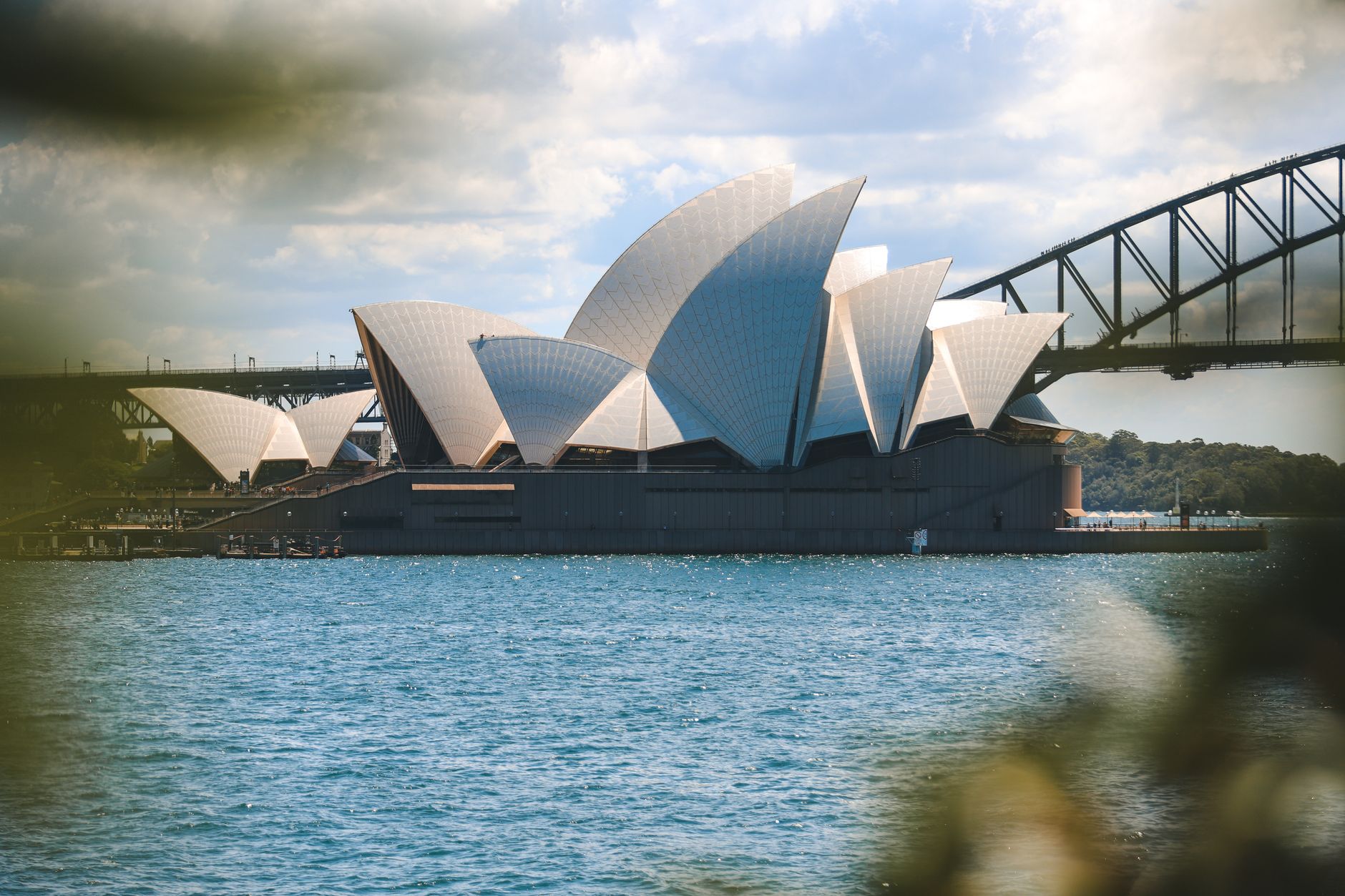
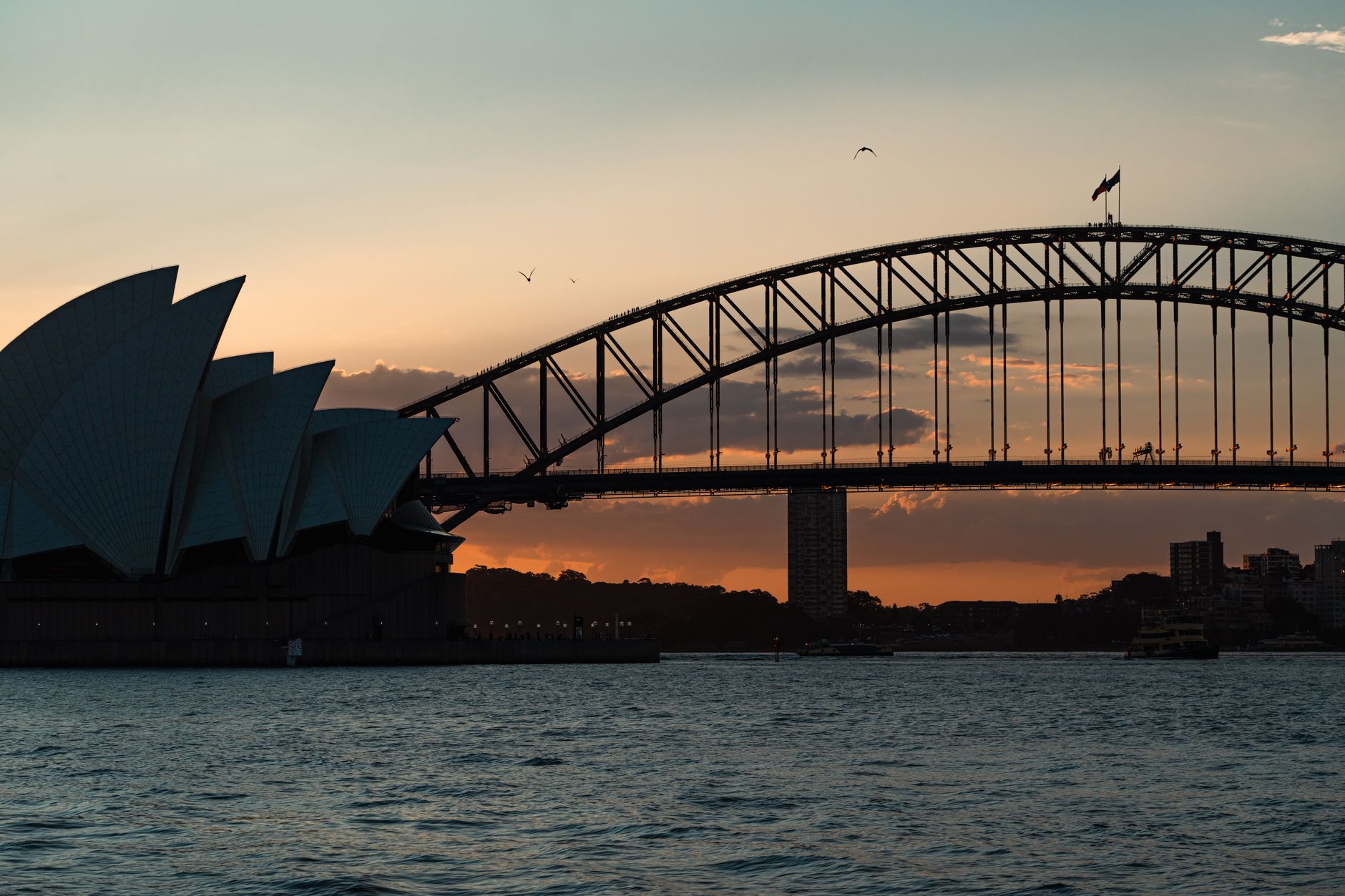


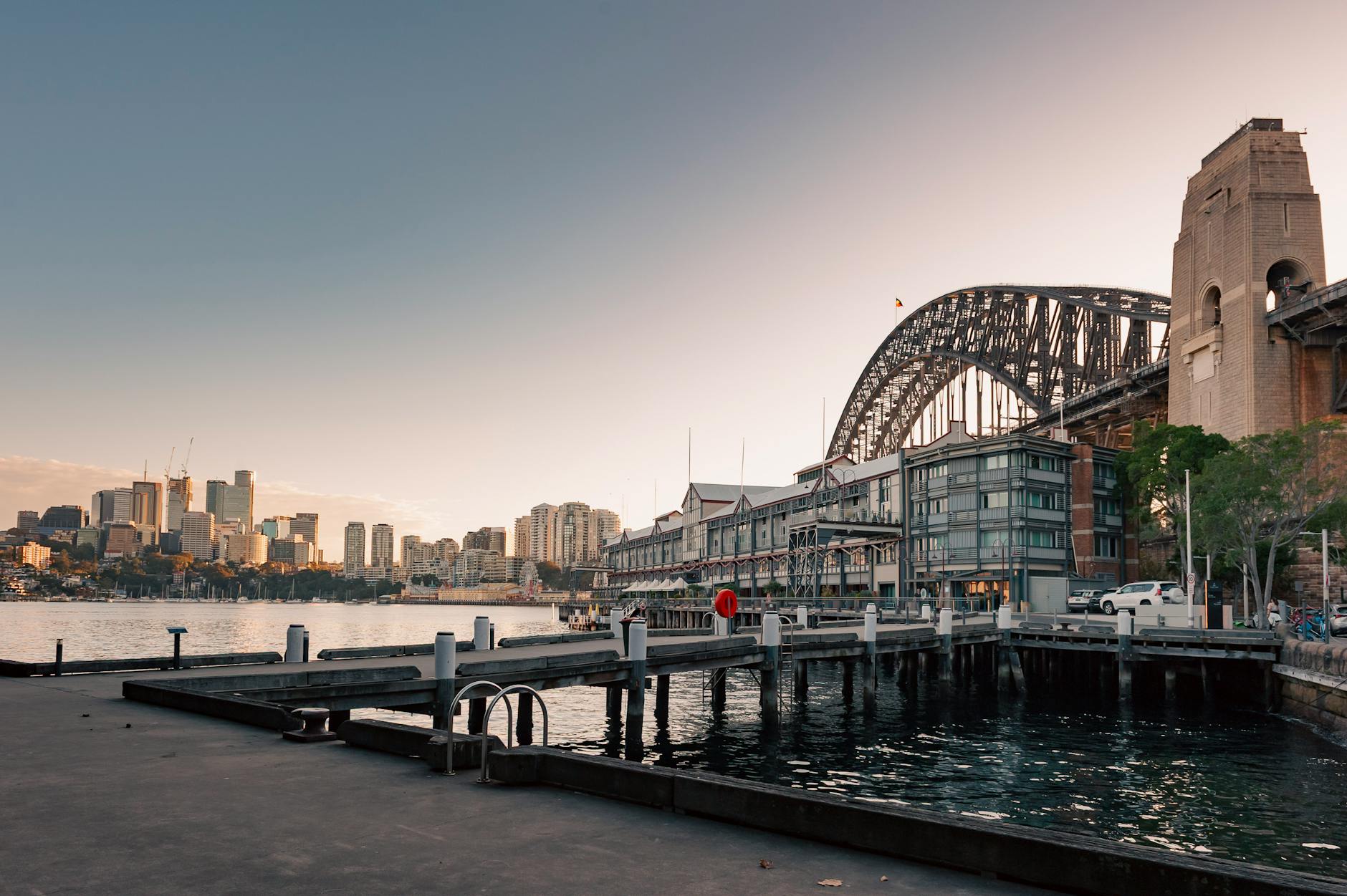
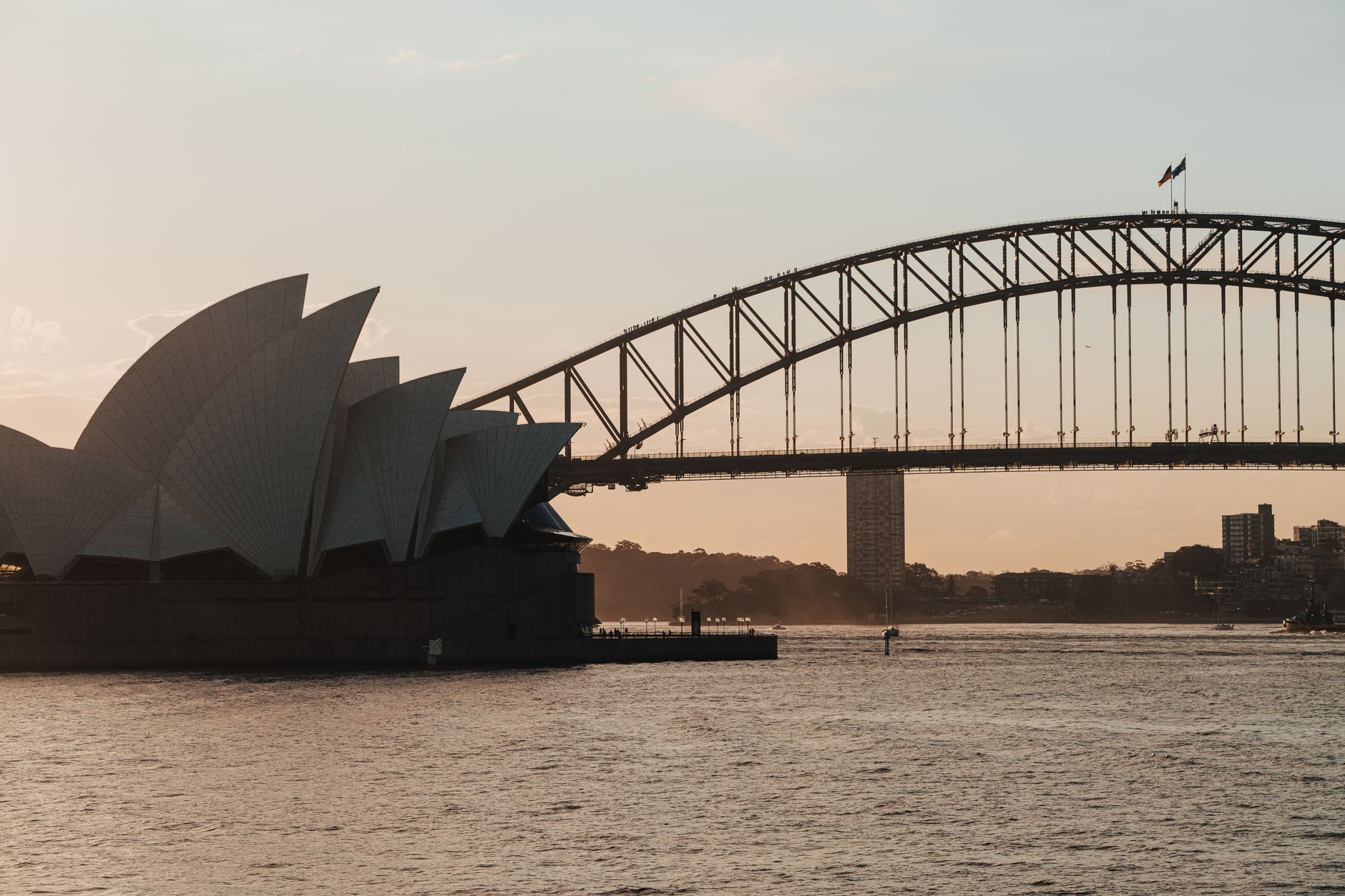
Yes, but only if you like cities where a 20-minute ferry ride drops you on a beach. The Opera House still surprises in person. Its white shells change colour with the light in ways no photo captures. Three days is enough to see the icons; five days lets you discover why locals rarely leave.
Four days works for the must-sees. Add two more if you want the Blue Mountains or Royal National Park. The coastal walk from Bondi to Coogee takes half a day and changes how you see the city. Don't rush the ferry to Manly.
Take the T8 Airport Link train to Central Station. A station access fee applies on top of the normal fare. The 420 bus is cheaper but slower. Contactless cards work for both.
Accommodation and dining match other global cities. Many top experiences cost nothing: coastal walks, the Botanic Garden, and most beaches. Use transport fare caps and visit markets for lunch to keep daily costs reasonable.
Standard big-city precautions apply. Swim only between the flags. UV levels are genuinely dangerous. The city centre and tourist areas have low crime, but don't leave valuables on the beach at Bondi.
Tipping is not expected or required. Australians find the American custom strange. Leave 10% only in high-end restaurants for truly exceptional service. No one will chase you if you don't.
133 places to discover





Showing 1–48 of 133 places
Saved and recently read places — kept on this device only.
Photos may have been resized or cropped.