
Historical Background
Origins and Purpose
The Anzac Memorial’s inception followed the devastation of World War I, as Australians sought to commemorate the more than 60,000 lives lost and honor the broader contributions of all who served (Australian War Memorial). The concept for a permanent Sydney memorial was proposed in the early 1920s, coinciding with the establishment of Anzac Day as a key national day of remembrance.
Design and Construction
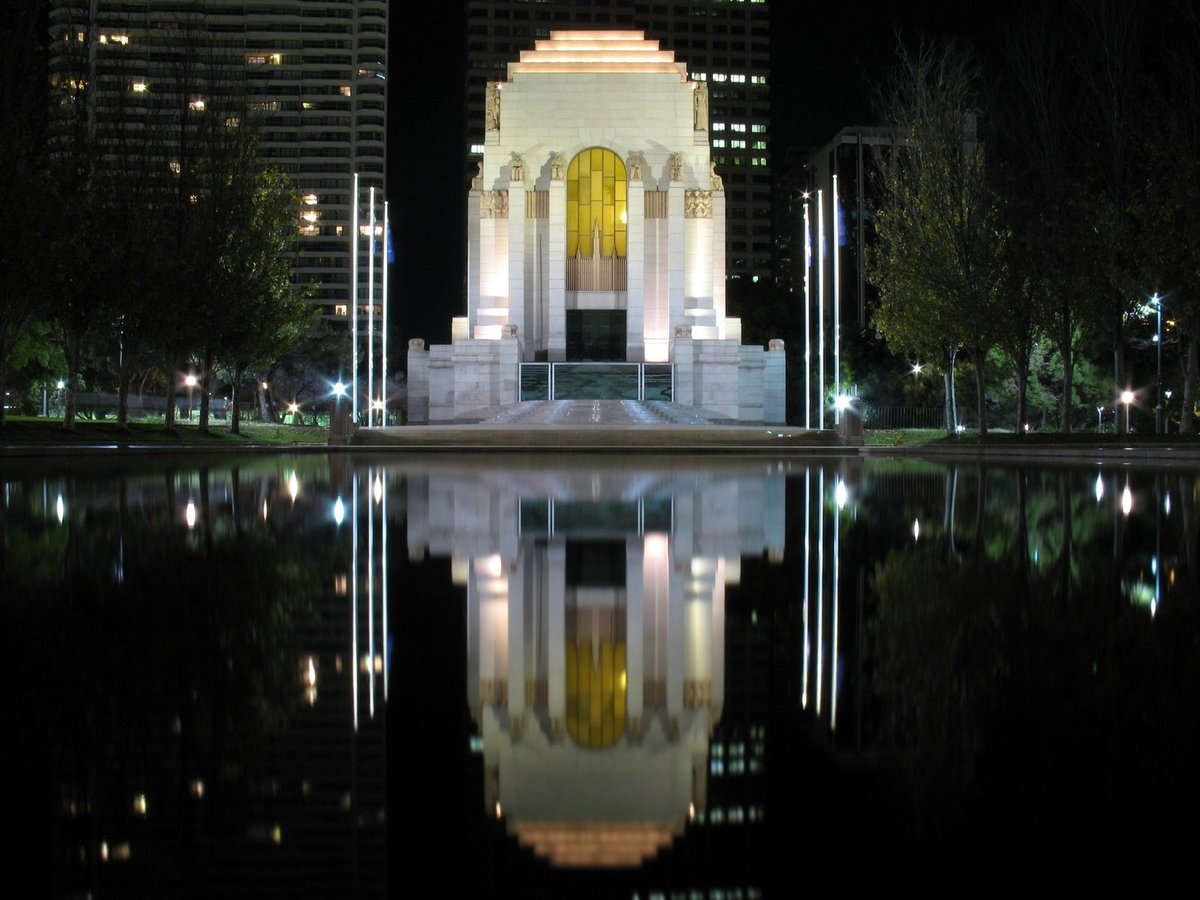
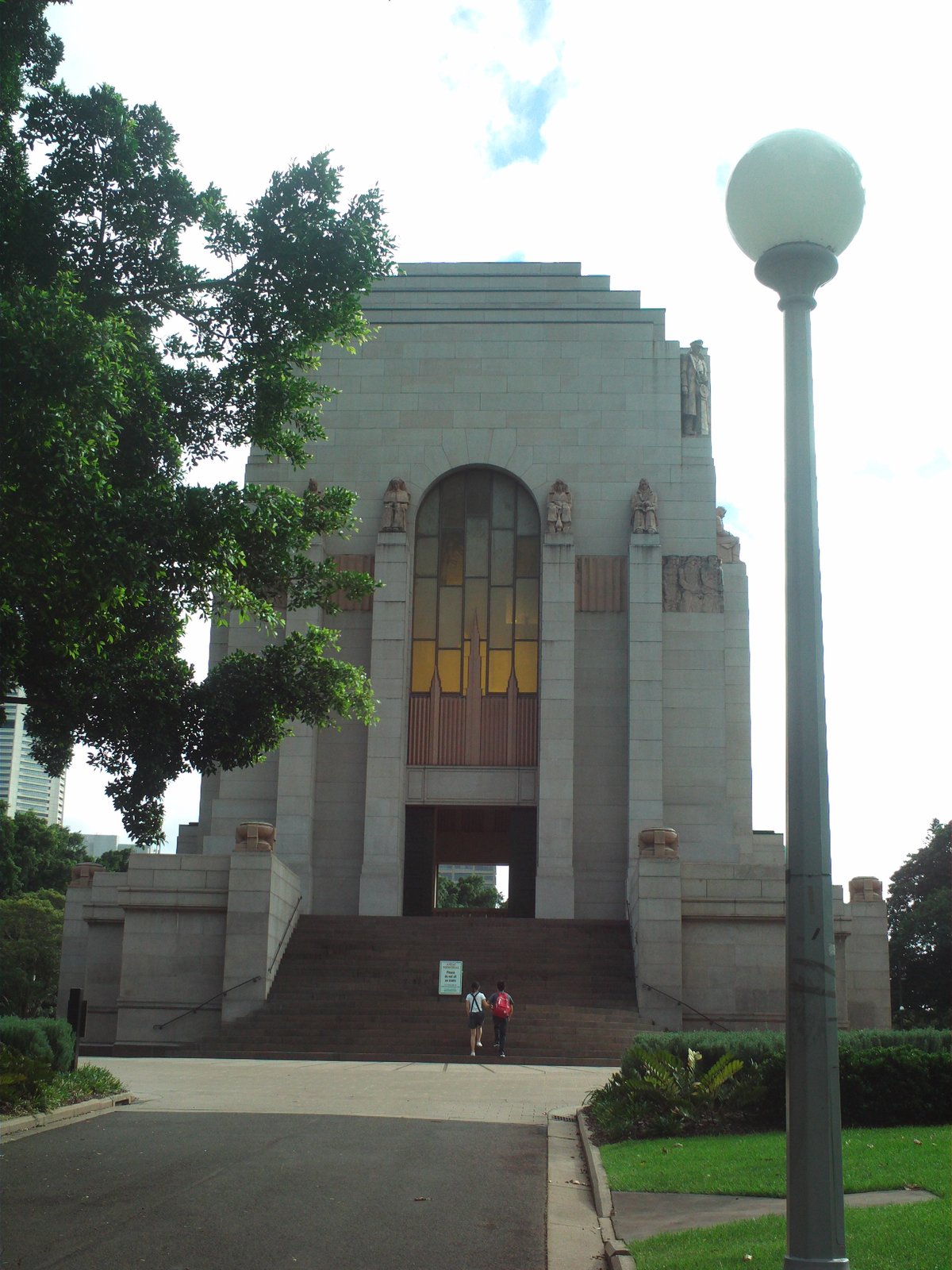
The memorial’s Art Deco design was selected via public competition and completed by architect Charles Bruce Dellit in collaboration with sculptor Rayner Hoff. Its monumental form, geometric lines, and symbolic sculptures convey both the nobility of human spirit and the tragedy of war. Construction began in 1932, providing employment during the Great Depression, and the memorial was officially opened in November 1934 (Anzac Memorial NSW; Wikipedia).
Symbolism and Features
The Hall of Memory is the heart of the memorial, housing Hoff’s iconic “Sacrifice” sculpture—a fallen soldier supported by female figures representing family and community. The ceiling is decorated with 120,000 gold stars, one for each New South Wales service member in WWI. Externally, twenty monumental sculptures represent the Australian Imperial Force units. In 2018, the Centenary Extension added new exhibition spaces, further enhancing its educational and commemorative role (Anzac Memorial NSW).
The Anzac Legend and Commemoration
From the Gallipoli campaign of 1915 emerged the Anzac Legend—an ethos of courage, mateship, and sacrifice that remains central to Australian identity (History Skills). Anzac Day, observed annually on April 25, is marked by dawn services, marches, and ceremonies, with the Anzac Memorial serving as the focal point for Sydney’s commemorations (Secret Sydney).
Visiting the Anzac Memorial
Opening Hours and Admission
- Opening Hours
- Tuesday to Sunday: 10:00 AM – 5:00 PM
- Closed Mondays (except for Anzac Day and special commemorations)
- Closed on Christmas Day and Good Friday (Anzac Memorial visiting hours)
- Admission
- Entry is free. No tickets are required for general admission or for most guided tours.
Accessibility and Facilities
- Location Hyde Park South, 126 Elizabeth Street, Sydney NSW 2000 (Anzac Memorial official site)
- Public Transport
- Easily accessed via Museum and St James train stations; multiple bus routes serve Elizabeth and Liverpool Streets.
- Parking
- Paid parking available nearby; using public transport is recommended.
- Wheelchair Access
- Ramps, lifts, and accessible restrooms throughout; assistance animals welcome.
- Amenities
- Public toilets, seating areas, and informative signage available.
Guided Tours and Exhibitions
- Guided Tours
- Free highlights tours are offered several times a week, covering the memorial’s history, architecture, and symbolism. Bookings are recommended for groups (Sydney.com; Eventbrite).
- Exhibitions
- Permanent displays interpret the stories of New South Wales service personnel. Rotating exhibitions, such as the Centenary Exhibition and “Treasures of the Anzac Memorial,” present rare artefacts, medals, and personal stories (NSW Government).
- Daily Rituals
- The Service of Remembrance takes place daily at 11:00 AM, featuring the Ode, Last Post, minute’s silence, and Rouse.
Practical Travel Tips and Nearby Sites
- Best Time to Visit
- Mornings and late afternoons tend to be quieter. Weekday visits are generally less crowded (Triphobo).
- Duration
- Most visitors spend 30–60 minutes; allow extra time for guided tours or special exhibitions.
- Dress and Etiquette
- Dress respectfully; maintain a quiet demeanor within the memorial.
- Family-Friendly
- Suitable for children, with educational resources available.
- Photography
- Permitted for personal use, without flash or tripods, and respectful of ceremonies.
Nearby Sydney Historical Sites:
- Hyde Park Barracks Museum Explore convict history at this UNESCO World Heritage Site.
- St Mary’s Cathedral A stunning example of Gothic Revival architecture.
- Australian Museum Australia’s oldest museum, with natural history and cultural collections.
- Archibald Fountain Another key Hyde Park monument.
Anzac Day and Key Events
- Anzac Day (April 25)
- Sydney’s main Anzac Day March passes the memorial, with large crowds attending dawn services and ceremonies (Sydney.com Anzac Day; Secret Sydney).
- The memorial opens early and remains accessible for reflection throughout the day.
- Remembrance Day (November 11)
- Marked by special services and wreath-laying.
- Other Events
- Rotating exhibitions, educational programs, and community tours offered year-round.
Frequently Asked Questions (FAQ)
Q: What are the Anzac Memorial’s opening hours?
A: Tuesday to Sunday, 10:00 AM–5:00 PM. Closed Mondays, Christmas Day, and Good Friday (open on Anzac Day).
Q: Is there an admission fee?
A: No, entry is free for all visitors.
Q: Are guided tours available?
A: Yes, free guided tours are offered regularly. Special group bookings can be arranged.
Q: Is the memorial accessible for visitors with disabilities?
A: Yes, the site is fully accessible, including ramps, lifts, and accessible restrooms.
Q: Can I take photographs?
A: Photography for personal use is allowed, but please respect signage and ceremonies.
Q: How do I get there by public transport?
A: Take a train to Museum or St James stations, or a bus to Elizabeth or Liverpool Street.