Origins and Foundation
The roots of Marconi Stadium trace back to the post-war Italian migration and the founding of Club Marconi in 1956 by 106 Italian immigrants. The club provided a social and sporting hub for the Italian community in Sydney’s west, hosting gatherings, bocce, and cultural celebrations (Dictionary of Sydney). Named after Guglielmo Marconi, the club and stadium symbolize the vital connection between Australia and Italy. The club’s emblem, designed by Guido Zuliani, integrates Italian and Australian imagery, celebrating dual heritage (Wikipedia).
Construction and Early Development
Construction of Marconi Stadium began in 1972, with the goal of supporting the fast-growing Marconi Stallions Football Club. The original capacity was approximately 11,500, designed to accommodate the burgeoning fan base (Austadiums). Financial and community support from Club Marconi allowed the stadium to become a focal point for Italian-Australian identity, hosting both football matches and cultural events (Dictionary of Sydney).
Rise to National Prominence
In 1977, the Marconi Stallions became founding members of Australia’s first national sporting competition, the NSL (Wikipedia). The stadium served as the club’s home throughout the league’s 27-year history, during which Marconi won four NSL championships and two NSL Cups. The stadium, affectionately known as “The Palace,” gained a reputation for its electric atmosphere and top-tier facilities (Wikipedia).
Architectural Evolution and Capacity
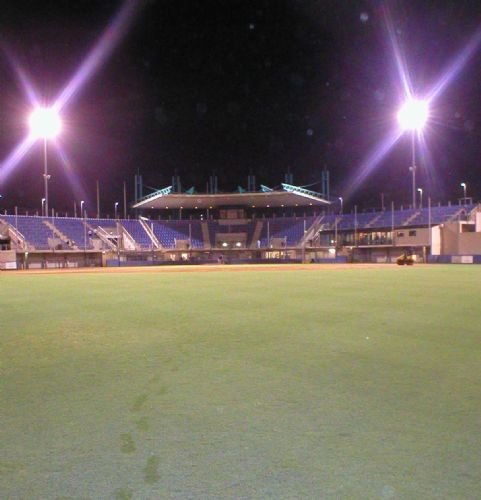
Originally accommodating 15,000 spectators, the stadium’s current capacity is approximately 9,000, reflecting broader changes in Australian football and safety standards (Austadiums). After the NSL ended in 2004, sections like the eastern stand were converted to grassy hills due to structural concerns, while the main grandstand remains a central feature (Wikipedia; Austadiums).
Cultural Significance and Community Role
Marconi Stadium is a symbol of multicultural Australia, representing the legacy of Italian migration. Alongside Club Marconi, it has served as a gathering place for generations, hosting football, festivals, and community celebrations. The stadium is adorned with memorabilia reflecting both Italian and Australian identities, and a statue of Guglielmo Marconi stands in the club foyer (Dictionary of Sydney; Wikipedia).
Notable Events and Milestones
- NSL Grand Finals & Major Matches Hosted numerous key fixtures throughout NSL history (Wikipedia).
- Record Attendance 14,220 spectators attended the 1993 Australia vs Brazil U20 match (Wikipedia).
- International Matches Hosted Rugby Sevens (1996) and high-profile friendlies, including Chelsea legend Gianfranco Zola in 2007 (Austadiums).
- FFA Cup & NPL Finals Continues to be a venue for major National Premier Leagues NSW and FFA Cup matches (Wikipedia).
- Training Facility Served as the training base for the Colombian squad at the 2023 FIFA Women’s World Cup (Wikipedia).
Visiting Marconi Stadium
Visiting Hours
Marconi Stadium is primarily open during scheduled matches, tournaments, or community events. For non-event access (such as guided tours), visitors should contact Club Marconi or check the Marconi Stallions website for current information.
Tickets and Entry
Tickets for matches and events are available through the Marconi Stallions website or at the stadium on event days. Pricing depends on the event, with discounts for children, seniors, and club members. Advance purchase is recommended for high-demand fixtures.
Accessibility and Facilities
The stadium is wheelchair accessible, with step-free access, ramps, and accessible toilets. Parking includes designated disabled spaces. Staff are available to assist visitors with mobility needs (Transfermarkt).
Guided Tours
Occasional guided tours, arranged via Club Marconi, offer insights into the stadium’s history, architecture, and cultural significance. These may include behind-the-scenes access.
Getting There and Nearby Attractions
- Transport Marconi Stadium is accessible by car and public transport. Bus routes run nearby, and Fairfield train station is 5 km away, with taxi or bus links.
- Parking Free parking is available at Club Marconi, including accessible bays.
- Nearby Attractions Club Marconi’s restaurants and entertainment; Australian Botanic Garden Mount Annan; local parks and cultural centers.
Stadium Facilities and Amenities
Architecture and Seating
The stadium features a covered main grandstand with around 3,000 seats and open terraces/grass embankments for an additional 6,000 spectators. This design creates an engaging, communal environment with excellent pitch views (Transfermarkt).
Playing Surface
A high-quality natural grass pitch maintained to FIFA and NPL NSW standards ensures top-notch playability year-round.
Food and Beverage
Multiple outlets offer classic stadium fare alongside Italian cuisine—hot chips, pies, burgers, wood-fired pizzas, pastries, and espresso. A licensed bar operates during matches, and food trucks appear at major events.
Hospitality & VIP
Corporate boxes and function rooms in the main stand and Club Marconi provide premium seating, catering, and exclusive amenities for business or special occasions.
Merchandise
Official club merchandise is available on matchdays, including jerseys, scarves, and hats. The club also hosts fan engagement events and player meet-and-greets.
Wi-Fi and Connectivity
Free public Wi-Fi is available in the main stand and Club Marconi.
Security and Safety
Security staff and medical personnel are present during events. The stadium enforces a strict code of conduct, prohibits large bags and outside food, and follows Sydney’s smoke-free regulations (Sydney Smoke-Free Zones).
Visitor Experience
Matchday Atmosphere
With a capacity of 9,000, Marconi Stadium offers a vibrant and intimate setting. Fans celebrate with Italian-inspired chants, flags, and food, creating a unique and memorable matchday experience.
Community Engagement
The stadium and Club Marconi host festivals, charity events, and youth programs, reinforcing their role as community pillars and promoting inclusivity and multiculturalism.
Family-Friendly Features
Family zones, clear sightlines, baby-changing facilities, and kid-friendly activities make Marconi Stadium a welcoming venue for visitors of all ages.
Practical Visitor Tips
- Arrive Early For best seating and pre-match activities, arrive 30–45 minutes before kickoff.
- Dress Appropriately Main stand is covered; other areas are exposed to weather.
- Payments Most outlets accept card payments; carrying some cash is advisable.
- Transport Use Sydney’s Opal card system for convenient public transport (Sydney Transport Tips).
- Sun Safety Apply sunscreen, as many areas are open-air (Sydney Sun Safety).
Nearby Attractions
After your visit, explore Bossley Park’s parks, dining precincts, and shopping centers. Club Marconi is a destination for Italian cuisine, entertainment, and socializing. Sydney’s iconic attractions—Opera House, Harbour Bridge, Bondi Beach—are accessible via public transport (Sydney Attractions).
Frequently Asked Questions (FAQ)
Q: What are Marconi Stadium’s visiting hours?
A: The stadium opens 1–2 hours before event kickoffs. For non-event visits, inquire with Club Marconi or check the official website.
Q: How do I purchase tickets?
A: Tickets are available online via the official Marconi Stallions FC website or at the stadium on matchdays.
Q: Is Marconi Stadium accessible for people with disabilities?
A: Yes, the stadium offers accessible seating, ramps, toilets, and parking.
Q: Are there food options at the stadium?
A: Yes, including Italian cuisine, classic stadium fare, and a licensed bar.
Q: Can I use public transport to reach the stadium?
A: Yes, bus services run nearby, and train connections are available via Fairfield station.
Q: Does Marconi Stadium have Wi-Fi?
A: Free public Wi-Fi is available in the main stand and Club Marconi.
Q: Is parking available?
A: Yes, free parking is provided at Club Marconi, including accessible spaces.
Visual and Interactive Elements
- Marconi Stadium – a Sydney historical site and beloved sporting venue.
- View Marconi Stadium on Google Maps
- Virtual Tour Link: Explore Marconi Stadium Online
- Interactive Map: Directions to Marconi Stadium from Sydney CBD
Summary and Key Information
Marconi Stadium is a cornerstone of Sydney’s sporting and cultural landscape—home to historic football moments, vibrant Italian heritage, and inclusive community spirit. Visitors can expect modern amenities, a welcoming atmosphere, and a unique matchday experience enriched by food, festivities, and history. For ticketing, visiting hours, and the latest updates, consult the Marconi Stallions Official Site and follow the club on social media.