Historical Origins and Foundation
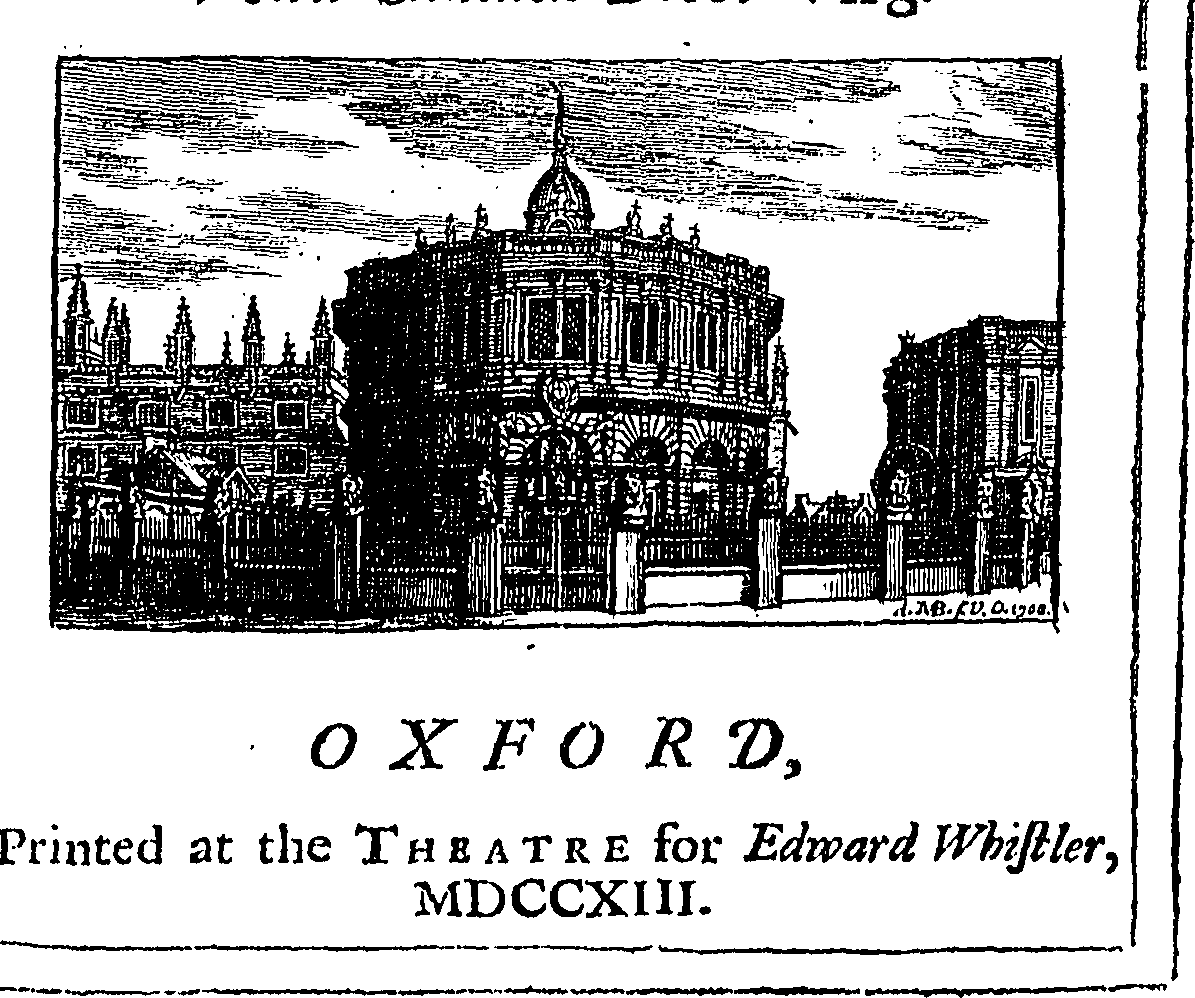
Construction of the Sheldonian Theatre began in 1664 with funding from Bishop Gilbert Sheldon, then Warden of All Souls College and later Archbishop of Canterbury. The theatre was built to provide a dedicated space for university ceremonies that had previously taken place at the University Church of St Mary the Virgin. The site required the removal of seven widows’ cottages, with the University agreeing to pay a charitable rent—a tradition that endures (Oxford Arts Blog).
The foundation stone was laid on July 26, 1664, and the theatre opened its doors in 1669. Its first major event was the University’s Encaenia ceremony in 1670 (Sheldonian Theatre Ceremonial Events).
Architectural Significance
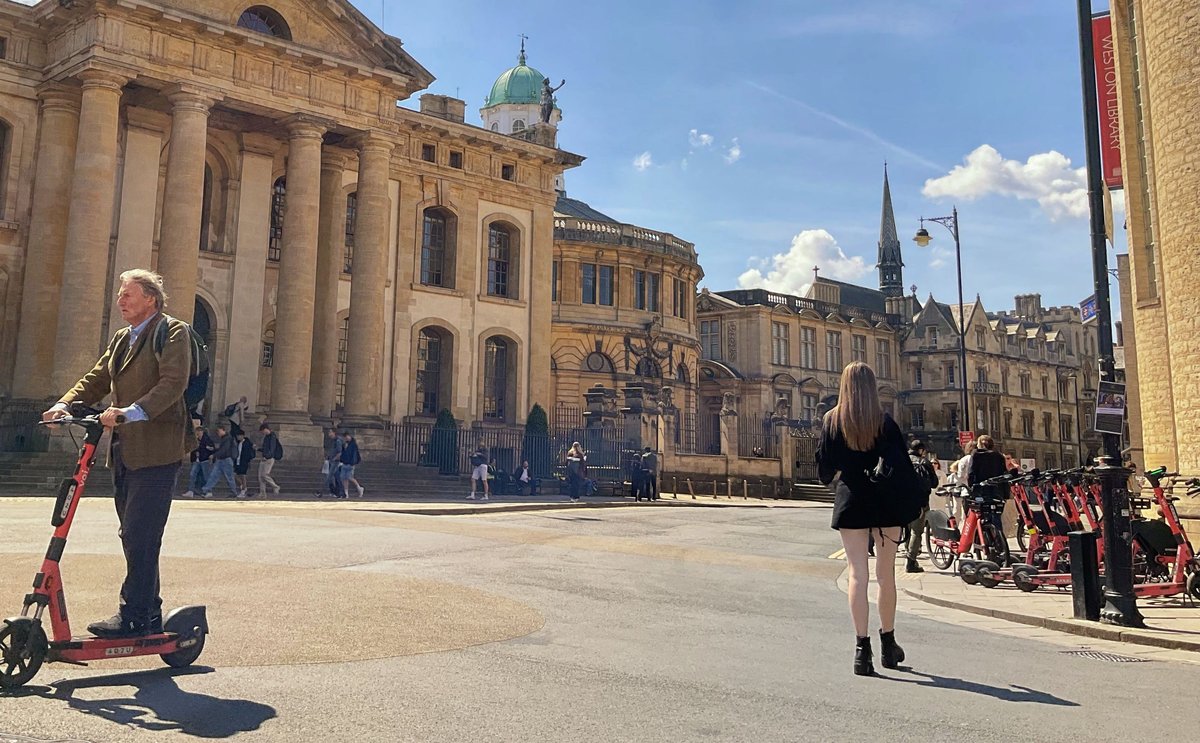
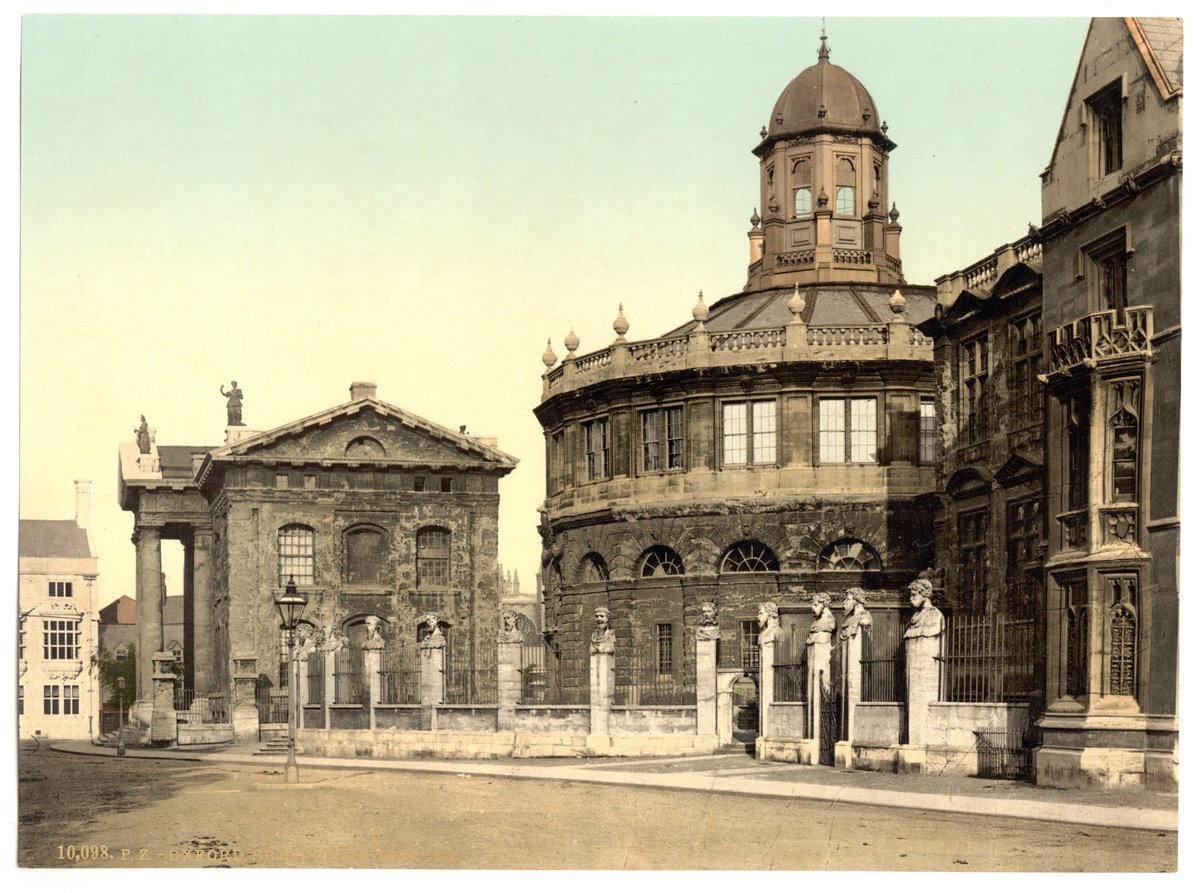
Sir Christopher Wren’s vision for the theatre was groundbreaking. Drawing inspiration from ancient Roman amphitheatres, Wren designed a D-shaped auditorium with unobstructed views and no internal columns—a remarkable engineering feat achieved with a timber truss roof system. The octagonal cupola, topped with a green roof, offers panoramic views over Oxford’s “dreaming spires” and is a highlight for visitors (Venues Oxford).
The interior features a spectacular 32-panel ceiling fresco by Robert Streater, court painter to Charles II. The artwork, “Truth Descending upon the Arts and Sciences,” symbolizes the university’s pursuit of knowledge and the banishment of ignorance (Oxford Arts Blog). The use of Headington stone gives the building its warm, honey-colored appearance, while the timber roof and external stone “Emperors’ Heads” are iconic features (Historic England).
As a Grade I listed building, the Sheldonian is recognized for its outstanding architectural and historical value. Ongoing conservation ensures its preservation for future generations (Sheldonian About Us).
Ceremonial and Academic Role
Since its inception, the Sheldonian Theatre has been the ceremonial heart of the University of Oxford. It hosts key academic events including matriculation (the formal admission of new students), graduation, Encaenia (honoring benefactors and awarding honorary degrees), and meetings of Congregation, the university’s governing body (Sheldonian Ceremonial Events). Many of these ceremonies are conducted in traditional academic dress and, in some cases, in Latin, reflecting the university’s enduring traditions.
Notable Events and Distinguished Alumni
The Sheldonian Theatre has played host to countless significant events and distinguished individuals. Among its alumni are 27 British Prime Ministers, numerous Nobel laureates, and international leaders including C.S. Lewis, Sir Tim Berners-Lee, Michael Palin, and Emperor Naruhito of Japan (Sheldonian About Us).
Beyond academic ceremonies, the theatre is a venue for concerts, literary festivals, and public lectures. It regularly welcomes world-class musicians and speakers, contributing to Oxford’s vibrant cultural scene (Venues Oxford).
Community and Cultural Engagement
While the Sheldonian Theatre is primarily a university venue, it also plays a significant role in Oxford’s wider community. Initiatives like the STACE Scheme offer subsidized or free venue hire to local groups, fostering collaboration between the university and city residents. The theatre’s flexible space accommodates a diverse range of events, from orchestral concerts to public lectures and private receptions (Venues Oxford).
Visitor Information: Hours, Tickets, and Accessibility
Visiting Hours
- General hours Monday to Saturday, 10:00 AM – 5:00 PM (last entry at 4:30 PM).
- Closed Sundays and during university ceremonies or private events.
- Check ahead Closures may occur at short notice; always verify on the official website.
Ticket Information
- General admission £4.75
- Concessions £4.00 (over 60s, under 16s, Blue Badge holders, students with NUS TOTUM Card, Experience Oxfordshire members, and guests of Oxford alumni)
- Free entry University of Oxford students and staff (with valid ID) plus up to three guests per day; alumni cardholders (concessionary rate for guests)
- Payment Card and contactless only; American Express and cash not accepted (Sheldonian Theatre Visit Info)
Guided Tours
- Ceremonial Oxford Tour Includes the Sheldonian Theatre and Divinity School, typically £17.50 per person (Bodleian Libraries Tours). Advance booking is advised.
Accessibility
- Wheelchair access Limited—main auditorium and some facilities accessible, but cupola and upper galleries may not be.
- Support Contact the venue in advance for assistance.
- Facilities Accessible restrooms available.
What to See: Highlights of the Sheldonian Theatre
The Auditorium
The main auditorium, with its elegant wooden seating and renowned acoustics, is the centerpiece of the Sheldonian. It remains in use for university ceremonies and musical performances (Sheldonian Theatre Home).
The Ceiling Fresco
Robert Streater’s ceiling painting, “Truth Descending upon the Arts and Sciences,” is an allegorical masterpiece and a must-see highlight (Explorial).
The Cupola
For those able to climb stairs, the cupola offers breathtaking 360-degree views of Oxford’s skyline (Sheldonian Theatre Home). Access may be restricted during events.
Historical Portraits and Displays
Portraits of past chancellors and other historical displays enrich visitors’ understanding of the theatre’s heritage (Sheldonian Theatre Building History).
Events and Guided Tours
The Sheldonian Theatre is a year-round venue for concerts, lectures, and special events, including performances by the Oxford Philharmonic Orchestra and the Oxford Literary Festival (The Oxford Magazine Events). Guided tours, often in partnership with the Bodleian Libraries, offer deeper insight into the theatre’s history and architecture (Bodleian Libraries Tours). Self-guided visits are also available, with informative panels and audio guides on-site.
Practical Visitor Tips and Frequently Asked Questions (FAQ)
Q: What are the Sheldonian Theatre’s opening hours?
A: Monday to Saturday, 10:00 AM to 5:00 PM; closed Sundays and during ceremonies. Always check the official website for updates.
Q: How do I purchase tickets?
A: Buy tickets online or at the entrance with card/contactless payment only.
Q: Is the theatre wheelchair accessible?
A: Accessibility is limited; contact the venue in advance to plan your visit.
Q: Are guided tours available?
A: Yes, periodic guided tours can be booked in advance (Bodleian Libraries Tours).
Q: Can I visit the cupola?
A: Yes, during general opening hours, subject to access limitations due to events or mobility restrictions.
Q: What else is nearby?
A: The theatre is steps away from the Bodleian Library, Radcliffe Camera, Ashmolean Museum, and other major Oxford attractions (TravelSetu Guide).