
Historical and Architectural Significance
The Daubeny Laboratory: Origins and Legacy
Named after Charles Daubeny (1795–1867), a pioneering chemist and botanist, the Daubeny Laboratory marked one of Oxford’s earliest ventures into purpose-built scientific research spaces. Established in 1848, it combined chemistry and botany under one roof, setting a template for interdisciplinary scientific learning at Oxford (Oxford Science Park). The laboratory’s legacy endures today, both through the original building and the ambitious Daubeny Project at Oxford Science Park—a modern development with flexible lab and office spaces, and a focus on life sciences (BBC News).
The Manley Laboratory: Modern Research at Oxford
The Manley Laboratory, while sharing its name with an American manufacturer unrelated to Oxford (Wikipedia), is a modern facility within the university’s scientific framework. It emphasizes advanced laboratory infrastructure, safety, and flexibility for research in chemistry and life sciences (Oxford Chemistry).
The Vines Wing: Academic Community and Heritage
The Vines Wing is a residential and academic facility in Headington, Oxford, supporting international students and visiting scholars. While not a laboratory, it plays a vital role in Oxford’s educational mission, offering a place for reflection and community within a historic setting (SCIO UK).
The West Block: Sustainability and Innovation
The West Block is integral to the new Daubeny Project, embodying Oxford’s commitment to sustainable research environments. With a design focused on energy efficiency, flexible workspace, and green technologies, the West Block is positioned as a hub for forward-thinking scientific collaboration (Oxford Science Park).
Visiting Information
Visiting Hours, Tickets, and Accessibility
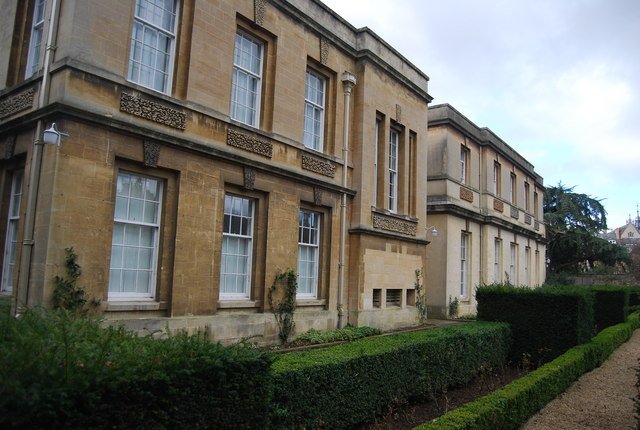
- Daubeny Laboratory The historic exterior is viewable year-round. Interior access is restricted to special events, open days, or pre-arranged tours due to its current use as graduate accommodation and active research (Magdalen College).
- Manley Laboratory, Vines Wing, West Block These are primarily working facilities. Public access is available only during University open days, heritage events, or scheduled tours.
- Tickets No general tickets are sold for casual visits. Open days and special events may require advance booking; these are usually free (Oxford Open Days).
- Accessibility The new Science Park developments are fully accessible, with step-free access, lifts, and accessible restrooms (Oxford Calling). The Vines Wing offers reasonable accessibility during events.
Booking and Guided Tours
- Check the Oxford Science Park official website and SCIO website for open days, tour registration, and heritage event listings.
- Guided tours are offered during special events and must be booked in advance.
Getting There and Transportation
- By Train Oxford’s main station connects with London and major UK cities. Plans for a Science Park station are underway (Daubeny Project).
- By Bus Frequent bus routes link the city centre, Headington, and Science Park, with most stops within 200m of the sites (Wanderlust Chloe).
- By Car Ample undercroft parking at the Science Park (including EV charging). City centre parking is limited—use Park and Ride services (The Oxford Magazine).
- By Bike Over 500 cycle spaces at the Science Park support sustainable travel.
On-Site Facilities and Amenities
- Science Park Spacious receptions, lifestyle spaces, natural light, landscaped grounds, cafés, and informal meeting areas (Oxford Calling).
- The Vines Wing Modest amenities, mainly during public events.
- Accessibility Step-free entrances, lifts, accessible restrooms, and clear signage.
- Sustainability 100% renewable energy, air source heat pumps, biodiversity initiatives, and BREEAM “Excellent” rating goals.
Nearby Attractions
- Oxford Botanic Garden England’s oldest botanic garden, adjacent to Magdalen College (Oxford Botanic Garden).
- Historic Colleges Many offer tours; Magdalen College is especially close.
- Cowley Road Known for diverse dining and independent shops (Lonely Planet).
Events and Special Access
- Open Days Held annually (e.g., 2–3 July and 19 September 2025), allowing rare access to labs and academic spaces (Oxford Open Days).
- Public Lectures and Science Festivals Check Oxford Science Park and SCIO for announcements.
- Heritage Events The Vines Wing occasionally participates in Oxford Open Doors (The Vines, Oxford - Wikipedia).
Visitor Tips
- Book in Advance Secure places for open days and tours early.
- Arrive Early Events are popular; early arrival ensures the best experience.
- Comfortable Shoes Expect to walk between sites.
- Bring Photo ID Required for entry during some events.
- Check Website for Updates Construction schedules and event listings can change (Oxford Science Park).
Frequently Asked Questions (FAQ)
Q: Are guided tours available?
A: Yes, during open days and by arrangement through Magdalen College or Oxford Science Park.
Q: Is photography permitted?
A: Exterior photography is allowed; interior photography is usually restricted.
Q: Do I need tickets for entry?
A: No tickets for outdoor viewing. Special events may require advance registration.
Q: Are the sites accessible?
A: Modern buildings are fully accessible; some historic areas may have uneven surfaces.
Q: Are the labs open year-round?
A: No, access is generally limited to special events, open days, or by appointment.