

Historical Background
The origins of the Radcliffe Science Library can be traced to Dr. John Radcliffe (1650–1714), whose philanthropic bequest enabled the establishment of key Oxford institutions, including the Radcliffe Camera. Opened in 1749 and designed by James Gibbs, the Radcliffe Camera was England’s first circular library and a milestone in Baroque architecture. Initially hosting a broad academic collection, the library increasingly focused on scientific materials in the 19th century, reflecting the university’s expanding scientific pursuits.
By 1861, the need for a dedicated science facility led to the creation of the Radcliffe Science Library, with the Radcliffe Camera repurposed as a reading room for the Bodleian Library. The RSL’s establishment coincided with a period of scientific innovation in Victorian England, reinforcing Oxford’s commitment to empirical research and academic excellence.
Architectural Evolution and Significance
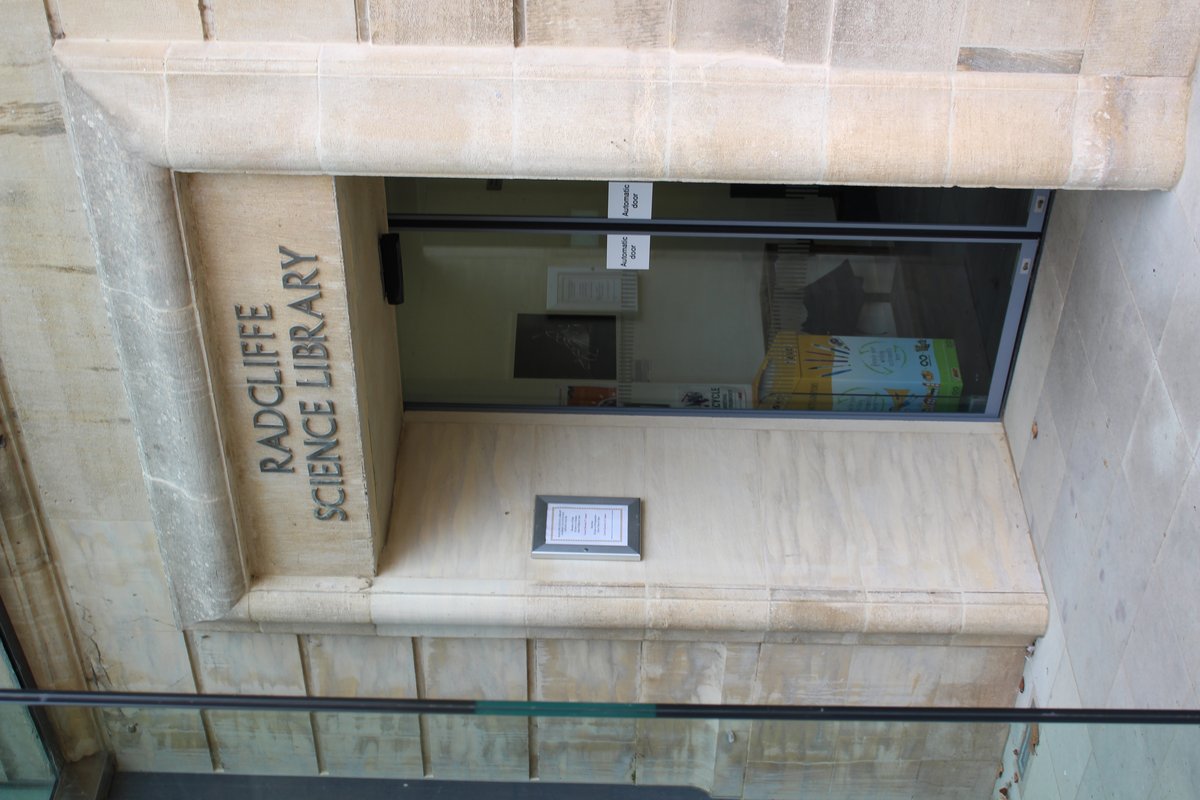
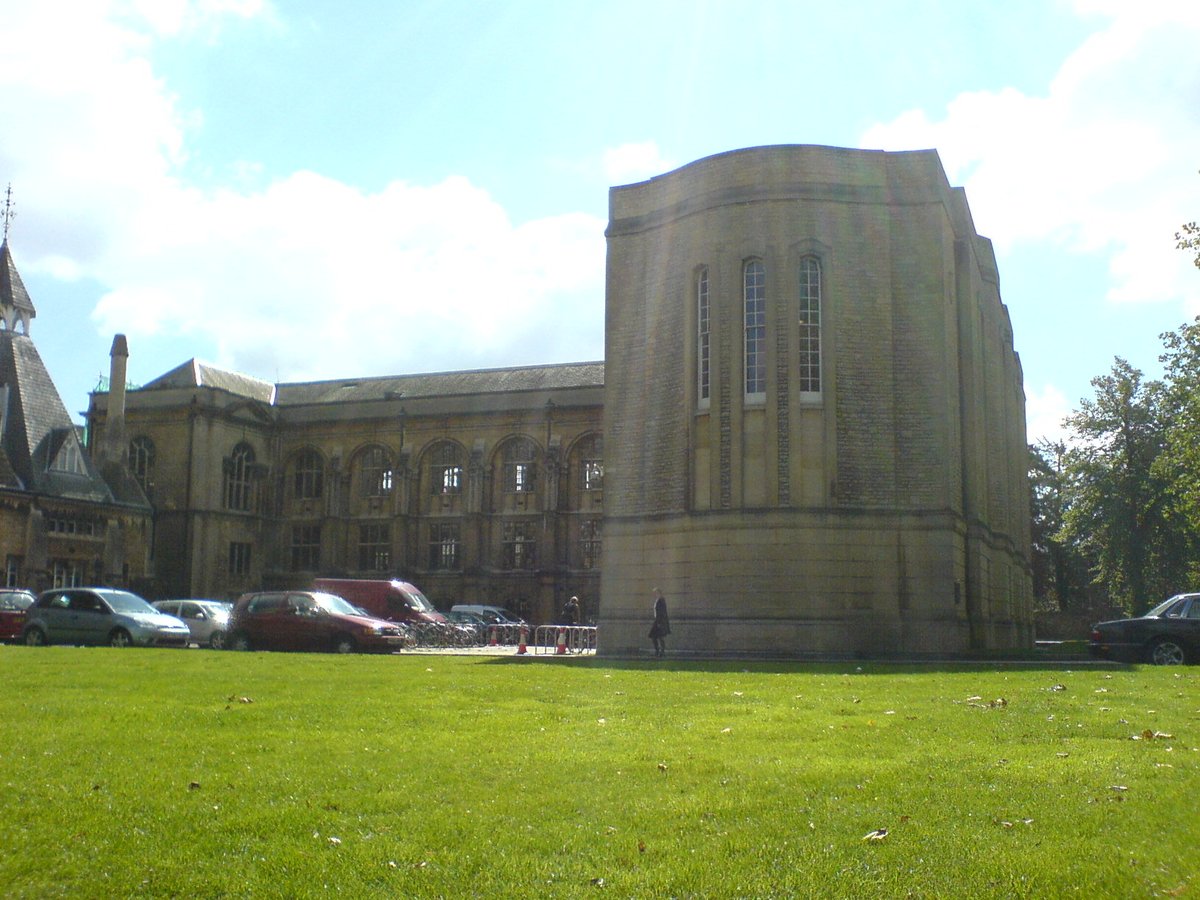
Situated on Parks Road, the Radcliffe Science Library exemplifies the blending of historic preservation and contemporary functionality. The original 19th-century structure has been significantly expanded over time, including innovative subterranean extensions that provide state-of-the-art facilities while preserving the historic landscape above.
Key architectural features include:
- Victorian and Modern Design The library’s architecture combines Victorian heritage with modern amenities and sustainability measures.
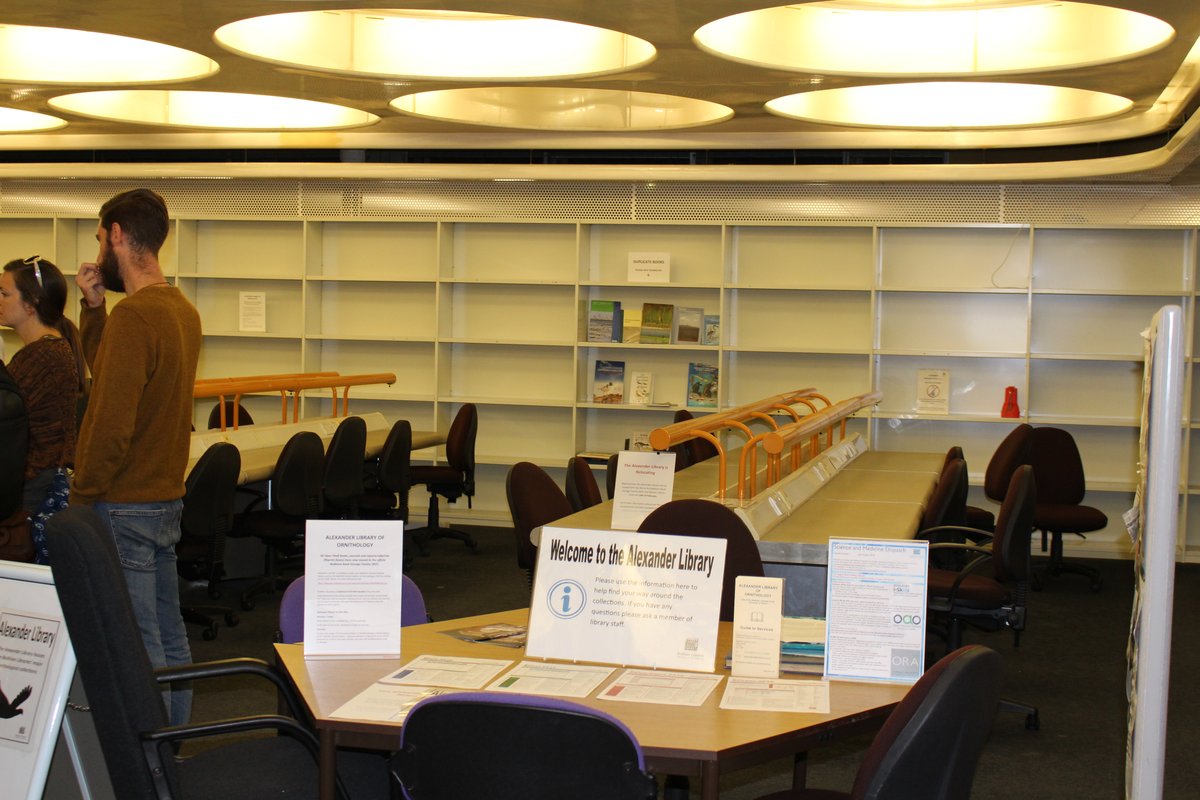
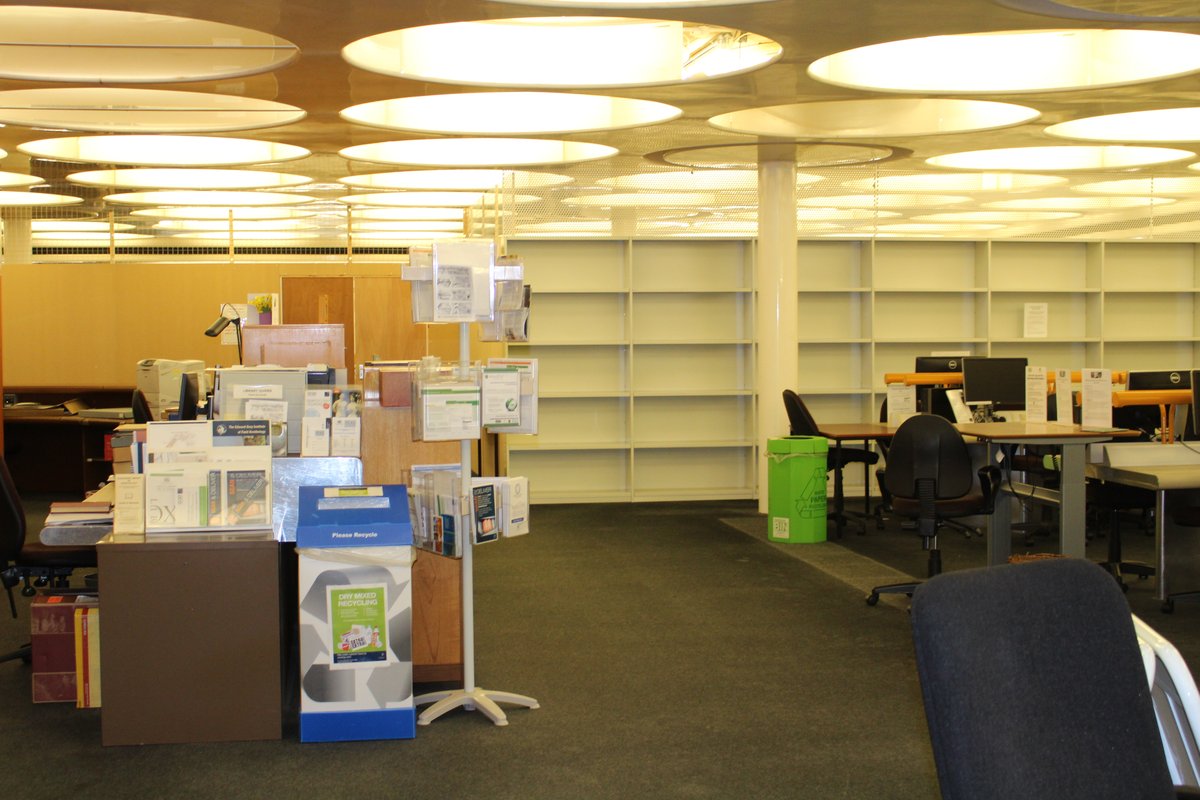
- Subterranean Reading Rooms Much of the library is located underground, offering quiet study spaces while maintaining the aesthetic of the surrounding university landscape.
- Integration with Reuben College and Museums The RSL is physically and institutionally connected to Reuben College and the Museum of Natural History, fostering interdisciplinary interaction.
The most recent redevelopment (completed in 2023) prioritized accessibility, sustainability, digital infrastructure, and collaborative spaces, reflecting the dynamic needs of the academic community.
Visiting Information: Hours, Tickets, and Accessibility
Opening Hours
- Term Time Monday–Friday, 9:00 AM–10:00 PM; Saturday, 10:00 AM–4:00 PM; Sunday, 11:00 AM–5:00 PM.
- Vacation Periods Hours may vary; always confirm with the official website before your visit.
Admission and Tickets
- Free Entry Admission is free for all visitors; however, access to certain areas is primarily for University of Oxford members and approved researchers.
- Public Access The public can visit during Open Days, scheduled tours, and special events. Booking in advance is highly recommended for guided tours due to limited capacity.
Accessibility
- Fully Accessible The RSL features step-free access, lifts, accessible restrooms, and assistive technologies for visitors with disabilities. For specific needs, contact library staff ahead of your visit.
Guided Tours and Special Events
Guided tours—particularly during University Open Days and the Oxford Open Doors weekend—offer an in-depth exploration of the RSL’s architectural evolution, history, and collections. Tours typically last 30–45 minutes and are led by knowledgeable staff or students.
- Booking Reserve your spot via the Bodleian Libraries website.
- Highlights Learn about the library’s transformation, its scientific collections, and its integration with Oxford’s wider academic infrastructure.
- Photography Permitted in public areas without flash or tripods; please respect silent study spaces.
Facilities, Collections, and Exhibitions
The RSL houses over one million volumes, with strengths in mathematics, physical and life sciences, engineering, and medicine. Facilities include:
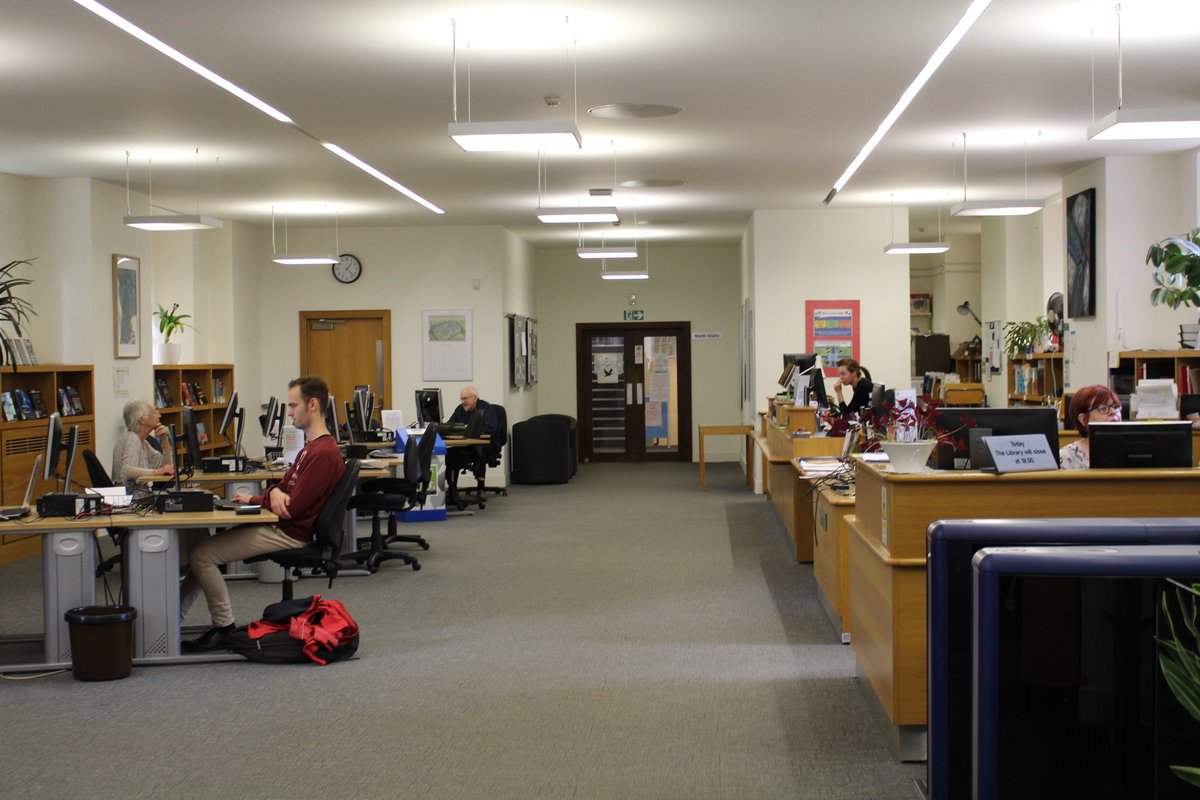
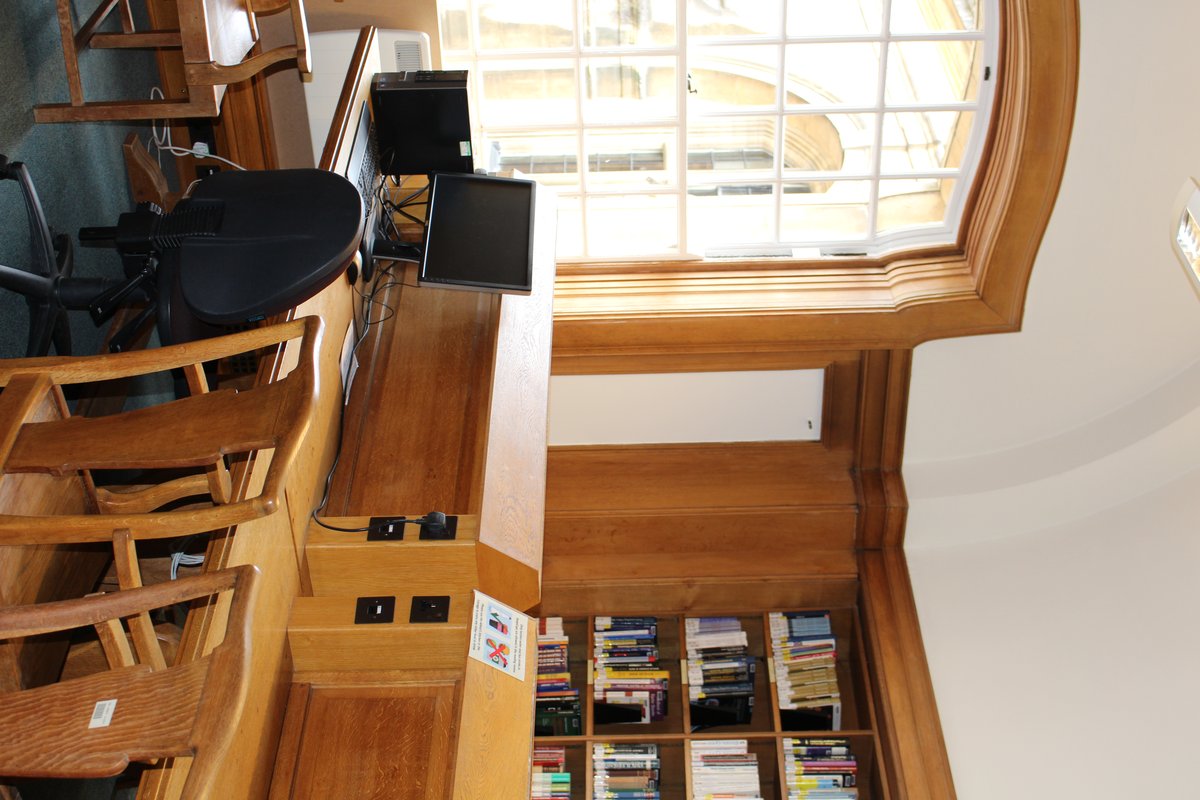
- Quiet Victorian Reading Room (Jackson Wing) Ideal for focused study.
- Informal Reading Room (Worthington Wing) Suited for group work and casual reading.
- Technological Amenities High-speed Wi-Fi, computer workstations, and 3D printing services.
- Accessibility Step-free access, lifts, and accessible restrooms.
- Exhibitions Regular displays highlight scientific discoveries and Oxford’s science heritage.
Lockers and cloakrooms are available for personal items. While the RSL does not have an on-site café, nearby options abound, and the Bodleian Library shop is just a short walk away.
Nearby Oxford Historical Sites
Enhance your visit by exploring these nearby attractions:
- University Museum of Natural History (website)
- Pitt Rivers Museum (website)
- Radcliffe Camera and Bodleian Library (tours)
- Historic Oxford Colleges Including Exeter and Christ Church
Each is within walking distance and offers a unique perspective on Oxford’s academic and cultural heritage.

Frequently Asked Questions (FAQ)
Q: What are the current RSL visiting hours?
A: Standard hours are Monday–Friday, 9:00 AM–10:00 PM; Saturday, 10:00 AM–4:00 PM; Sunday, 11:00 AM–5:00 PM. Confirm via the official website.
Q: Do I need a ticket to visit?
A: Entry is free for university members. Public access is available during tours and events, with advance booking recommended.
Q: Is the library accessible for people with disabilities?
A: Yes, the RSL provides step-free access, lifts, accessible toilets, and staff assistance.
Q: Can I take photos?
A: Photography is allowed in public areas without flash or tripods. Please be considerate of library users.
Q: Can visitors borrow books?
A: Borrowing is reserved for university members, but visitors can consult materials on-site and view exhibitions.
Q: Are food and drinks allowed or available?
A: No food or drink is allowed inside the library. Nearby cafés and restaurants are available.
Q: How do I book a tour?
A: Book via the Bodleian Libraries website.
Visitor Tips and Further Information
- Check Hours and Events Always confirm opening times and event schedules before your visit.
- Plan for Accessibility Contact staff if you require special assistance.
- Travel Smart Use public transport or cycling, as parking is limited.
- Explore Nearby Sites Dedicate time to visit museums and colleges in the area for a comprehensive Oxford experience.
- Stay Updated For updates, subscribe to newsletters or follow the Bodleian Libraries on social media.
Consider downloading the Audiala app for guided audio tours and enhanced visitor information.