
Historical Background
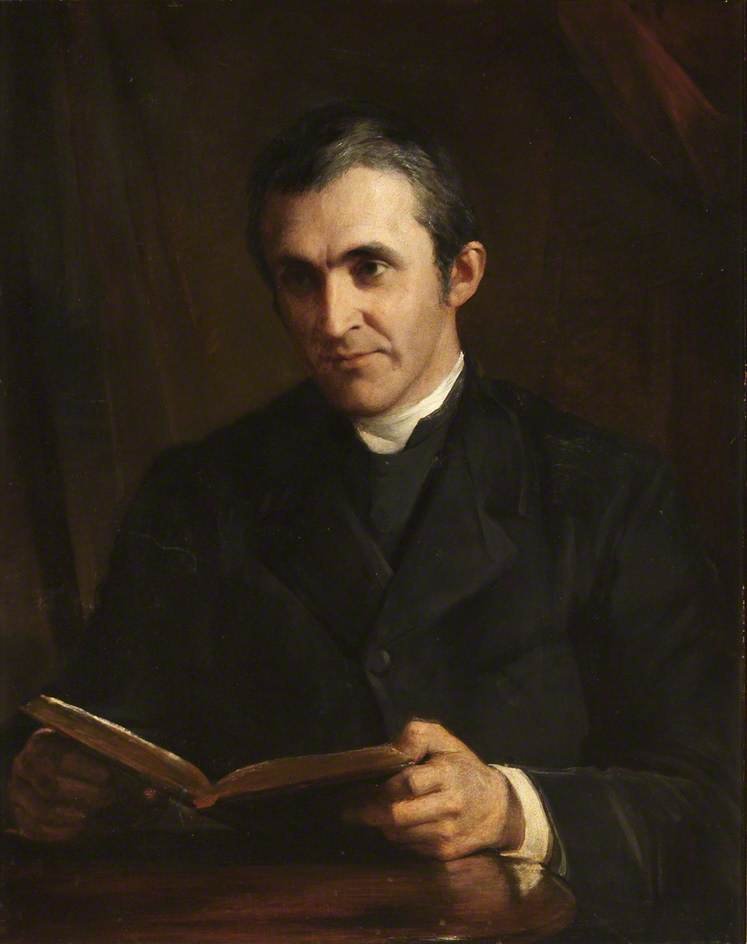
Keble College was established in 1870, named after John Keble, a leader of the Oxford Movement. Its founding marked the first new college at Oxford since the early 18th century and was driven by a mission to make higher education more accessible. Unlike other colleges, which often relied on wealthy benefactors, Keble was built through public subscription, reflecting its commitment to serving a wider demographic.
Architectural Highlights
Neo-Gothic Brilliance
Designed by William Butterfield, a leading figure of the High Victorian Gothic movement, Keble College’s architecture is defined by its polychromatic brickwork and geometric patterns (heritage.keble.ox.ac.uk; victorianweb.org). The bold red, yellow, and blue bricks shocked Victorian-era critics but are now celebrated as a masterpiece of innovative design (oxfordvisit.com).
Key Structures
- Liddon Quad The main quadrangle, showcasing Butterfield’s distinctive brickwork.
- The Chapel Completed in 1876, featuring intricate mosaics, stained glass, and Holman Hunt’s The Light of the World painting.
- Dining Hall The longest in Oxford, restored to Victorian grandeur, still central to college life.
- Modern Additions Buildings such as the H B Allen Centre and Arco Building blend contemporary design with historic style, emphasizing sustainability and innovation.
Visiting Hours, Entry, and Tickets
- Opening Hours Keble College is open to visitors daily from 2:00 pm to 5:00 pm (Keble College visiting information). During university events or private functions, hours may vary—always check ahead.
- Tickets Entry is free; no advance booking is required for general visits.
- Entry Point Enter via the main gate on Parks Road, adjacent to the Porters’ Lodge.
- Group Visits Small groups are welcome; large groups should arrange visits in advance.
- Restrictions Only assistance dogs permitted; no pets.
Accessibility
Keble College is committed to inclusivity, offering wheelchair access to main areas such as the main quad and dining hall (Keble College visiting information). Some historic sites may have steps or uneven surfaces. Visitors with accessibility needs should contact the Porters’ Lodge in advance for assistance.
Travel Tips and Parking
- Location Parks Road, opposite the University Museum of Natural History and Pitt Rivers Museum. The H B Allen Centre (graduate quad) is a five-minute walk north on Banbury Road.
- Transport Keble is a 10–15 minute walk from Oxford railway station and close to major bus stops on St Giles.
- Parking Public parking is limited in central Oxford. Use park-and-ride services or public transport when possible.
Nearby Attractions
Keble College’s central location makes it ideal for visiting:
- University Museum of Natural History
- Pitt Rivers Museum
- The Oxford Botanic Garden
- Other nearby colleges: St John’s, Wadham, Trinity
Guided Tours and Special Events
While regular public guided tours are not offered, special events and open days are held throughout the year (Keble College official site). Private group tours can be arranged by prior appointment. For the latest information, always consult the college’s website or contact the Porters’ Lodge.
Photographic Opportunities
- Liddon Quad Vibrant brickwork and classic vistas.
- Chapel Interior Mosaics, stained glass, and The Light of the World.
- Dining Hall Victorian grandeur, especially atmospheric during formal events.
- Nearby Attractions Capture the adjacent museums and gardens for a comprehensive Oxford photo tour.
Academic Life and Social Mission
Keble College maintains a tradition of academic excellence and inclusivity, hosting around 130 undergraduates and a diverse student body. Its alumni include notable political and cultural figures. The college continues to evolve, with sustainable building initiatives and a focus on community engagement.
Frequently Asked Questions (FAQ)
Q: What are Keble College's visiting hours?
A: Daily, 2:00 pm–5:00 pm, subject to occasional closures (Keble College visiting information).
Q: Is there an entry fee?
A: No, entry is free and tickets are not required.
Q: Are guided tours available?
A: Not regularly, but private or special event tours can be arranged.
Q: Is Keble College wheelchair accessible?
A: Key areas are accessible; contact the college for specific needs.
Q: Can I take photos?
A: Allowed in most outdoor spaces and some interiors; check local signage.
Q: Are pets permitted?
A: Only assistance dogs.