







Historical Background
Founding and Growth
The Bate Collection was founded in 1968, originating from Philip Bate’s vision to preserve European orchestral woodwind, brass, and percussion instruments and make them accessible for research and education. Bate’s initial donation formed the core of the Collection, which has since expanded through further gifts and bequests from notable collectors, including Reginald Morley-Pegge, Anthony Baines, and Edgar Hunt. Today, the Collection stands as Britain’s most comprehensive repository of historic musical instruments (Bate Collection: Short History, Oxford City).
Academic Integration
From its inception, the Bate Collection has been closely linked to the University of Oxford’s Faculty of Music, serving both as a public museum and a center for academic research. Its integration enables Oxford students and researchers to interact with and, under supervision, play selected historic instruments—a rare opportunity unavailable in most major museums (Art Fund).
Curatorial Leadership and Vision
The Collection is currently led by Dr. Emanuela Vai, a distinguished scholar in music, architecture, and material culture, whose research has advanced the understanding of Renaissance and Early Modern music and its interdisciplinary context. Under Dr. Vai’s stewardship, the Bate Collection has expanded its research, conservation, and public engagement programs, including initiatives such as ‘Space and Sound: Architecture for Music’ and ‘Digital Humanities and Music Heritage’ (Bate Collection – Dr. Emanuela Vai).
Significance for Scholars and the Public
The Bate Collection is internationally recognized for its rare and historic instruments, such as the Beale Trumpet once played for Oliver Cromwell and an exquisite 1720 Bressan Recorder. Its holdings are invaluable resources for musicologists, performers, and instrument makers, offering insights into the evolution of musical craftsmanship and performance traditions. The Collection’s integration with academic programs allows for hands-on study and performance, deepening educational impact (Oxford City).
Visitor Information: Hours, Tickets, and Location
Location
- Faculty of Music, University of Oxford, St Aldate’s, Oxford, OX1 1DB (Art Fund)
Opening Hours
- As of June 2025 The Bate Collection is temporarily closed for relocation to the new Schwarzman Centre for the Humanities. Reopening dates will be announced on the official website.
- Previous Hours Typically open Tuesday, Thursday, and Friday, 2:00 pm – 5:00 pm; Saturday mornings during term time.
Admission
- Free admission for all visitors, with donations welcome to support ongoing preservation and educational work. Advance booking was previously required for timed entry. Check the website for current ticketing policies (WhichMuseum).
Accessibility and Facilities
Physical Access
- Ground Floor Wheelchair accessible via ramp and signed pathway; staff assistance available at entrance.
- Upper Gallery No lift access; some spaces are narrow.
- Parking Blue Badge parking available nearby; Oxford Shopmobility offers free wheelchair and scooter hire (Oxford Accessibility Info).
Additional Facilities
- Reception/Shop Low-height desk with hearing loop, music-themed gifts.
- Toilets No public toilets on site; accessible facilities available in the city centre.
- Lighting Some areas have low lighting for preservation; staff can assist visitors with visual needs.
Collection Highlights
- Woodwind and Brass Renaissance to modern period, including the Morley-Pegge Memorial Collection.
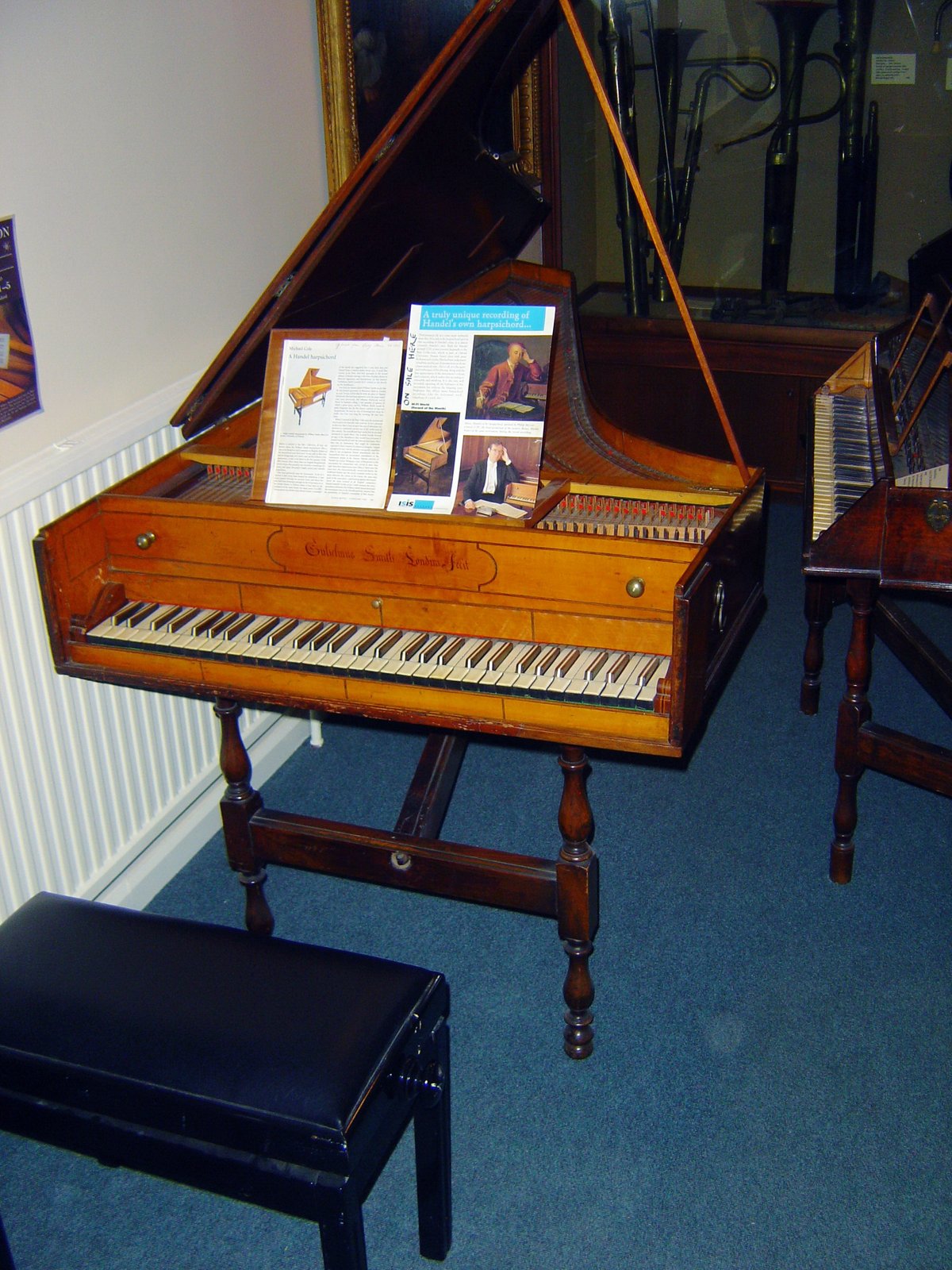
- Keyboard Instruments Harpsichords, clavichords, and early pianos from notable makers.
- Rare Artifacts Bressan treble recorder, Grenser bassoon, Hendrik Richters oboe.
- Global Collections Javanese Gamelan “Kyai Madu Laras,” regularly played.
- Special Collections Bow-making tools, archival materials, and items linked to renowned musicians and collectors (Bate Collection: About).
Educational and Digital Initiatives
The Bate Collection is unique in allowing supervised handling and play of select instruments for students and researchers. Regular workshops, lectures, and performances bring music history to life. The innovative resOUnd app offers virtual interaction with digital models of rare instruments, enhancing the visitor experience both onsite and remotely (Oxford City).
Travel Tips and Nearby Attractions
- Getting There Oxford is accessible by train and bus; the Bate Collection is a short walk from the station.
- Nearby Attractions Ashmolean Museum, Pitt Rivers Museum, Bodleian Library, Christ Church Cathedral, and the University Botanic Garden are within walking distance.
- Dining Numerous cafes and restaurants are available in Oxford city centre.
- Photography Allowed without flash; confirm with staff on arrival.
Frequently Asked Questions (FAQs)
Q: Is the Bate Collection open to the public?
A: The Collection is temporarily closed as of June 2025 for relocation. Check the official site for reopening updates.
Q: Is there an admission fee?
A: Admission is traditionally free, with donations encouraged.
Q: Is the Collection accessible for wheelchair users?
A: The ground floor is accessible; the upper gallery is not. The approach includes a gravel path.
Q: Are guided tours available?
A: Occasional guided tours and talks are offered; contact the museum or check the website for details.
Q: Can I play the instruments?
A: Instrument handling is generally reserved for students and researchers, though public demonstrations may occur during special events.
Contact Details
- Email [email protected]
- Phone +44 (0)1865 276125
- Website www.bate.ox.ac.uk