Why Visit Bastion 15?
Bastion 15 is an unmissable destination for anyone interested in Oxford’s heritage. Set within the tranquil grounds of New College, it offers a rare chance to experience the city’s medieval defenses first-hand. Its robust stonework, original features, and strategic location provide insight into Oxford’s past as a fortified city, while ongoing conservation ensures that visitors can enjoy the site safely and meaningfully. Bastion 15 is also included in many guided tours, heritage events, and educational programs, making it a focal point for cultural exploration and learning.
Historical Background: Oxford City Walls and Bastion 15
Origins and Medieval Growth
The origins of Oxford’s city walls date back to the Anglo-Saxon period, when Oxford emerged as a fortified town (burh) to defend against Viking incursions (Oxford Preservation Trust; Oxford History). After the Norman Conquest in 1066, the city’s defenses were reinforced and expanded, especially with the construction of Oxford Castle in 1071, which was integrated into the city’s ramparts.
By the 13th and 14th centuries, the city wall was rebuilt in stone, punctuated by 21 bastions at regular intervals. These defensive towers, including Bastion 15, provided strategic vantage points for archers and later, small arms. Today, only 12 bastions survive, but Bastion 15 is recognized as the best-preserved example (Historic England).
Strategic and Civic Roles
The Oxford City Wall served both military and symbolic functions—protecting the city from attack, controlling access, and marking Oxford’s autonomy. Its influence shaped the development of streets, colleges, and green spaces within the city (Oxford History; Oxford Preservation Trust).
Architecture and Preservation
Architectural Features
Bastion 15 is built from locally quarried limestone, featuring a semi-circular plan that projects outward from the wall. Key features include:
- Arrow slits and parapet remnants for defense
- Thick masonry walls that withstood siege warfare
- Internal chambers (vaulted spaces for storage or shelter)
- Distinctive medieval stonework, with some later repairs and restoration (Historic England)
The structure’s survival is largely due to its integration within New College, whose stewardship has preserved both the wall and its bastion as part of the college grounds (Oxford History).
Conservation Efforts
Bastion 15 is a Grade I listed building, which ensures strict regulation of any interventions to maintain its historical integrity (Historic England). Conservation is overseen by New College in partnership with the Oxford Preservation Trust, following best practices in historic preservation (UK Construction Blog). Restoration work prioritizes the use of authentic materials and minimal intervention.
The Oxford Preservation Trust also works to ensure the wider city wall and related sites remain accessible and valued by the public (Oxford Preservation Trust).
Key Events and Changing Roles
Bastion 15 and the Oxford City Wall have played a part in pivotal moments in English history:
- The Anarchy (1135–1153) Oxford’s defenses proved crucial during this period of civil war, notably during Empress Matilda’s dramatic escape in 1142 (Historic UK).
- The English Civil War (1642–1651) Oxford was the Royalist capital, and the city wall—including Bastion 15—was repaired and strengthened.
- Victorian Era As the military function of the wall waned, interest in its preservation grew, leading to restoration and listing efforts (UK Construction Blog).
Today, Bastion 15’s primary role is educational and cultural, serving as a living link to the city’s past.
Visitor Information: Hours, Tickets, Accessibility
Opening Hours
- New College Grounds (Bastion 15 location) Generally open to visitors April–October, 10:00 AM–4:30 PM. Hours may vary by season or for special events.
- Always check the New College website for current details.
Tickets and Admission
- Admission Fee Adult tickets around £7; concessions and student discounts available. Group rates may apply.
- Tickets can be purchased on-site; some combined tickets with other Oxford historical sites may be available.
Accessibility
- Grounds Some uneven stone paths; wheelchair access is available to main viewing areas but may be limited in other spots. Contact New College in advance with specific accessibility needs.
- Guided Tours Available through New College and Oxford heritage organizations, often including expert commentary.
- Photography Permitted for personal use; please respect privacy and college guidelines.
Travel Tips
- Getting There Centrally located, Bastion 15 is within walking distance of Oxford’s main attractions and public transport hubs.
- What to Bring Sturdy footwear, especially if joining a walking tour.
- Nearby Amenities Cafés, restrooms, and shops are available in central Oxford and within New College during open hours.
Other Oxford Historical Sites to Explore
Oxford’s rich history is reflected in its abundance of preserved sites. Enhance your Bastion 15 visit with these nearby attractions:
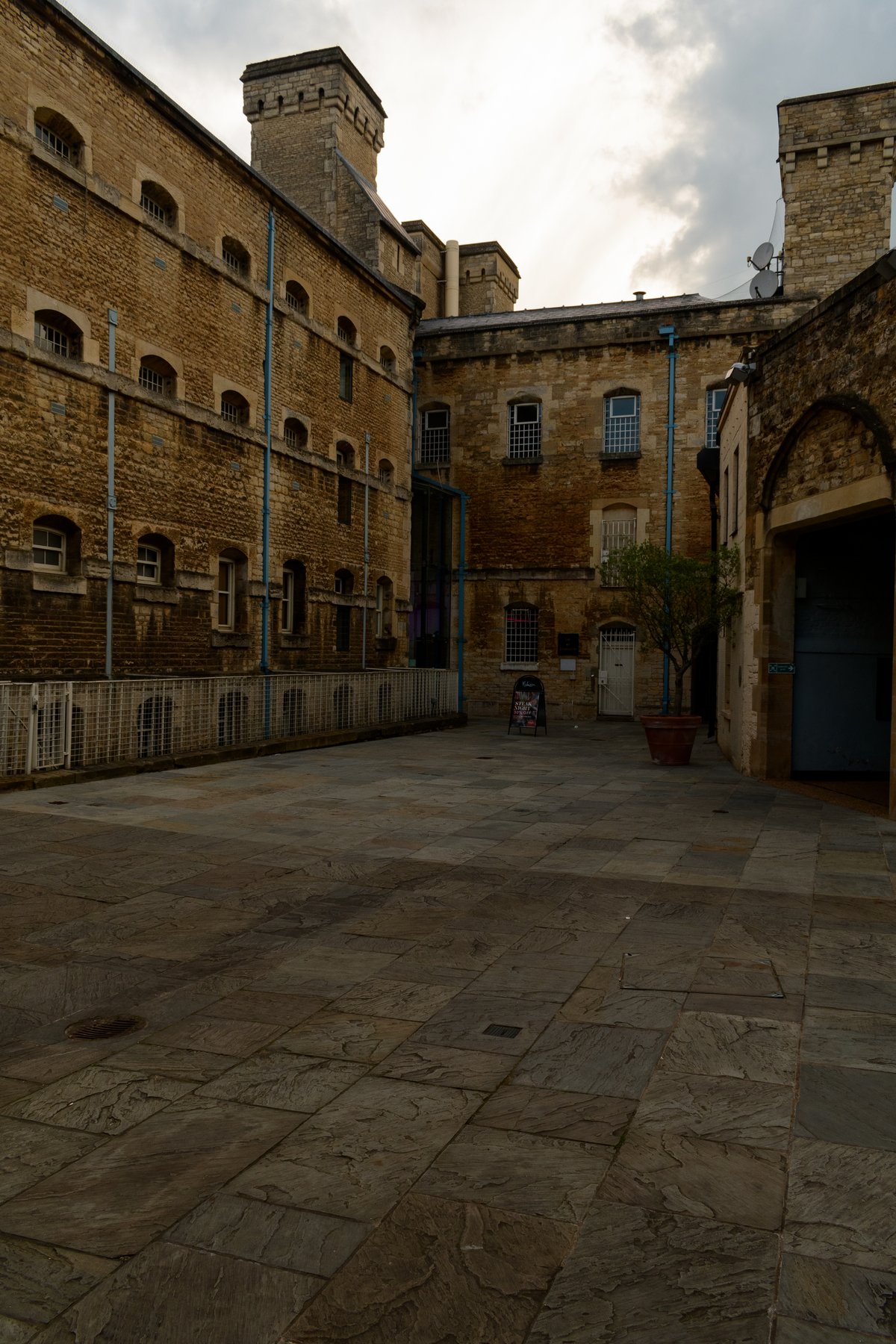
- Oxford Castle & Prison Explore 1,000 years of history, including guided tours of St George’s Tower and the castle crypt.
- Bodleian Library One of Europe’s oldest libraries, offering regular tours.
- Carfax Tower Offers panoramic city views.
- St George’s Tower The oldest building in Oxford, part of the castle complex.
- Saxon Tower of St Michael An 11th-century defensive structure.
- Christ Church College Famed for its architecture and cathedral.
- Ashmolean Museum Art and archaeology collections.
- Covered Market Historic market for local crafts and produce.
For a full day’s itinerary, start with Bastion 15, continue to Oxford Castle, and finish with the Bodleian Library and Carfax Tower.
Frequently Asked Questions (FAQ)
Q: What are Bastion 15’s opening hours?
A: Typically 10:00 AM–4:30 PM, April to October. Confirm on the New College website.
Q: How much are tickets for Bastion 15?
A: Around £7 for adults, with concessions for students and groups.
Q: Is Bastion 15 wheelchair accessible?
A: Main viewing areas are accessible, but some terrain is uneven. Contact in advance for assistance.
Q: Are guided tours available?
A: Yes, both self-guided and expert-led tours are available.
Q: Can I take photos?
A: Yes, but please respect college rules and privacy.
Q: Is Bastion 15 part of Oxford Castle or New College?
A: Bastion 15 is within New College grounds; other bastions and castle elements are separate but nearby (Oxford History).
Summary and Practical Tips
Bastion 15 is a living monument to Oxford’s rich and dynamic history, showcasing centuries of military innovation, architectural craftsmanship, and civic pride. Its preservation within New College ensures that visitors can appreciate both the structure’s medieval origins and its ongoing role within the city’s cultural life. Guided tours, educational events, and accessible visiting hours make Bastion 15 a highlight for any Oxford itinerary.
For the best experience:
- Check current hours and ticket info via official sources (Oxford Castle & Prison website; Museum of Oxford).
- Join a guided tour for in-depth insights.
- Pair your visit with other historic sites for a full day of exploration.
- Download the Audiala app for audio tours and updates, and follow local heritage organizations for news and events.