Place
United Kingdom Updated Oct 2026
Bicycle bells skim past honey-colored colleges, then give way to the hush beneath the Divinity School’s 15th-century stone vault. Oxford, United Kingdom, is a city where centuries of scholarship share narrow lanes with a timber-roofed market and the everyday business of buying lunch.
 Photo: Phil Evenden / Pexels
Built from cited sources · see the method · How we make our guides →
Oxford’s university isn’t gathered behind one gate; its colleges thread through the city centre, their courtyards and chapels opening onto ordinary streets. Look up from Radcliffe Square, where the circular Radcliffe Camera opened in 1749, then listen for music inside Christopher Wren’s Sheldonian Theatre, built between 1664 and 1669.
The museums reward the same unhurried attention as the architecture. At the University Museum of Natural History, opened in 1860, daylight filters through a glass-and-iron roof above 126 stone columns; behind it, the Pitt Rivers Museum packs more than 500,000 objects into old-fashioned cases.
Oxford loosens its tie by the water: punts slide along the Cherwell, and Christ Church Meadow opens onto the Thames, known here as the Isis. At 6 a.m. on May 1, the Magdalen College choir sings from its tower to welcome spring—a reminder that this is a living university town, not a museum of academic life.
Not every monument, just the ones we'd walk you past ourselves.

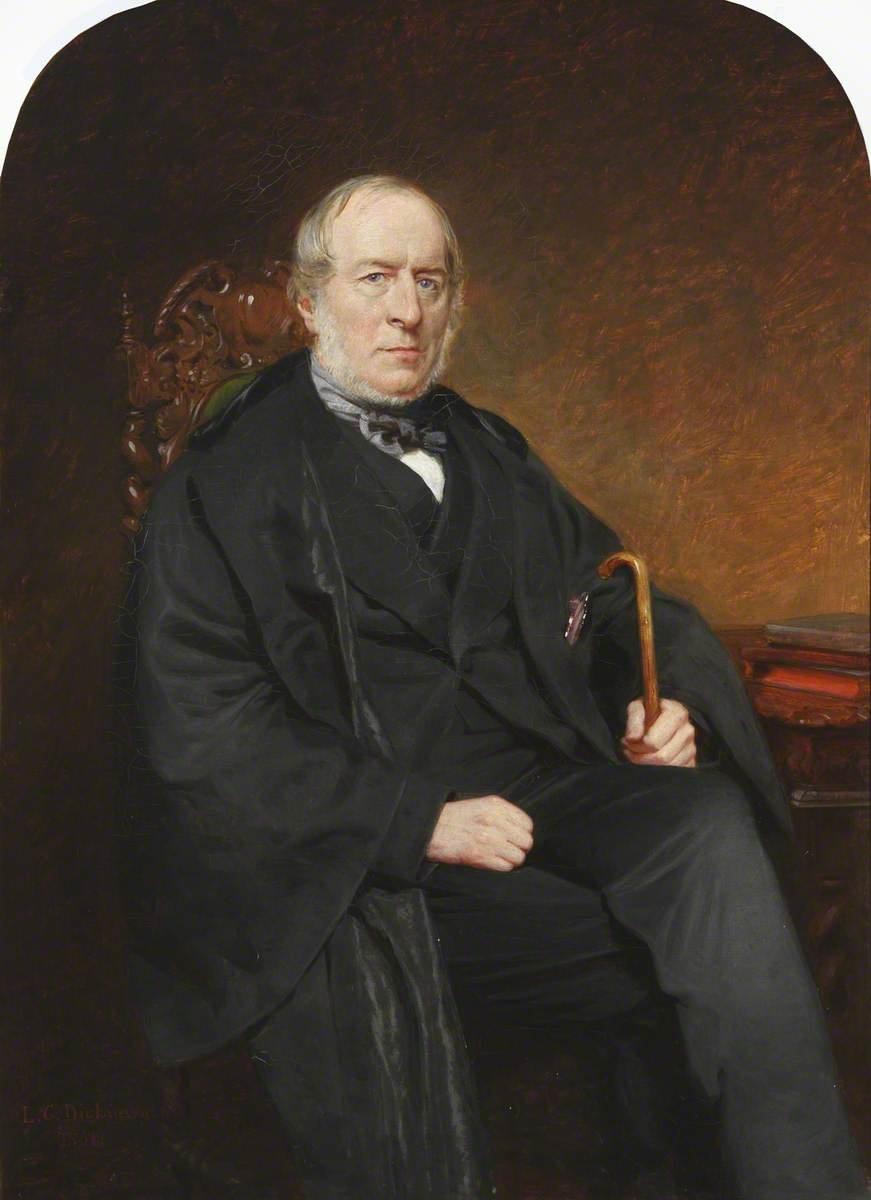
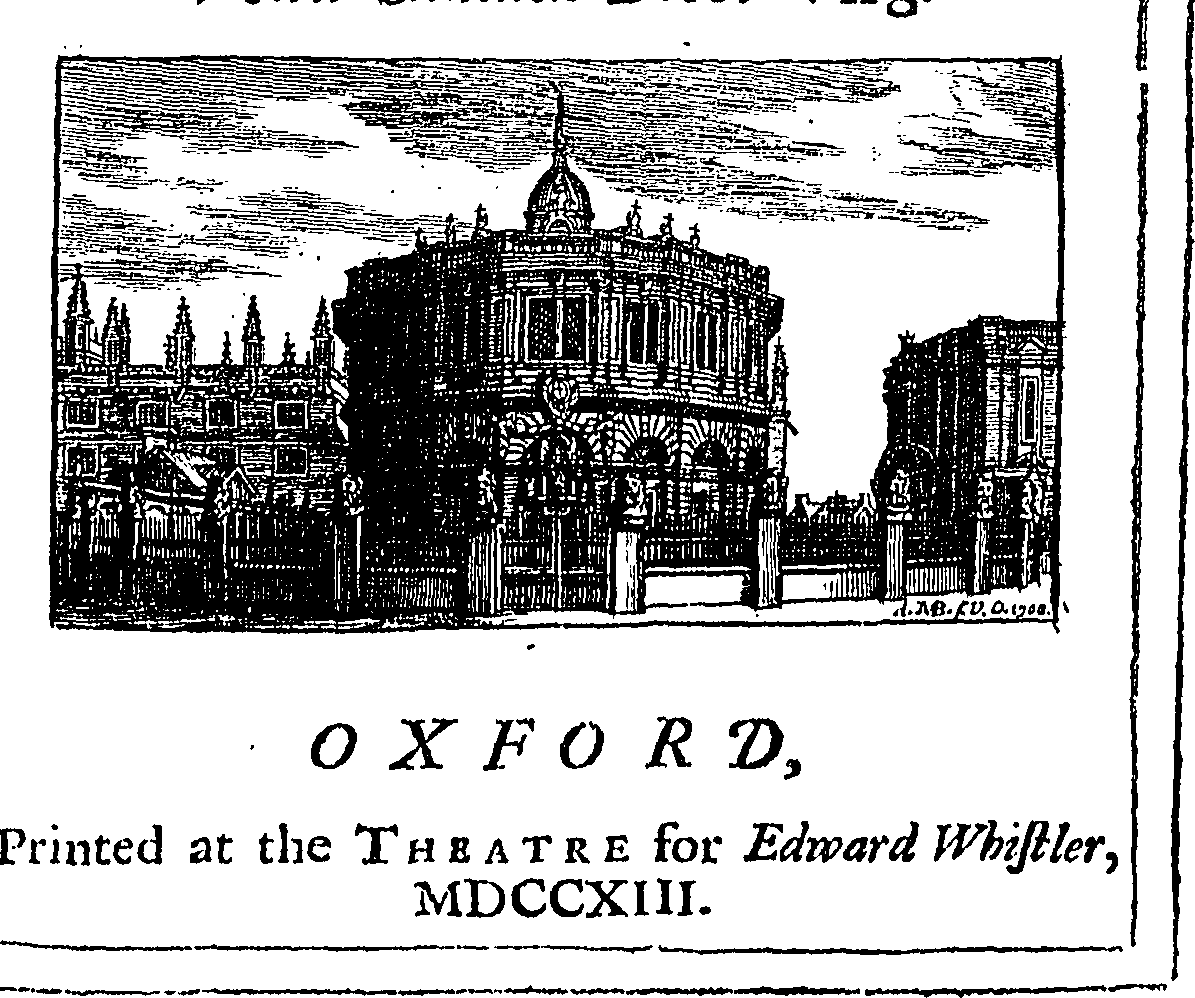
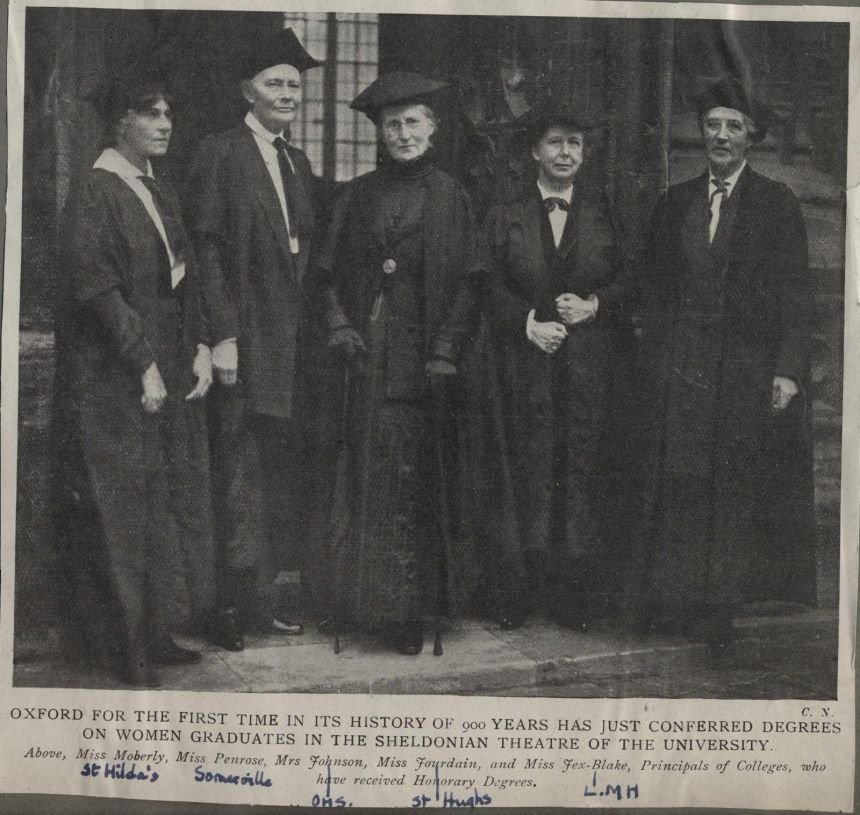
Where to wander, by quarter — each with its own rhythm.
Before you go
Curated from places in this city. Same price as official sites.


Prices shown are indicative — final pricing and availability are confirmed at checkout. Audiala may receive a commission from bookings made via these links.
From a river crossing and royal fortress to a university city reshaped by industry and science
Tradition places St Frideswide’s religious house near the Thames crossing around this time, where oxen could ford the river. The settlement took its name from that crossing; the story of its saint and its university would remain entwined.
Edward the Elder’s government incorporated Oxford into a chain of fortified settlements built to resist Danish attacks. Earthen banks and ditches guarded the town and its river crossing.
King Æthelred ordered the killing of Danes living in England. Later Oxford accounts say local Danes sought sanctuary at St Frideswide’s church, which townspeople set alight; the smoke of that episode survives more clearly in the telling than in contemporary records.
Norman baron Robert D’Oyly began building Oxford Castle to control the town and the Thames crossing. Its earth mound and timber defenses announced a new kind of authority, soon reinforced by stone.
Records place teaching at Oxford by 1096, though no single founding day can be named. Lessons took place in borrowed rooms and church buildings, long before colleges gave scholars a permanent home.
During the civil war known as the Anarchy, forces loyal to King Stephen besieged Empress Matilda in Oxford Castle. Accounts tell how she escaped in winter, dressed in white against the snow, and crossed the frozen Thames to reach safety.
After a woman’s death, townspeople hanged two Oxford scholars; masters and students then fled the city. Some went on to help establish a rival university at Cambridge, giving Oxford’s future competitor a beginning in an act of violence.
University College traces its foundation to 1249, followed by Balliol in 1263 and Merton in 1264. These institutions turned a loose community of teachers and students into a more settled collegiate world.
Plague swept through Oxford, killing residents and disrupting both civic life and the colleges. Empty rooms and lost incomes left marks on a town whose growth depended on scholars, servants, and trade.
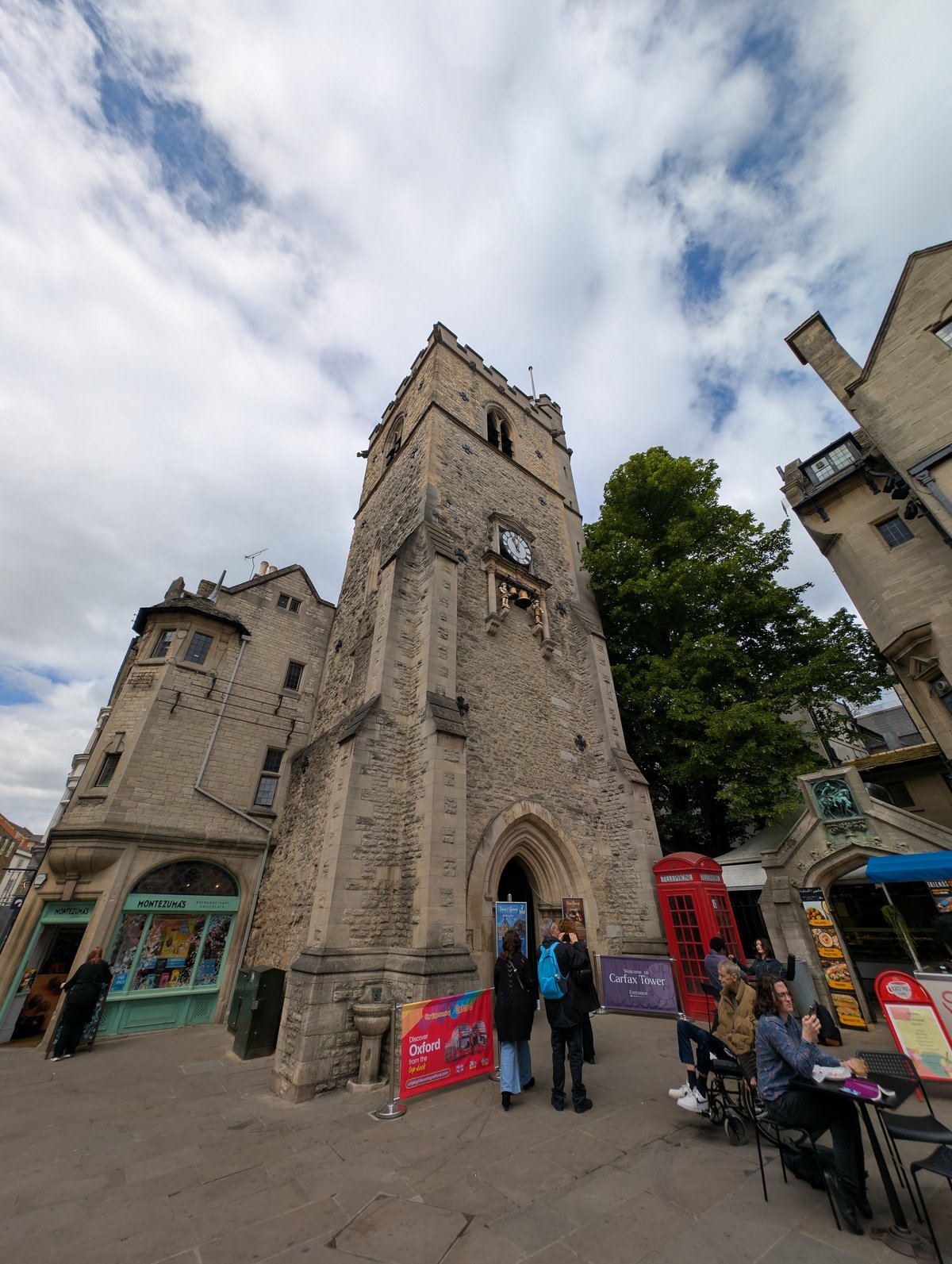
A quarrel over wine at the Swindlestock Tavern, near Carfax, became a three-day battle between townspeople and scholars. Around 60 scholars and perhaps 30 townspeople died; Edward III then strengthened the university’s control over local markets and civic affairs.
Oxford built the Divinity School as a dedicated room for teaching and examinations, completing it late in the 15th century. Its intricate stone vault still draws the eye upward, while Duke Humfrey’s Library later occupied the floor above.
Cardinal Thomas Wolsey suppressed St Frideswide’s Priory to create Cardinal College. After Wolsey fell from power, Henry VIII refounded the institution as Christ Church in 1546 and made the former priory church a cathedral.
Under Mary I, bishops Hugh Latimer and Nicholas Ridley were burned at the stake on Broad Street in 1555; Thomas Cranmer followed in 1556. The fires stood just beyond the old city ditch, and the executions made Oxford a central stage in England’s religious conflict.
Sir Thomas Bodley restored Duke Humfrey’s Library and reopened it as the Bodleian. The collection grew into a national scholarly resource, its readers working beneath old timber and stone while the university kept expanding its shelves.
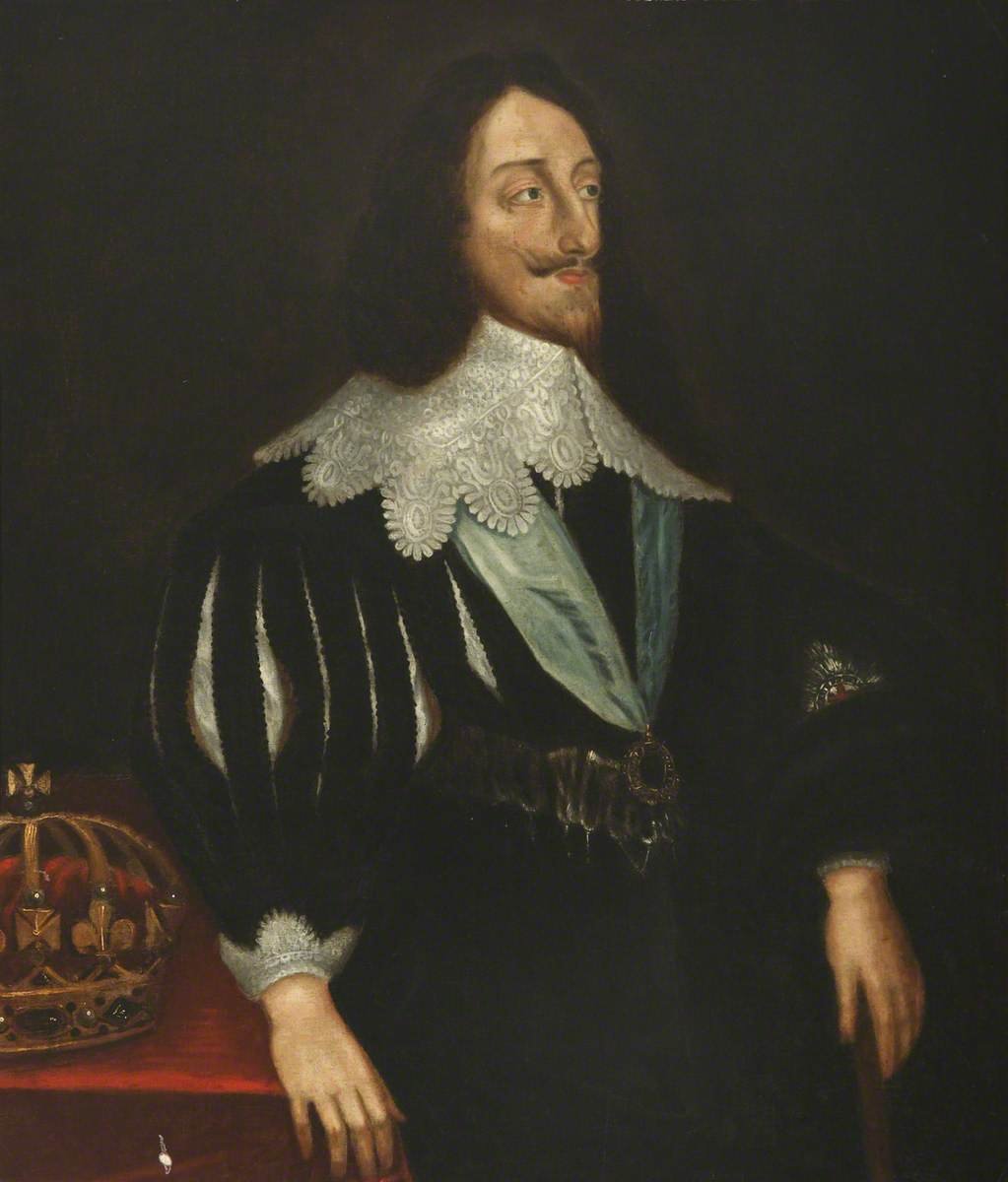
Charles I made Oxford his headquarters during the English Civil War, holding court at Christ Church and convening Parliament in the city. Parliamentary forces eventually besieged it; the Royalists surrendered on 24 June 1646.
Robert Boyle settled in Oxford and worked with his assistant Robert Hooke on experiments involving air and pressure. Their pumps and glass vessels helped turn inquiry into a practical craft: observe, test, and try again.
Christopher Wren designed the Sheldonian Theatre for university ceremonies, giving Oxford a secular hall for formal academic life. It opened in 1669, its painted ceiling and broad interior built for crowds rather than quiet study.
The university opened the Ashmolean Museum to the public, displaying Elias Ashmole’s collections on Broad Street. Curiosities and specimens gave visitors a new way to encounter learning: not only through books, but through objects behind glass.
Work began on the Radcliffe Camera, designed by James Gibbs and funded by physician John Radcliffe’s bequest of £40,000. When the library opened in 1749, its circular stone rooms added a new silhouette to the older college courts around Radcliffe Square.
John Keble’s sermon at the University Church of St Mary the Virgin helped launch a movement to renew the Church of England’s liturgy and tradition. Oxford’s pulpits and pamphlets became its working ground, with John Henry Newman and Edward Bouverie Pusey among its leading voices.
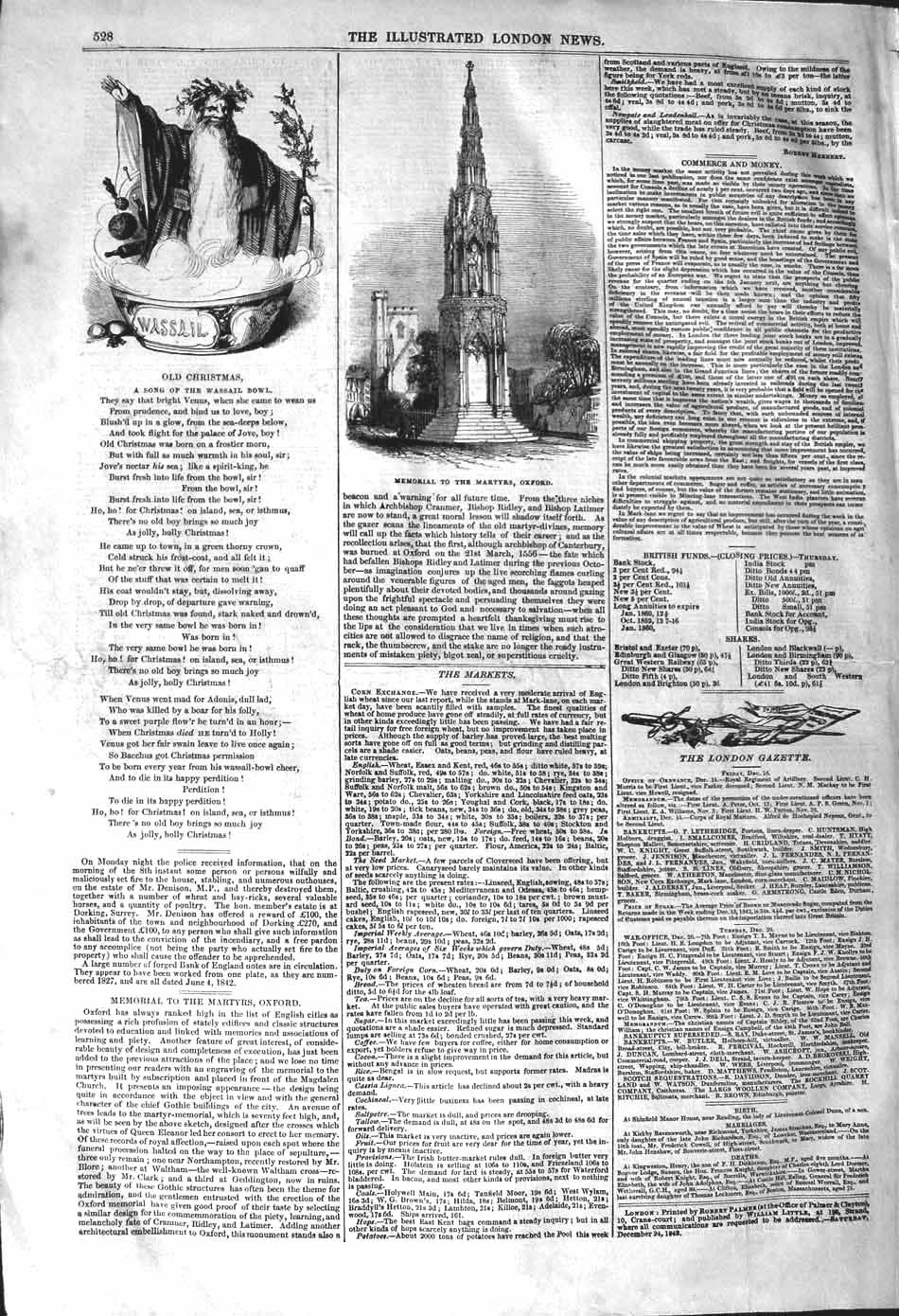
A Gothic memorial to Latimer, Ridley, and Cranmer rose on St Giles between 1841 and 1843. In 1844 the railway reached Oxford, linking its scholarly streets to London by steam and making the city easier to reach than ever before.
At Oxford’s new University Museum of Natural History, biologist Thomas Henry Huxley and Bishop Samuel Wilberforce debated Darwin’s theory of evolution. The event entered public memory as a clash between science and religion, though the best-known retellings sharpened the exchange into legend.
Lady Margaret Hall and Somerville Hall opened in 1879, giving women a place to study in Oxford while the university still withheld degrees. Full degree membership came only in 1920, after decades of women doing the work without receiving the same title.
William Morris’s car works at Cowley began production, shifting Oxford beyond its familiar colleges and markets. Assembly lines brought jobs and new housing to the city’s southeast, and the factory’s descendants still make cars there.
J.R.R. Tolkien took up the Rawlinson and Bosworth Professorship of Anglo-Saxon at Oxford. He taught the language of old poems in the same city where he would later write stories populated by invented languages, deep histories, and carefully drawn maps.
C.S. Lewis became a fellow and tutor at Magdalen College, where he spent nearly three decades teaching literature. His Oxford rooms and conversations with Tolkien and other Inklings helped shape the books he would write beyond the lecture hall.
Oxford escaped the heavy bombing that destroyed parts of other British cities, while colleges and public buildings served wartime needs. Hospitals, evacuees, and military work filled rooms normally given over to lectures and ceremonies.
On 6 May, Roger Bannister ran a mile in 3 minutes 59.4 seconds at Iffley Road track. The crowd heard the time announced over the loudspeaker, and a barrier once treated as beyond human reach became a mark runners could chase.
A £440 million redevelopment brought the Westgate shopping centre back into central Oxford. Its scale and glass-fronted streets marked a new chapter in the city centre, where daily commerce had long shared ground with university life.
Researchers at the University of Oxford’s Jenner Institute and Oxford Vaccine Group developed the ChAdOx1 COVID-19 vaccine with AstraZeneca. UK authorization arrived in December, carrying work begun in Oxford into a worldwide public-health effort.
Writer and scholar · 1898–1963
Taught at Magdalen College and walked Addison’s Walk
Lewis taught at Magdalen College for nearly three decades, and the college’s quiet riverside path, Addison’s Walk, became part of his Oxford life. Today’s visitors meet the city he knew in the hush of its courtyards and the everyday footpaths between them.
Writer and scholar · 1892–1973
Taught at the University of Oxford and met with the Inklings there
Tolkien’s Oxford was a working city of lectures, libraries and conversations with the Inklings, whose members read drafts aloud and argued over stories. He might recognize the same mix of scholarly routine and imaginative escape in today’s college lanes.
Where locals actually book dinner — not the tourist menus.
Small things that change how the city treats you.
The city, as it actually looks.
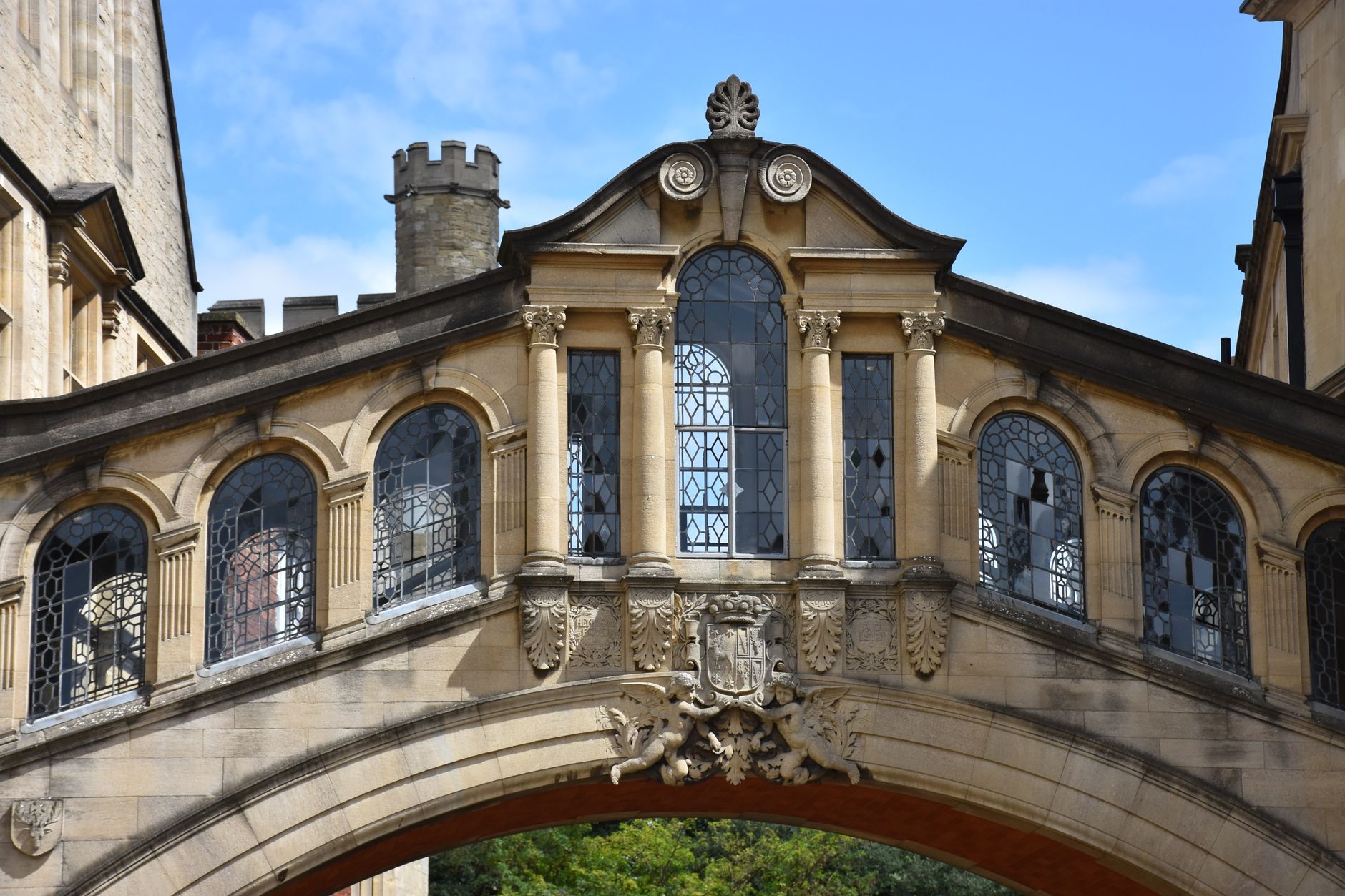


Yes, especially if you enjoy historic architecture, university museums and literary history. The medieval colleges sit within walking distance of free collections such as the Ashmolean and the Natural History Museum.
Two to three days gives you time for the central colleges, a museum or two and a riverside walk without rushing. With one day, focus on Radcliffe Square, the Bodleian area, Christ Church and one major museum.
The fastest trains from London Paddington take about 50 minutes; Chiltern Railways services from Marylebone take roughly 1 hour 12 minutes to 1 hour 25 minutes. The Oxford Tube coach is another option, with frequent services to central London.
Yes. The compact city centre is easy to explore on foot, and buses serve areas farther out; Oxford has no metro or tram. On Oxford Bus Company buses, contactless Freeflow fares are capped when you tap on and off with the same card or device.
Oxford is generally safe, but take care of phones and bags in crowded shopping areas and secure bicycles with a heavy-duty D-lock. After dark, use well-lit main routes rather than unlit canal or river towpaths.
It can be, particularly if you add paid college visits and guided tours, but several major museums are free. College entry fees vary, so check current prices and opening times before you go; Bodleian tours are paid.
108 places to discover






Showing 1–48 of 108 places
Saved and recently read places — kept on this device only.
Photos may have been resized or cropped.