
Early Development
Villa di Castello’s origins trace back to a 13th-century rural building, anchored by a medieval tower and the remnants of a Roman aqueduct. In 1477, Giovanni and Lorenzo di Pier Francesco de’ Medici purchased the property, initiating its transformation into a distinguished Medici residence. This acquisition marked the beginning of a tradition where the Medici established country villas as both retreats and mechanisms of regional influence (travelingintuscany.com, UNESCO).
Medici Patronage
During the Renaissance, Villa di Castello became a hub for Medici patronage and humanist thought. Notably, Botticelli’s masterpieces “Primavera” and “The Birth of Venus” were originally commissioned for this villa, underlining its role as a center for artistic innovation. Cosimo I de’ Medici, who spent his youth at Castello, undertook grand renovations after becoming Grand Duke, transforming the estate into a showcase of Medici authority and cultural ambition (tuscanynowandmore.com).
Architectural and Garden Innovation
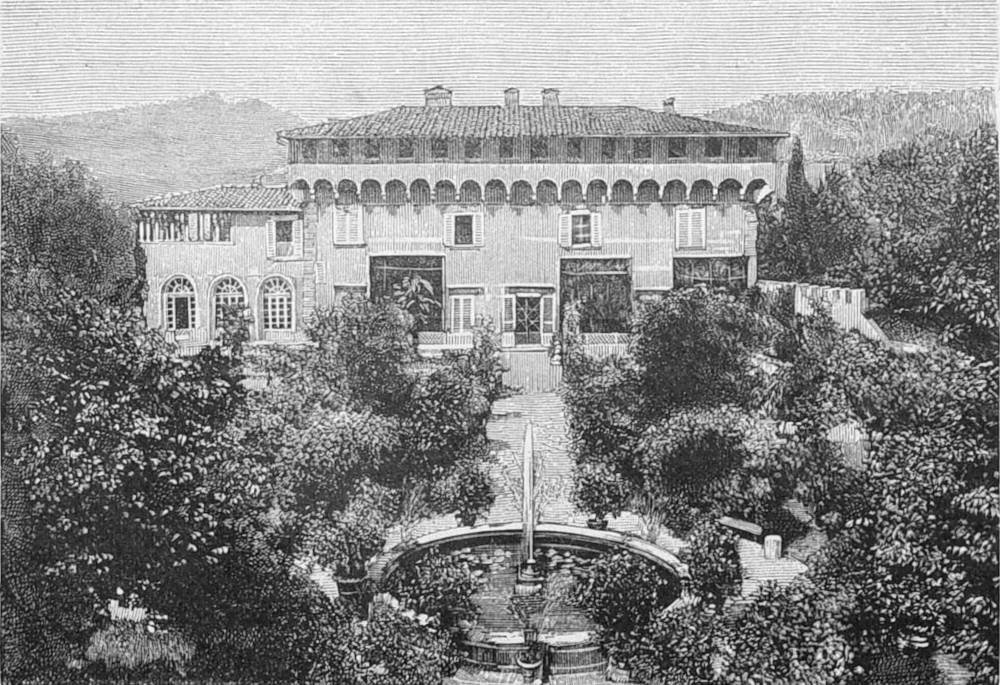
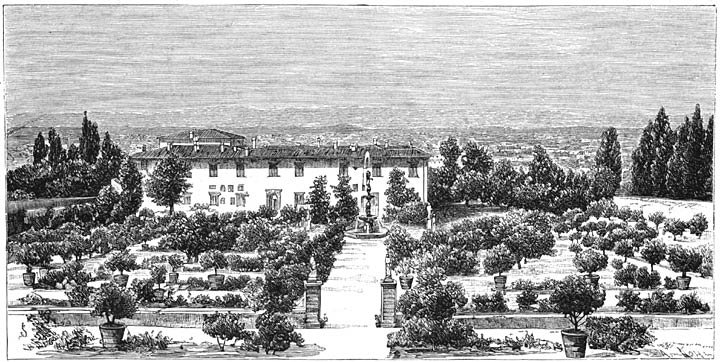
Under architects like Giorgio Vasari and Niccolò Tribolo, Villa di Castello evolved into a model of Renaissance integration between art, nature, and political symbolism. The villa’s sober, rectangular architecture is complemented by grand ramps and open porticoes. The gardens, structured on three terraces, feature ornate fountains—including the Fountain of Hercules and Antaeus and the Grotta degli Animali (Cave of the Animals)—and rare botanical specimens. These innovations set a precedent for Renaissance and later European gardens, influencing the design of the Boboli Gardens and even Versailles (travelingintuscany.com).
Political and Cultural Significance
The villa and its gardens served as a stage for Medici political power and intellectual life, hosting artists, scholars, and diplomats. The gardens were designed to impress visitors and symbolize the Medici’s enlightened rule—an ideal reflected in the allegorical sculptures and hydraulic engineering marvels (UNESCO).
Later History and Preservation
After the Medici era, the villa came under the ownership of the Habsburg-Lorraine and Savoy families, who introduced further modifications. In the 19th century, it was used as a royal residence, and in 1919, the estate was entrusted to the Italian state. Since 1984, Villa di Castello has operated as a national museum, with preservation efforts maintaining its Renaissance character.
UNESCO Recognition
In 2013, Villa di Castello and other Medici villas were designated as a UNESCO World Heritage Site, acknowledging their universal value as masterpieces of architecture and landscape design and their profound influence on European culture (UNESCO).
Notable Artworks and Collections
Although many original works (such as Botticelli’s paintings) were relocated to museums, the villa retains important Medici portraits, period furnishings, and significant statuary in its gardens. Noteworthy are the citrus tree collections and the rare double jasmine introduced by Cosimo III de’ Medici.
The Medici Villa Network
Villa di Castello forms part of a network of Medici villas encircling Florence and Tuscany. Each estate had distinct roles in agriculture, leisure, and governance, collectively supporting the Medici’s dominance in the region (tuscanynowandmore.com).
Legacy and Influence
Villa di Castello is a living testament to the Medici’s ascent and enduring impact on the arts, politics, and landscape design. As the seat of the Accademia della Crusca, it remains active in Italian cultural life, linking past and present (travelingintuscany.com).
Visitor Information
Visiting Hours
- Current Hours Tuesday to Sunday, 8:15 AM – 1:50 PM (last admission at 1:20 PM)
- Closed Mondays, January 1st, December 25th, and select holidays
Seasonal variations may apply; always check the official site for updates.
Tickets and Booking
- Gardens Free admission year-round
- Villa Interior Accessible only via guided tours, which are free but require same-day registration upon arrival (no advance booking)
- Special Tours Some exhibitions or events may require advance tickets
- Discounts EU citizens under 18, residents of Florence under 25, and disabled visitors with a companion typically receive free admission
Getting There
- By Bus ATAF bus lines #2 or #28 from Santa Maria Novella (SMN) train station; alight at “Sestese 03”
- By Car Limited parking near the entrance; public transport is recommended during peak times
- By Taxi Approximately 15 minutes from central Florence
- Cycling/Walking Possible via scenic routes
Accessibility
- Gardens Mostly flat but with some gravel paths and uneven terrain
- Villa Interior Limited accessibility due to historic structure; contact staff in advance for assistance
- Facilities Restrooms near the entrance; no café or restaurant on-site
Guided Tours and Events
- Interior Tours Hourly, subject to staff availability; check availability upon arrival
- Special Events Concerts, exhibitions, and educational programs are held throughout the year; see the official calendar
- Photography Allowed in gardens and most interiors (no flash/tripods)
Facilities and Amenities
- Restrooms Near entrance
- Shaded Areas In the gardens
- Food & Drink None available on-site; bring water/snacks or plan to dine in Florence
Nearby Attractions
- Villa Petraia Another Medici villa within walking distance
- Boboli Gardens & Palazzo Pitti Iconic Florence sites
- Florence Historic Center Uffizi Gallery, Duomo, Ponte Vecchio
Practical Tips
- Best Visiting Seasons Spring and early autumn for pleasant weather and blooming gardens
- Typical Visit Duration 1.5 to 2 hours to explore both gardens and villa
- Etiquette Stay on paths, avoid touching plants/statues, maintain quiet indoors
- Language Staff usually speak Italian and English; basic Italian greetings are appreciated
- Dress Comfortable shoes and modest attire, especially for indoor tours
Frequently Asked Questions (FAQ)
Q: What are Villa Castello’s visiting hours?
A: Tuesday–Sunday, 8:15 AM–1:50 PM; closed Mondays and selected holidays.
Q: Is there an admission fee?
A: Gardens are free; villa interior tours are free but require registration on the day.
Q: Are guided tours available?
A: Yes, for the villa interior; register at the entrance.
Q: Is the site accessible to wheelchair users?
A: Gardens are partially accessible; villa interiors have limited access—contact ahead for details.
Q: Are photos allowed?
A: Yes, in gardens and most rooms (no flash/tripods).
Q: How do I get there by public transport?
A: Take ATAF bus #2 or #28 from Santa Maria Novella to “Sestese 03”.
Visual Gallery
Discover More
Enhance your experience with the Audiala app for curated itineraries, audio guides, and real-time updates. For news on events and exhibitions, subscribe to our newsletter and follow us on social media.
Explore additional articles on Renaissance art, Medici history, and Tuscany’s best gardens for a richer cultural journey.
Summary and Final Tips
Villa Castello captures the essence of Medici patronage, Renaissance artistry, and botanical mastery. Free garden access, guided villa tours, and proximity to other Medici sites make it ideal for history buffs and casual visitors alike. Visit in spring or early autumn for the best experience, and always consult the official site and Visit Florence portal for the latest updates.
Download the Audiala app for travel tips, audio guides, and personalized itineraries, and immerse yourself in the Medici legacy at one of Florence’s finest Renaissance landmarks (travelingintuscany.com).