
Origins and Historical Context
The concept of the "gabinetto"—a special room dedicated to works on paper—originated in the Renaissance, inspired by the aristocratic "Kunstkammer" and "Wunderkammer" traditions. Collectors assembled drawings and prints for both study and display (artandthecities.com). Florence, the cradle of the Renaissance, played a pivotal role in transforming these private cabinets into public institutions.
The Medici family’s extensive acquisition of works on paper laid the foundation for the Gabinetto at the Uffizi. By the 18th century, the Grand Dukes of Tuscany formally established the GDS, matching a broader European trend toward specialized museum collections (Uffizi official site).
Institutional Development and Collection Growth
The GDS’s collection expanded rapidly in the 19th and 20th centuries, now totaling over 177,000 items (Uffizi official site). Key milestones include:
- Systematic Cataloguing Facilitating research and accessibility.
- Conservation Laboratories Ensuring preservation of fragile works.
- Regular Exhibitions Rotating displays to protect sensitive materials and provide fresh insights (Uffizi exhibitions).
- Digital Initiatives Projects like Euploos digitize the collection for global access.
Visiting Information
Location and How to Get There
The Gabinetto dei Disegni e delle Stampe is located on the first floor of the Uffizi Gallery, within the historic center of Florence at Piazzale degli Uffizi, 6 (Uffizi - Department of Prints and Drawings). The Uffizi is easily reached on foot from Santa Maria Novella train station or by city bus. Parking is extremely limited in the historic center; public transport or walking is recommended.
Opening Hours and Tickets
- GDS Exhibition Rooms Open Tuesday to Sunday, 8:15 AM to 6:30 PM (last admission 5:45 PM). Closed on Mondays and select holidays (Museionline).
- Admission Entry to GDS exhibitions is included in the standard Uffizi Gallery ticket (Uffizi Tickets).
- Full Ticket: €20
- Reduced Ticket: €10 (EU citizens aged 18-25)
- Free: Under 18, Florence residents, and other categories
- Booking Advance online booking is highly recommended, especially during peak seasons.
Accessibility and Visitor Services
- Physical Accessibility Elevators, ramps, and accessible restrooms are available throughout the Uffizi (Uffizi Accessibility). Assistance is available upon request.
- Visitor Amenities Cloakrooms, restrooms, a café, and bookshop are inside the Uffizi complex.
Booking Study Room Access
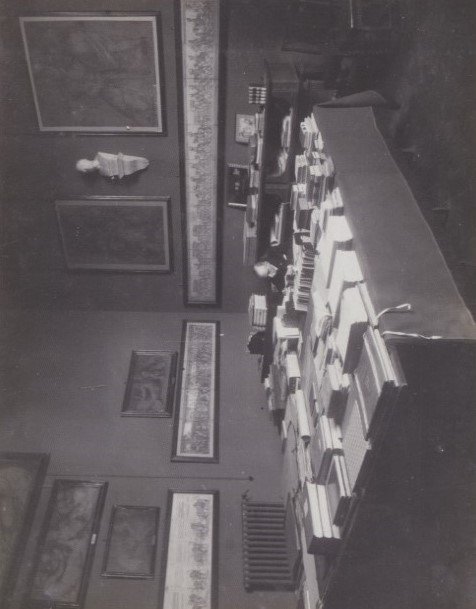
- Researchers The GDS offers a Study Room with over 30 workstations for scholars, open by appointment only (Uffizi - Department of Prints and Drawings).
- How to Book Email [email protected] with your name, address, research dates, purpose, and a list of desired works (with inventory numbers).
- Identification Bring valid ID for entry.
- Hours Typically Monday, Wednesday, Friday 8:30 AM–1:30 PM; Tuesday, Thursday 8:30 AM–5:00 PM. Confirm when booking.
- Regulations Only pencils allowed; no photography; leave bags in the cloakroom.
Nearby Attractions and Travel Tips
Combine your visit with other Florence highlights:
- Piazza della Signoria
- Palazzo Vecchio
- Ponte Vecchio
- Florence Cathedral (Duomo)
- Palazzo Pitti
Weekday mornings are less crowded. Consider sightseeing passes for convenience.
Collection Highlights and Notable Works
The GDS houses approximately 180,000 works spanning the 14th century to today (Uffizi Firenze; Euploos Project). The collection covers Italian and Northern European schools and a wide range of techniques.
Italian Masters
- Leonardo da Vinci “Paesaggio a penna” (1473), preparatory sketches for “Battaglia di Anghiari.”
- Michelangelo Drawings for “Battaglia di Cascina.”
- Raphael Studies revealing his creative process.
- Pontormo, Andrea del Sarto, Botticelli Foundational works of the Florentine school.
Northern European Masters
- Albrecht Dürer Engravings, woodcuts.
- Rembrandt Expressive etchings.
- Peter Paul Rubens, Anthony van Dyck, Lucas van Leyden Baroque and Renaissance graphics bridging North and South.
Artistic Techniques
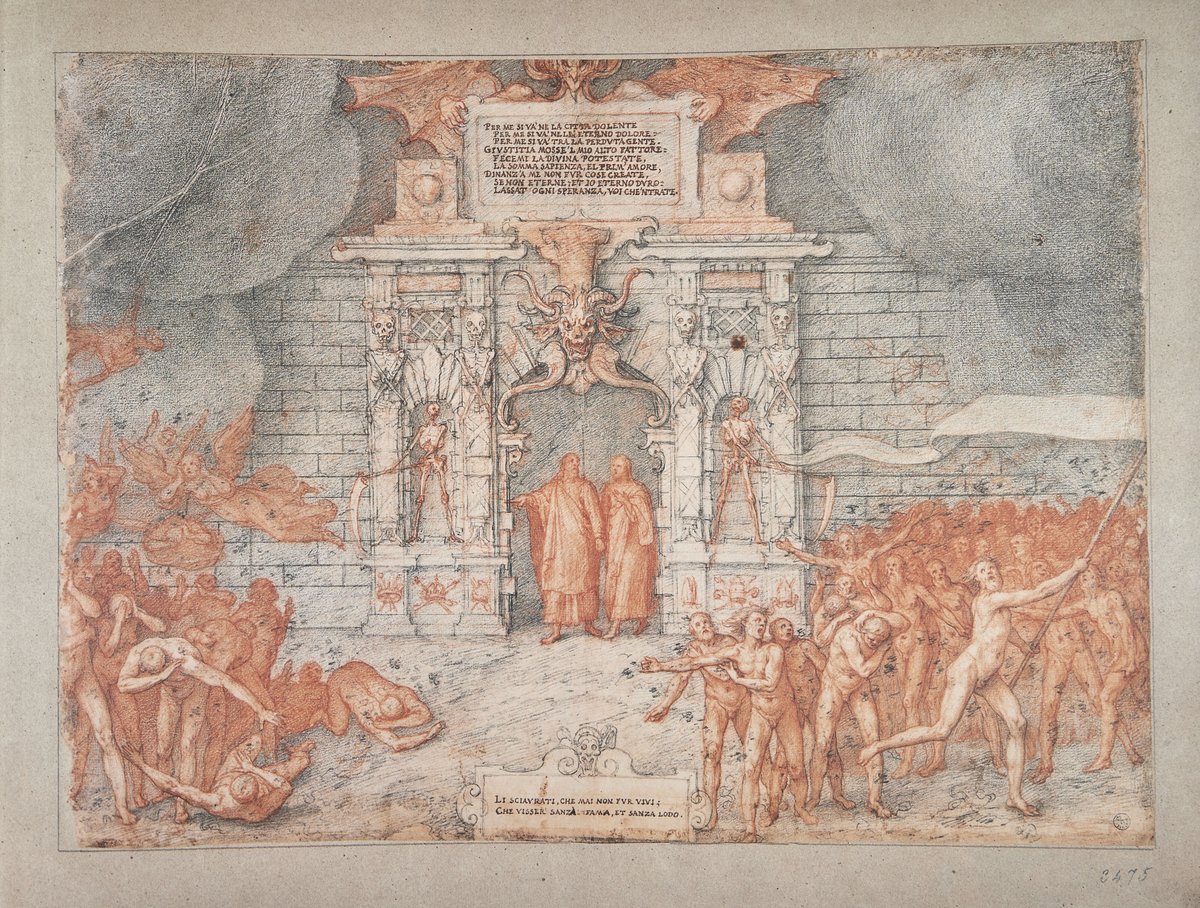
- Drawings Pen and ink, red/black/white chalk, metalpoint, watercolor, wash.
- Prints Engraving, etching, woodcut, lithography, aquatint.
Special focus is given to preparatory sketches for lost masterpieces and to the Medici’s acquisitions from Northern Europe (CODART).
FAQs
Q: What are the visiting hours?
A: Tuesday–Sunday, 8:15 AM–6:30 PM. Closed Mondays.
Q: How do I buy tickets?
A: Through the Uffizi Gallery website or at the entrance. Advance booking recommended.
Q: Is the GDS wheelchair accessible?
A: Yes, with staff assistance and accessible facilities.
Q: Are guided tours available?
A: Yes, bookable through the Uffizi or local operators.
Q: Can I take photos?
A: Generally, no photography is allowed due to conservation needs.
Q: Can anyone use the Study Room?
A: Access is restricted to researchers by appointment.
Visitor Tips and Practical Advice
- Check the Uffizi website for current exhibitions before your visit.
- Arrive early to avoid crowds.
- Respect conservation rules No touching, no flash photography, silence in study areas.
- Combine your visit with other nearby cultural sites.
- Download the Audiala app for audio guides and up-to-date information.
- Follow the Uffizi on social media for news and events.