
What the Museo dell’Opera del Duomo is
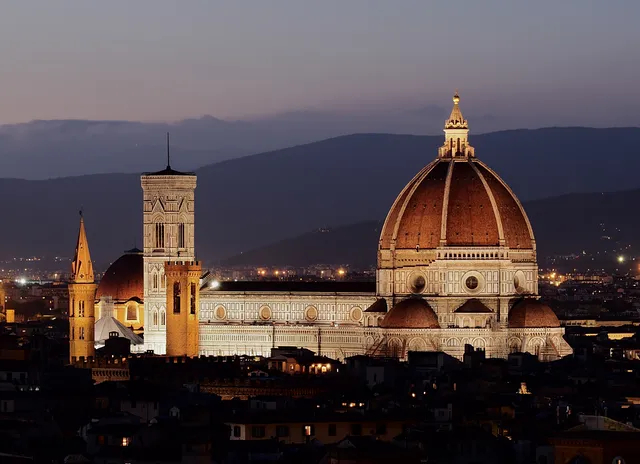
Located behind Florence Cathedral (Santa Maria del Fiore), the Museo dell’Opera del Duomo preserves and displays original artworks and architectural elements from the cathedral complex, including the Baptistery of San Giovanni and Giotto’s Campanile. Its collection contains more than 750 works, from the late 13th to the 19th centuries, including Ghiberti’s “Gates of Paradise,” Donatello’s “Penitent Magdalene,” and Michelangelo’s unfinished “Pietà Bandini.”
The museum’s collection includes statues, reliefs, paintings, manuscripts, textiles, and liturgical objects. Its galleries and reconstructed architectural settings trace the artistic and architectural history of the Duomo complex. Dedicated displays explain Brunelleschi’s Dome and its construction techniques.
The museum is a symbol of Florentine identity, preserving works commissioned by the city’s guilds. It reflects the intersection of religious devotion, artistic innovation, and civic pride in Renaissance Florence. Its collection is a cornerstone of Florence’s UNESCO World Heritage status, and its use of reconstructed settings has influenced museum curation globally.
History and development
The Museo dell’Opera del Duomo was founded in 1891 to protect original artworks and architectural elements from the cathedral complex. “Opera” refers to the Opera di Santa Maria del Fiore, the institution responsible for building and maintaining the cathedral. The museum occupies a former workshop where masterpieces, including Michelangelo’s “David,” were initiated.
The museum was established to protect works from weather, theft, and changing church practices. Many original sculptures were replaced by replicas at their original sites.
Initially housed within the Opera di Santa Maria del Fiore’s headquarters, the museum expanded in 1997 with the acquisition of the adjacent Teatro Nuovo. A major renovation led by architect Adolfo Natalini took place between 2009 and 2015 and doubled the museum’s size. The museum is described as covering nearly 6,000 square meters; the expanded space is also given as 6,000 square meters across 25 rooms. Another description of its layout gives three floors and 28 rooms.
The museum also undertakes conservation of centuries-old works. Donatello’s “Penitent Magdalene,” for example, underwent restoration after the 1966 flood. Its conservation labs use advanced techniques to preserve the collection.
What to see
Grand Hall and facade gallery
The Grand Hall contains a full-scale reconstruction of the Duomo’s original 14th-century facade, with original statues by Arnolfo di Cambio. Opposite it are the original bronze doors of the Baptistery, including Ghiberti’s “Gates of Paradise.” (visitflorencemuseums.com)
Sculpture galleries
The collection includes works by Lorenzo Ghiberti, Donatello, Luca della Robbia, Michelangelo, Arnolfo di Cambio, Andrea Pisano, and Nanni di Banco. Galleries devoted to Donatello, Michelangelo, Luca della Robbia, and others offer close views of Renaissance sculpture. (theflorenceinsider.com)
Notable works include:
- Ghiberti’s “Gates of Paradise” Gilded bronze doors made for the Baptistery and considered a Renaissance masterpiece.
- Cantorie by Donatello and Luca della Robbia Dynamic 15th-century choir lofts with reliefs celebrating music and movement.
- Donatello’s “Penitent Magdalene” An expressive wooden sculpture of Mary Magdalene.
- Michelangelo’s “Pietà Bandini” An unfinished marble group reflecting Michelangelo’s late spirituality.
- Facade and bell-tower sculptures Statues by Arnolfo di Cambio, Andrea Pisano, and Nanni di Banco that once adorned the cathedral’s facade and bell tower.
Brunelleschi’s Dome and construction
A section on Brunelleschi’s Dome displays original tools and wooden models, alongside multimedia presentations about the dome’s engineering and construction techniques. (duomo.firenze.it)
The Magdalene and Santa Reparata
The museum displays mosaics, tombs, and other artifacts from the early Christian basilica of Santa Reparata, connecting the Duomo complex with Florence’s ancient past. (visitflorencemuseums.com)
Practical visiting information
Location and opening hours
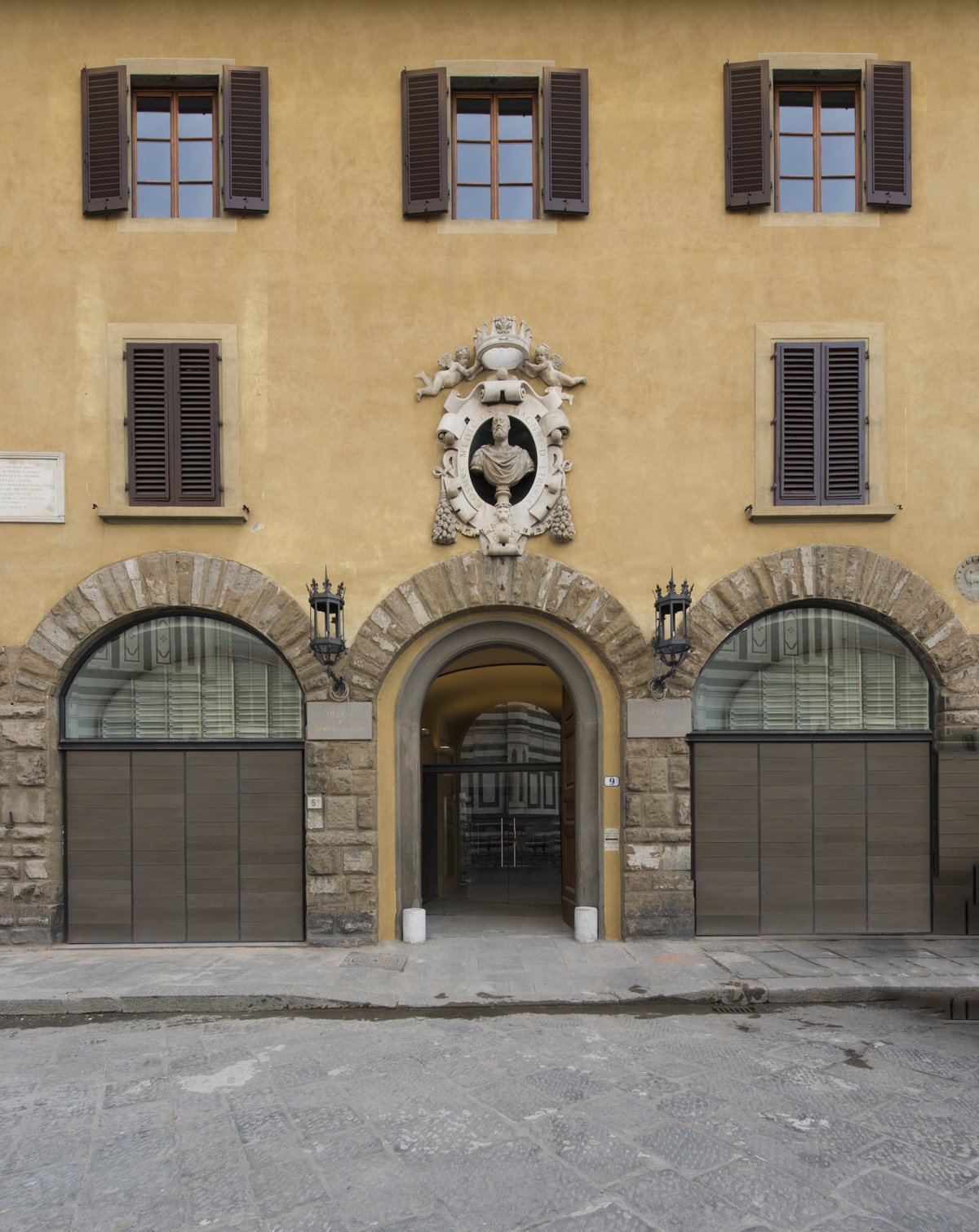
The museum is at Piazza del Duomo 9, behind the cathedral’s apse. (whichmuseum.com)
- Open Tuesday to Sunday, 9:00 AM–7:00 PM; last entry at 6:00 PM.
- Closed Mondays, January 1st, and December 25th.
- Hours may vary on religious holidays. Check the official timetable.
Tickets and passes
- General admission €18.
- Reduced ticket €10 for EU citizens aged 18–25.
- Free admission Children under 18, Florence residents, and select categories. Disabled visitors can reserve free admission by emailing [email protected].
- Museum admission is bundled with Duomo Complex passes; there are no museum-only tickets. Passes include the Brunelleschi, Giotto, and Ghiberti options.
- Passes are valid for 72 hours from first entry and include one visit per monument. They cover the museum, cathedral, dome, bell tower, baptistery, and Santa Reparata.
- Tickets are available online through the official ticketing page or on-site; online booking is strongly recommended.
- Nominative tickets, such as the Brunelleschi Pass, require ID.
Tours and events
Guided tours are offered in multiple languages and can be booked online or at the museum. School groups can book tours and didactic resources in advance, and advance reservations are recommended for groups. Interactive installations and educational tours are available for children. (visititaly.eu) (duomo.firenze.it)
The museum hosts temporary exhibitions and special events. Check the official events calendar and the official website for listings.
Accessibility and facilities
Elevators and ramps connect all floors, with tactile paths and materials for visually impaired visitors and accessible restrooms throughout the museum. The museum is accessible for visitors with disabilities; the Dome and Bell Tower climbs are exceptions.
Luggage storage is mandatory for large bags and backpacks. It is described as being at Piazza Duomo 38/r and as free storage next to the entrance. The museum also has a shop selling books, souvenirs, and replicas, and modern restrooms, including accessible facilities. Audio guides are available in multiple languages. (whichmuseum.com)
Entry rules and photography
Animals are not allowed except service animals. Food, drinks, flash photography, selfie sticks, and tripods are prohibited. Non-flash photography is permitted. (duomo.firenze.it)
There is no dress code in the museum, but modest attire is required for the cathedral and Baptistery. Visitors are asked to maintain a quiet, respectful atmosphere because of the museum’s cultural and spiritual significance.
Tips for visiting
- Allow at least 1.5–2 hours for a visit.
- Early morning or late afternoon visits are recommended to avoid crowds. Timed entry and the spacious layout help manage visitor flow. (european-traveler.com)
- Wear comfortable shoes.
- A museum map or the official app can help with navigation. The app offers interactive maps, virtual tours, and high-quality images of masterpieces. Multimedia guides provide commentary in multiple languages, and online resources include panoramic images and virtual walkthroughs. (duomo.firenze.it) (duomo.firenze.it)
- Signage is in Italian and English; audio guides are available in several languages.
- Passes let you combine the museum with visits to other Duomo Complex sites over 72 hours. (visitflorence.com)
- The rooftop terrace offers panoramic views of Brunelleschi’s Dome. The terrace, courtyards, and galleries also provide photographic opportunities. (thegeographicalcure.com)
- Contact the museum at [email protected] or +39 055 2645789.
Nearby places
The museum is within walking distance of central Florence. Nearby public transport is at Piazza San Giovanni and Via de’ Cerretani.
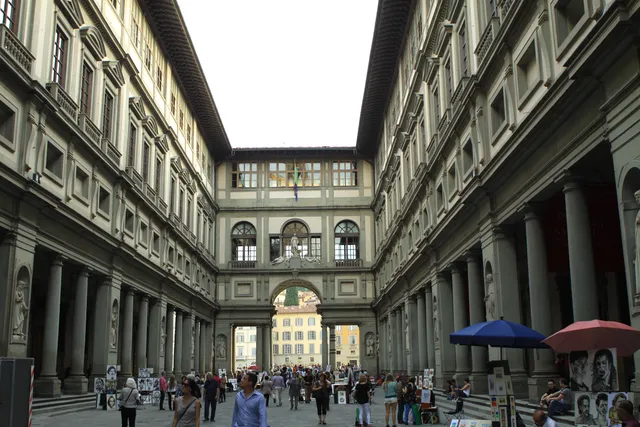
Nearby sights include Florence Cathedral, the Baptistery, Giotto’s Campanile, Piazza della Signoria, and the Uffizi Gallery.
Frequently Asked Questions
What are the Museo dell’Opera del Duomo’s visiting hours?
The museum is open Tuesday to Sunday, 9:00 AM–7:00 PM, with last entry at 6:00 PM. It is closed Mondays and on select holidays.
Can I buy a ticket just for the museum?
No. Admission is through Duomo Complex combination passes.
Are discounts or free admission available?
Reduced tickets are available for EU citizens aged 18–25. Free admission is available for children under 18, Florence residents, certified disabled visitors, and select categories. Discounts or free admission are also listed for school groups.
Is the museum accessible for visitors with disabilities?
Yes. The museum has elevators, ramps, tactile materials, and accessible restrooms. The Dome and Bell Tower climbs are exceptions.
Can I take photos inside?
Non-flash photography is permitted. Flash, tripods, and selfie sticks are prohibited.