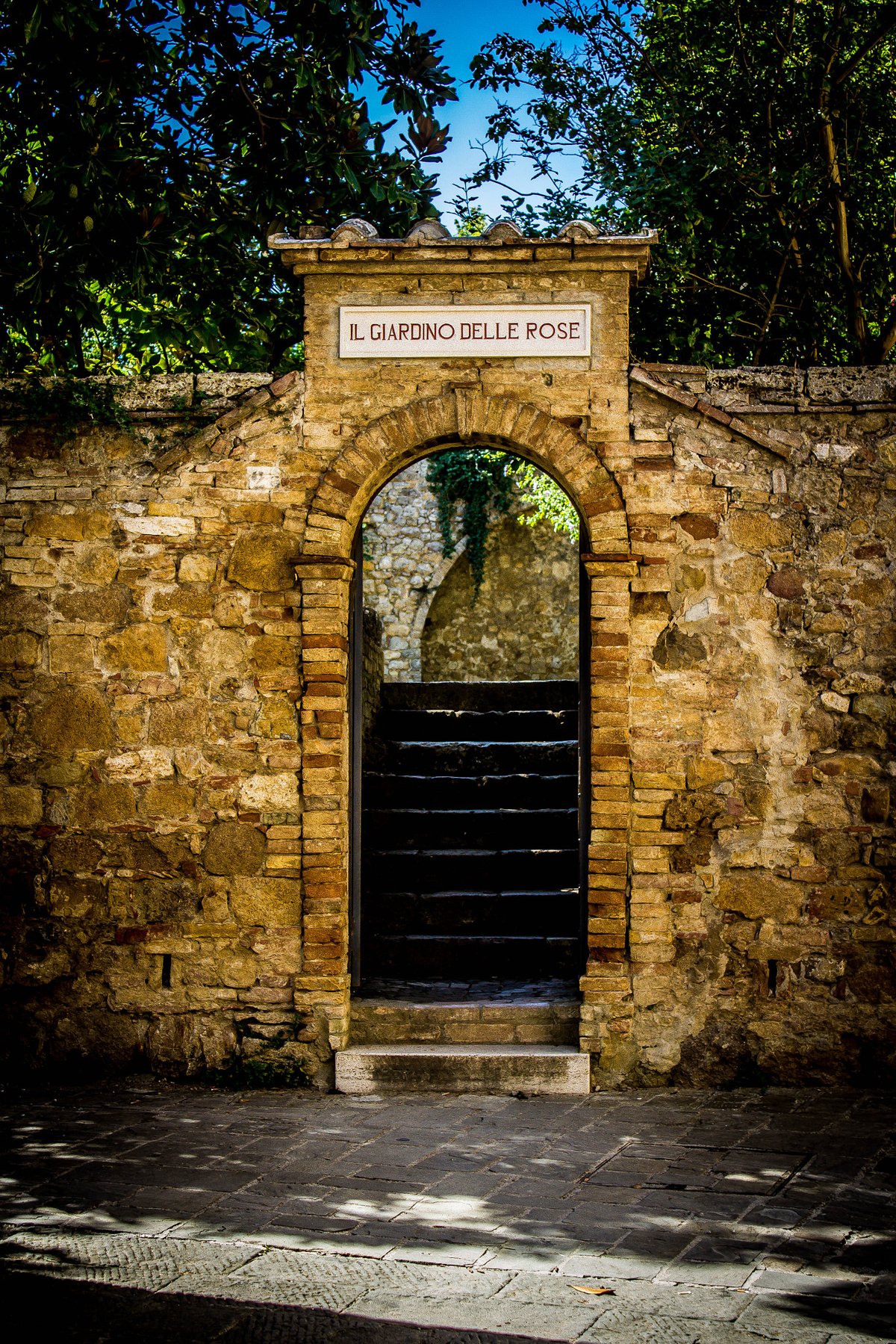
History and Architectural Evolution
Palazzo Guidi Origins
Casa Guidi occupies the piano nobile of Palazzo Ridolfi Guidi, a residence whose roots stretch back to the 15th century. Originally comprising two separate structures—one built by the Ridolfi family and the other acquired by the Guidi family in the 17th century—the building was unified and remodeled in the late 18th century, resulting in the elegant façade and interior that visitors admire today. By the 1840s, the palazzo was subdivided into apartments, setting the stage for the arrival of the Brownings (Browningsociety.org).
The Brownings in Florence (1847–1861)
After their secret marriage in 1846, Elizabeth Barrett Browning and Robert Browning settled in Florence, seeking better health for Elizabeth and intellectual freedom. They rented the Casa Guidi apartment from 1847 until Elizabeth’s death in 1861. The couple’s only child, Pen Browning, was born here in 1849 (Victorian Web). Their home became a hub for the Anglo-Florentine community, hosting artists, writers, and political thinkers—including figures like William Wetmore Story, Harriet Hosmer, and Isa Blagden. The drawing room was the epicenter of these gatherings, fostering spirited discussions and creative exchange (Victorian Web).
Literary and Political Significance
Casa Guidi was more than a private home; it was a crucible for literary creation and political engagement. Elizabeth penned many of her mature works here, including Casa Guidi Windows (1851), a poem that reflects both her personal hopes and her support for the Italian Risorgimento (Wikipedia). The Brownings’ home became a center for art, literature, and political debate, with Elizabeth’s advocacy for Italian unification earning her commemoration by the city of Florence (Victorian Web).
Preservation and Modern Stewardship
After Elizabeth’s death, the apartment underwent periods of neglect and changing ownership. By the 1970s, it was at risk of commercial redevelopment. Preservation efforts led by the Browning Society, Eton College, and the Landmark Trust saved and restored seven of the original eight rooms, meticulously returning them to their 19th-century appearance. Today, Casa Guidi is maintained as a museum and vacation rental, offering both day visits and overnight stays (Browningsociety.org, Landmark Trust).
Practical Visitor Information
Location and Getting There
- Address Piazza San Felice 8, Oltrarno, Florence, Italy.
- Public Transport City buses C3 and D; nearest hop-on/hop-off stop is Frescobaldi (A).
- On Foot Casa Guidi is a short walk from the Pitti Palace and Ponte Vecchio (ReidsItaly.com).
**
Visiting Hours and Admission
- Open April to November, Mondays, Wednesdays, and Fridays, 3:00 p.m.–6:00 p.m.
- Admission Free; donations encouraged to support ongoing preservation (ReidsItaly.com, Landmark Trust).
- Booking No advance reservation needed for individual visits during public hours.
Accessibility
- Level First floor (piano nobile); accessible via stairs or lift.
- Mobility The museum is generally accessible, but some areas may have narrow doorways or uneven floors typical of historic buildings. Contact staff in advance for specific needs (Florin.ms).
What to See Inside Casa Guidi
- Drawing Room Restored based on George Mignaty’s 1861 painting, with period furnishings and decor (UniStraPg).
- Dining Room Evokes 18th-century style with historic tableware and art (Within Florence).
- Elizabeth’s Bedroom Faithfully recreated from historical records.
- Robert’s Study Where Robert Browning composed many of his works.
- Terrace Overlooks Via Maggio and Piazza San Felice—immortalized in Casa Guidi Windows (Florin.ms).
Visitor Experience
- Self-Guided Tours Explore at your own pace with interpretive panels in English and Italian.
- Quiet Reflection The ambiance invites contemplation; respect the museum’s tranquil setting.
- Photography Non-flash photography is typically allowed; check for on-site restrictions.
Staying at Casa Guidi
Casa Guidi doubles as a vacation rental managed by the Landmark Trust and Eton College. The apartment accommodates up to six guests for stays of four nights or more, offering modern comfort amid historic surroundings. Bookings are popular and should be made well in advance (Landmark Trust).
Nearby Florence Historical Sites
Casa Guidi’s location makes it an ideal base for exploring Florence’s cultural treasures:
- Palazzo Pitti and Boboli Gardens Directly opposite Casa Guidi, offering art collections and lavish gardens.
- Ponte Vecchio A short walk to Florence’s iconic medieval bridge.
- Galleria dell’Accademia Home to Michelangelo’s David.
- San Miniato al Monte Panoramic views over the city.
- English Cemetery The resting place of Elizabeth Barrett Browning (Florin.ms).
- San Lorenzo Market Historic market frequented by Robert Browning.
Essential Visitor Tips
- Peak Times Casa Guidi is generally less crowded than major museums; late afternoons are quietest (European Traveler).
- Seasonality Closed December through March.
- Combine Visits Plan a cultural itinerary with nearby sites like the Pitti Palace and Boboli Gardens.
- Literary Connection Bring or download Elizabeth Barrett Browning’s Casa Guidi Windows to deepen your experience (UniStraPg).
- Language Staff are welcoming and materials are available in both English and Italian.
COVID-19 and Health Measures
Casa Guidi observes current health and safety protocols. Check the Landmark Trust’s news page before your visit for any updates on opening status or requirements.
Frequently Asked Questions (FAQ)
Q: Do I need to buy tickets to visit Casa Guidi?
A: No; admission is free, with donations encouraged.
Q: What are Casa Guidi’s visiting hours?
A: Mondays, Wednesdays, and Fridays, 3:00 p.m.–6:00 p.m., April through November.
Q: Is Casa Guidi wheelchair accessible?
A: Yes, via lift, though some historic limitations may apply.
Q: Are guided tours available?
A: Regular visits are self-guided; special events or lectures may be scheduled.
Q: Can I stay overnight at Casa Guidi?
A: Yes, the apartment is available as a vacation rental for up to six guests.
Q: What other Florence historical sites are nearby?
A: Palazzo Pitti, Ponte Vecchio, Boboli Gardens, and more.