The Alinari Legacy: Pioneers of Italian Photography
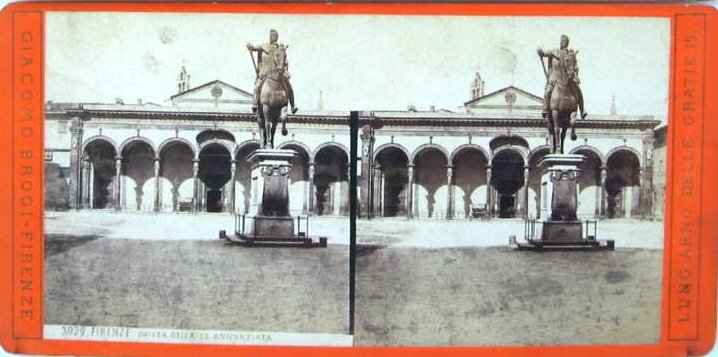
The MNAF’s roots are intertwined with the story of the Alinari brothers, whose innovative work documented and shaped 19th and early 20th-century Italy. Their studio, established in 1852, quickly became renowned for its meticulous documentation of Florence’s monuments and artworks. The brothers' systematic approach to archiving and their international reach, particularly in Paris, elevated Italian photography to global prominence. In 1889, they co-founded the Italian Photographic Society and were recognized at international expositions. Their legacy is a foundation of modern photographic archiving (Fondazione Alinari, Jetset Times).
Development of the Alinari Archives
Over time, the Alinari archives grew to house millions of items: glass negatives, vintage prints, rare photographic processes, and historic cameras. The collection documents Italy’s artistic, social, and architectural evolution, making it a vital cultural resource. Today, the archive includes over 4 million photographs, with materials ranging from albumen prints to daguerreotypes and advertising materials, offering an expansive view of photography’s development (Weekend in Italy).
Founding of the Museum
In 1998, the Fratelli Alinari Foundation for the History of Photography was established to safeguard this heritage. Partnering with the City of Florence, the museum officially opened in 2006 in the Complesso delle Leopoldine, marking Italy’s first national museum dedicated solely to photography (Nadir).
Visiting the Museo Nazionale Alinari della Fotografia
Hours and Ticketing
- Opening Hours Tuesday to Sunday, 10:00 AM – 6:00 PM. Closed Mondays and public holidays.
- Tickets
- Adults: €8
- Reduced (EU citizens 18–25): €5
- Free: Under 18 and Florence residents
- Tickets are available online and at the entrance (Weekend in Italy).
Accessibility
- The museum is fully wheelchair accessible, with elevators and ramps.
- The Touch Museum section offers tactile experiences for visually impaired visitors, developed in partnership with local organizations (ItalyTraveller).
- Visitors needing special assistance should contact the museum in advance.
Tours and Special Events
- Guided tours are available on weekends and by appointment for groups.
- Temporary exhibitions, workshops, and photography events are held regularly; check the official website for current schedules.
- Educational activities and workshops cater to all ages and interests.
Location and Nearby Attractions
- Address Piazza Santa Maria Novella, 14a rosso, Florence, Italy
- Nearby Easily walkable from Santa Maria Novella train station. Close to Florence’s major landmarks, including the Basilica of Santa Maria Novella, the Uffizi Gallery, Ponte Vecchio, the Duomo, and the Medici Chapels.
Collections and Exhibition Highlights
Permanent and Temporary Exhibitions
- The museum’s permanent displays are arranged into seven thematic sections, tracing the history of photography from early daguerreotypes and calotypes to modern digital prints.
- Exhibits feature works by photography masters such as Alfred Stieglitz, Henri Cartier-Bresson, and contemporary artists like Patrick Mimran.
- Temporary exhibitions regularly introduce visitors to new themes, artists, and photographic movements (Nadir).
Specialized Library and Archives
- The museum houses a library of over 20,000 volumes, including rare technical manuals, journals like "Camera Work," and original documents on the history of photography.
- The archive contains more than 2.7 million negatives and 900,000 vintage prints, as well as thousands of original photo albums and historic cameras (Weekend in Italy).
The Touch Museum
- This innovative section features relief versions of 20 photographs, making the museum experience inclusive for visually impaired guests and providing a multisensory way to engage with photographic art (ItalyTraveller).
Visitor Experience and Amenities
- Museum Shop Offers authentic prints from original Alinari negatives, photography books, and exclusive souvenirs.
- Cloakroom Available for storing large bags and coats.
- Restrooms Fully accessible.
- Library Access Available to researchers by appointment.
The museum's thoughtful gallery design and subdued lighting create an intimate, contemplative atmosphere, distinct from Florence’s busier art museums. The layout supports both leisurely exploration and focused study, with interpretive panels in Italian and English.
Visitor Tips
- Duration Allocate at least 1.5–2 hours to explore the museum fully.
- Photography Non-flash photography is generally permitted; check for restrictions, especially in temporary exhibitions.
- Language Information is provided in both Italian and English.
- Best Times Visit on weekday mornings or late afternoons to avoid crowds.
- Combine Visits The museum’s central location makes it easy to pair your visit with nearby Florence historical sites, including Santa Maria Novella and the Duomo.
Frequently Asked Questions (FAQ)
Q: How do I book tickets?
A: Tickets are available online via the official website or at the museum entrance.
Q: Are guided tours available?
A: Yes, regularly scheduled in multiple languages and bookable in advance.
Q: Is the museum suitable for children and families?
A: Yes, with workshops and family-friendly educational programs.
Q: Can I take photos inside?
A: Non-flash photography is allowed in most areas; restrictions may apply for certain exhibitions.
Q: Is the museum accessible for people with disabilities?
A: Yes, including full wheelchair access and the Touch Museum for visually impaired visitors.
Q: Are group visits possible?
A: Yes, groups of more than 10 must book in advance, with a maximum of 20 participants.
Q: Are there on-site dining options?
A: There is no café, but numerous restaurants and cafés are nearby.