Medieval Origins and the Amidei Family
The Torre degli Amidei was erected during Florence’s medieval era, a time marked by frequent conflicts among powerful noble families. The Amidei family, aligned with the Ghibelline faction, constructed the tower as both a fortified residence and a symbol of their influence. Its location near the Por Santa Maria gate was strategic, allowing the family to monitor city access and reinforce their social standing (Guidatoscana).
Towers as Symbols of Power
By the 13th century, Florence boasted over 150 family towers, each representing status and offering protection during the city’s frequent factional disputes. The Torre degli Amidei, like many others, was subject to height restrictions imposed by civic regulations in 1251 to curb the power of the nobility. Its architectural resilience and commanding presence endure as a testament to the social dynamics of medieval Florence (cityseeker.com).
Architectural Features
Exterior Structure and Materials
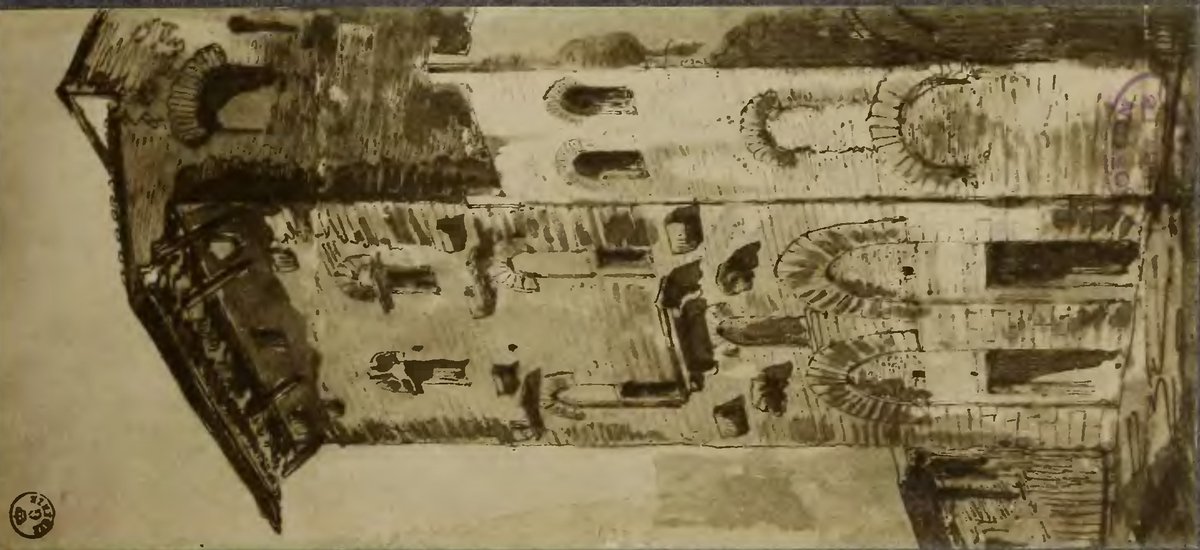
The tower is constructed from local pietra forte, a durable sandstone characteristic of Florentine medieval architecture. It features a rectangular, vertical form with minimal ornamentation, emphasizing function over decoration. The ground floor’s heavy arched entrance was designed for security, while the upper floors served residential and administrative purposes. Distinctive elements include:
- Narrow defensive windows (“feritoie”) Deep-set to limit vulnerability during attacks.
- Marble lion heads Set above the entrance, these symbolize both the Amidei family’s power and Florence’s civic identity.
- Cornice and corbels Projecting at the top of the façade, serving both practical and decorative purposes (cityseeker.com).
Interior Details
Although much of the original interior has been altered, traces of medieval masonry, such as stone arches and remnants of original wooden floors, offer glimpses into the tower’s historical function as a fortress and residence.
Restoration and Preservation
Over the centuries, the Torre degli Amidei has undergone several restoration campaigns:
- 19th-century restorations Inspired by a renewed interest in Florence’s medieval past, these efforts aimed to recover the tower’s silhouette and repair damage from urban development.
- Post-World War II repairs Addressed structural damage, stabilizing the foundation and replacing eroded stones.
- Modern preservation Focuses on maintaining historical authenticity, using traditional materials and techniques, and integrating security measures to protect the monument (cityseeker.com).
Cultural and Literary Significance
The Buondelmonte Murder and Political Feud
The tower is famously linked to the murder of Buondelmonte de’ Buondelmonti in 1215, an event that ignited the Guelph-Ghibelline feud and profoundly influenced Florence’s political trajectory. A commemorative plaque marks the site, inviting reflection on its historical gravity (Colosseum and Vatican Tours).
Dante Alighieri and the Divine Comedy
Dante memorialized the incident in "Paradiso," Canto XVI of the Divine Comedy, with lines inscribed on the tower itself, reinforcing the connection between literary heritage and historical reality:
"...o Buondelmonte, quanto mal fuggisti
le nozze sue per altrui conforti!"
This intertwining of literature and history enhances the tower’s symbolic resonance within the city (Colosseum and Vatican Tours).
Visitor Information: Hours, Tickets, and Accessibility
Visiting Hours
- Open Tuesday–Sunday, 10:00 AM–6:00 PM
- Closed Mondays and major public holidays
Hours may vary for special events or seasonal tours; always consult the official Florence tourism website or the tower’s page for current information.
Tickets
- Adults €8
- EU citizens (18–25) €5
- Children under 18 / Florence residents Free
Tickets are available online via the official Florence historical sites portal or at the entrance when available (Florence Tips).
Accessibility
Due to the tower’s medieval architecture, accessibility is limited. Some areas involve steep stairs and uneven floors. Visitors with mobility concerns should contact the site in advance to arrange assistance.
Guided Tours and Audio Guides
Several tour operators include the Torre degli Amidei in their medieval Florence itineraries. Audio guides and mobile apps (such as Audiala) provide self-paced, in-depth historical commentary.
Nearby Attractions and Travel Tips
The Torre degli Amidei is centrally located near top attractions, including:
- Ponte Vecchio
- Piazza della Signoria
- Uffizi Gallery
Combine your visit with a walking tour of Florence’s medieval quarter for a comprehensive experience (Trek Zone). The area is pedestrian-friendly, with nearby cafes, artisan shops, and markets for dining and shopping.
Pro Tip: Visit early in the morning or late afternoon for the best light and fewer crowds.
Frequently Asked Questions (FAQ)
Q: What are the Torre degli Amidei visiting hours?
A: Tuesday–Sunday, 10:00 AM–6:00 PM; closed Mondays and public holidays.
Q: How can I get tickets?
A: Tickets are available online or at the entrance, subject to availability. Guided tours often include entry.
Q: Is the site wheelchair accessible?
A: Accessibility is limited inside; the exterior and surrounding streets are accessible.
Q: Are guided tours available?
A: Yes, several local operators and cultural organizations offer tours that include the tower.
Q: What other landmarks are nearby?
A: Piazza della Signoria, Ponte Vecchio, and the Uffizi Gallery are within walking distance.
Visuals and Media
- **
- **
- Explore the interactive map of Florence’s medieval towers here